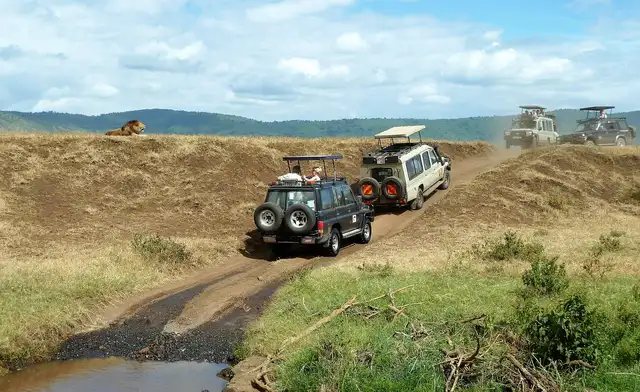
The anticipation that comes with your first safari is something else, and it all starts in Tanzania. The landscapes, diverse wildlife, and rich cultural experiences make Tanzania safari a must-do anytime. We will explore why Tanzania should be your top choice for a safari, how to get there, what to see and do, where to stay, and essential tips for a memorable trip. Let’s dive into the wonders of a safari in Tanzania.
Popular Tanzania Safari Packages
2 Days fly in Serengeti Safari in Tanzania
2 Days Tarangire National Park and Ngorongoro Crater Safari
3 Days Tanzania Safari in Serengeti National Park
4 days Tanzania birding safari to Lake Manyara National Park
5 Days Circuit Wildlife Safari in Tanzania
6 Days Mount Kilimanjaro Machame Route
8 Day Serengeti, Ngorongoro Crater and Zanzibar
9 Days Birding and wildlife safari in Tanzania
10 Days Uganda and Tanzania Safari- Gorillas, Chimpanzees and Wildlife
What is Tanzania and How is Travel Like in Tanzania?
Tanzania is in East Africa and known for its vast wilderness areas, including the Serengeti National Park, home to the famous wildebeest migration, and Mount Kilimanjaro, Africa’s highest peak ( Uhuru Peak which stands at an impressive 5,895 meters 19,341 feet above sea level). Safari in Tanzania is an adventure in itself, offering a mix of modern amenities and untouched natural beauty. Whether you’re exploring bustling cities like Dar es Salaam or venturing into the remote savannahs, you’ll find that Tanzania and Kenya safari experiences are unparalleled.
Tanzania’s infrastructure is well-developed for tourism, with a range of transportation options including domestic flights, well-maintained roads, and reliable safari operators. Tanzania’s warm and welcoming people add to the charm, making safari in Tanzania a delightful experience. From the moment you arrive, you’ll be captivated by the vibrant culture, stunning landscapes, and the promise of unforgettable wildlife encounters.
Why Consider Tanzania for Your First Safari?
Choosing Tanzania for your first safari is a decision you won’t regret. Tanzania boasts some of the most iconic safari destinations in the world. The Serengeti safari, for instance, offers an opportunity to witness the Great Migration, where millions of wildebeest, zebras, and gazelles traverse the plains in search of greener pastures. This spectacle is a must-see on any Tanzania safari holiday. Additionally, Tanzania’s national parks are teeming with the Big Five (lion, leopard, rhinoceros, elephant, and Cape buffalo), making it a prime location for wildlife enthusiasts.
Tanzania’s diverse ecosystems, from the savannahs of the Serengeti to the lush forests of the Mahale Mountains, provide a variety of Tanzania safari experiences. Whether you’re interested in a Tanzania and Uganda safari or a Tanzania budget safari, you’ll find options that cater to your interests and budget. Tanzania’s commitment to conservation ensures that your safari in Tanzania not only offers incredible wildlife encounters but also supports the preservation of these magnificent creatures and their habitats.
Best Time to Visit Tanzania (Month by Month)
The best time for a safari in Tanzania is during the dry season, which runs from late June to October. During this period, the weather is dry and temperatures are comfortable, making it ideal for Tanzania wildlife viewing. Animals gather around water sources, making them easier to spot during a safari in Tanzania. This is also the peak season for witnessing the Great Migration in the Serengeti, where millions of wildebeest, zebras, and gazelles move in search of greener pastures.
For birding tours in Tanzania, the period from November to February is excellent, as migratory birds arrive and the landscape is lush and green. However, some areas may experience short rains during this time. Regardless of when you visit, a safari in Tanzania promises unforgettable wildlife encounters and stunning landscapes.
How to Get to Tanzania for a Wildlife Safari
Getting to Tanzania is relatively straightforward. Most international travellers fly into Julius Nyerere International Airport in Dar es Salaam or Kilimanjaro International Airport near Arusha. From there, you can take domestic flights or drive to various safari destinations. For those considering a Tanzania and Uganda safari, there are also options to cross borders by road or air, making it easy to combine multiple East African safaris.
When planning your safari in Tanzania, it’s important to consider the best time to visit. The dry season, from June to October, is ideal for wildlife viewing as animals gather around water sources. This period is also perfect for witnessing the wildebeest migration in the Serengeti. However, the green season, from November to May, offers lush landscapes, fewer tourists, and excellent birdwatching opportunities. Regardless of when you visit, a Tanzania safari trips promise unforgettable experiences.
Attractions and Activities in Tanzania
Tanzania offers a plethora of attractions and activities that cater to all types of travellers. Here are some highlights you shouldn’t miss:
Serengeti National Park: Known for the wildebeest migration, this park offers incredible wildlife viewing opportunities year-round. A Serengeti safari is a quintessential part of any Tanzania safari trips. The vast plains are home to diverse wildlife, including lions, cheetahs, elephants, and more. Game drives, hot air balloon safaris, and guided walks are popular ways to explore this iconic park.
Ngorongoro Crater: This UNESCO World Heritage site is a natural wonder, home to a dense population of wildlife, including the endangered black rhino. The crater’s unique ecosystem makes it a must-visit on your Tanzania safari holidays. The stunning views from the Ngorongoro crater rim and the rich biodiversity within the crater floor provide a safari experience like no other.
Mount Kilimanjaro: For the adventurous, climbing Africa’s highest peak (19,341 feet) is a bucket-list experience. Even if you’re not up for the climb, the surrounding Kilimanjaro National Park offers beautiful landscapes and wildlife. The trek to the summit is challenging but rewarding, offering breathtaking views and a sense of accomplishment. For those seeking a less strenuous adventure, day hikes and cultural tours around the mountain are excellent alternatives.
Zanzibar: After your safari, relax on the pristine beaches of Zanzibar. This island paradise is perfect for unwinding and exploring its rich cultural heritage. The historic Stone Town, spice plantations, and vibrant coral reefs offer a mix of relaxation and adventure. Zanzibar’s warm waters are ideal for snorkeling, diving, and water sports, making it a perfect complement to your Tanzania safari trips.
Tarangire National Park: Known for its large elephant herds and baobab trees, this park offers a more off-the-beaten-path experience compared to the more famous parks. The park’s diverse landscapes, including swamps, rivers, and woodlands, attract a variety of wildlife. Birdwatchers will also appreciate the park’s rich avian diversity, making it a highlight of any Tanzania safari holiday.
Lake Manyara National Park: This Park is famous for its tree-climbing lions and large flocks of flamingos. The park’s diverse habitats, from the alkaline lake to dense forests, support a wide range of wildlife. Canoeing on the lake, night game drives, and cultural tours with local communities add to the unique experiences available in Lake Manyara.
Selous Game Reserve: One of the largest game reserves in Africa, Selous offers a remote and wild Tanzania safari experience. The reserve’s rivers, lakes, and woodlands are home to diverse wildlife, including hippos, crocodiles, and rare African wild dogs. Boat safaris, walking safaris, and fly camping provide intimate encounters with nature, making Selous a must-visit for adventurous travellers.
Where to Sleep During Your Tanzania Safari
When it comes to accommodation, Tanzania offers a range of options to suit every budget and preference. Whether you’re on a Tanzania budget safari or looking for luxury Tanzania safaris, you’ll find something that fits your needs. Here are some types of accommodations you can expect:
Luxury Tented Camps: These offer a blend of comfort and proximity to wildlife. Imagine falling asleep to the sounds of the savannah in a spacious, well-appointed tent. These camps often feature en-suite bathrooms, gourmet dining, and personalized service, providing an immersive yet comfortable Tanzania safari experience.
Lodges: These provide a more permanent structure with amenities like swimming pools, gourmet dining, and stunning views of the surrounding landscapes. Lodges are often strategically located near key wildlife areas, offering easy access to game drives and other activities. The combination of luxury and convenience makes lodges a popular choice for Tanzania safari holidays.
Budget Campsites: For those on a Tanzania budget safari, campsites offer a more affordable option without sacrificing the safari experience. These sites often have basic facilities and are located in prime wildlife areas. Staying at a campsite allows you to connect with nature and enjoy the simplicity of outdoor living while still experiencing the thrill of a Tanzania safari.
Essentials to Pack for a Tanzania Safari
Packing for a safari in Tanzania requires some careful planning. We bring you some essentials to ensure you have a comfortable and enjoyable trip:
Clothing: Lightweight, breathable clothing in neutral colors is ideal. Don’t forget a warm jacket for early morning game drives and evenings. Long-sleeved shirts and pants help protect against sun and insects, while a wide-brimmed hat and sunglasses provide additional sun protection.
Footwear: Comfortable walking shoes or boots are a must, especially if you plan on doing any hiking. Sturdy footwear is essential for navigating uneven terrain and ensuring your comfort during long days of Tanzania exploration.
Sun Protection: A wide-brimmed hat, sunglasses, and sunscreen are essential to protect yourself from the strong African sun. High SPF sunscreen and lip balm with UV protection are recommended to prevent sunburn.
Binoculars: These are crucial for spotting wildlife from a distance. A good pair of binoculars will enhance your Tanzania safari experience by allowing you to observe animals up close without disturbing them.
Camera: Capture the incredible moments of your Tanzania safari trips with a good quality camera. Extra memory cards, batteries, and a protective case are also important to ensure you don’t miss any photo opportunities.
Insect Repellent: Protect yourself from mosquitoes and other insects, especially in the evenings. Insect repellent with DEET or other effective ingredients helps prevent bites and reduces the risk of mosquito-borne diseases.
Travel Documents: Ensure you have your passport, visa, travel insurance, and any necessary vaccination certificates. It’s also a good idea to carry copies of important documents and keep them in a secure place.
Medications: Bring any prescription medications you need, as well as a basic first aid kit. Anti-malarial medication, pain relievers, and remedies for common travel ailments are useful additions to your travel kit.
Why Choose Lamz Tours and Travel for Your First Safari in Tanzania?
Choosing the right safari operator can make all the difference in your experience. Lamz Tours and Travel offers expertly guided tours that cater to both first-time and seasoned travellers. With a focus on personalized service, Lamz Tours and Travel ensures that your Tanzania safari holidays are tailored to your interests and preferences. Whether you’re interested in a Tanzania and Kenya safari, a Uganda Tanzania safari, or luxury Tanzania safaris, Lamz Tours and Travel has the expertise to create an unforgettable adventure. Lamz Tours and Travel’ knowledgeable guides provide insights into the wildlife
Ready to plan your safari?
Talk to a Lamz Tours specialist and get a tailor-made quote.
Make an enquiry