Rwanda gorilla trekking dry season guide with best months, firm trails, clear views, safe photography, reliable travel, and added wildlife experiences
Best Rwanda gorilla packages
2 day Gorilla trekking safari in Rwanda
2 Days Nyungwe Chimpanzee and Canopy Walk Safari in Rwanda
3 Days Gorilla and Golden Monkey Trekking Rwanda Tour
3 Days Safari to Rwanda and Uganda Gorilla Trekking
4 Days Luxury Gorilla Tracking Rwanda Tour
4 Days Primate Safari to Rwanda with Gorillas and Chimps
5 Days in Rwanda with Gorillas and Akagera Big Five Safari
8 Days Rwanda Cultural and Primate Experience
3Days Rwanda Safari Holiday with Gorilla Trekking
12 Days Rwanda Safari in Volcanoes, Nyungwe and Akagera National Park
15 Days Great East African Safari (Rwanda, Uganda, Kenya and Tanzania)
What are top dry months to see gorillas in Rwanda
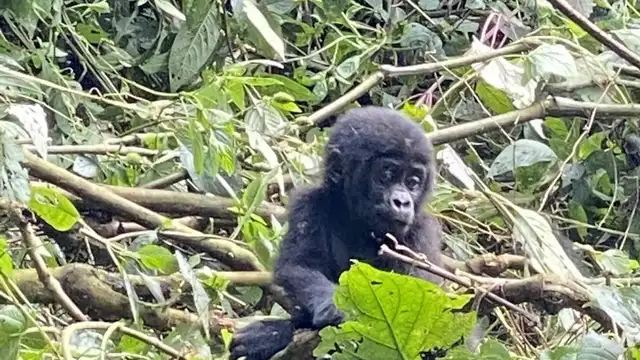
The top dry months to see gorillas in Rwanda are June through September and December through February. June to September is the long dry season and widely considered the best time overall, offering firm trails, minimal rain, and clear skies that make trekking easier and photography better. July and August are particularly popular because trails are at their driest and most navigable. December through February is the short dry season, another excellent window with good trekking conditions and the added benefit of lush green scenery. February sees slightly smaller crowds than December while still offering dry trails and great visibility. These months require advance booking because permits sell out quickly, but they deliver the most comfortable and reliable gorilla trekking experience of the year
Why visit the gorillas in Rwanda during the dry season
1. Trails stay firm and easy to walk
Visiting the gorillas in Rwanda during the dry season from June to September keeps trekking trails hard and stable. You walk on compact dirt instead of slippery mud that sticks to your boots like glue. Wet season trails turn into deep sludge where each step feels like lifting a heavy brick. Dry trails let you move faster and save your energy for watching the gorillas in Rwanda instead of fighting the ground beneath you. Your legs hurt much less at the end of the trek, and porters carry your bags without sliding downhill. For older travelers or anyone with weak knees, dry season walking makes the difference between finishing the trek or turning back early. You actually enjoy the walk rather than dreading each muddy step.
2. You get your full hour with the gorillas
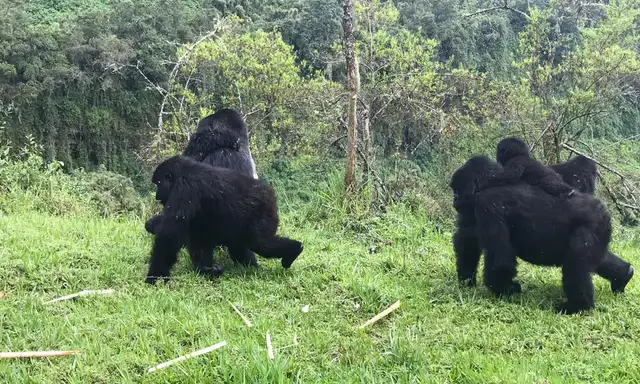
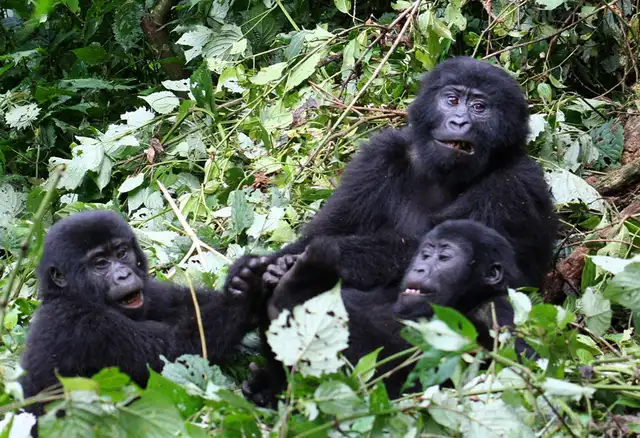
Rangers give you exactly one hour with the gorillas in Rwanda once the trackers locate the group. In wet season, you lose twenty to thirty minutes of that hour just struggling through mud to reach them. Dry season gets you to the gorillas in Rwanda faster because guides walk at normal speed without slipping or stopping. You arrive less tired and breathe easier, so your full hour starts earlier. You sit calmly watching the silverback eat bamboo shoots or babies wrestle each other on the ground. Gorilla permits cost $1,500 regardless of weather conditions. Wet season gives you worse value because you pay the same high price for a much shorter viewing window with the animals.
3. Your camera equipment stays safe from damage
Mist and heavy rain destroy camera gear during wet season treks to see gorillas in Rwanda. Volcanoes National Park sits at high altitude where clouds hang low and moisture fills the air constantly. Water droplets get inside your lens barrels and cause fogging between the glass elements. You wipe the front lens every two minutes but photos stay blurry and unusable. Dry season gives you clear skies with low humidity, so your camera works normally when photographing gorillas in Rwanda. The light stays brighter too, letting you use faster shutter speeds without raising ISO too high. Professional photographers refuse wet season treks for this exact reason. Your expensive gear stays safe and dry.
4. You see whole gorilla families without blockage
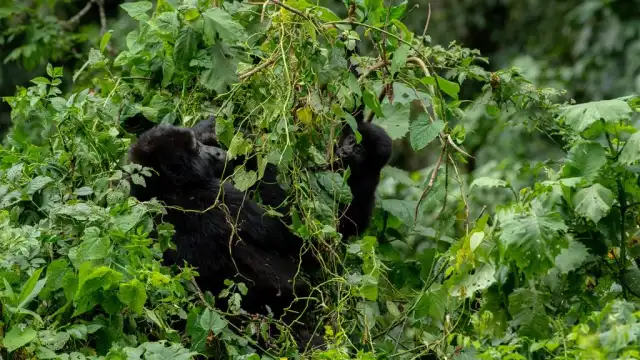
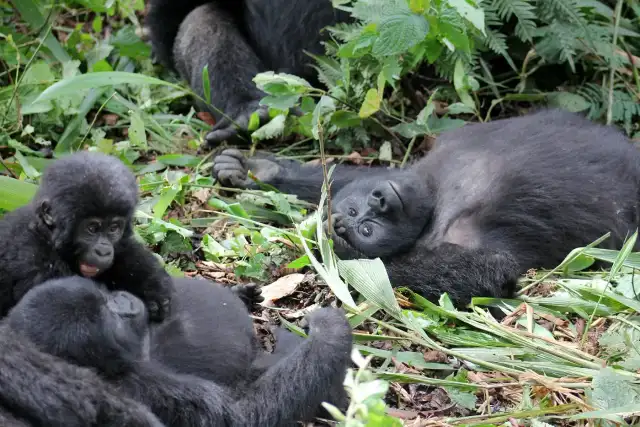
Gorillas in Rwanda feed on bamboo shoots and thistles during dry months because these plants grow at lower elevations. The vegetation stays shorter and more open, so you see entire families without leaves blocking your view. Wet season makes bamboo grow tall and dense, creating green walls that hide the gorillas in Rwanda completely. You only see an arm or a leg poking through the thick stalks. Dry season shows you the silverback's full body, mothers carrying babies, and juveniles wrestling in clearings. Your photos show complete gorillas instead of random body parts. Guides also locate the groups faster because they see movement from much further away through the thinner vegetation cover.
5. Roads to the park remain fully open
The drive from Kigali to see gorillas in Rwanda takes two to three hours on paved roads, but the last few kilometers turn to dirt near park headquarters. Wet season turns this dirt into deep ruts that swallow car tires completely. Drivers get stuck and lose one to two hours waiting for rescue or pushing the vehicle out of mud. Dry season keeps these roads smooth and passable, so your driver arrives on time for the 7 AM briefing. Late arrivals in wet season sometimes miss the briefing entirely and lose their trekking slot to see gorillas in Rwanda. The park does not refund permits for weather-related delays. Dry season guarantees you actually reach the trailhead.
6. You combine gorillas with other animals
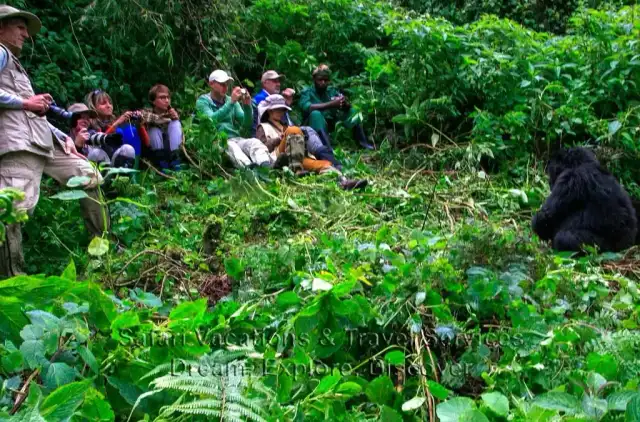
Dry season opens access to Akagera National Park for savannah animals and Nyungwe Forest for chimpanzee tracking alongside your gorillas in Rwanda trek. Wet season closes some roads in Akagera because rivers flood the tracks and make them impassable for vehicles. Nyungwe's chimp trails become so slippery that guides cancel treks for safety reasons. Dry season lets you do a complete Rwanda tour with gorillas in Rwanda, chimpanzees, and big game all in one trip. You get full value for your expensive flight cost and limited travel time. Wet season forces you to choose only gorillas because other parks become too unreliable. Most travelers come from far away and want to see multiple animals, not just one species.
7. Your lodge room stays dry and comfortable
Lodges near Volcanoes National Park use gravel paths and wooden walkways between rooms for visitors tracking gorillas in Rwanda. Wet season turns these paths into streams of running water that carry mud everywhere. You step outside your room and sink into mud up to your ankles before breakfast. Your boots stay wet for the next morning's trek to see gorillas in Rwanda because nothing dries overnight in the humidity. Dry season keeps paths firm and clean, so you walk normally between buildings. You sit on your private deck in the evening without rain driving you inside. Fire pits stay lit because wood remains completely dry. Your sleep quality improves without rain pounding the roof all night long.
8. You avoid leeches on the trekking trails
Wet season brings hundreds of leeches into the trekking trails of Volcanoes National Park where gorillas in Rwanda live. These blood-suckers drop from leaves onto your neck, arms, and legs while you walk through the forest. You stop every few minutes to pick them off your skin before they bite. Some crawl inside your boots without you noticing until you feel a wet spot on your sock. Dry season kills off most leeches because they need constant moisture to survive at all. You walk without checking your clothes every five minutes when visiting gorillas in Rwanda. This alone makes dry season worth the higher prices for many travelers who hate the feeling of leeches crawling on their skin.
9. Your travel dates stay reliable and on schedule
Booking a trek to see gorillas in Rwanda in dry season means you actually trek on your scheduled day without delays. Wet season flights into Kigali get delayed or cancelled due to low clouds and heavy rain at the airport. You miss one day of your itinerary and lose your paid permit slot because the park gives unused permits to waitlisted travelers. Dry season weather stays predictable, so your flight arrives on time and your trek to see gorillas in Rwanda happens as planned. Tour operators recommend adding buffer days in wet season, which adds cost to your trip. Dry season needs no buffer days at all. You show up on your chosen date and trek the next morning without worry.
10. You pay less for transport and porter services
Dry season roads allow normal driving speeds when transporting visitors to see gorillas in Rwanda. Your driver charges the standard rate without adding surcharges for difficult conditions. Wet season driving takes much longer and risks vehicle damage from mud and deep ruts, so drivers add extra fees. Porters also charge more in wet season because they carry your bags through deeper mud and slip more often on the trails. A porter costs $15 to $20 in dry season but asks for $30 when tracking gorillas in Rwanda in the rain. Your round-trip transport from Kigali costs $250 in dry season but $350 in wet season. Dry season saves you real money on these essential services
Are there wild gorillas in Rwanda?
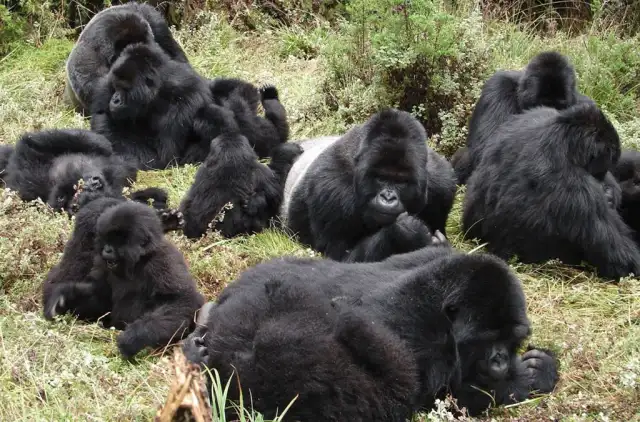
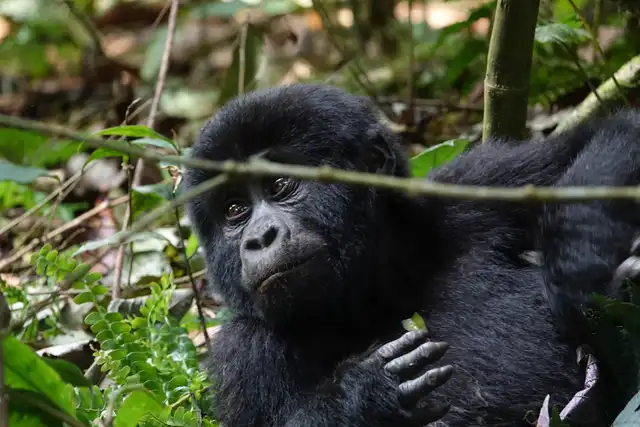
Yes, wild gorillas live in Rwanda. The country's Volcanoes National Park is home to a significant population of endangered mountain gorillas, a subspecies found only in the Virunga Massif and Bwindi Impenetrable Forest. According to the latest surveys, the Virunga Massif, which spans Rwanda, Uganda, and the Democratic Republic of Congo, contains approximately 604 mountain gorillas. More detailed scientific data from 2015-16 estimates the population at 669 individuals across the entire massif. Tracking gorillas in Rwanda is a well-organized activity that takes place in Volcanoes National Park. The park currently has twelve fully habituated gorilla families that visitors can trek to see. Conservation efforts have been successful, and the population of gorillas in Rwanda is reported to be increasing
How much does it cost to go see gorillas in Rwanda?
The standard price for a permit to track gorillas in Rwanda for most international tourists is $1,500 per person. This permit allows you to spend one hour with a habituated gorilla family. However, Rwanda Development Board has extended promotional rates for other visitor categories through 2026. African citizens and foreign residents of African countries pay $500 for a permit. Citizens of East African Community member states pay only $200 with valid identification. These promotional rates do not apply during the peak tourism months of June through October. Tracking gorillas in Rwanda also involves additional costs like park entry fees, transport from Kigali, and accommodation near Volcanoes National Park
Who has more gorillas, Uganda or Rwanda?
Uganda has more mountain gorillas than Rwanda. Approximately half of the world's mountain gorilla population lives in Uganda's Bwindi Impenetrable National Park, while Rwanda's Volcanoes National Park is home to about one-third. The global mountain gorilla population is estimated at over 1,000 individuals, with the 2018 census recording 459 gorillas in the Bwindi-Sarambwe ecosystem (mostly in Uganda) and 604 in the Virunga Massif (shared by Rwanda, Uganda, and DRC). When comparing gorillas in Rwanda to those in Uganda, the difference in trekking options is also notable. Uganda has 22 habituated gorilla families and offers 176 daily permits, while gorillas in Rwanda are spread across 12 habituated families with 96 daily permits available. Uganda's permits are also cheaper at $700-800 for foreign visitors
Top tips to see gorillas in Rwanda
Book your gorilla permit at least three to six months before travel, especially for the dry seasons of June through September and December through February. Only 96 permits are issued daily across twelve habituated gorilla families, so slots fill quickly. Each permit costs $1,500 for international visitors, and you must present it at park headquarters on trekking day. Hire a porter at the trailhead for about $15 to carry your bag and help on steep, muddy slopes. The trek takes two to five hours on average, but can last up to eight hours depending on where the gorillas move. Wear waterproof hiking boots, long trousers, long sleeves, and gardening gloves to protect against stinging nettles and thorns. Pack a waterproof jacket, at least two liters of water, and energy snacks. Bring a camera with a mid-zoom lens (24-70mm) and extra batteries, but never use flash photography.
Stay calm and silent when you find the gorillas, and keep a minimum distance of five meters . Wear an N95 face mask during the trek to prevent transmitting human diseases to the gorillas . Dress in neutral earth colors like khaki, brown, or green, because bright colors can disturb the animals. Do not eat, drink, or smoke near the gorillas under any circumstances. Trekking difficulty ranges from moderate to strenuous, so inform your guide about any physical limitations before starting. The park sets a minimum age of 15 years for all trekkers. Tipping guidelines suggest $15 for porters and $5 to $10 for park guides per trek. Your lodge will provide a briefing the evening before, so pay close attention to the safety rules and gorilla etiquette explained by your ranger
Top lodges to stay in on your trip to see gorillas in Rwanda
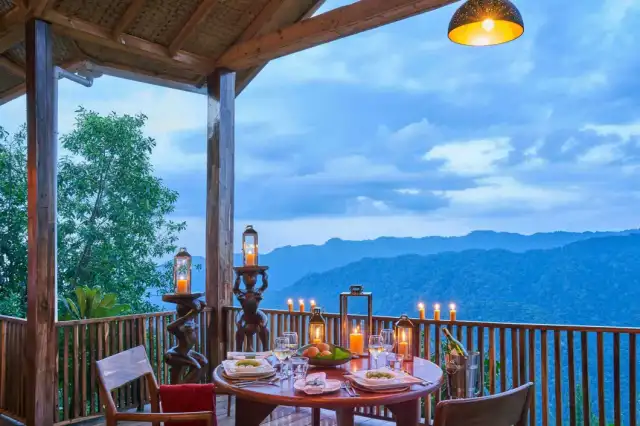
For a trip to see the gorillas, the top lodges range from ultra-luxury to comfortable mid-range options. Singita Kwitonda Lodge is the premier choice, sharing a border with Volcanoes National Park less than 10 minutes from the trek start, featuring suites with private heated plunge pools and farm-to-table dining. Bisate Lodge offers six iconic, nest-like villas with stunning volcano views and a strong reforestation program where guests plant trees. For community-focused luxury, Sabyinyo Silverback Lodge is fully owned by a local trust and sits just 3 km from the park entrance. Virunga Lodge provides breathtaking panoramic views of the volcanoes and twin lakes, though it requires a slightly earlier start due to its hilltop location. Finally, Mountain Gorilla View Lodge is a practical budget-friendly option with basic but comfortable rooms, located just 10 minutes from the park headquarters
Booking to see gorillas in Rwanda with Lamz Tours and Travel
Booking to see gorillas in Rwanda with Lamz Tours and Travel is a straightforward process handled directly by the tour operator. You can contact them via email at info@Lamz Tours and Travel.com or by phone at +000 000 000 000 to begin the booking. Lamz Tours and Travel manages the entire permit acquisition process with the Rwanda Development Board, securing your $1,500 permit for Volcanoes National Park. They offer various all-inclusive safari packages ranging from 3-day budget treks ($1,800–2,200) to longer 7-day combinations with Akagera wildlife safaris. Recent traveler reviews confirm Lamz Tours and Travel provides responsive service, professional guides, and well-organized itineraries for seeing gorillas in Rwanda. The company also arranges transport from Kigali, comfortable accommodation near the park, and expert local guides who know the terrain and gorilla families well. It is recommended to book at least 6–9 months ahead for peak season treks between June and September
Ready to plan your safari?
Talk to a Lamz Tours specialist and get a tailor-made quote.
Make an enquiry