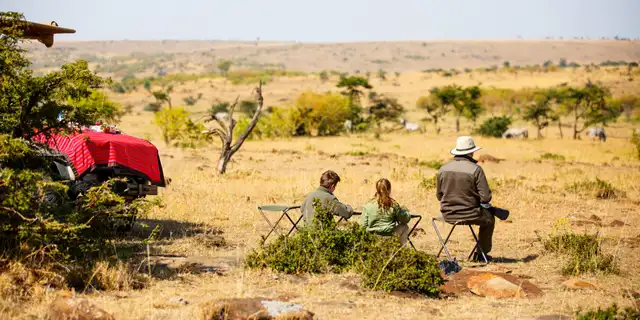
Safari Tanzania offers the Great Migration, Big Five sightings, diverse landscapes, cultural visits, and flexible stays from budget camps to luxury lodges
Are you wondering why safari Tanzania stands out as one of Africa’s most rewarding travel experiences? The country offers unmatched wildlife diversity, from the Great Wildebeest Migration in the Serengeti to the Big Five sightings in Ngorongoro Crater. Travelers benefit from year‑round opportunities, whether during the dry season with concentrated game viewing or the green season with calving and vibrant landscapes. Safari Tanzania also provides flexibility, with options ranging from budget camping to luxury lodges, ensuring every traveler finds a style that suits their needs. Beyond wildlife, cultural visits to Maasai villages and extensions to Zanzibar’s beaches add depth to the trip. Choosing safari Tanzania means combining practical value, rich biodiversity, and authentic experiences that leave travelers with lasting memories
Top Tanzania safari packages
2-days-fly-in-serengeti-safari-in-tanzania
2-days-tarangire-national-park-and-ngorongoro-crater-safari
3-days-tanzania-safari-in-serengeti-national-park
3-days-tanzania-wildlife-safari
4-days-epic-tanzania-wildlife-and-culture-safari
5-day-kenya-and-tanzania-safari
5-days-circuit-wildlife-safari-in-tanzania
6-days-ndutu-migration-safari-calving-season
8-day-serengeti-ngorongoro-crater-and-zanzibar
8-days-wildlife-and-beach-holiday-tanzania
8-days-wildlife-safari-tanzania
9-days-zanzibar-and-wildlife-safari
10-days-uganda-and-tanzania-safari-gorillas-chimpanzees-and-wildlife
Where to go for safari Tanzania
A safari Tanzania offers travelers access to some of Africa’s most famous wildlife destinations. The Serengeti is the centerpiece, known for its endless plains and the Great Wildebeest Migration. Ngorongoro Crater provides unmatched Big Five density, making it ideal for those with limited time. Tarangire National Park stands out for its large elephant herds and ancient baobabs, while Lake Manyara offers soda lakes filled with flamingos and tree‑climbing lions. A safari Tanzania across these parks ensures variety, combining dramatic landscapes with rich wildlife viewing opportunities.
Beyond the northern circuit, travelers can explore southern parks like Ruaha and Selous, which provide quieter experiences with fewer crowds. These destinations are perfect for those seeking remote wilderness and diverse species. A safari Tanzania here balances adventure with tranquility, offering sightings of wild dogs, large elephant populations, and unique birdlife. Combining northern highlights with southern reserves creates a complete safari experience, giving travelers flexibility to match their interests and travel style.
Why Safari Tanzania is a Top Choice for Every Traveller
The Great Wildebeest Migration Witness over 1.5 million animals crossing the Serengeti and Mara River
A safari Tanzania during the Great Wildebeest Migration is unmatched, with over 1.5 million wildebeest, zebras, and gazelles moving across the Serengeti and Mara River. This natural event showcases dramatic crossings, predator action, and the cycle of life in its rawest form. Travelers can plan between June and October for river crossings or visit earlier in the year to witness calving season. A safari Tanzania here ensures travelers see nature’s largest wildlife spectacle, offering both scale and intensity that cannot be found elsewhere.
Unmatched Big Five density Spot lions, leopards, elephants, rhinos, and buffalo in Ngorongoro Crater
The Ngorongoro Crater is a highlight of any safari Tanzania, offering one of the highest densities of Big Five animals in Africa. Lions, leopards, elephants, rhinos, and buffalo thrive in this compact ecosystem, making sightings frequent and efficient. For travelers with limited time, this destination ensures maximum value in a single game drive. A safari Tanzania here combines dramatic volcanic scenery with concentrated wildlife viewing, making it practical and rewarding for families, first‑time visitors, or those seeking guaranteed encounters with Africa’s most famous animals.
Diverse landscapes From the endless Serengeti plains to the Ngorongoro Crater, Lake Manyara’s soda lakes, and Tarangire’s baobabs
A safari Tanzania offers more than wildlife; it showcases diverse landscapes that enrich the experience. The Serengeti’s endless plains contrast with the volcanic Ngorongoro Crater, while Lake Manyara’s soda lakes attract flamingos and Tarangire’s towering baobabs create striking scenery. Each park has unique features, ensuring variety for travelers who want more than animal sightings. A safari Tanzania across these destinations provides balance between dramatic natural settings and rich biodiversity, allowing travelers to design itineraries that match personal interests such as birdwatching, photography, or enjoying varied environments.
Year‑round wildlife viewing Dry season (June–Oct) is prime, but wet season offers calving, lush scenery, and fewer crowds
A safari Tanzania delivers strong value throughout the year. The dry season from June to October concentrates wildlife around water sources, making sightings predictable and frequent. The wet season from November to May brings calving, greener landscapes, and fewer crowds, appealing to travelers who prefer quieter experiences. A safari Tanzania in the wet months is especially rewarding for birdwatchers and photographers seeking vibrant backdrops. Both seasons have advantages, so the choice depends on traveler priorities whether it’s dramatic predator action or peaceful scenery with newborn animals.
Access to Mount Kilimanjaro Combine safari with Africa’s highest peak trek
A safari Tanzania can be paired with a trek up Mount Kilimanjaro, Africa’s tallest mountain at 5,895 meters. This combination allows travelers to enjoy wildlife viewing and mountain adventure in one trip. A safari Tanzania followed by Kilimanjaro trekking is practical for those seeking variety, offering both natural beauty and physical challenge. The proximity of Kilimanjaro to northern parks makes logistics straightforward, and many operators design packages that blend safari days with climbing schedules. This dual experience appeals to travelers who want more than wildlife, adding cultural and physical dimensions to their visit.
Zanzibar’s beaches Add a tropical island escape with spice tours, snorkeling, and Stone Town culture
After a safari Tanzania, many travelers extend their trip to Zanzibar for relaxation. The island offers spice tours, snorkeling, diving, and cultural visits to Stone Town, creating a balanced itinerary. A safari Tanzania combined with Zanzibar provides both adventure and rest, making it ideal for honeymooners, families, or those seeking variety. The contrast between wildlife parks and tropical beaches adds depth to the overall experience, ensuring travelers leave with a sense of both excitement and calm.
World‑class birding Over 1,100 species, including flamingos, ostriches, and lilac‑breasted rollers
Birdwatchers find a safari Tanzania rewarding, with over 1,100 recorded species. Flamingos cover Lake Manyara, ostriches roam the Serengeti, and lilac‑breasted rollers add color to the skies. A safari Tanzania offers birding opportunities year‑round, with migratory species arriving during the wet season. This makes Tanzania one of Africa’s richest birding destinations, appealing to both casual travelers and dedicated birders.
Cultural encounters Visit Maasai villages, Hadzabe hunter‑gatherers, and local Swahili communities
A safari Tanzania is enriched by cultural visits. Travelers can meet Maasai communities, learn from Hadzabe hunter‑gatherers, or explore Swahili traditions along the coast. A safari Tanzania that includes cultural elements provides deeper understanding of local lifestyles and traditions. These experiences add meaning beyond wildlife, helping travelers connect with people who live alongside the parks.
Well‑managed parks and conservation Strict regulations protect wildlife, and eco‑lodges support local communities
A safari Tanzania benefits from strong conservation policies. Parks enforce strict rules to protect wildlife, while eco‑lodges and community projects ensure tourism supports local people. A safari Tanzania contributes directly to sustainability, giving travelers confidence that their visit has positive impact. This balance between tourism and conservation makes Tanzania a responsible choice for travelers who value ethical travel.
Affordable options to luxury Budget camping, mid‑range lodges, and high‑end tented camps cater to every traveler
A safari Tanzania offers accommodation for all budgets, from basic camping to mid‑range lodges and luxury tented camps. Travelers can choose based on comfort and cost, ensuring flexibility for different needs. A safari Tanzania is accessible to backpackers, families, and luxury seekers alike, making it suitable for every type of traveler. This range of options ensures no one is excluded from experiencing Tanzania’s wildlife.
Best time to go for safari Tanzania
The best time to plan a safari Tanzania is during the dry season from late June to October. This period offers clear skies, minimal rainfall, and excellent wildlife viewing as animals gather around water sources. The Great Migration, with dramatic river crossings in the Serengeti, happens mainly between July and September, making it a highlight for many travelers. Choosing this season ensures reliable game drives and comfortable conditions, especially for first-time visitors. Safari Tanzania during these months provides consistent opportunities to see predators in action and large herds moving across open plains, giving travelers maximum value for their trip without worrying about heavy rains disrupting activities.
Another favorable time for safari Tanzania is the green season from late January to March. This period is ideal for witnessing calving in the southern Serengeti, where thousands of wildebeest give birth, attracting predators and offering dramatic wildlife scenes. The landscape is vibrant, with fresh vegetation and fewer crowds compared to peak months. Safari Tanzania during this season is perfect for photographers who want rich colors and dramatic skies. Prices for lodges and camps are often lower, making it a cost-effective choice for travelers seeking both value and unique experiences. It’s a rewarding time for those who prefer quieter safaris with abundant wildlife action
How to get there for safari Tanzania
Getting to a safari Tanzania is straightforward, with Kilimanjaro International Airport (near Arusha) serving as the main gateway to northern parks like Serengeti, Ngorongoro, Tarangire, and Lake Manyara. International travelers often fly via Nairobi, Addis Ababa, Doha, or Istanbul before connecting to Kilimanjaro or Dar es Salaam. From Arusha, domestic flights and road transfers link directly to safari lodges and camps. A safari Tanzania can also begin from Dar es Salaam, especially for southern parks such as Selous and Ruaha, with charter flights offering quick access. Travelers should plan early, as park transfers and internal flights are best booked in advance to ensure smooth connections and maximize time in the reserves
What to carry and where to stay on safari Tanzania
When preparing for safari Tanzania, pack light but focus on essentials that improve comfort and wildlife viewing. Neutral-colored clothing helps blend into the environment, while a wide-brim hat, sunscreen, and insect repellent protect against sun and bites. Binoculars are vital for spotting animals at a distance, and a good camera ensures you capture memorable sightings. Carry reusable water bottles, personal medication, and a small daypack for game drives. Safari Tanzania also requires sturdy shoes for walking safaris and a light jacket for cooler mornings and evenings. Packing smart ensures you stay comfortable and ready for varied conditions without overloading your luggage.
For accommodation during safari Tanzania, options range from luxury lodges to budget-friendly camps. In the Serengeti, upscale lodges provide comfort with private decks and excellent views of migration routes, while tented camps offer a closer connection to nature. Ngorongoro Crater has lodges perched on the rim, giving unmatched views and quick access to wildlife drives. Budget travelers can choose mobile camps that move with the herds, offering affordability without missing key experiences. Safari Tanzania stays are designed to match different travel styles, whether you want high-end service or a more rustic adventure, ensuring every traveler finds a suitable base
Booking safari Tanzania with Lamz Tours and Travel
Booking a safari Tanzania with Lamz Tours and Travel is simple and tailored to different traveler needs. The company provides clear itineraries covering major parks such as Serengeti, Ngorongoro Crater, Tarangire, and Lake Manyara, ensuring strong chances of seeing diverse wildlife. Packages range from budget camping to luxury lodges, making it easy to match preferences and budgets. Safari Tanzania with Lamz Tours and Travel includes professional guides, reliable transfers, and well-organized logistics, so travelers spend more time enjoying game drives and less time worrying about arrangements. By booking through Lamz Tours and Travel, visitors secure a practical and value-driven safari experience that balances comfort, efficiency, and authentic wildlife viewing
Ready to plan your safari?
Talk to a Lamz Tours specialist and get a tailor-made quote.
Make an enquiry