See why Queen Elizabeth National Park is Uganda’s most loved destination for an African safari Uganda, with lions, hippos, boat cruises, and breathtaking landscapes
Our Best Safaris on African Safari Uganda
1 Day To Jinja, Sezibwa falls and Mabira forest Hike
2 Days Gorilla Trekking Safari to Bwindi National Park
3 Day Uganda Tour of Mgahinga Gorillas and Volcanoes Golden Monkeys
4 day gorilla trekking Uganda and Lake Mburo wildlife safari
5 Days Uganda Safari with Kibale Chimp Tracking and Semuliki Hot Springs
5 Days Safaris To Kibale & Queen Elizabeth National Park
6 Days Kidepo Valley and Murchison Falls Wildlife Safari
7 Day Uganda African safari from Ziwa rhinos, Murchison falls, Kidepo to Jinja.
08-Day Best of Uganda Gorillas, Chimpanzees and Wildlife Safari
10 Days Uganda Ultimate Primate Safari
12 Day wildlife safari in Uganda with relaxation at Zanzibar
14 Days Explore Uganda and Rwanda Gorilla Trekking Safari
15 Day Uganda Safari Parks Round Trip, Gorillas and Chimps Inclusive
Queen Elizabeth National Park offers game drives, boat cruises, tree climbing lions, and rich wildlife, making it Uganda’s top choice for a classic safari adventure.
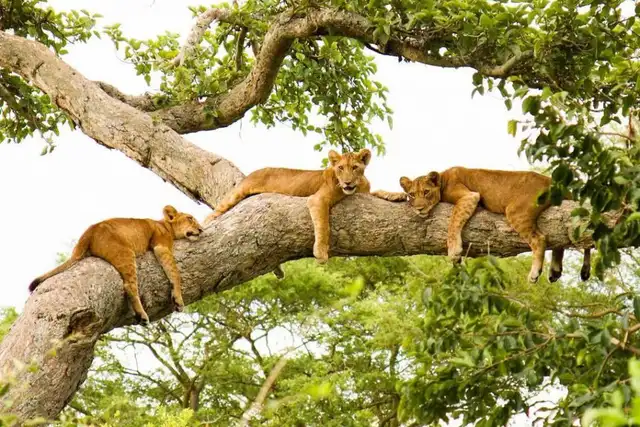
Queen Elizabeth National Park holds a special place in the heart of travelers seeking a true African Safari Uganda experience. It’s more than just a protected area; it’s a complete safari world where wide savannahs stretch toward the horizon, crater lakes shimmer under the sun, and mountain backdrops frame every view. Wildlife thrives here, with elephants, buffaloes, leopards, antelopes, and the famous tree-climbing lions of Ishasha drawing visitors from around the globe. Game drives feel alive with movement and surprise, while the Kazinga Channel boat cruise reveals hippos, crocodiles, and vibrant birdlife gathering along the water’s edge. This mix of land and water adventures creates a safari that feels full, varied, and deeply rewarding.
Beyond wildlife, the park’s diversity of landscapes and activities adds rich depth to any African Safari Uganda journey. Forested gorges like Kyambura offer chimpanzee tracking, scenic crater lakes invite exploration, and open plains promise memorable wildlife encounters at every turn. The park’s location also makes it easy to combine with other top Ugandan experiences, including gorilla trekking, creating a well-rounded adventure. Accommodation options range from luxury lodges with sweeping views to comfortable mid-range and budget stays close to nature. This balance of accessibility, comfort, scenery, and wildlife variety is exactly why Queen Elizabeth National Park continues to be Uganda’s most loved safari destination.
Best Time to Visit Queen Elizabeth National Park on African Safari Uganda
The best time to enjoy an African Safari Uganda in Queen Elizabeth National Park is during the dry seasons when wildlife viewing is at its finest. Between June and September and again from December to February, animals gather around water sources, grasses are shorter, and park roads are easier to navigate. This makes game drives smoother and increases chances of spotting elephants, lions, buffaloes, and antelopes across the open savannah. Photographers appreciate the clear skies and golden light, while travelers enjoy comfortable weather for long days outdoors. Even the green seasons have charm, with fewer crowds, dramatic landscapes, and excellent birdwatching opportunities as migratory species arrive. Each season offers a slightly different mood, but the park remains active year-round. Choosing the right travel window simply helps shape the style of wildlife encounters you want most during your safari experience.
How to Get to Queen Elizabeth National Park on African Safari Uganda
Queen Elizabeth National Park is one of the most accessible safari destinations for travelers planning an African Safari Uganda adventure. Located about 6 to 7 hours by road from Kampala, the journey itself is scenic and enjoyable, passing tea plantations, rolling hills, and lively roadside towns. Many visitors like road travel because it offers cultural glimpses and photo stops along the way, including the Equator crossing. For those who prefer shorter travel times, domestic flights from Entebbe International Airport to Mweya or Kasese airstrips provide a faster and more relaxed option. Transfers from the airstrips to lodges are well organised, ensuring smooth connections. Whether by road or air, reaching the park is straightforward and comfortable, allowing visitors to start wildlife activities soon after arrival without stress or complicated logistics during their safari journey.
Activities to Do for your African Safari Uganda in Queen Elizabeth National Park
Game drives in Queen Elizabeth National Park define the heart of an African Safari Uganda experience, offering thrilling wildlife encounters across varied landscapes. The Kasenyi plains are famous for lion sightings, large herds of Uganda kob, and elephants moving through open grasslands. In the Ishasha sector, travelers search for the rare tree-climbing lions resting in fig trees, a sight found in only a few places in Africa. A boat cruise along the Kazinga Channel brings you close to hippos, crocodiles, and birds gathering along the shoreline, creating incredible photography moments. Visitors can also track chimpanzees in Kyambura Gorge, explore volcanic crater lakes, or join guided nature walks to learn about plants and smaller wildlife. These varied activities ensure every day offers something different, balancing adventure, scenery, and close-up wildlife observation throughout the park.
What to Bring for your African Safari Uganda in Queen Elizabeth National Park
Packing properly at the start of an African Safari Uganda trip helps travellers stay comfortable throughout their time in Queen Elizabeth National Park. Neutral colored clothing is ideal for blending into the environment during game drives, while lightweight fabrics keep you cool under the equatorial sun. Early mornings and evenings can feel chilly, so a light jacket or fleece is useful. A wide-brimmed hat, sunglasses, and sunscreen protect against strong sunlight during long hours outdoors. Binoculars greatly improve wildlife viewing, and a good camera with spare batteries ensures you capture special moments. Insect repellent is important, especially near water areas like the Kazinga Channel. Comfortable walking shoes are helpful for nature walks and lodge grounds. Smart preparation allows you to focus fully on wildlife encounters rather than worrying about forgotten essentials.
Accommodation in Queen Elizabeth National Park on African Safari Uganda
An African Safari Uganda journey feels even more enjoyable with the range of accommodation options surrounding Queen Elizabeth National Park. Luxury lodges offer spacious rooms, private decks, swimming pools, and views over wildlife-rich areas, creating a relaxing base after busy safari days. Mid-range lodges balance comfort and value, often located near major activity zones like the Kazinga Channel. Budget camps and guesthouses provide simple but welcoming stays for travellers who prioritise adventure over luxury. Many properties are designed to blend into the natural environment, letting guests wake up to birdsong and distant animal calls. Dining areas often overlook scenic landscapes, adding atmosphere to evening meals. With options suited to different travel styles and budgets, visitors can easily find a comfortable place to rest between game drives and excursions.
Health and Safety During your African Safari Uganda in Queen Elizabeth National Park
Staying safe during an African Safari Uganda experience in Queen Elizabeth National Park is simple when visitors follow basic travel guidelines. Professional guides lead activities and provide clear instructions based on wildlife behavior and park regulations, which guests should always respect. Drinking enough water is important due to warm daytime temperatures, and using insect repellent helps prevent mosquito bites, especially near wetlands. Travelers are encouraged to consult medical professionals about recommended vaccinations before their trip. It’s important to remain inside vehicles during game drives unless a guide advises otherwise, and to keep a safe distance from animals at all times. Lodges maintain good hygiene standards and work closely with park authorities to ensure visitor security. With sensible precautions, travelers can relax and fully enjoy the safari environment.
How many days is an African safari Uganda?
The length of an African safari depends on the destination, budget, and travel goals, but most travellers find that 3 to 7 days offer a well-balanced wildlife experience. A shorter trip of three or four days is ideal for visiting one national park, enjoying a few game drives, and relaxing at a lodge while still capturing the essence of an African Safari Uganda adventure. Longer safaris, lasting a week or more, allow visitors to explore multiple parks, see a wider range of animals, and include special activities like boat cruises or primate tracking. Travel time between parks also influences the schedule, so planning wisely helps avoid rushing. Whether short or extended, a safari should combine wildlife viewing, rest, and scenic exploration to create a journey that feels fulfilling rather than hurried.
What is safari in real life?
In real life, a safari is a guided journey into natural habitats where travelers observe wildlife in open landscapes rather than in enclosed spaces. It’s about early morning drives, the quiet excitement of tracking animal footprints, and watching the sun rise over wide plains during an African Safari Uganda experience. Unlike zoo visits, safaris place people in the animals’ environment, where sightings are unpredictable and every moment feels authentic. You may see lions resting in tall grass, elephants moving in family groups, or birds filling the air with calls. Safaris also involve learning from professional guides about ecosystems, conservation, and local cultures. The experience blends adventure, patience, and appreciation for nature, making it both thrilling and educational while offering travelers a deeper connection with the wild.
What are the big 5 in African Safari Uganda?
The Big Five refers to five iconic African animals that were historically considered the most challenging to hunt on foot, but today they represent the highlights of wildlife viewing during an African Safari Uganda. These animals are the lion, elephant, buffalo, leopard, and rhinoceros. Lions are admired for their power and social behavior, often seen resting in prides. Elephants impress visitors with their size, intelligence, and strong family bonds. Buffaloes move in large herds and are known for their resilience. Leopards are more elusive, usually spotted resting in trees or moving silently at dusk. Rhinos, though rarer in some areas, are treasured for conservation significance. Seeing even a few of the Big Five in the wild is considered a major safari achievement and creates lasting travel memories.
Why Book your African Safari Uganda Trip with Lamz Tours and Travel
Choosing the right tour operator can shape the overall quality of an African Safari Uganda experience, and Lamz Tours and Travel we stand out for our professionalism and local expertise. Our guides are knowledgeable about wildlife behaviour, park routes, and the best times for sightings, increasing the value of every game drive and excursion. The company carefully plans itineraries to balance adventure, comfort, and travel time, ensuring guests enjoy smooth connections between destinations. Reliable vehicles, clear communication, and attention to detail help reduce travel stress. Lamz Tours and Travel also understands the importance of personal service, tailoring trips to match travellers' interests, budgets, and schedules. Strong safety standards and on ground support provide peace of mind throughout the journey. Booking with an experienced local operator adds confidence, insight, and convenience to the entire safari.
Ready to plan your safari?
Talk to a Lamz Tours specialist and get a tailor-made quote.
Make an enquiry