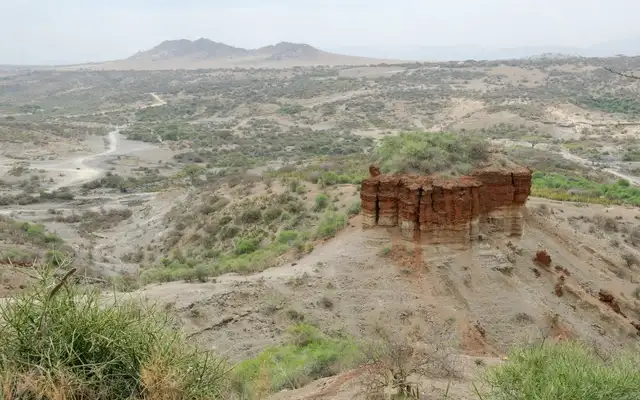
Olduvai Gorge is a significant site to visit on a Tanzania wildlife safari, especially for those on a wildlife safari either after or before your wildlife adventure. This pale anthropological locality provides valuable insights into early human evolution and is a must-visit for those interested in history and anthropology. The gorge, located within the Ngorongoro Conservation Area, offers a unique opportunity to learn about the development and social complexities of early hominins. The presence of stone tools and fossils provides evidence of the transition from hominids to the human clade. Visitors can explore the various layers of deposition in the gorge, each offering insights into different time periods and the species that inhabited the area. The Olduvai Gorge Museum provides educational exhibits related to the gorge and its long history, making it an informative and enriching experience for wildlife safari enthusiasts with an interest in human evolution.
Popular packages
Where is Olduvai Gorge Located?
Olduvai Gorge is located in northern Tanzania; in the eastern part of the Serengeti Plain the so called Ngorongoro. It is often referred to as the (Cradle of Mankind) due to the significant discoveries of early human fossils and tools that have been found there. The gorge is a steep-sided ravine about 30 miles long and 295 feet deep, and it is a crucial site for understanding human evolution.
Who were the key figures involved in the excavation and research programs at Olduvai Gorge?
The excavation and research programs at Olduvai Gorge were primarily led by the British/Kenyan paleoanthropologist-archaeologist team of Mary and Louis Leakey. Their work at the site achieved significant advances in human knowledge and is highly regarded worldwide. The Leakeys conducted multiple expeditions to the gorge, making key discoveries of hominin fossils and stone tools. Mary Leakey's classification of the Old man tools and their usage has been foundational in understanding early stone tool-making during the Pleistocene. The couple's findings included the skull of Zijanthropus or Australopithecus boisei, as well as the mandible that proved to be the type specimen for Homo habilis. Their work has provided valuable insights into the evolutionary history of early humans and has contributed to the understanding of cognitive capacities and social complexities in the earliest hominins. The Leakeys' contributions have solidified Olduvai Gorge's status as one of the most important paleoanthropological localities in the world.
What are some of the significant findings at Olduvai Gorge?
Some of the significant findings at Olduvai Gorge include the discovery of early human tools and fossils. The site has provided important evidence for the understanding of human evolution and the development of early human societies. One of the most famous discoveries at Olduvai Gorge is the 1.8 million-year-old skull of a hominin known as "Nutcracker Man" or Paranthropus boisei, which provided valuable insights into the diversity of early human species. Additionally, the gorge has yielded numerous stone tools, including the oldest known examples of Acheulean technology, which is characterized by the use of hand axes and cleavers. These findings have contributed to our understanding of the cognitive and technological capabilities of early humans. Overall, Olduvai Gorge has played a crucial role in shaping our understanding of human evolution and is considered one of the most important paleoanthropological sites in the world.
Things to see at Olduvai Gorge on Tanzania wildlife safari
Olduvai Gorge, located in Tanzania, is often referred to as the "Cradle of Mankind" due to its significant archaeological discoveries. Here are some of the things you can see at Olduvai Gorge:
The Laetoli Footprints: These are the earliest known evidence of bipedalism, dating back 3.6 million years. The footprints were preserved in volcanic ash and provide valuable insight into the way our early human ancestors walked.
Archaeological Sites: Olduvai Gorge is home to several archaeological sites where stone tools, fossilized remains, and other artifacts have been unearthed. These discoveries have contributed to our understanding of human evolution and early cultural development.
The Olduvai Museum: Visitors can explore the museum to learn more about the history of Olduvai Gorge and the groundbreaking discoveries made there. The museum features exhibits on early human ancestors, ancient tools, and the geological processes that shaped the landscape.
Scenic Views: In addition to its archaeological significance, Olduvai Gorge offers stunning views of the surrounding landscape. Visitors can take in the dramatic cliffs, expansive plains, and diverse wildlife that make this area a unique and captivating destination.
What other areas to visit near Olduvai Gorge on Tanzania wildlife safari
There are several other areas near Olduvai Gorge that are worth visiting for those interested in history, archaeology, and wildlife.
Ngorongoro Conservation Area is one of the most popular destinations is the nearby, which is home to the Ngorongoro Crater, a large volcanic caldera that is teeming with wildlife, including lions, elephants, and rhinos. The area is also known for its Masai villages, where visitors can learn about the traditional culture and way of life of the Masai people.
Serengeti National Park is another nearby attraction, which is famous for its annual migration of wildebeest and other animals. The park is also home to a wide variety of wildlife, including lions, leopards, elephants, and giraffes. Visitors can go on safari drives to see the animals up close and experience the beauty of the African savanna.
Laetoli site is also recommended for those interested in archaeology. This is where the famous Laetoli footprints were discovered, providing evidence of early hominids walking upright over 3.6 million years ago. The site also contains ancient hominid fossils and stone tools, offering a fascinating glimpse into our evolutionary past.
When is the best time for Tanzania wildlife safari and visit to Olduvai Gorge
The best time for a Tanzania wildlife safari and visit to Olduvai Gorge is during the dry season, which typically runs from late June to October. This is when the wildlife viewing is at its best as the animals gather around water sources, making them easier to spot. Additionally, the weather is generally cooler and more comfortable for outdoor activities during this time.
Why to book with Lamz Tours and Travel for Tanzania wildlife safari
When booking a Tanzania wildlife safari, it is important to choose a reputable and experienced tour operator. Lamz Tours and Travel offers expertly guided tours with a focus on conservation and responsible tourism. Lamz Tours and Travel provides an enriching and memorable safari experience while exploring the stunning landscapes and incredible wildlife of Tanzania.
Ready to plan your safari?
Talk to a Lamz Tours specialist and get a tailor-made quote.
Make an enquiry