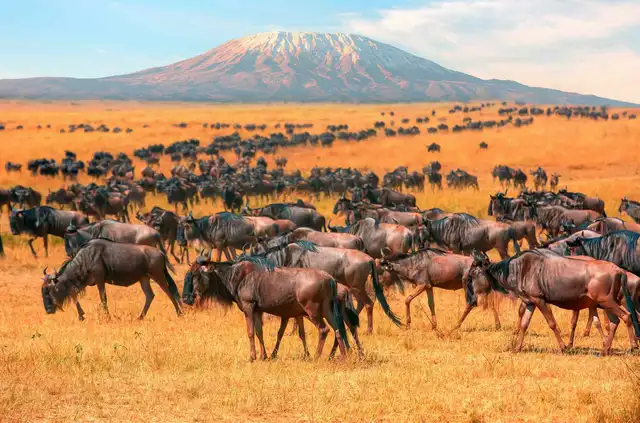
Why a Masai Mara national park safari is worth the money, highlighting the Great Migration, big cats, diverse wildlife, birdlife, culture, and night skies
A Masai Mara national park safari is one of Africa’s most rewarding wildlife experiences, offering travelers a chance to see nature at its most dramatic. The reserve is world-famous for the Great Migration, where millions of wildebeest, zebras, and gazelles move across the plains between July and October, creating unmatched safari action. Beyond migration season, the Mara remains rich in resident wildlife, including lions, elephants, buffalo, giraffes, and hippos, ensuring year-round game viewing. Birdwatchers also find paradise here, with hundreds of species adding color and variety. The open savannah landscapes provide excellent visibility and photography opportunities, while cultural visits to Maasai villages add depth to the adventure. Choosing a Masai Mara national park safari guarantees consistent value, diverse experiences, and memories that last a lifetime
Our Popular Kenya safari packages
Why Masai Mara National Park Safari Worth the Money
1. The Great Migration
The Great Migration is the highlight of a Masai Mara national park safari, drawing travelers from around the world between July and October. Over 1.5 million wildebeest, zebras, and gazelles move across the plains in search of grazing, creating one of nature’s most dramatic spectacles. The river crossings, where herds face crocodile-filled waters, are intense and unforgettable to witness. A Masai Mara national park safari during this season guarantees front-row access to one of the largest wildlife movements on Earth, making it a once-in-a-lifetime experience for those who value raw natural drama.
2. Unmatched Big Cat Density
A Masai Mara national park safari is renowned for its high density of big cats, offering consistent sightings of lions, cheetahs, and leopards. The open savannah makes it easier to watch these predators hunt, rest, or interact socially compared to other reserves. Visitors often see dramatic hunts unfold in real time, adding depth to the safari experience. Choosing a Masai Mara national park safari ensures strong chances of observing these powerful animals up close, making it one of the best destinations for predator-focused wildlife viewing.
3. Year-Round Wildlife Viewing
While the Great Migration is seasonal, a Masai Mara national park safari delivers excellent wildlife viewing throughout the year. Resident populations of elephants, buffalo, giraffes, hippos, and antelopes thrive in the reserve, ensuring rewarding game drives even outside migration months. Lions and other predators remain active year-round, making sightings reliable. A Masai Mara national park safari is therefore a worthwhile investment at any time, offering consistent wildlife action without needing to plan strictly around migration dates.
4. Diverse Wildlife and Birdlife
A Masai Mara national park safari is not limited to large mammals; it also offers diversity with over 95 animal species and 570 bird species. Rare animals like servals, honey badgers, and bat-eared foxes add variety, while birdwatchers enjoy species such as the lilac-breasted roller and secretary bird. Migratory birds enrich the ecosystem seasonally, making every visit unique. A Masai Mara national park safari caters to both big game lovers and birdwatchers, ensuring a broad and rewarding wildlife experience.
5. The Big Five
A Masai Mara national park safari offers strong chances of spotting the Big Five: lion, leopard, elephant, and buffalo. Rhinos are less common but can still be seen with experienced guides. Spotting four of the Big Five in a single trip is common, making the Mara one of Africa’s most reliable reserves for this classic safari goal. A Masai Mara national park safari ensures travelers achieve bucket-list sightings without needing to visit multiple destinations.
6. Cinematic Landscape
The setting of a Masai Mara national park safari is as memorable as the wildlife. Vast grasslands, dotted acacia trees, and expansive skies create a classic African backdrop. This landscape enhances photography opportunities and makes every sighting visually striking. A Masai Mara national park safari combines wildlife with a timeless environment, ensuring travelers leave with both memories and stunning images.
7. Photography Opportunities
A Masai Mara national park safari is a paradise for photographers thanks to abundant wildlife, open terrain, and excellent natural light. Off-road driving in certain areas allows closer shots, while sunrise and sunset provide dramatic backdrops. Hot air balloon safaris add aerial perspectives for panoramic photography. Choosing a Masai Mara national park safari ensures photographers capture professional-quality images without needing specialized equipment.
8. Natural Ecosystem
Much of the Masai Mara is unfenced, allowing wildlife to move freely across the reserve and conservancies. A Masai Mara national park safari offers a dynamic ecosystem where animals follow ancient migratory routes. It’s common to see elephants near camps or lions resting close to roads, creating a raw and natural safari experience. This freedom of movement makes a Masai Mara national park safari more authentic compared to heavily managed reserves.
9. Cultural Immersion
A Masai Mara national park safari includes opportunities to learn about the Maasai people, who live alongside wildlife. Visiting a Maasai village provides insight into traditional pastoral life, warrior culture, and conservation practices. This cultural dimension adds depth to the safari, making it more than just wildlife viewing. A Masai Mara national park safari therefore combines nature with human connection, enriching the overall experience.
10. Night Skies
A Masai Mara national park safari continues after sunset with clear, untouched night skies. With minimal light pollution, the Milky Way is visible in stunning detail. Listening to lions and hyenas while stargazing adds atmosphere to the safari. A Masai Mara national park safari offers both daytime wildlife action and peaceful nighttime experiences, making it worth the investment for travelers seeking variety.
Best time to visit for a Masai Mara national park safari
The best time to visit for a Masai Mara national park safari is during the dry season from July to October, when the Great Migration takes place. This period offers dramatic wildlife viewing as millions of wildebeest, zebras, and gazelles cross the plains and rivers, attracting predators and creating intense safari action. Clear skies and shorter grass make sightings easier, and lodges fill quickly, so early booking is essential. For travelers seeking fewer crowds and lower costs, January to February and November to December are excellent alternatives, with resident wildlife concentrated around water sources and predator activity remaining strong. Choosing either peak migration months or quieter dry seasons ensures your Masai Mara national park safari delivers consistent value and memorable wildlife experiences
How to get there for Masai Mara national park safari
Getting to the Masai Mara national park safari usually begins in Nairobi, Kenya’s capital. Most international travelers arrive at Jomo Kenyatta International Airport, then transfer to Wilson Airport for domestic flights to airstrips inside the reserve such as Keekorok, Ol Kiombo, or Musiara. These flights take about 45 minutes and save time compared to road travel. For those preferring ground transfers, safari operators provide 4x4 vehicles for the five to six-hour drive from Nairobi, which also offers views of the Great Rift Valley along the way. Both options are reliable, but flying is faster while driving is more budget-friendly. Choosing the right transfer ensures your Masai Mara national park safari starts smoothly and matches your schedule and budget.
Where to stay during Masai Mara national park safari
During a Masai Mara national park safari, accommodation options range from luxury lodges to budget-friendly campsites, ensuring every traveler finds a suitable choice. Luxury lodges such as Mara Serena Safari Lodge or Angama Mara provide comfort, panoramic views, and tailored services, ideal for those seeking exclusivity. Mid-range tented camps like Fig Tree Camp or Sarova Mara Game Camp balance affordability with convenience, offering comfortable stays close to wildlife action. For budget travelers, public campsites inside or near the reserve cost far less and allow you to stay close to nature, though facilities are basic. Choosing accommodation inside or near the reserve reduces travel time and maximizes early morning and evening game drives, making your Masai Mara national park safari both practical and rewarding
Booking Masai Mara national park safari with Lamz Tours and Travel
Booking a Masai Mara national park safari with Lamz Tours and Travel ensures a well-organized and value-driven experience tailored to your preferences. Lamz Tours and Travel specializes in creating packages that cover essentials such as transport in 4x4 vehicles, professional guides, park entry fees, meals, and accommodation options ranging from budget campsites to luxury lodges. Our itineraries are designed to maximize wildlife viewing opportunities, including the Great Migration and year-round resident species. By booking through Lamz Tours and Travel, you benefit from transparent pricing, reliable logistics, and a commitment to responsible tourism that supports conservation and local communities. This makes your Masai Mara national park safari not only affordable and convenient but also meaningful, with expert planning that guarantees a smooth and rewarding adventure.
Ready to plan your safari?
Talk to a Lamz Tours specialist and get a tailor-made quote.
Make an enquiry