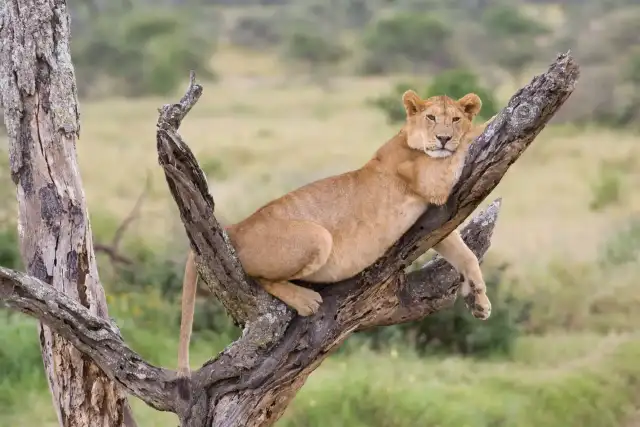
Lake Manyara offers tree-climbing lions, flamingos, diverse birdlife, and year-round wildlife, making it a must-visit stop for safaris in Tanzania.
Lake Manyara is a compact yet diverse park that makes safaris in Tanzania rewarding for both short and extended itineraries. Famous for tree-climbing lions, large elephant herds, and thousands of flamingos along its alkaline lake, it offers wildlife experiences that are distinct from Serengeti or Ngorongoro. The park’s mix of habitats groundwater forests, grasslands, and acacia woodlands ensures variety in every game drive, while baboon troops and over 400 bird species add constant activity. Its quieter atmosphere compared to northern parks makes it appealing for travelers seeking intimacy, and its location just two hours from Arusha makes it perfect for day trips or short safaris in Tanzania
Best Tanzania safari packages
2-days-fly-in-serengeti-safari-in-tanzania
2-days-tarangire-national-park-and-ngorongoro-crater-safari
3-days-tanzania-safari-in-serengeti-national-park
3-days-tanzania-wildlife-safari
4-days-epic-tanzania-wildlife-and-culture-safari
5-day-kenya-and-tanzania-safari
5-days-circuit-wildlife-safari-in-tanzania
6-days-ndutu-migration-safari-calving-season
8-day-serengeti-ngorongoro-crater-and-zanzibar
8-days-wildlife-and-beach-holiday-tanzania
8-days-wildlife-safari-tanzania
9-days-zanzibar-and-wildlife-safari
10-days-uganda-and-tanzania-safari-gorillas-chimpanzees-and-wildlife
Why Lake Manyara is a Must Visit for Safaris in Tanzania
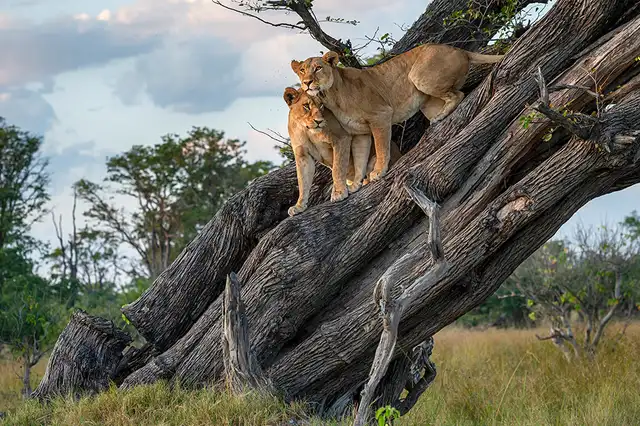
Famous Tree-Climbing Lions
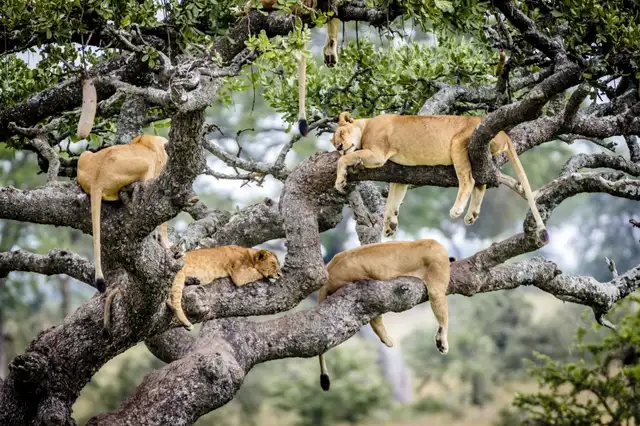
Lake Manyara is one of the rare places where lions are regularly seen resting on acacia tree branches, a behavior not common in other parks. This unique sight adds a special highlight to safaris in Tanzania, as visitors can watch big cats in a completely different setting compared to the ground-based sightings in Serengeti or Ngorongoro. The tree-climbing lions of Manyara have become a signature attraction, drawing travelers who want to experience something distinct. For those planning safaris in Tanzania, this park offers a chance to see wildlife behavior that is both unusual and fascinating, making it a valuable addition to any itinerary.
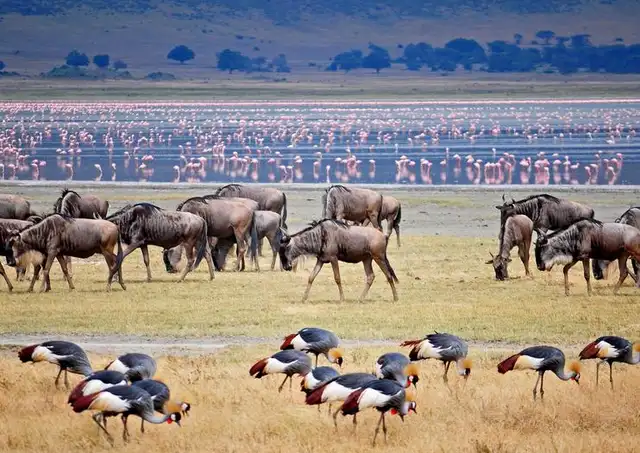
Spectacular Flamingo Sightings
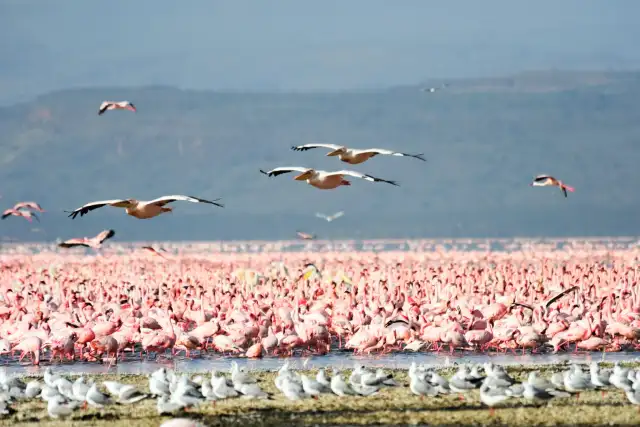
The alkaline shores of Lake Manyara attract thousands of pink flamingos, creating a striking contrast against the lake’s waters. This seasonal spectacle is one of the most photographed scenes during safaris in Tanzania, offering travelers a colorful and memorable wildlife display. The sight of flamingos feeding and moving in synchronized patterns across the lake is both calming and impressive. For bird lovers and photographers, this is a highlight that adds variety to the safari experience. Including Lake Manyara in safaris in Tanzania ensures visitors enjoy not only large mammals but also vibrant birdlife that enriches the overall adventure.
Diverse Birdlife with Over 400 Species
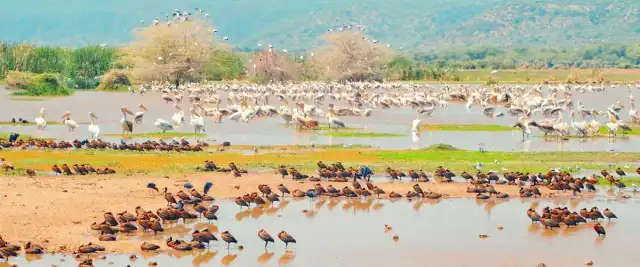
Lake Manyara is a paradise for birdwatchers, with more than 400 species recorded. Beyond flamingos, visitors can spot pelicans, storks, hammerkops, and African fish eagles. This diversity makes the park one of the best birding destinations during safaris in Tanzania. The permanent water sources and varied habitats support both resident and migratory species, ensuring sightings throughout the year. For travelers who want more than just big game, Manyara provides a balanced safari experience. Safaris in Tanzania that include this park give birdwatchers and general visitors alike a chance to appreciate the richness of avian life alongside mammals.
Groundwater Forest Experience
Lake Manyara is unique for its dense groundwater forest, filled with towering fig and mahogany trees. Driving through this jungle-like area feels different from the open plains of other parks, offering shade and a cooler environment. Blue monkeys, baboons, and other forest species thrive here, adding variety to safaris in Tanzania. This habitat contrasts sharply with the grasslands and acacia woodlands found elsewhere, making Manyara stand out. Safaris in Tanzania that include this park allow travelers to enjoy both forest and savanna wildlife in one compact area, maximizing diversity without requiring long drives between ecosystems.
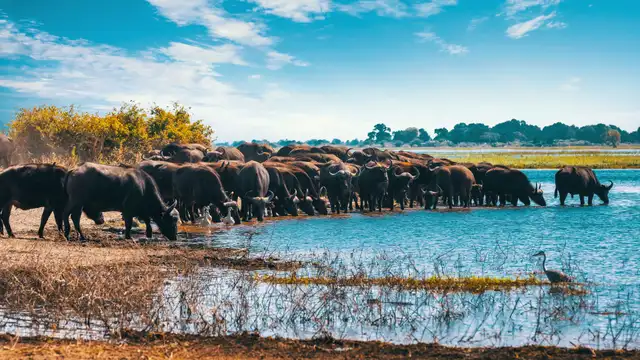
Large Elephant and Buffalo Herds
Lake Manyara is home to dense populations of elephants and buffaloes, often seen near the lake or moving through the forest. These herds are a major draw for safaris in Tanzania, as they provide reliable sightings of two of Africa’s most iconic animals. Watching elephants feed among the trees or buffaloes gather in large numbers adds depth to the safari experience. Safaris in Tanzania that include Manyara benefit from the park’s permanent water sources, which ensure these animals remain visible year-round. For travelers seeking close views of large mammals, Manyara delivers consistently.
Stunning Scenic Variety
Within a relatively small area, Lake Manyara offers a wide range of landscapes: groundwater forests, open grasslands, acacia woodlands, and the dramatic Rift Valley escarpment. This variety makes safaris in Tanzania more rewarding, as visitors can experience multiple ecosystems in a single day. The changing scenery keeps game drives engaging and ensures diverse wildlife sightings. Safaris in Tanzania that include Manyara provide travelers with a compact yet rich safari experience, where every turn reveals a new backdrop and fresh wildlife opportunities. This mix of habitats is one of the park’s strongest advantages.
Year-Round Game Viewing
Unlike some parks that depend heavily on seasonal migrations, Lake Manyara offers reliable wildlife sightings throughout the year. Permanent water sources sustain animals even during dry months, making it a dependable stop for safaris in Tanzania. Visitors can expect to see elephants, buffaloes, baboons, and birdlife regardless of timing. Safaris in Tanzania that include Manyara benefit from this consistency, allowing travelers flexibility in planning without worrying about missing key wildlife. For those with limited time, the park’s year-round appeal ensures value in every visit.
Close Encounters with Baboons
Olive baboons are abundant in Lake Manyara, often seen grooming, playing, or crossing roads right in front of vehicles. Their social behavior provides entertaining moments during safaris in Tanzania, especially for families and photographers. Watching baboon troops interact adds a lively dimension to the safari experience. Safaris in Tanzania that include Manyara guarantee these close encounters, as baboons are among the most visible species in the park. Their presence makes game drives dynamic and engaging, offering travelers more than just passive wildlife viewing.
Less Crowded than Northern Parks
Compared to Serengeti or Ngorongoro, Lake Manyara is quieter and less crowded, offering a more intimate safari experience. This makes it appealing for travelers who prefer fewer vehicles and a calmer atmosphere during safaris in Tanzania. The reduced traffic allows for longer, uninterrupted wildlife viewing and a stronger connection with nature. Safaris in Tanzania that include Manyara provide this balance, giving visitors a chance to enjoy wildlife without the pressure of large tourist numbers. For those seeking peace, Manyara is a practical choice.
Perfect for a Day Trip or Short Safari
Lake Manyara’s location just two hours from Arusha makes it ideal for short visits. Travelers heading to Ngorongoro or Serengeti can easily include it without long detours. This convenience makes it perfect for day trips or brief safaris in Tanzania, especially for those with limited schedules. Safaris in Tanzania that feature Manyara allow visitors to maximize their time, enjoying diverse wildlife and landscapes in a compact setting. Its accessibility ensures that even short safaris deliver meaningful experiences, making it a must-visit stop.
What is the best time of year to visit Lake Manyara for Safaris in Tanzania
Dry Season from June – October
The dry season is widely considered the prime time for safaris in Tanzania at Lake Manyara. With little rainfall, vegetation thins out, making it easier to spot elephants, buffaloes, lions, and other large mammals. Wildlife tends to concentrate around the lake and permanent waterholes, ensuring reliable sightings. Clear skies and cooler temperatures also make game drives more comfortable. This period is excellent for photography, as lighting conditions are favorable and animals are more visible. Since June to October is peak safari season, expect higher visitor numbers and lodge rates, but the quality of wildlife viewing makes it worthwhile.
Wet Season (November – May)
The wet season transforms Lake Manyara into a green paradise, with waterfalls cascading down the Rift Valley escarpment and vibrant vegetation across the park. This is the best time for birdwatching, as migratory species, including flamingos, arrive in large numbers. Safaris in Tanzania during this period are less crowded, and accommodation rates are generally lower, especially in April and May, which are considered low season. While heavy rains in March and April can make roads muddy and wildlife harder to spot, the lush scenery and abundance of birdlife provide a rewarding alternative to the dry season. Travelers seeking tranquility and diverse experiences often find this period appealing
How do travelers get to Lake Manyara for safaris in Tanzania
By Road
Most travelers begin their safaris in Tanzania from Arusha, the main hub for the northern circuit. Lake Manyara lies about 125 km west of Arusha, and the drive takes roughly 2 hours along a paved road passing Makuyuni and the vibrant town of Mto wa Mbu. This route is straightforward and suitable for safari vehicles, private cars, or tour operator transfers. The road offers scenic views of the Great Rift Valley escarpment and easy access to nearby parks like Tarangire and Ngorongoro. Safaris in Tanzania often combine these destinations, making Lake Manyara a convenient stop. Road travel is cost-effective, reliable, and allows flexibility for day trips or multi-park itineraries.
By Air
For travelers seeking speed or connecting from other safari destinations, flights are available. International visitors typically arrive at Kilimanjaro International Airport (JRO), located about 190 km from Lake Manyara, with a transfer time of just over 3 hours by road. Domestic flights also operate from Dar es Salaam or Zanzibar into Arusha Airport, with onward road transfers to the park. Additionally, charter flights can land directly at Lake Manyara Airport (LKY), located about 16 km from the park gate, reducing travel time significantly. Safaris in Tanzania often include these charter flights when combining Lake Manyara with Serengeti or Ngorongoro, offering convenience for travelers with tight schedules or those preferring less road travel.
Best activities to enjoy at Lake Manyara during safaris in Tanzania

Lake Manyara offers a mix of activities that make safaris in Tanzania both diverse and rewarding. Game drives remain the highlight, giving travelers access to tree-climbing lions, elephants, buffaloes, and large baboon troops, all within a compact park. Birdwatching adds another layer, with flamingos and over 400 other species creating constant interest for nature lovers. Cultural visits to nearby Mto wa Mbu complement the wildlife experience, allowing travelers to connect with local communities, taste traditional foods, and learn about farming practices. Safaris in Tanzania that include Manyara benefit from this blend of wildlife and culture, ensuring visitors enjoy more than just animal sightings.
Nature walks and canoeing, when water levels permit, provide a closer look at the park’s ecosystems. Walking safaris highlight smaller details like plants, insects, and animal tracks, while canoeing offers unique perspectives of flamingos and hippos from the water. These activities break the routine of vehicle-based drives, making safaris in Tanzania more engaging and varied. Combined with the park’s scenic diversity forests, grasslands, and the Rift Valley escarpment Lake Manyara delivers a compact yet rich safari experience. Safaris in Tanzania that include these activities ensure travelers leave with a deeper appreciation of both wildlife and landscapes, making the park a valuable addition to any itinerary
Best tips for best safaris in Tanzania Lake Manyara
For the best safaris in Tanzania at Lake Manyara, plan with flexibility and focus on variety. Combine game drives with birdwatching, cultural visits in Mto wa Mbu, and short nature walks to maximize value in a compact park. Travel during the dry season (June–October) for easier wildlife viewing, but consider the wet season (November–May) if birdlife and fewer crowds appeal to you. Always use experienced guides, as they know where to find tree-climbing lions, elephant herds, and flamingo flocks. Safaris in Tanzania that include Lake Manyara benefit from its accessibility just two hours from Arusha making it perfect for a day trip or as part of a longer northern circuit itinerary. This balance of convenience, diversity, and year-round sightings makes it a must-visit
What to pack for safaris in Tanzania Lake Manyara
When preparing for safaris in Tanzania at Lake Manyara, pack practical items that balance comfort, protection, and readiness for varied conditions. Neutral-colored clothing such as khaki or olive helps blend into the environment and avoids attracting insects. A wide-brim hat, sunglasses, and sunscreen are essential for sun protection, while a light jacket or fleece is useful for cool mornings and evenings. Sturdy walking shoes are important for game drives and short walks, and sandals can be handy around lodges. Binoculars and a good camera with extra batteries or memory cards ensure you capture flamingos, tree-climbing lions, and elephants. Don’t forget insect repellent, reusable water bottles, personal medications, and travel documents. Safaris in Tanzania at Lake Manyara are more rewarding when travelers pack smart and stay prepared
Best places to stay in for safaris in Tanzania Lake Manyara
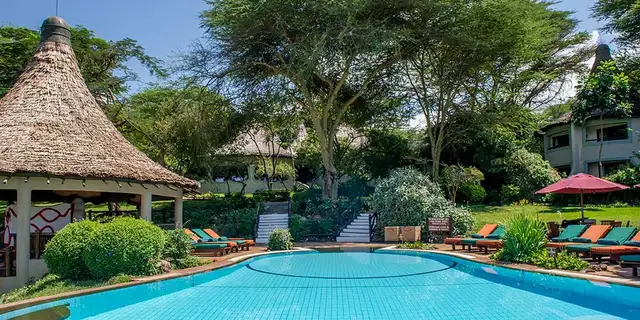
For safaris in Tanzania at Lake Manyara, travelers have a range of accommodation options that suit different budgets and preferences. Inside the park, lodges such as Lake Manyara Tree Lodge offer luxury stays with close access to wildlife and forest settings. Just outside the park, choices like Lake Manyara Serena Safari Lodge and Escarpment Luxury Lodge provide stunning views of the Rift Valley escarpment and the lake itself. Budget-friendly options are also available in nearby Mto wa Mbu, where guesthouses and tented camps cater to travelers seeking affordability without sacrificing convenience. Safaris in Tanzania that include Lake Manyara benefit from this variety, allowing visitors to choose between high-end comfort, mid-range lodges, or simple camps, all within easy reach of the park’s attractions
Booking safaris in Tanzania Lake Manyara with Lamz Tours and Travel
Booking safaris in Tanzania at Lake Manyara with Lamz Tours and Travel ensures travelers enjoy a well-organized, value-driven experience tailored to their needs. As a trusted local operator, Lamz Tours and Travel provides professional guides who know the park’s diverse habitats, from groundwater forests to acacia woodlands and the soda lake itself. Travelers benefit from customized itineraries that highlight Lake Manyara’s famous tree-climbing lions, large elephant herds, and spectacular flamingo sightings. Safaris in Tanzania arranged through Lamz Tours and Travel also include flexible options such as day trips or multi-park circuits combining Manyara with Serengeti and Ngorongoro. With attention to detail, reliable logistics, and a commitment to conservation and community support, Lamz Tours and Travel makes Lake Manyara a seamless addition to any safari plan
Ready to plan your safari?
Talk to a Lamz Tours specialist and get a tailor-made quote.
Make an enquiry