Kilimanjaro climbing tour offers Africa’s highest peak, diverse climate zones, sunrise views, cultural depth, and affordable high‑altitude adventure
Wondering why a Kilimanjaro climbing tour is considered Africa’s top hiking adventure? Standing at 5,895 meters, Mount Kilimanjaro offers a rare chance to reach the continent’s highest peak without technical climbing gear. A Kilimanjaro climbing tour is accessible to fit hikers, combining altitude challenge with diverse experiences. Over 5–9 days, trekkers move through rainforest, heath, alpine desert, and arctic summit zones, each offering unique scenery and wildlife. Sunrise at Uhuru Peak reveals glaciers and sweeping views of the African plains, making the effort worthwhile. With seven different routes, affordable costs compared to other global peaks, and strong support from guides and porters, Kilimanjaro remains practical yet rewarding. Add cultural interactions with the Chagga people, and it becomes more than a climb it’s a complete African adventure.
Best Kilimanjaro safari packages
5-days-mount-kilimanjaro-marangu-route
6-days-mount-kilimanjaro-machame-route
7-day-climbing-kilimanjaro-via-the-machame-route
8-days-kilimanjaro-climbing-safari-lemosho-route-mount
9-days-kilimanjaro-climb-lemosho-route
12-days-mount-kilimanjaro-climb-and-tanzania-safari-tour
4-days-tanzania-birding-safari-to-lake-manyara-national-park
5-days-birding-tour-in-tanzania
Why Kilimanjaro Climbing Tour is the Top Hiking Adventure in Africa
Highest peak in Africa, Standing at 5,895m (19,341ft)
Summiting Uhuru Peak during a Kilimanjaro climbing tour is a rare achievement, as it is Africa’s highest point at 5,895 meters. A Kilimanjaro climbing tour allows fit hikers to reach the continent’s roof without technical climbing skills, making it accessible compared to other global peaks. The altitude ensures panoramic views of glaciers and plains, rewarding those who prepare well. Standing at the summit is not only about height but also about completing a personal challenge that remains within reach for many travelers.
No technical gear needed
Unlike Everest or other high peaks, a Kilimanjaro climbing tour is a trek rather than a technical climb. A Kilimanjaro climbing tour requires fitness and determination but not ropes, crampons, or ice axes. This makes it possible for hikers with basic preparation to achieve a high‑altitude summit. The accessibility of the mountain is one of its strongest appeals, opening the experience to a wider audience. With guides and porters supporting logistics, the trek remains safe and achievable for most.
Diverse climate zones during hiking
A Kilimanjaro climbing tour takes hikers through rainforest, heath, alpine desert, and arctic summit zones in just 5–9 days. A Kilimanjaro climbing tour offers a vertical journey across climates, showing how altitude shapes ecosystems. Each day brings new scenery, from forests alive with monkeys to barren alpine landscapes. Experiencing four distinct zones in under a week makes the trek unique and educational. This diversity adds depth to the adventure, ensuring hikers see more than just a mountain climb.
Stunning sunrise at Uhuru Peak
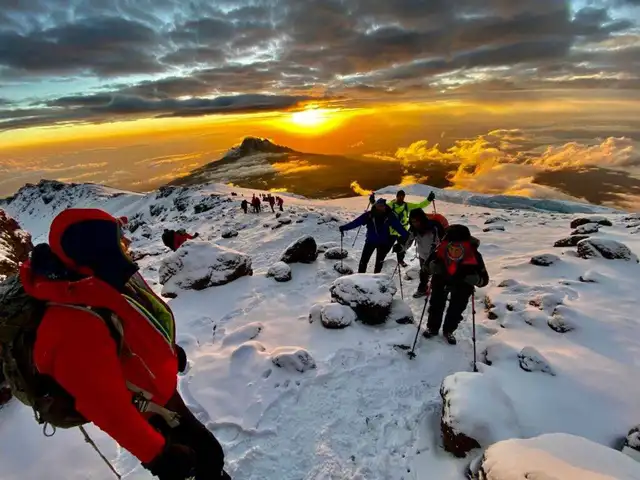
Watching sunrise at Uhuru Peak is a highlight of any Kilimanjaro climbing tour. A Kilimanjaro climbing tour ensures trekkers reach the summit at dawn, when glaciers reflect morning light and the African plains stretch endlessly below. The timing of summit day is designed to maximize this experience, making the view both practical and memorable. Standing above the clouds at sunrise is a reward that stays with hikers long after the trek is complete.
Multiple scenic routes
There are seven main routes for a Kilimanjaro climbing tour, including Machame, Lemosho, and Rongai. A Kilimanjaro climbing tour offers varied paths with different difficulty levels and scenery, allowing travelers to choose based on fitness and preference. Machame is popular for its balance of challenge and beauty, while Lemosho provides longer acclimatization. Rongai is quieter and less crowded. Choosing the right route improves success rates and ensures a tailored experience for each hiker.
Rich wildlife
On the lower slopes of a Kilimanjaro climbing tour, trekkers may see colobus monkeys, elephants, and unique bird species. A Kilimanjaro climbing tour highlights mountain ecosystems, adding variety to the trek. The rainforest zone is alive with primates and colorful birds, while higher zones focus on stark landscapes. Wildlife sightings enrich the hiking experience, making the trek more than just reaching the summit. This combination of nature and altitude makes Kilimanjaro distinctive.
Affordable world-class trek
Compared to Everest or Aconcagua, a Kilimanjaro climbing tour is more affordable while still offering high‑altitude adventure. A Kilimanjaro climbing tour provides value for money, with costs varying by route and operator but remaining lower than other global peaks. This affordability makes Kilimanjaro accessible to a wider range of travelers. It allows hikers to achieve a major mountain goal without excessive spending, making it practical for those seeking adventure on a budget.
Well-supported infrastructure
A Kilimanjaro climbing tour benefits from experienced guides, porters, and established camping or hut systems. A Kilimanjaro climbing tour ensures logistics are well organized, with crews carrying supplies and setting up camps. This infrastructure makes the trek reliable and achievable for most hikers. Support teams provide safety, guidance, and encouragement, allowing trekkers to focus on the climb itself. The presence of trained staff reduces risks and increases success rates.
Minimal altitude sickness risk with proper acclimatization
Routes like Lemosho on a Kilimanjaro climbing tour include “climb high, sleep low” days to reduce altitude sickness. A Kilimanjaro climbing tour with gradual ascents and rest days improves success rates and safety. Proper acclimatization ensures hikers adjust to altitude while minimizing risks. Guides monitor health and adjust pace as needed, making the trek safer. With careful planning, most hikers can reach the summit without serious issues.
Cultural experience
A Kilimanjaro climbing tour also offers cultural depth through interactions with the Chagga people and Tanzanian crews. A Kilimanjaro climbing tour emphasizes hospitality, with guides and porters sharing traditions, songs, and stories. This human connection adds meaning to the trek, making it more than just a physical challenge. Travelers gain insight into local life, food, and customs, enriching the overall experience. Culture and mountain combine to create a balanced adventure
Best time to go for Kilimanjaro climbing tour
The best time to go for a Kilimanjaro climbing tour is during the dry seasons, which run from January to early March and June to October. These months provide stable weather, clear skies, and safer trekking conditions. A Kilimanjaro climbing tour during these periods ensures dry trails, comfortable daytime temperatures, and reduced risks of heavy rainfall. Wildlife is also more visible on the lower slopes, adding interest to the trek. January to March offers quieter trails with colder summit conditions, while June to October is the most popular season, coinciding with global holidays. Both windows maximize summit success rates and provide reliable conditions for hikers.
For those seeking fewer crowds, May and June are excellent months for a Kilimanjaro climbing tour, offering pleasant temperatures and less traffic on the trails. A Kilimanjaro climbing tour in September is often considered ideal, balancing good weather with slightly fewer climbers compared to July and August. November to December and April are wetter months, making trails slippery and reducing visibility, so they are less recommended. Choosing the right season depends on personal preference for solitude or social atmosphere, but the dry months remain the most practical and rewarding times to climb
What to carry for Kilimanjaro climbing tour
For a Kilimanjaro climbing tour, packing smart ensures comfort, safety, and success across the mountain’s five climate zones. Carry layered clothing: moisture‑wicking base layers, insulating fleece or down jackets, and a waterproof shell to adapt to shifting temperatures. Sturdy, broken‑in hiking boots with gaiters are essential, along with warm gloves, hats, and summit socks. A four‑season sleeping bag, trekking poles, and a reliable headlamp with spare batteries are must‑haves. Hydration gear like bottles or a bladder, purification tablets, sunscreen, lip balm, and energy snacks keep you strong. A compact first‑aid kit with blister plasters and personal medications is vital. Binoculars and a camera add value on the trek. A duffel bag for porters and a daypack for personal items complete your Kilimanjaro climbing tour essentials.
Booking Kilimanjaro climbing tour with Lamz Tours and Travel
Booking a Kilimanjaro climbing tour with Lamz Tours and Travel ensures that every detail of your trek is handled professionally, from permits and guides to porters and accommodation. A Kilimanjaro climbing tour with Lamz Tours and Travel gives you peace of mind by providing experienced support teams who focus on safety, acclimatization, and personalized service. The company organizes logistics such as meals, camping gear, and transfers, allowing you to concentrate on the climb itself. Transparent pricing and clear itineraries help you plan realistically, while expert advice on routes, packing, and health preparation maximizes your chances of reaching Uhuru Peak. Choosing Lamz Tours and Travel also supports responsible tourism, as the team emphasizes conservation and community benefits, making your climb both rewarding and impactful.
Ready to plan your safari?
Talk to a Lamz Tours specialist and get a tailor-made quote.
Make an enquiry