See why cultural visits matter on your Safari in Uganda from ancient rock paintings to royal tombs and living tribal traditions.
A Safari in Uganda is often synonymous with the dense, misty forests of the southwest or the sprawling, golden savannas of the north. Most travellers arrive with the singular goal of ticking off the Big Five or spending a precious hour with the mountain gorillas. However, to focus only on the wildlife is to see only half of the picture. Uganda is a country defined by its people a patchwork of over fifty tribes, several ancient kingdoms, and a history that stretches from prehistoric rock art to the living traditions of royal courts. When you choose to add cultural visits to your itinerary on a Safari in Uganda, you are choosing to see the soul of the nation.
Why Cultural Visits Matter on Your Safari in Uganda
1. The Chance to Explore the Ancient Nyero Rock Paintings in Kumi
One compelling reason to head east on your Safari in Uganda is the Nyero Rock Paintings in Kumi district. These three rock shelters house some of the most important prehistoric art in East Africa, estimated to be between 3,000 and 12,000 years old. You see concentric circles, acacia-like trees, and sketches of canoes painted in red and white pigments. Local guides share folklore of the Iteso people, who consider these rocks sacred on a Safari in Uganda.
2. A Visit to the Royal Kasubi Tombs of the Buganda Kingdom
The Kasubi Tombs are the spiritual and political heart of the Buganda Kingdom on a Safari in Uganda. This UNESCO site offers a chance to see traditional Ganda architecture. The main building, Muzibu Azaalampanga, is a massive circular dome built from organic materials. It serves as the burial ground for four former kings. The interior is draped with bark cloth, an ancient textile made from the Mutuba tree on a Safari in Uganda.
Popular Uganda Tour Packages
3. Exploring the Tribal Royal Tombs of the Tooro Kingdom
In Fort Portal, the Karambi Royal Tombs offer a reason to pause on your Safari in Uganda. These tombs are the final resting place for three Tooro kings. Unlike the thatched style of central Uganda, these tombs are housed in stone chapels, reflecting a blend of traditional and colonial influences. The site is maintained by caretakers who share factual stories about the kingdom's history and its split from the Bunyoro Empire on a Safari in Uganda.
4. Walking the Ancient Batwa Trail in the Shadows of the Gorillas
If your Safari in Uganda includes gorilla trekking in Mgahinga, add the Batwa Trail. This is your chance to see the forest through the eyes of its original inhabitants, the Batwa pygmies. Elders demonstrate how they made fire, tracked animals, and used over 100 plants for medicine. The highlight is the descent into the Garama Cave, where Batwa perform traditional songs echoing off stone walls on a Safari in Uganda.
5. Seeing the Living Traditions of the Karamojong Manyattas
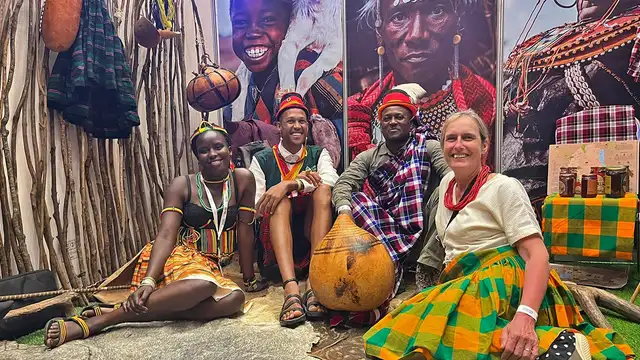
A Safari in Uganda that ventures into Kidepo offers a rare chance to visit a Karamojong Manyatta. These fortified settlements enclose dome-shaped huts made from mud and cow dung. You learn about the age-set system governing their society. You can watch traditional high-jumping dances and see intricate beadwork signifying status. Engaging with them provides a factual understanding of how people adapt to semi-arid environments on a Safari in Uganda.
6. Discovering the History of the Bunyoro Kingdom at Mparo Tombs
In Hoima, the Mparo Tombs provide a vital historical stop on your Safari in Uganda. This is the burial site of Omukama Kabalega, remembered for his fierce resistance against British colonial expansion. You see his royal spears, shields, and the Abarusura army regalia. Local guides explain rituals involved in royal burials and the significance of the sacred fire kept burning at the site on a Safari in Uganda.
7. Standing at the Source of the Nile and the Gandhi Monument
Jinja offers a site of great cultural significance on your Safari in Uganda. You stand at the exact point where the Nile leaves Lake Victoria. Nearby, a monument dedicated to Mahatma Gandhi marks where his ashes were scattered in the Nile. You can take a boat ride to the spot where water bubbles up, marking the river's birth. The area is home to the Busoga people, whose traditional fishing methods you can learn on a Safari in Uganda.
Best Time to Add Cultural Visits to Your Safari in Uganda
The dry seasons from June to September and December to February are best for cultural visits on a Safari in Uganda. Dirt roads to remote sites are dry and easy to drive. Dry weather makes walking tours more comfortable. If you want to see specific seasonal festivals, check the local calendar. Generally, the dry season offers a smooth and enjoyable cultural journey on a Safari in Uganda.
How to Reach the Cultural Sites on Your Safari in Uganda
Most central heritage sites are easy to reach from Kampala on a Safari in Uganda. Western sites are along the main highway to national parks. Your tour operator uses a 4x4 vehicle, necessary for reaching remote landmarks. You can easily stop at Nakayima Tree or Igongo as you travel between parks. Driving allows you to see small towns and markets full of local life on a Safari in Uganda.
Things to Do to Make Your Safari in Uganda Better
Engage with local site-specific guides on your Safari in Uganda. They are keepers of oral history and provide factual details. Take time to try local food and watch traditional performances. Participating in a craft workshop or cooking lesson gives you personal skills and deeper connection. These small activities turn a passive visit into an active and memorable part of your Safari in Uganda.
What to Carry for Your Cultural Experiences on Safari in Uganda
Wear modest clothing when visiting royal tombs or shrines on a Safari in Uganda. Good walking shoes are essential for rocky sites or forest trails. Carry a hat and sun cream for outdoor landmarks. Have local currency for site fees and artisans. Always ask permission before taking photos of people to ensure your Safari in Uganda remains respectful.
Where to Stay Near the Cultural Sites on Safari in Uganda
In Fort Portal and Mbarara, hotels are close to royal palaces and museums on a Safari in Uganda. Near national parks, lodges offer cultural evenings with traditional music and storytelling. Choosing these lodges supports the local economy and keeps you immersed in local atmosphere. This makes every moment of your Safari in Uganda count.
Health and Safety Tips for Cultural Visits on Safari in Uganda
Most cultural sites are safe to visit on a Safari in Uganda. Always be with a professional guide who knows the local area. Drink only bottled or purified water. Protect yourself from the sun. Keep belongings secure in busy areas. Follow your tour operator's advice on vaccinations and malaria prevention. Politeness and respect ensure friendly encounters on your Safari in Uganda.
Why Book with Lamz Tours and Travel for a Cultural Safari in Uganda
We believe the best way to see Uganda is to see its people on a Safari in Uganda. We create deep cultural journeys showing you the real Uganda. Our guides are passionate about sharing factual stories of our kings, heroes, and traditions. We have built strong bonds with local communities to ensure authenticity and respect. We personalize your itinerary for a meaningful Safari in Uganda.
Beyond Cultural Visits on a Safari in Uganda
Beyond cultural visits, Lamz Tours and Travel organises trips across South Africa, Kenya, Tanzania, Morocco, Rwanda, Malawi and other African destinations.
Ready to plan your safari?
Talk to a Lamz Tours specialist and get a tailor-made quote.
Make an enquiry