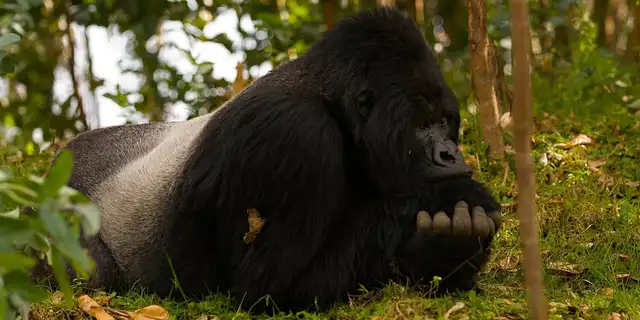
Why are Bwindi safaris unmissable? Bwindi safaris are unmissable for travelers seeking an extraordinary wildlife adventure in Uganda's lush rainforest. In the southwestern corner of Uganda, Bwindi Impenetrable National Park stands as one of the best places to see gorillas in Africa. This is a UNESCO World Heritage Site and is renowned for its diverse wildlife species, lush vegetation, and captivating landscapes, offering visitors a truly immersive and unforgettable safari experience.
Bwindi Impenetrable National Park, experiences a tropical rainforest climate characterized by relatively stable temperatures and significant rainfall throughout the year. The average annual rainfall in Bwindi ranges from 1,500 to 2,500 millimeters, with the wettest months typically occurring from March to May and from September to November.
While the wet seasons can bring muddy and slippery conditions to the park's trails, they also offer a prime opportunity for visitors to witness the forest in its full splendor, with vibrant foliage and blooming flowers adding to the park's natural beauty. The dry seasons, from June to August and December to February, provide ideal trekking conditions for gorilla tracking and other wildlife viewing activities, with clearer skies and cooler temperatures enhancing the safari experience in Bwindi.
These rainy seasons bring lush greenery to the park, creating a vibrant and thriving ecosystem that supports a diverse array of plant and animal species. Despite the high rainfall levels, Bwindi's temperatures remain moderate, with average annual temperatures ranging from 7 to 20oC.
Wildlife species in Bwindi Impenetrable National Park
One of the main attractions of Bwindi Impenetrable National Park is its population of endangered mountain gorillas. Home to approximately half of the world's remaining mountain gorilla population, Bwindi provides a rare opportunity for visitors to observe these majestic creatures in their natural habitat. Trekking through the dense forest in search of gorilla families is a once-in-a-lifetime experience that allows for up-close encounters with these gentle giants.
In addition to mountain gorillas, Bwindi is also home to a variety of other primate species, including chimpanzees, black-and-white colobus monkeys, and L'Hoest's monkeys. The park's rich biodiversity extends to its birdlife, with over 350 bird species recorded within its boundaries, including the elusive African green broadbill and the vibrant turaco.
Vegetation in Bwindi Impenetrable National Park
As its name suggests, Bwindi Impenetrable National Park is characterized by its dense, impenetrable forest cover. The park is part of the larger Bwindi Impenetrable Forest, which is one of the oldest and most biologically diverse forests in Africa. The lush vegetation of Bwindi provides a vital habitat for a wide range of plant and animal species, creating a thriving ecosystem that supports the park's diverse wildlife population.
The people adjacent to the park
The communities living adjacent to Bwindi Impenetrable National Park play a crucial role in its conservation and management. These communities have a deep cultural connection to the park and its wildlife, and many rely on ecotourism as a source of income. Through sustainable tourism initiatives and community-based conservation projects, local residents are actively involved in protecting the park's natural resources and promoting responsible tourism practices.
What to bring for your visit to Bwindi
When preparing for a safari in Bwindi Impenetrable National Park, it is essential to pack wisely to ensure a comfortable and enjoyable experience in the forested terrain. Firstly, sturdy and comfortable hiking boots or shoes with good traction are a must, as the park's trails can be muddy, steep, and uneven. Lightweight, moisture-wicking clothing is ideal for trekking through the forest, as it will help keep you cool and dry during your adventures.
Additionally, long-sleeved shirts and pants are recommended to protect against insects, thorns, and sun exposure. Don't forget to pack a lightweight rain jacket or poncho, as Bwindi experiences significant rainfall throughout the year, especially during the wet seasons.
Other essential items to bring on a safari in Bwindi include a daypack to carry water, snacks, sunscreen, insect repellent, and any personal belongings you may need during your trek.
Binoculars and a camera with extra batteries are essential for capturing the park's wildlife and scenic views. A hat, sunglasses, and sunscreen are also recommended to protect against the sun's rays. Lastly, it's crucial to pack any necessary medications, including insect repellent, anti-malarials, and any prescription medications you may require.
By packing these essentials and being prepared for the varying weather conditions in Bwindi, you'll be well-equipped to fully enjoy your safari experience in this remarkable national park.
When to visit Bwindi Impenetrable National Park
The best time to visit one of the best places to see gorillas in Africa is during the dry seasons, which typically occur from June to August and December to February. These months offer ideal trekking conditions for gorilla tracking and other wildlife viewing activities, as the trails are less muddy and slippery. However, Bwindi can be visited year-round, with each season offering unique opportunities to explore the park's diverse ecosystems and wildlife.
Accommodation options in Bwindi Impenetrable National Park
For visitors looking to stay within the park, Bwindi offers a range of accommodation options to suit every budget and preference. Luxury lodges and tented camps provide a high-end safari experience, with luxurious amenities and stunning views of the surrounding forest. Mid-range and budget accommodations are also available, including guesthouses, cottages, and campsites, offering comfortable lodging for those seeking a more affordable stay.
How to access Bwindi Impenetrable National Park
Bwindi Impenetrable National Park can be accessed from Kampala, the capital city of Uganda, by both road and air, offering visitors different travel options to reach the park. By road, the distance from Kampala to Bwindi is approximately 450 kilometers, which can take around 8 to 10 hours depending on road conditions and traffic. The journey by road offers a scenic drive through the Ugandan countryside, passing through towns and villages along the way. Travelers can opt for a private vehicle, hire a driver, or take a guided tour to make the journey more comfortable and convenient.
For those looking to save time or prefer a quicker mode of transportation, flights to Bwindi are available from Entebbe International Airport near Kampala to Kihihi Airstrip or Kisoro Airstrip, which are the closest airstrips to the park. The flight duration is approximately 1 to 1.5 hours, providing a convenient and efficient way to reach Bwindi. From the airstrip, visitors can then transfer to their accommodations in the park, reducing travel time and allowing for more time to enjoy the safari experience. Whether traveling by road or air, accessing Bwindi for safaris is an exciting journey that sets the stage for an unforgettable wildlife adventure in this renowned national park.
List of popular itineraries at one of the best places to see Gorillas in Africa
Book wildlife and gorilla trekking safaris with Lamz Tours and Travel
As a local tour operator based in Uganda, Lamz Tours and Travel is proud to offer exceptional Mountain gorilla trekking safaris and wildlife safaris in one of the best places to see gorillas in Africa. For any inquiries, detailed itineraries or reservations contact us via email at info@Lamz Tours and Travel.com and Lamz Tours and Travel@gmail.com. For personalized assistance, kindly reach out via phone call or WhatsApp to +000 000 000 000 and +000 000 000 000.
Ready to plan your safari?
Talk to a Lamz Tours specialist and get a tailor-made quote.
Make an enquiry