Find out why an African Safari Kruger National Park experience continues to draw wildlife lovers from across the world year after year.
An African Safari Kruger National Park experience sits at the top of most travel lists not because of marketing but because the park genuinely delivers what it promises. Covering nearly two million hectares across Limpopo and Mpumalanga, Kruger holds one of the most diverse collections of wildlife on the continent. An African Safari Kruger National Park visit puts you inside that world rather than looking at it from a distance, and that difference is something travellers carry with them long after the trip ends.
Popular South African Safari Packages
Why an African Safari Kruger National Park Tops Every Travel List
The Big 5 are present in Large Numbers
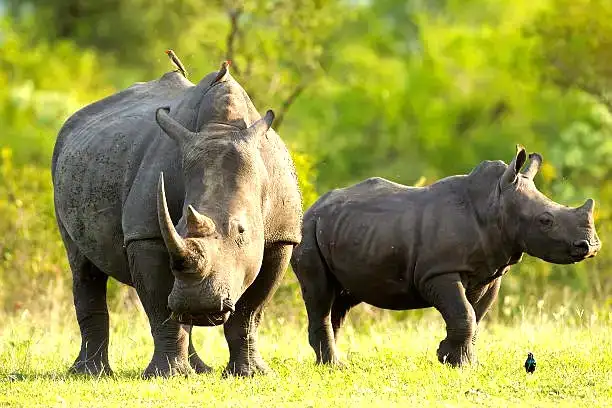
One of the strongest reasons an African Safari Kruger National Park experience keeps drawing visitors is that all five of the most sought after large mammals live here in healthy, self-sustaining populations. Lion, leopard, elephant, buffalo, and rhino are not guaranteed on every single drive, but the chances of seeing all five within a few days are genuinely high compared to many other parks across the continent. An African Safari Kruger National Park trip gives you access to over 147 mammal species in total, meaning the Big 5 are only the beginning of what the park actually holds across its different landscapes and ecosystems.
The Park is Large enough to feel completely wild
An African Safari Kruger National Park experience feels different from smaller reserves because the sheer size of the park means animals behave naturally without the pressure of constant human presence around them. At nearly two million hectares, the park is large enough that you can drive for hours through open bush without passing another vehicle, and that sense of space is something smaller private reserves cannot fully replicate. An African Safari Kruger National Park drive through the remote northern sections around Pafuri or Punda Maria in particular puts you in landscapes that feel untouched, where the wildlife moves on its own terms and the quiet is something you notice immediately.
Kruger Suits every type of Traveller and Budget
Unlike many high-end wildlife destinations in Africa, an African Safari Kruger National Park visit works across a wide range of budgets without forcing travellers to compromise on the quality of what they actually see. SANParks rest camps inside the park offer clean, well run accommodation at prices that make a week in the bush genuinely accessible, while private lodges on the park borders provide fully catered, exclusive experiences for those who want more comfort. An African Safari Kruger National Park trip can be tailored to fit a solo traveller on a careful budget, a family looking for a structured experience, or a couple wanting complete privacy in the bush.
The Night Drives show a Completely Different Park
The park after dark is something that surprises most visitors who experience it for the first time, and it is one of the reasons an African Safari Kruger National Park trip feels more complete when it includes at least one night drive. SANParks runs guided night drives from selected camps, and the animals active after sunset are almost entirely different from what you see during the day civets, genets, scrub hares, spotted hyenas, and occasionally leopards moving through areas that were quiet just hours before. An African Safari Kruger National Park night drive runs for roughly 2 to 3 hours and consistently ranks among the highlights that visitors mention when they describe the trip afterward.
Birdlife in Kruger adds a whole other Layer
With over 500 recorded species, the birdlife inside an African Safari Kruger National Park experience is serious enough to bring dedicated birders from across the world specifically for the birds rather than the mammals. The southern areas hold raptors, rollers, and bee-eaters in numbers that are hard to match, while the far north along the Luvuvhu River produces species rarely seen anywhere else in South Africa. An African Safari Kruger National Park visit that includes even a basic awareness of the birdlife opens up an entirely different way of reading the bush, and guides who know the birds well can use them to locate predators and other wildlife that would otherwise go unnoticed.
Best Time to Visit for an African Safari Kruger National Park
The dry months between May and September are consistently recommended as the best window for an African Safari Kruger National Park visit because the thinning vegetation pushes animals toward permanent water sources where they are far easier to locate. Temperatures during these months are manageable, the roads stay in good condition, and early morning drives in June and July can be cold enough to need a jacket, which most visitors find surprising. An African Safari Kruger National Park trip during the wet season from November to February brings its own rewards including lush green landscapes and newborn animals, but the dense bush makes predator sightings considerably less consistent for visitors who are short on time.
How to Get There for an African Safari Kruger National Park
The most practical entry point for an African Safari Kruger National Park trip is OR Tambo International Airport in Johannesburg, from where travellers either connect to smaller regional airports at Hoedspruit, Phalaborwa, or Skukuza, or drive directly to the park in roughly five hours. The southern gates near Malelane and Numbi are the most commonly used entry points for visitors coming from Johannesburg by road, and the drive through Mpumalanga passes through towns and landscapes that already begin to feel different from the city. An African Safari Kruger National Park transfer arranged through an operator means a guide picks you up at the airport and the experience effectively begins from that point.
Things to Do During an African Safari Kruger National Park Visit
Game drives cover the most ground during an African Safari Kruger National Park visit, but the park holds enough additional activities to fill several days without repeating anything. Guided bush walks led by armed rangers operate from several camps and give visitors a ground level perspective that no vehicle can provide, while the Thulamela archaeological site in the north introduces an Iron Age history that most visitors do not associate with a wildlife park. An African Safari Kruger National Park itinerary that builds in a mix of self-drive mornings, guided afternoon drives, and at least one bush walk tends to produce the best-rounded picture of what the park actually contains beyond the animals.
What to Carry for an African Safari Kruger National Park
Packing for an African Safari Kruger National Park trip is straightforward once you understand what the bush environment actually demands from your clothing and kit. Neutral colours in khaki, olive, and brown work best because bright clothing stands out in the bush and can affect how animals react at close range, while layers are important since temperature differences between early morning and midday can be significant in both winter and summer. An African Safari Kruger National Park day in the field also calls for high-factor sunscreen, DEET based insect repellent, a reliable pair of binoculars, a camera with sufficient battery and storage, and enough water to last comfortably between rest stops throughout the day.
Where to Stay During an African Safari Kruger National Park Visit
Accommodation choices for an African Safari Kruger National Park trip range from tented camps and basic chalets inside the SANParks network to fully inclusive private lodges in reserves sharing open borders with the park. Satara camp in the central grasslands is well known for predator activity in the surrounding area, Letaba sits beside a river that draws large elephant herds, and Lower Sabie in the south consistently produces strong general game viewing across its surrounding plains. An African Safari Kruger National Park stay in a private reserve like Sabi Sand or Klaserie adds night drives, off road access, and a higher level of personal attention from guides who work the same area every day and know it in considerable detail.
Health and Safety during an African Safari Kruger National Park Visit
Malaria prophylactics are recommended for anyone planning an African Safari Kruger National Park trip, and consulting a travel health clinic at least four weeks before departure gives you enough time to start the correct medication and understand what other precautions apply to your specific travel dates. Mosquito activity peaks during the wet summer months, but precautions including long clothing at dusk, DEET repellent, and screened sleeping accommodation are worth maintaining throughout the year. An African Safari Kruger National Park visit also requires basic vehicle safety awareness staying inside your vehicle in unfenced areas, keeping windows up near predators, and observing the park speed limits are rules that exist for practical reasons and apply to every visitor regardless of experience.
Why Book With Lamz Tours and Travel for an African Safari Kruger National Park
We plan African Safari Kruger National Park experiences around what each traveller actually wants from the park rather than fitting everyone into the same fixed itinerary. Our guides carry genuine field knowledge built over years of working in the Kruger ecosystem, and that experience shapes everything from the routes chosen each morning to the stops made along the way. Booking an African Safari Kruger National Park trip through Lamz Tours and Travel means your accommodation, transport, park fees, and daily activities are handled by a team that understands the park well enough to adapt when conditions change, so your time inside the bush is spent focused on what matters.
Ready to plan your safari?
Talk to a Lamz Tours specialist and get a tailor-made quote.
Make an enquiry