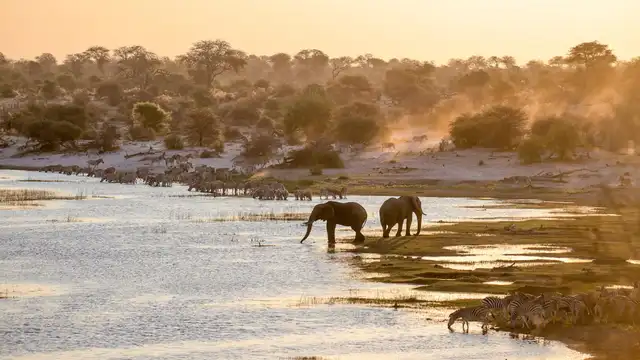
July is the best month for an African safari in Botswana, offering excellent wildlife viewing, pleasant weather, and great photography conditions.
Choosing the best month for an African safari in Botswana depends on your priorities, but July is often the top recommendation for most travelers. During this month, dry season conditions make it easier to spot wildlife as animals gather around rivers, waterholes, and the channels of the Okavango Delta. Clear skies, pleasant daytime temperatures, and limited rainfall create excellent conditions for game drives, walking safaris, and photography. July also offers access to both land and water-based safari activities, giving visitors more variety during their stay. Popular areas such as Chobe National Park, Moremi Game Reserve, Savuti, and the Okavango Delta produce consistent wildlife sightings. While prices are higher due to demand, a well-planned African safari in Botswana in July offers outstanding wildlife viewing and excellent overall value.
Popular Safari packages
Which month is best for African safari in Botswana?
1. July: The Best Overall Month
July is widely considered the best month for an African safari in Botswana because the dry season is fully established and wildlife becomes much easier to find. Water sources are limited across many areas, so animals gather around rivers, channels, and permanent waterholes. This reduces the time spent searching and increases the time spent watching wildlife. The weather is also comfortable, with cool mornings and warm afternoons, making game drives more pleasant. Mosquito numbers are generally lower than during the wet season, which many travelers appreciate. Visitors looking for strong wildlife viewing, clear skies, and comfortable driving conditions often choose July first. For anyone planning an African safari in Botswana, July offers a balance of good weather, reliable wildlife sightings, and excellent photography opportunities.
2. Why Wildlife Viewing Peaks in July
One major reason July stands out is the concentration of animals around available water. During the rainy months, wildlife spreads across large areas because water is almost everywhere. By July, conditions are much drier, forcing many species into predictable locations. This makes lions, elephants, buffaloes, giraffes, and antelopes easier to locate. Guides can spend less time tracking and more time positioning vehicles for good views. Photographers also benefit because animals remain in open areas instead of hiding in thick vegetation. Travelers who want to maximize sightings often prioritize this period. An African safari in Botswana during July gives visitors a strong chance of seeing different species in a single day. For many travelers, this is exactly what they expect from an African safari in Botswana.
3. The Okavango Delta in July
The Okavango Delta reaches one of its most attractive periods during July. Water flowing from Angola arrives months after the rains and spreads through the delta channels. This creates beautiful landscapes filled with islands, lagoons, and waterways that support large numbers of animals. Boat trips and mokoro excursions become especially rewarding because wildlife gathers along the water's edge. Visitors may see elephants crossing channels, hippos resting in deeper sections, and many bird species around the reeds. The cooler weather also makes outdoor activities more comfortable than during hotter months. An African safari in Botswana feels particularly special in the Okavango Delta during July because land and water activities can be combined. This variety adds extra value to an African safari in Botswana.
4. Weather Conditions in July
Weather can significantly affect safari quality, and July performs very well in this area. Days are usually sunny with little chance of rain, creating ideal conditions for game drives and photography. Early mornings can feel cold, especially in open safari vehicles, so warm clothing is important. As the day progresses, temperatures become more comfortable without reaching extreme levels. Travelers often appreciate these conditions because they can spend long hours outdoors without excessive heat. Dust may increase in some regions, but clear visibility generally helps wildlife spotting. Many people select July because weather-related disruptions are rare. If your goal is a comfortable African safari in Botswana, this month provides dependable conditions. That reliability strengthens the appeal of an African safari in Botswana during the peak dry season.
5. Photography Benefits in July
Wildlife photographers often favor July because the combination of dry conditions and open landscapes creates excellent shooting opportunities. Shorter grass allows clearer views of animals, while the lack of heavy rain reduces cloudy days. Early morning and late afternoon light can produce sharp images with rich natural colors. Animals gathering near water also give photographers more chances to capture interactions between different species. Dusty conditions can occasionally create dramatic scenes when herds move across open ground. Since wildlife is easier to locate, photographers spend less time searching and more time capturing quality images. An African safari in Botswana during July can be particularly rewarding for travelers interested in photography. Many return home with memorable images from their African safari in Botswana.
6. Comparing July and August
Many travelers debate whether July or August is better. The truth is that both months provide excellent safari conditions. July often has slightly cooler temperatures, while August can bring even higher concentrations of wildlife as dry conditions continue. Accommodation rates and campsite demand are usually high during both months because they fall within peak safari season. Visitors who cannot secure space in July should feel confident choosing August instead. The overall safari experience remains very strong. Wildlife viewing, photography, and outdoor comfort are generally excellent throughout this period. When comparing options, personal travel dates may matter more than small differences between the two months. An African safari in Botswana works exceptionally well in either month, making an African safari in Botswana a worthwhile investment.
7. Cost Considerations During the Best Months
The downside of traveling in July is the higher cost. Since demand is strong, many lodges, camps, and safari operators charge peak-season rates. Flights and accommodation may also sell out months in advance. Planning early helps secure better choices and reduces disappointment. Despite the extra expense, many travelers feel the value justifies the cost because wildlife viewing is often at its best. Spending more for stronger sightings can be worthwhile, especially for first-time visitors. Budget-conscious travelers may consider June or September, which can still offer very good conditions. However, July remains one of the leading recommendations from safari experts. For travelers seeking the strongest overall African safari in Botswana, July often delivers excellent value. That is why an African safari in Botswana is most popular during this period.
8. Birdwatching in July
Although the wet season attracts larger numbers of migratory birds, July still offers rewarding birdwatching opportunities. Permanent species remain active across Botswana's major safari areas, including the Okavango Delta, Moremi, and Chobe. Clear skies and easier access to remote locations help birdwatchers spend more time observing species without weather interruptions. Water-based habitats continue to support kingfishers, herons, egrets, and many other birds. Combining birdwatching with general wildlife viewing is simple because both activities benefit from the dry-season conditions. Travelers who enjoy nature beyond large mammals can still have a satisfying experience. An African safari in Botswana during July provides a balanced mix of birdlife and large game viewing. This combination adds depth to an African safari in Botswana for many visitors.
9. Best Parks to Visit in July
July is an excellent time to visit Botswana's leading wildlife destinations. Chobe National Park is known for its large elephant population and productive riverfront wildlife viewing. Moremi Game Reserve offers diverse habitats that support many animal species throughout the dry season. The Okavango Delta provides both land-based and water-based activities, creating variety within the same trip. Savuti is another strong option, especially for travelers interested in predator activity. Wildlife tends to be easier to locate across these regions because animals concentrate around dependable water sources. Choosing a combination of parks often creates a more complete safari experience. An African safari in Botswana becomes especially rewarding when multiple ecosystems are included. This approach helps visitors get more from their African safari in Botswana.
10. Final Recommendation
If you can choose only one month, July is often the safest recommendation for most travelers. Wildlife viewing is strong, weather conditions are comfortable, landscapes remain attractive, and safari activities operate consistently. While August and September are also excellent, July provides an ideal starting point for first-time visitors who want dependable results. Booking early is important because demand is high and the most desirable camps can fill quickly. Travelers seeking excellent game viewing, pleasant temperatures, and broad safari options rarely regret choosing this period. Whether you are interested in photography, wildlife, birdwatching, or family travel, July performs well across all categories. For these reasons, many experts consider July the best month for an African safari in Botswana. A well-planned African safari in Botswana during July offers outstanding overall value.
How to get there for African safari in Botswana
Most international travelers start their African safari in Botswana by flying into Sir Seretse Khama International Airport in Gaborone or Maun International Airport, with Maun being the main gateway to the Okavango Delta and many safari areas. Regular connections are available through major African hubs such as Johannesburg, Addis Ababa, Nairobi, and Cape Town. After arriving in Botswana, travelers usually take a light aircraft transfer or a road transfer to their safari camp, depending on the destination. Popular wildlife areas including the Okavango Delta, Moremi Game Reserve, Chobe National Park, and Savuti are well connected by scheduled safari flights and guided transfers. Planning flights and lodge transfers together is recommended, as it simplifies logistics and ensures a smoother African safari in Botswana from arrival to departure
Booking African safari in Botswana with Lamz Tours and Travel
Booking an African safari in Botswana with Lamz Tours and Travel gives you access to tailor-made safari experiences designed around your travel style, budget, and interests. Whether you want to visit the Okavango Delta, Chobe National Park, Moremi Game Reserve, or combine several destinations, Lamz Tours and Travel helps arrange accommodation, park activities, internal transfers, and guided wildlife viewing for a smooth and well-organized trip. The team provides practical advice on the best travel months, suitable lodges, and safari activities to match your expectations. From luxury fly-in safaris to value-focused packages, every African safari in Botswana is planned to maximize your time in the wilderness while ensuring comfort, safety, and excellent wildlife viewing opportunities throughout your stay.
Ready to plan your safari?
Talk to a Lamz Tours specialist and get a tailor-made quote.
Make an enquiry