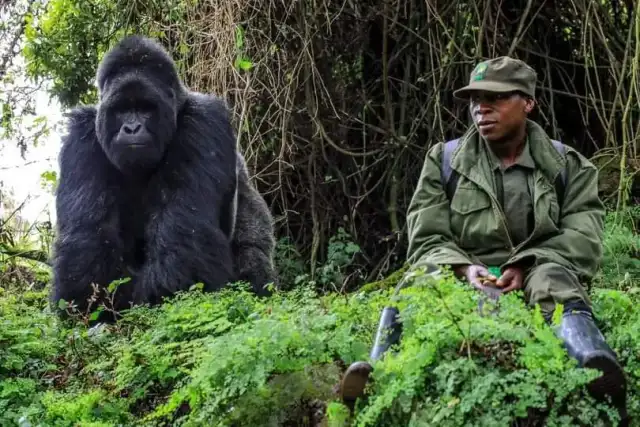
Mountain gorilla trekking is the single biggest reason travellers head to East Africa, and the two countries that make it possible are Uganda and Rwanda. Both sit inside the Virunga and Albertine Rift ecosystems that shelter the world's remaining mountain gorillas, yet the two Gorilla Wildlife Safaris experiences feel quite different once you compare cost, terrain, accessibility, and the overall pace of the trip. Whether you are drawn to gorilla trekking in Uganda's Bwindi Impenetrable Forest or Rwanda's Volcanoes National Park, this guide breaks down exactly how the two destinations compare so you can decide which one suits your budget, fitness level, and travel style.
Some travellers skip the decision altogether and combine both parks on one trip. Lamz Tours and Travel runs several Uganda and Rwanda gorilla trekking safaris that let you track two separate gorilla families in two countries, so if you cannot choose, you genuinely do not have to.
Popular Gorilla Trekking Packages
Which Country Is Better for Gorilla Trekking: Uganda or Rwanda?
1. Gorilla Population and Trekking Grounds
Uganda holds the larger share of the world's mountain gorillas, most of them inside Bwindi Impenetrable National Park, a UNESCO World Heritage rainforest with more than 20 habituated gorilla families, plus a smaller population in Mgahinga Gorilla National Park. Rwanda's gorillas live exclusively in Volcanoes National Park, part of the same Virunga Massif that stretches into Uganda and the DR Congo, with around a dozen habituated families spread across dormant volcanic slopes. Uganda therefore offers more trekking permits and more forest variety across two parks, while Rwanda concentrates everything into one compact, easy-to-reach park.
2. Permit Cost and Value for Money
This is usually the deciding factor. A Uganda gorilla permit costs 800 US dollars for foreign non-residents, while a Rwanda gorilla permit costs 1,500 US dollars, almost double. Both permits buy the same core experience: one hour with a habituated gorilla family, guided by park rangers and trackers. Budget-conscious travellers, or those trekking with a family, typically save significantly by choosing Uganda, while travellers who want the absolute shortest, most convenient trip are often happy to pay Rwanda's premium.
3. Accessibility and Travel Time
Rwanda wins comfortably on convenience. Volcanoes National Park is roughly a 2 to 3-hour drive on good tarmac roads from Kigali International Airport, so it is realistic to trek gorillas within a day of landing. Bwindi, on the other hand, sits in Uganda's remote southwest, about a 7 to 9-hour drive from Entebbe International Airport, or a 1 to 1.5-hour domestic flight to an airstrip near the park. This makes Rwanda the better choice for short, time-pressed trips, while Uganda rewards travellers who can spare an extra day or two, often by combining the trek with other parks along the way.
4. Trekking Difficulty and Terrain
Bwindi lives up to its name: the terrain is steep, dense, and genuinely impenetrable in places, with treks lasting anywhere from 1 to 8 hours depending on where the gorilla family has moved. Fitness requirements for gorilla trekking in Uganda are genuinely worth reading before you book. Volcanoes National Park's trails are steep in a different way, climbing volcanic slopes through bamboo and moorland, but access roads are shorter and treks are often somewhat quicker to reach a gorilla family, typically 2 to 6 hours. Neither park is easy, but Uganda is generally considered the more physically demanding of the two.
5. Accommodation and Luxury Options
Rwanda has invested heavily in high-end lodges right on the edge of Volcanoes National Park, several offering butler service, spa treatments, and volcano views from private decks, which suits travellers who want five-star comfort bookended around one hour with the gorillas. Uganda's lodges around Bwindi range from budget guesthouses to increasingly polished luxury properties, and because Uganda's safari circuit is larger, many travellers pair a night or two at a gorilla lodge with stays in Queen Elizabeth or Murchison Falls National Park, spreading the luxury across a longer itinerary rather than concentrating it in one place.
6. Other Wildlife and Add-On Experiences
Uganda is the stronger all-round wildlife destination. Beyond gorillas, the country offers chimpanzee trekking in Kibale Forest, tree-climbing lions in Queen Elizabeth National Park, Nile boat cruises and rhino tracking near Murchison Falls, and white-water rafting in Jinja, all reachable on one circuit. Rwanda's add-ons are more compact but equally memorable: golden monkey tracking in the same Volcanoes National Park, a hike to the Dian Fossey memorial, Big Five game drives in Akagera National Park, and cultural stops such as the Kigali Genocide Memorial and the Iby'iwacu Cultural Village, all within a short drive of the capital.
So, Which Country Should You Choose?
There is no single right answer, it depends on what you are optimising for. Choose Uganda if you want the lower permit price, a longer wildlife circuit with chimps, Big Five game drives, and river adventure, and you don't mind extra travel time to reach Bwindi. Choose Rwanda if your priority is a short, low-effort, high-comfort trip out of Kigali, with easier logistics and a strong luxury lodge scene. And if you simply cannot decide, a combined Uganda and Rwanda gorilla trekking safari lets you trek in both countries on a single well-planned itinerary.
Weather and Climate for Gorilla Trekking
Both Bwindi and Volcanoes National Park sit at high altitude and stay cool and often misty year-round, with daytime temperatures typically between 11°C and 22°C. Rain is possible in any month since these are rainforest and montane environments, but the two dry seasons, June to September and December to February, offer the driest trails and the easiest trekking conditions in both countries. Layers, a waterproof jacket, and sturdy boots are essential regardless of when you travel.
Best Time for Gorilla Trekking in Uganda and Rwanda
The long dry season from June to September is the most popular and reliable window for gorilla trekking in both countries, with firmer trails and lower malaria risk. The shorter dry spell from December to February is a quieter, equally good alternative. The wetter months, March to May and October to November, bring muddier trekking but thinner crowds, fewer permit sell-outs, and occasionally discounted rates, which can suit more adventurous or budget-minded travellers.
How to Get to Uganda or Rwanda for Gorilla Trekking
Uganda's main international gateway is Entebbe International Airport (EBB) near Kampala, from where it is a long road transfer or a short domestic flight to Bwindi. Rwanda's gateway is Kigali International Airport (KGL), from which Volcanoes National Park is a straightforward 2 to 3-hour drive. Several airlines connect both cities to major African and international hubs, and it is entirely possible to fly into one country and cross the land border to trek in the other, which is exactly how Lamz Tours and Travel' combined Uganda-Rwanda itineraries are built.
Things to Do Beyond Gorilla Trekking
In Uganda, extend your trip with chimpanzee trekking in Kibale Forest, game drives and boat cruises in Queen Elizabeth National Park, or a visit to the Batwa forest communities around Bwindi. In Rwanda, pair your trek with golden monkey tracking, a Kigali city and genocide memorial tour, or a scenic stop at the Twin Lakes of Burera and Ruhondo. Both countries also offer community walks and craft markets that put part of your spending directly back into the villages bordering the parks.
What to Carry for a Gorilla Trekking Safari
Pack sturdy, ankle-supporting hiking boots, waterproof trousers and a rain jacket, gardening-style gloves for gripping vegetation, a wide-brimmed hat, insect repellent, and a small daypack for water and snacks. Neutral colours are recommended over bright ones. Porters are available at both parks for a modest fee and are well worth hiring, since they carry your bag, steady you on steep sections, and directly support the local community.
Where to Stay on a Uganda or Rwanda Gorilla Safari
Around Bwindi, options range from budget lodges to increasingly refined mid-range and luxury properties in the Buhoma, Ruhija, Rushaga, and Nkuringo sectors, each offering a different route into the forest. Around Volcanoes National Park, lodges cluster near Kinigi and Musanze and lean more heavily toward the mid-range and luxury end, with several award-winning eco-lodges within a short drive of the park headquarters. Lamz Tours and Travel can match accommodation to your budget in either country, or split your nights between the two.
Health and Safety Tips for Gorilla Trekking
A yellow fever vaccination is mandatory for entry into both Uganda and Rwanda if arriving from an endemic country, and travellers should be up to date on routine vaccinations. Malaria prophylaxis and insect repellent are recommended for both countries, though Rwanda's higher altitude gives it a somewhat lower malaria risk than Uganda's lower-lying areas. Comprehensive travel insurance that covers medical evacuation is essential in both destinations, as gorilla trekking takes place deep inside remote forest with limited road access.
Why Book Your Gorilla Trekking Safari with Lamz Tours and Travel
Lamz Tours and Travel is a Uganda-based tour operator with direct, on-the-ground experience running gorilla trekking safaris in Uganda and gorilla trekking safaris in Rwanda, as well as tours across Tanzania, Kenya, Morocco, South Africa, Botswana, and Namibia. We handle permit booking, dietary requirements, packing advice, visa guidance, and flight recommendations, and we provide 24/7 support throughout your trip. Whether you choose Uganda's forests, Rwanda's volcanoes, or a combined trek across both, Lamz Tours and Travel takes care of every detail so you can focus on the hour that matters most, standing face to face with a mountain gorilla family in the wild.
Ready to plan your safari?
Talk to a Lamz Tours specialist and get a tailor-made quote.
Make an enquiry