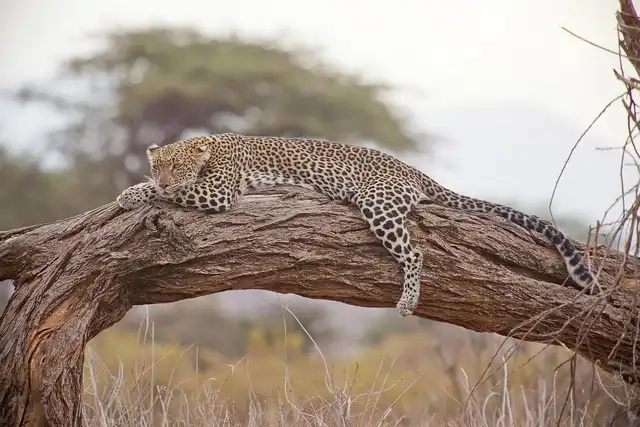
A Tanzania safari offers travelers a chance to explore some of Africa’s most diverse wildlife areas, combining famous parks with hidden reserves. From the endless plains of the Serengeti to the dramatic Ngorongoro Crater, each destination provides unique experiences that suit different interests. A Tanzania safari can include large elephant herds in Tarangire, tree-climbing lions in Lake Manyara, or remote wilderness in Ruaha and Katavi. For those seeking variety, Selous and Mikumi provide river safaris and accessible game drives, while Mahale Mountains add chimpanzee trekking along Lake Tanganyika. Saadani National Park blends beach and wildlife, making it ideal for travelers who want both relaxation and adventure. With options ranging from short trips to extended itineraries, Tanzania caters to first-time visitors and seasoned safari-goers, ensuring practical value and memorable wildlife viewing
Our popular Tanzania safari packages
Where to visit for Tanzania safari experience
Serengeti National Park
The Serengeti is the most famous destination for a Tanzania safari, known for its vast plains and the Great Migration of wildebeest and zebras. A Tanzania safari here provides travelers with consistent sightings of lions, cheetahs, and elephants. The park’s open landscapes make wildlife viewing easier, and its seasonal migration offers one of the most dramatic natural events in Africa. Visitors can choose between luxury lodges or mobile camps, depending on their budget and preference.
Ngorongoro Crater
Ngorongoro Crater is a unique stop for a Tanzania safari, offering a concentrated wildlife experience in a natural amphitheater. A Tanzania safari here allows travelers to see rhinos, lions, and large herds of antelope in one compact area. The crater’s fertile floor supports diverse species, making game drives productive and rewarding. Its accessibility from Arusha makes it a convenient addition to itineraries.
Tarangire National Park
Tarangire is a quieter option for a Tanzania safari, famous for its large elephant herds and baobab trees. A Tanzania safari here provides reliable sightings of giraffes, zebras, and predators, especially during the dry season. The park’s fewer crowds make it ideal for travelers seeking a more relaxed experience. Its varied habitats also attract birdwatchers, adding diversity to the safari.
Lake Manyara National Park
Lake Manyara offers a compact but rewarding Tanzania safari experience, known for tree-climbing lions and large flocks of flamingos. A Tanzania safari here combines wildlife with scenic views of the Rift Valley escarpment. The park’s mix of forest, lake, and grassland habitats ensures variety in sightings. Its proximity to Arusha makes it a convenient stop for shorter trips.
Selous Game Reserve
Selous, now part of Nyerere National Park, is one of Africa’s largest reserves and a highlight of a Tanzania safari. A Tanzania safari here emphasizes remote wilderness, with boat safaris along the Rufiji River offering views of hippos and crocodiles. The reserve’s size ensures fewer visitors, making it perfect for travelers seeking solitude. Its diverse habitats support elephants, lions, and wild dogs.
Ruaha National Park
Ruaha is Tanzania’s largest national park and a hidden gem for a Tanzania safari. A Tanzania safari here provides excellent predator sightings, including lions and leopards, alongside large elephant populations. The park’s rugged terrain and fewer tourists make it ideal for adventurous travelers. Its remote location adds authenticity, appealing to those who prefer off-the-beaten-path experiences.
Mikumi National Park
Mikumi is often considered a gateway for a Tanzania safari, offering easy access from Dar es Salaam. A Tanzania safari here provides sightings of giraffes, zebras, and lions in open plains similar to the Serengeti. Its accessibility makes it suitable for shorter trips or first-time safari-goers. The park’s infrastructure supports both budget and mid-range travelers.
Katavi National Park
Katavi is one of Tanzania’s most remote parks, making it a special destination for a Tanzania safari. A Tanzania safari here offers dramatic scenes of hippos and crocodiles crowding shrinking pools during the dry season. Its isolation ensures few visitors, creating a private safari atmosphere. The park appeals to travelers seeking raw wilderness and authentic experiences.
Mahale Mountains National Park
Mahale is unique for combining wildlife with chimpanzee trekking during a Tanzania safari. A Tanzania safari here allows travelers to track chimpanzees in lush forests along Lake Tanganyika. The park also offers boat trips and swimming opportunities, adding variety to the safari. Its remote location requires effort to reach, but the rewards are exceptional.
Saadani National Park
Saadani is the only park where a Tanzania safari meets the Indian Ocean, offering a mix of beach and wildlife. A Tanzania safari here provides sightings of lions, elephants, and antelope alongside coastal scenery. Visitors can enjoy both game drives and beach relaxation, making it ideal for diverse itineraries. Its unique setting appeals to travelers seeking variety in one destination.
Best time to experience the best of Tanzania safari
The best time to experience the best of a Tanzania safari is during the dry season from June to October, when animals gather around rivers and waterholes, making sightings more reliable and concentrated. A Tanzania safari in these months also coincides with the Great Migration river crossings in the Serengeti, offering dramatic wildlife action. For travelers interested in seeing newborn calves and predator activity, January to February is excellent, as wildebeest calving takes place in the southern Serengeti. November and March are quieter shoulder months, with fewer crowds and good birdwatching, while April and May bring heavy rains but lower costs and green landscapes. Choosing the right time depends on whether travelers prioritize big game viewing, predator action, birdlife, or budget-friendly options.
How to get there for Tanzania safari
For a Tanzania safari, most travelers arrive by flying into Kilimanjaro International Airport near Arusha, which serves as the main gateway to northern parks like Serengeti, Ngorongoro, Tarangire, and Lake Manyara. A Tanzania safari to southern or western parks such as Ruaha, Selous (Nyerere), or Katavi is best accessed via Dar es Salaam or Mwanza airports, with connecting domestic flights to smaller airstrips inside or near the reserves. Road transfers are possible but can be long, so many visitors combine flights with short drives to lodges or camps. Reliable tour operators arrange transport, ensuring smooth connections between airports and safari destinations. Planning ahead is important, especially during peak seasons, to secure flights and accommodations that match your itinerary and budget.
Booking Tanzania safari with Lamz Tours and Travel
Booking a Tanzania safari with Lamz Tours and Travel is straightforward and designed to give travelers confidence in their plans. The company provides customized itineraries that highlight key destinations such as Serengeti, Ngorongoro Crater, and Tarangire, ensuring guests enjoy wildlife-rich experiences. A Tanzania safari package can be arranged directly through Lamz Tours and Travel’ team, who assist with flights, transfers, and lodge options to suit different budgets. Our focus on responsible tourism supports conservation and local communities, while clear communication on inclusions and costs makes planning transparent. With expert advisors and well-structured itineraries, Lamz Tours and Travel guarantees travelers a safari that balances comfort, adventure, and authenticity. This tailored approach makes booking efficient and rewarding, whether for first-time visitors or seasoned safari travelers seeking new experiences.
Ready to plan your safari?
Talk to a Lamz Tours specialist and get a tailor-made quote.
Make an enquiry