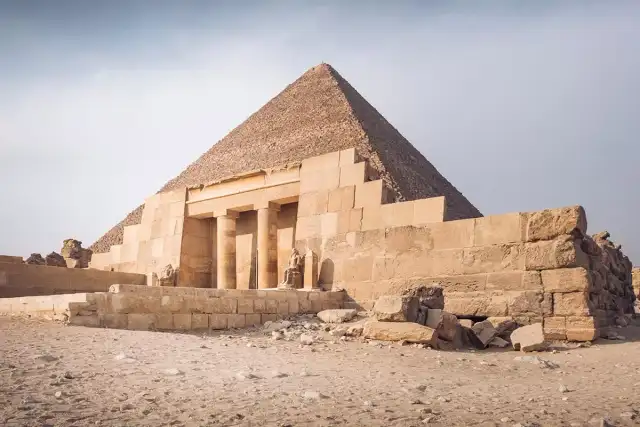
Where to go in Egypt to see pyramids
Welcome to the timeless land of Egypt, where the majestic pyramids stand as monumental testaments to an ancient civilization's ingenuity and spirituality. These architectural marvels, built over 4,500 years ago, have captivated the imaginations of travelers, historians, and explorers for centuries. From the iconic Great Pyramid of Giza, a wonder of the ancient world, to the lesser-known but equally fascinating pyramids scattered across the Nile Valley, each site holds a treasure trove of historical and cultural insights waiting to be uncovered. As we embark on an enlightening journey through time, we invite you to witness the enduring legacy of the ancient Egyptians and their remarkable engineering techniques, deep spiritual beliefs, and profound cultural significance. Join us in exploring these timeless sentinels of ancient history, and unravel the secrets of these majestic edifices that continue to inspire awe and wonder in the hearts of all who behold them.
Popular packages relate to where to go in Egypt to see pyramids
What is the historical significance of the pyramids?
Where to go in Egypt to see pyramids, pyramids of ancient Egypt stand as a testament to the ingenuity, beliefs, and social structure of the civilization. Built as monumental tombs for pharaohs, they symbolize the Egyptians' profound reverence for the afterlife and desire for immortality. The Great Pyramid of Giza, constructed around 2580–2560 BC for Pharaoh Khufu, held the title of the world's tallest man-made structure for over 3,800 years.
Beyond serving as burial sites, the pyramids were part of a larger complex that included mortuary temples and smaller pyramids, reflecting the Egyptians' beliefs in the afterlife. The precision in their alignment with the cardinal points demonstrates the Egyptians' advanced understanding of astronomy. The inscriptions and carvings within the pyramids provide valuable insights into ancient Egyptian religious practices and social hierarchies.
Today, the pyramids continue to attract millions of visitors, serving as enduring icons of human achievement and providing a bridge to the rich tapestry of ancient Egyptian society. Each stone tells a story of ambition, faith, and the timeless quest for eternity.
What are the great facts about the Great Pyramid of Giza?
The Great Pyramid of Giza, is where to go in Egypt to see pyramids that has stood for over 4,500 years, is the epitome of ancient engineering and architecture. As the largest and oldest of the three pyramids in the Giza pyramid complex, it was originally built as a tomb for Pharaoh Khufu, also known as Cheops. Towering at an astounding height of 481 feet (originally 481.4 feet), this colossal structure was the tallest man-made edifice in the world for nearly four millennia, a record that speaks volumes about the ingenuity of the ancient Egyptians.
Constructed from an estimated 2.3 million blocks of limestone and granite, the Great Pyramid's sheer scale is mind-boggling. Each stone block weighs between 2.5 to 15 tons, and the precision with which they were cut and assembled is a testament to the advanced techniques employed by the builders. The pyramid's sides are aligned almost perfectly with the cardinal points of the compass, showcasing the Egyptians' profound understanding of astronomy and mathematics.
Inside, the Great Pyramid features a complex system of chambers and passageways. The King's Chamber, crafted from exquisite red granite, houses a magnificent sarcophagus that once contained the pharaoh’s body. Visitors can also explore the Grand Gallery, an impressive corridor that leads up to the King's Chamber, characterized by its towering ceiling and intricate design.
An intriguing aspect of the Great Pyramid is its outer casing, originally covered in highly polished Tura limestone, which would have reflected the sun’s rays, making the pyramid shine like a beacon. Although much of the casing stones have since been removed, the underlying structure still captivates the imagination of all who visit.
Beyond its architectural marvel, the Great Pyramid of Giza holds a treasure trove of historical significance. It is the last remaining wonder of the Seven Wonders of the Ancient World, a testament to the ingenuity and artistry of a civilization that has intrigued historians, archaeologists, and travelers for centuries. Whether you’re standing at its base, gazing up at its monumental presence, or delving into its fascinating history, the Great Pyramid of Giza is sure to leave an indelible mark on your journey through Egypt’s ancient wonders.
What were the unique construction techniques behind the pyramids?
The construction of Egypt's pyramids is a testament to the remarkable ingenuity and determination of the ancient civilization over 4,500 years ago. The use of massive stone blocks, quarried from nearby sources, and shaped with precision, showcases the advanced techniques employed in their creation. The workforce, comprising skilled laborers, craftsmen, and overseers, worked tirelessly under the guidance of architects to bring these monumental structures to life.
The employment of ramps and the alignment of the pyramids with celestial movements demonstrate the advanced knowledge of mathematics and astronomy possessed by the ancient Egyptians. Despite the rudimentary tools used, their innovative spirit and collective labor led to the completion of these grand structures that have endured for millennia.
The construction of the pyramids was not only an architectural feat but also a unifying project that reflected the cultural, religious, and political aspirations of ancient Egypt. As we appreciate the awe-inspiring appearance of these iconic monuments, it's important to recognize the sophisticated techniques and collaborative efforts that brought them to life, symbolizing Egypt's enduring legacy of human achievement and resilience.
What were the roles of the pyramids in ancient Egyptian Culture?
The Pyramids of Egypt stand as remarkable symbols of ancient Egyptian culture and spirituality. These monumental structures were not just grand tombs for pharaohs, but also representations of the civilization's advanced engineering and profound beliefs in the afterlife. The Great Pyramid of Giza, in particular, reflects the ancient Egyptians' unwavering faith in eternal life and their intricate burial rituals to ensure a safe passage into the afterlife.
Surrounded by mortuary temples and necropolises, the pyramids played a central role in religious practices, reinforcing the idea of the pharaoh's continued rule even in death. The art and inscriptions found within these structures provide valuable insights into the daily life, beliefs, and values of ancient Egyptians, emphasizing the importance of maintaining favor with the divine.
Exploring the Pyramid Complexes
When it comes to the iconic pyramids of Egypt, the names Giza, Saqqara, and Dahshur resonate in the minds of travelers and history enthusiasts alike. Each of these pyramid complexes tells a unique story, reflecting the grandeur and architectural prowess of ancient Egyptian civilization.
Giza
The Giza Plateau is undoubtedly the crown jewel of Egypt's pyramid complexes. Home to the Great Pyramid of Khufu, one of the Seven Wonders of the ancient world, Giza is a site that evokes awe and wonder. As you stand before the massive limestone structure, it’s hard not to be overwhelmed by its sheer scale and the mystery of its construction, which has puzzled historians for centuries. The nearby Pyramid of Khafre, slightly smaller yet appearing taller due to its strategic positioning, and the enigmatic Pyramid of Menkaure complete this legendary trio. Don’t miss the iconic Sphinx, a guardian of the Giza complex, with its majestic lion’s body and human head, shrouded in myths and legends.
Saqqara
Just a short drive from Giza lies Saqqara, home to the oldest step pyramid ever built, the Pyramid of Djoser. This architectural marvel, designed by the brilliant Imhotep, marks a significant evolution in pyramid construction. As you wander through the expansive necropolis, you’ll encounter a plethora of tombs, each adorned with intricate hieroglyphics that narrate tales of the afterlife and the divine. The serene atmosphere of Saqqara, dotted with lesser-known but equally fascinating structures, offers an intimate glimpse into the religious and cultural practices of ancient Egypt.
Dahshur
The pyramids of Dahshur provide a fascinating contrast to their more famous neighbors. Here, you can explore the Bent Pyramid, notable for its unique shape, which reflects the transition from step pyramid to true pyramid design. Just a stone’s throw away lies the Red Pyramid, the largest of the Dahshur structures, named for the reddish hue of its limestone. As you navigate the less crowded pathways of Dahshur, you’ll experience the tranquility that allows for deeper reflection on the ingenuity of the ancient builders and the significance of these monumental tombs in the context of Egyptian history.
What are the mysteries and theories surrounding the Pyramids?
The Pyramids of Egypt have captivated the imagination of historians and archaeologists for centuries, giving rise to numerous theories and mysteries. One of the most enduring enigmas is the method of construction, as the means by which the ancient Egyptians moved and placed massive stones remains a subject of debate. Additionally, the precise alignment of the pyramids with the cardinal points of the compass has led to speculation about their astronomical significance and potential connection to ancient Egyptian knowledge of the stars.
The role of the pyramids in Egyptian society has prompted various interpretations, with some suggesting that they were not just tombs but also integral to religious practices and beliefs. The idea that the pyramids were part of a larger network of temples and mortuary sites highlights their significance in the broader context of ancient Egyptian culture. As such, the pyramids continue to intrigue and inspire, offering a window into a complex belief system that shaped the lives of the ancient Egyptians.
Why were the Pyramids built and aligned with the stars in the sky
The alignment of the Egyptian pyramids with the stars, particularly the Orion constellation, is a testament to the advanced astronomical knowledge of the ancient Egyptians. This intentional alignment reflects the cultural and religious significance they attributed to the stars, particularly in relation to the afterlife and resurrection. The precision with which the pyramids are oriented, aligned with true north and mirroring the stars of Orion, showcases the sophisticated mathematical and engineering skills of the ancient Egyptians. As a result, the pyramids not only served as monumental tombs but also as cosmic beacons guiding souls into the eternal heavens. Their enduring celestial significance, as seen in the way they interact with the light at dawn and dusk, reinforces their role as timeless symbols of humanity's quest to understand its place in the universe. The pyramids stand as a remarkable example of ancient civilization's profound connection to the cosmos.
What are the modern archaeological discoveries at the Pyramids?
The most recent archaeological discoveries at the pyramids of Egypt have significantly enhanced our understanding of these ancient marvels. Advanced imaging technologies have unveiled hidden chambers within the Great Pyramid of Giza, providing valuable insights into its construction and purpose. Furthermore, excavations have unearthed everyday artifacts, shedding light on the lives of the laborers who built the pyramids and leading to new theories about ancient Egyptian society.
The discovery of previously unknown burial sites near the pyramids has challenged existing perceptions about the burial customs of the elite, revealing a complex and organized society with intricate social hierarchies and belief systems.
These modern archaeological endeavors continue to reshape our understanding of ancient Egypt, adding layers of complexity to its history and reminding us that the past is an evolving tapestry. For those interested in visiting these historic sites, these discoveries offer a unique opportunity to engage with history in a dynamic way, providing a deeper appreciation for one of humanity's greatest achievements.
When is the best time to go in Egypt to see pyramids?
The best time to visit Egypt and see the pyramids is during the cooler months of October to April. The weather is more pleasant for exploring the ancient sites, and you can avoid the extreme heat of the summer months. Additionally, there are fewer tourists during this time, allowing for a more enjoyable and immersive experience.
Why to book with Lamz Tours and Travel for your journey to go in Egypt to see pyramids
When booking your journey togo in Egypt to see pyramids, consider choosing Lamz Tours and Travel for a seamless and memorable experience. Lamz Tours and Travel offers expertly curated tours that cater to your specific interests and preferences. With experienced guides and top-notch accommodations, Lamz Tours and Travel ensures that your trip to the pyramids is both educational and comfortable. By booking with Lamz Tours and Travel, you can trust that every detail of your journey will be taken care of, allowing you to fully immerse yourself in the wonder of the ancient pyramids.
Ready to plan your safari?
Talk to a Lamz Tours specialist and get a tailor-made quote.
Make an enquiry