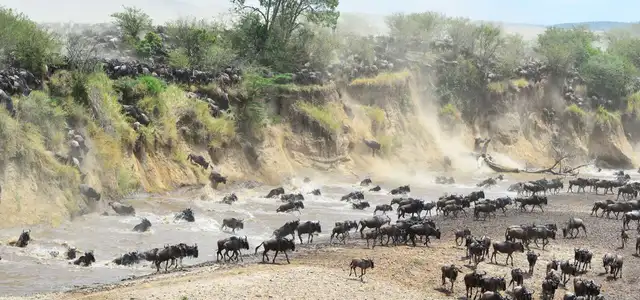
African safari Kenya offers Maasai Mara migration, Amboseli elephants, Laikipia rhinos, Samburu wildlife, Tsavo wilderness, and Lake Nakuru birdlife.
Wondering where to start planning your African safari Kenya? Kenya offers unmatched diversity, from the drama of the Great Migration in Maasai Mara to the elephant herds of Amboseli framed by Mount Kilimanjaro. Travelers can choose between exclusive conservancies in Laikipia, rare northern species in Samburu, or the vast wilderness of Tsavo. For shorter trips, Nairobi National Park provides authentic wildlife viewing just minutes from the city, while Lake Nakuru guarantees rhino sightings and birdlife. Active adventurers can hike or cycle through Hell’s Gate, and those seeking raw remoteness can explore Lake Turkana and the Chalbi Desert. Accessibility is straightforward, with flights and road transfers linking major parks. Whether you want predator action, cultural depth, or conservation-focused experiences, African safari Kenya delivers practical options that fit different schedules, budgets, and interests, ensuring every traveler finds value in their journey
Best Kenya safari packages
3-days-luxury-fly-in-safari-to-masai-mara
3-days-amboseli-national-park-safaris
4-days-masai-mara-and-lake-nakuru-safari
4-days-wildlife-safari-in-kenya
5-days-amboseli-and-tsavo-west-wildlife-safari
6-days-wildlife-safari-in-kenya
7-day-luxury-kenya-safari-holiday
7-days-kenya-wildlife-safari-tour
7-days-kenya-wildlife-safari-and-beach-holiday
8-days-luxury-kenya-safaris-and-mombasa-beach-tour
8-days-samburu-lake-nakuru-and-masai-mara-safari
8-days-magical-kenya-wildlife-safari
9-days-best-of-kenya-safari-and-diane-beach-tour
9-day-kenya-wildlife-safari-experience
10-days-kenya-uganda-wildlife-safari---gorilla-and-chimpanzees-trekking
10-days-kenya-wildlife-safari-and-diani-beach-holiday
10-days-best-of-kenya-safari-holiday
10-days-wildlife-kenya-and-tanzania-safari
12-days-wildlife-and-beach-safari-in-kenya
12-days-kenya-and-tanzania-wildlife-safari
16-days-wildlife-and-beach-safari-in-kenya
4-days-birding-experience-in-kenya
5-days-kenya-birding-safari-in-lake-naivasha-nakuru-and-masai-mara
Where to go for African safari Kenya
Maasai Mara National Reserve
The Maasai Mara National Reserve is the most recognized destination for African safari Kenya, especially during the Great Migration between July and October when millions of wildebeest and zebra cross the Mara River. This spectacle is matched by high predator populations, with lions and cheetahs frequently seen hunting across the plains. Visitors also have strong chances of spotting the Big Five, making it suitable for both first-time and seasoned safari travelers. Hot air balloon safaris provide a unique way to view the vast savannahs and riverine forests. Accessibility is straightforward, with a 45–60 minute flight or a 5–6 hour drive from Nairobi. For those planning African safari Kenya during peak season, private conservancies nearby offer more exclusive experiences with fewer crowds.
Amboseli National Park
Amboseli National Park is a highlight for African safari Kenya, best known for its large elephant herds set against the dramatic backdrop of Mount Kilimanjaro. The dry season from June to October offers the clearest views of the snow-capped peak, making it ideal for photographers. Wildlife includes buffalo, lions, wildebeest, and diverse birdlife, though predator sightings are less frequent compared to the Mara. The park’s open plains, swamps, and dry lake beds create varied landscapes that reflect Kilimanjaro beautifully at sunrise. Accessibility is convenient, with a 40–50 minute flight or a 4–5 hour drive from Nairobi. For travelers seeking African safari Kenya with memorable wildlife and landscape photography combined, Amboseli provides a practical and rewarding option.
Laikipia Plateau
Laikipia Plateau offers a more exclusive African safari Kenya experience, with private conservancies that focus on conservation and rare species. It is home to 50% of Kenya’s rhino population, including both black and white rhinos, and supports endangered wildlife such as Grevy’s zebra and African wild dogs. Activities here go beyond traditional game drives, with options like walking safaris, camel treks, and night drives. The landscape features rolling hills, acacia plains, and riverbanks with Mount Kenya visible in the distance. Accessibility is possible via a one-hour flight to Nanyuki or a 4–5 hour drive. For travelers who want African safari Kenya with privacy, rare wildlife, and conservation-focused experiences, Laikipia is a premium destination worth considering.
Samburu National Reserve
Samburu National Reserve provides a distinct African safari Kenya experience with its arid landscapes and unique wildlife. The reserve is famous for the “Samburu Special Five”: Grevy’s zebra, reticulated giraffe, Somali ostrich, gerenuk, and Beisa oryx, species rarely found elsewhere in Kenya. The Ewaso Ng’iro River sustains wildlife year-round, attracting elephants, lions, and leopards. Samburu is less crowded than southern parks, making it appealing for repeat safari-goers or photographers seeking rare species. Accessibility is possible via a 1.5-hour flight or a 5–6 hour drive from Nairobi. For travelers who want African safari Kenya with unique northern wildlife and cultural connections to the Samburu people, this reserve offers a rewarding alternative to the classic Big Five focus.
Tsavo National Parks (East and West)
Tsavo East and West together form one of the largest protected areas for African safari Kenya, offering vast wilderness and fewer crowds. Tsavo East is known for its “red elephants,” which coat themselves in the park’s distinctive red soil, while Tsavo West features diverse landscapes including lava flows and Mzima Springs, where visitors can view hippos underwater. Wildlife is more spread out compared to smaller parks, but the sense of adventure and space is unmatched. Accessibility is possible by road or rail from Nairobi in 4–5 hours or from Mombasa in 3–4 hours. For travelers seeking African safari Kenya with rugged scenery, dramatic landscapes, and less crowded experiences, Tsavo provides a strong option.
Lake Nakuru National Park
Lake Nakuru National Park is a compact but rewarding destination for African safari Kenya, especially for rhino conservation and birdwatching. The park almost guarantees sightings of both black and white rhinos within its sanctuary. The soda lake is famous for its flocks of pink flamingos, though their numbers vary depending on the season. Other wildlife includes lions, giraffes, and buffalo, making it suitable for shorter safaris. Accessibility is straightforward, with Nakuru located just a few hours’ drive from Nairobi. For travelers who want African safari Kenya with reliable rhino viewing and diverse birdlife combined with convenience, Lake Nakuru provides a practical choice that balances accessibility with strong wildlife highlights
Nairobi National Park
Nairobi National Park is the only national park located right next to a capital city, making it a practical choice for African safari Kenya if you have limited time. Just 15 minutes from downtown Nairobi, visitors can see lions, rhinos, giraffes, and zebras with the city skyline in the background. The park is well managed, with clear routes and reliable wildlife sightings, making it suitable for first-time safari travelers or those on business trips. Accessibility is unmatched, requiring minimal travel logistics compared to other destinations. For travelers who want African safari Kenya without long drives or flights, Nairobi National Park provides a convenient option that combines urban proximity with authentic wildlife viewing.
Hell’s Gate National Park
Hell’s Gate National Park offers a different African safari Kenya experience, as it allows exploration on foot or by bike rather than only by vehicle. Visitors can walk through dramatic gorges, past towering cliffs, and geothermal steam vents, making it ideal for those who enjoy active outdoor adventures. Wildlife includes zebras, gazelles, and baboons, though the focus here is more on landscapes and activities than on large predators. The park is also known for its connection to geothermal energy and as inspiration for Disney’s “The Lion King.” Accessibility is easy, with a short drive from Nairobi. For travelers seeking African safari Kenya with hiking, cycling, and striking geological features, Hell’s Gate provides a refreshing alternative.
Northern Kenya (Lake Turkana and Chalbi Desert)
Northern Kenya offers one of the most remote and challenging African safari Kenya experiences, with stark landscapes and cultural depth. Lake Turkana, the world’s largest desert lake, is surrounded by volcanic terrain, while the Chalbi Desert stretches endlessly with salt pans and sand dunes. Wildlife is limited compared to southern parks, but the region’s value lies in its cultural encounters with communities such as the Turkana and Rendille. Accessibility is difficult, requiring long drives or charter flights, but the reward is a sense of raw adventure. For travelers who want African safari Kenya beyond traditional game drives, Northern Kenya provides unmatched remoteness, cultural richness, and landscapes that feel otherworldly
Best time of year to experience African safari Kenya
Dry Season (June–October)
Wildlife visibility: Grass is short, animals gather near rivers and waterholes, making sightings easier.
Great Migration: July to October is the peak for wildebeest and zebra crossings in the Maasai Mara, with dramatic predator-prey interactions.
Weather: Sunny days, clear skies, and fewer mosquitoes.
Crowds and costs: This is high season, so expect busy parks and higher lodge prices. Booking 9–12 months in advance is recommended for prime spots in the Mara.
Best suited for: Travelers prioritizing wildlife density, migration drama, and reliable safari conditions.
Short Dry Season (January–February)
Predator sightings: Calving season begins, attracting lions, cheetahs, and hyenas to newborn wildebeest and zebras.
Weather: Clear skies and warm conditions, with landscapes still green from recent rains.
Crowds and costs: Fewer visitors compared to July–October, with lower lodge rates and more relaxed game drives.
Best suited for: Travelers seeking strong wildlife viewing without peak-season crowds, photographers who value dramatic skies, and those looking for better value
How to get there for African safari Kenya by travelers
Most travelers begin their African safari Kenya by flying into Nairobi, which is served by Jomo Kenyatta International Airport with connections from Europe, the Middle East, and other African hubs. From Nairobi, domestic flights are the fastest way to reach safari destinations such as the Maasai Mara, Amboseli, or Samburu, with flights taking between 40 minutes and just over an hour. This option saves time and provides aerial views of savannahs, rivers, and mountains. Road transfers are also available, with drives ranging from 4–6 hours depending on the park, offering flexibility for those who prefer overland travel. For travelers planning African safari Kenya with multiple destinations, combining flights and road transfers is common to balance convenience and cost.
Another option is to connect safaris with coastal stays in Mombasa or Diani Beach, accessible by direct flights from Nairobi or by road through Tsavo National Parks. Charter flights are available for private conservancies, ensuring exclusivity and direct access to remote areas. Travelers with limited time often choose flights, while those seeking cultural stops or budget-friendly options may prefer road transfers. Rail travel via the Nairobi–Mombasa Standard Gauge Railway is also practical for reaching Tsavo before continuing by road. Whether by air, road, or rail, African safari Kenya offers well-supported transport options that cater to different budgets, schedules, and preferences, making access straightforward for international and regional visitors
Best safari activities to do during African safari Kenya
During an African safari Kenya, the range of activities available ensures that travelers can tailor their experience to match both wildlife interests and personal preferences. Game drives remain the foundation, offering opportunities to see lions, elephants, giraffes, and rhinos across diverse landscapes. Many reserves also provide walking safaris, which allow guests to appreciate smaller details like tracks, plants, and birdlife while guided by expert rangers. Hot air balloon rides over the Maasai Mara during the Great Migration add a dramatic perspective, while cultural visits to Maasai or Samburu communities give travelers a deeper understanding of local traditions. For those seeking variety, night drives in private conservancies reveal nocturnal species such as leopards, hyenas, and bush babies. Together, these activities make African safari Kenya both flexible and rewarding.
Beyond traditional wildlife viewing, African safari Kenya offers experiences that connect travelers to conservation and unique environments. Rhino sanctuaries in Laikipia and Lake Nakuru highlight efforts to protect endangered species, while birdwatching in Rift Valley lakes provides a different pace for nature lovers. Adventurous travelers can explore Hell’s Gate by bike or hike through gorges, while Tsavo’s vast wilderness appeals to those who prefer fewer crowds and dramatic landscapes. Photographers benefit from Amboseli’s elephants framed against Mount Kilimanjaro, while Northern Kenya delivers stark desert scenery and cultural depth. Each activity adds value by addressing different traveler needs whether it’s maximizing wildlife sightings, engaging in active exploration, or supporting conservation. This diversity ensures African safari Kenya remains one of the most adaptable safari experiences in Africa
Top health, safety and cultural tips for African safari Kenya
When planning an African safari Kenya, health preparation is essential. Carry insect repellent and take malaria precautions, as many safari regions are mosquito-prone. Staying hydrated is critical, so bottled water should always be within reach during drives. Sunscreen, hats, and light clothing protect against strong sun, while layers help with cooler mornings and evenings. Travel insurance that covers medical emergencies and evacuation is highly recommended, especially for remote parks. Following your guide’s instructions ensures safety around wildlife—never stand in vehicles or approach animals too closely. Keeping valuables secure in lodges or camps reduces risks of theft. With these steps, African safari Kenya becomes safer and allows travelers to focus on wildlife and landscapes without unnecessary concerns.
Cultural awareness also adds value to an African safari Kenya. Respect local communities by dressing modestly during village visits and asking permission before taking photos. Supporting local artisans and guides helps strengthen conservation and community initiatives. Learning a few Swahili greetings shows appreciation and builds positive connections. Tipping guides and staff is customary, but should be done discreetly. Patience is important—wildlife sightings are not guaranteed, and respecting nature’s pace enhances the experience. Travelers should also be mindful of eco-friendly practices, such as minimizing plastic use and following lodge sustainability guidelines. By combining health precautions with cultural respect, African safari Kenya offers not only memorable wildlife viewing but also meaningful connections with people and places
What to carry for African safari Kenya by travelers
When preparing for African safari Kenya, travelers should focus on practical items that ensure comfort, safety, and readiness for varied conditions. Neutral-colored, lightweight clothing works best for blending into the environment, paired with a warm jacket for cool mornings and evenings. Sturdy walking shoes or boots are essential, along with a wide-brimmed hat, sunglasses, and sunscreen for sun protection. A reusable water bottle, insect repellent, and personal medications should always be carried, while a small first aid kit adds extra security. Binoculars and a good camera with spare batteries or memory cards help capture wildlife moments. Soft luggage is recommended for easy transport in safari vehicles, and carrying some cash for tips or small purchases avoids inconvenience. With these essentials, African safari Kenya becomes smoother and more rewarding
Best places to stay in during African safari Kenya
When choosing where to stay during African safari Kenya, travelers have options ranging from luxury lodges inside national reserves to budget-friendly tented camps just outside park boundaries. Staying inside parks like Maasai Mara or Amboseli maximizes wildlife viewing time, as game drives start right at your doorstep, while private conservancies offer exclusivity, fewer vehicles, and activities such as walking safaris or night drives. Budget-conscious travelers can opt for mid-range lodges or community-run camps that balance comfort with affordability, while high-end properties provide spacious suites, pools, and personalized service. For those combining safari with relaxation, destinations like Amboseli or Tsavo also connect easily to coastal resorts in Diani or Mombasa. Whether prioritizing convenience, privacy, or cost, African safari Kenya accommodations cater to diverse needs, ensuring every traveler finds a suitable base for their adventure
Booking African safari Kenya with Lamz Tours and Travel
Booking an African safari Kenya with Lamz Tours and Travel ensures a well-structured experience that balances wildlife viewing, comfort, and responsible travel. Our packages cover essentials such as park fees, transfers, accommodations, and guided game drives, making logistics straightforward for travelers. With expertise in destinations like Maasai Mara, Amboseli, Samburu, and Laikipia, Lamz Tours and Travel designs itineraries that maximize sightings while avoiding overcrowded areas. Options range from luxury lodges to budget-friendly camps, giving flexibility to different traveler needs. By booking through Lamz Tours and Travel, guests not only enjoy African safari Kenya tailored to their preferences but also contribute to conservation and support local communities. This approach guarantees value, authenticity, and memorable wildlife experiences across Kenya’s diverse safari regions
Ready to plan your safari?
Talk to a Lamz Tours specialist and get a tailor-made quote.
Make an enquiry