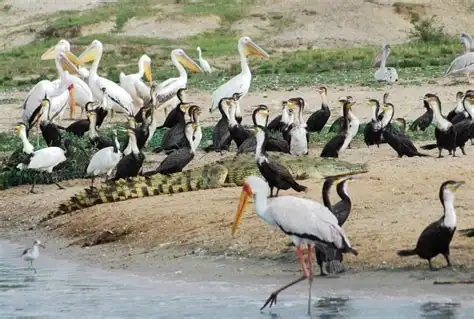
Plan your birding trip in Uganda during the dry season for easier access, better sightings, and ideal conditions across top birding destinations.
Planning a birding trip during the dry season offers practical advantages for travellers exploring Uganda’s rich habitats. On a Uganda Safari between June and August or December to February allows easier movement through places like Bwindi Impenetrable National Park and Mabamba Swamp, where bird activity remains strong and visibility improves due to thinner vegetation.
1 Our Best Safaris on a Uganda Safari
1 Day To Jinja, Sezibwa falls and Mabira forest Hike
2 Days Jinja Tour and White Water Rafting
3 Days Uganda Gorilla Trekking Safari and Batwa Pygmies Visit in Bwindi National Park
4 Days Fly in Kidepo Valley National Park Safaris
5 Days Chimpanzees Trekking and Murchison Falls Wildlife Adventure Safari
6 Days Kidepo Valley and Murchison Falls Wildlife Safari
7 Days Queen Elizabeth Gorillas Trekking In Bwindi and Lake Mburo Safari
8 Days Murchison Chimpanzees Queen Elizabeth and Gorilla Safari
Long Dry Seasons
Planning a birding trip during the dry season from June to August is one of the most reliable options for travellers. During this period, rainfall is minimal across key birding destinations like Bwindi Impenetrable National Park and Queen Elizabeth National Park, making forest trails and savannah tracks easier to navigate. On a Uganda Safari in these months allows birders to move comfortably between habitats without delays caused by muddy roads or heavy downpours. Migratory birds from Europe and North Africa may still be present early in June, while resident species remain active and easier to spot due to reduced vegetation density. Photography conditions are also more predictable, with clearer skies and better lighting throughout the day. This period is especially suitable for combining birding with wildlife viewing, as animals gather around water sources, increasing overall sightings. Booking early is recommended since it is a peak travel season. Overall, the dry months offer consistency, accessibility, and a balanced birding experience across Uganda.
Short Dry Season
The short dry season from December to February is another excellent window for birding in Uganda. During this time, conditions are generally warm and dry, particularly in areas like Murchison Falls National Park and Lake Mburo National Park. Choosing on a Uganda Safari in these months provides a mix of comfort and productivity, especially for birders targeting both savannah and wetland species. Migratory birds from the northern hemisphere are fully present, adding diversity to the already rich resident populations. Grass is shorter, making it easier to spot ground-dwelling birds, while water sources attract a variety of species throughout the day. The weather also supports longer birding sessions without interruptions from rain. This period tends to be less crowded than mid-year, offering a quieter and more relaxed pace. It is ideal for travellers who prefer stable weather but want to avoid peak tourist congestion. With proper planning, this season delivers strong birding results across multiple habitats in Uganda.
Long Rainy Season
The long rainy season from March to May is often overlooked, but it offers unique advantages for birding enthusiasts. On a Uganda Safari during this time transforms landscapes into lush, green habitats, particularly in forests like Kibale National Park and Budongo Forest. Bird activity increases significantly due to breeding behaviour, with many species displaying vibrant plumage and engaging in courtship. This makes it a rewarding time for observing rare and endemic birds. However, heavy rains can make access more challenging, especially on rural roads. Birders need to plan carefully and allow extra travel time between locations. Despite these logistical hurdles, the reduced number of tourists means quieter birding environments and more personal encounters with nature. This season is ideal for experienced birders who prioritise species richness and behaviour over convenience. With patience and proper preparation, the rainy season can provide some of the most rewarding birding opportunities in Uganda.
During the Short Rainy Season
The short rainy season between September and November presents a balanced opportunity for birding across Uganda. During this period, on a Uganda Safari offers renewed vegetation and increased insect activity, which in turn attracts a wide variety of bird species. Areas like Semuliki National Park and Mabamba Swamp become especially productive for birdwatching. Migratory birds begin arriving again, boosting species diversity significantly. While rainfall occurs, it is usually less intense than the long rainy season, allowing for flexible travel plans. Birders can enjoy active forests and wetlands without the heavy crowds seen in peak seasons. This is also a good time for photography, as the landscapes are fresh and vibrant. Travellers who do not mind occasional showers will find this season rewarding and less competitive for bookings. Overall, it is a practical choice for combining good bird activity with moderate travel conditions.
Migratory Bird Species
For those specifically interested in migratory birds, the period from November to April is ideal. During this time, on a Uganda Safari introduces birders to species arriving from Europe, Asia, and North Africa. Wetlands such as Mabamba Swamp and Queen Elizabeth National Park host a mix of resident and migratory birds, creating rich viewing opportunities. This is when bird diversity peaks, making it a preferred window for serious birdwatchers and researchers. The presence of migratory species also increases chances of spotting rare birds not seen at other times of the year. Weather conditions vary within this range, but careful planning can help avoid heavy rains. Early mornings and late afternoons are especially productive for sightings. This period is perfect for travellers aiming to expand their life lists and observe seasonal bird movements across Uganda’s diverse ecosystems.
Endemic Species
Uganda is home to several Albertine Rift endemics, and these can be seen throughout the year with proper timing. On a Uganda Safari focused on endemic species often includes visits to Bwindi Impenetrable National Park and Mgahinga Gorilla National Park. While these birds are present year-round, their visibility improves during certain periods, especially in the dry seasons when trails are more accessible. Early mornings are the most productive times, as birds are active and vocal. Hiring a knowledgeable local guide can make a significant difference in locating these often elusive species. Weather plays a role, but consistency in planning and patience are key factors. Birders interested in endemics should prioritise habitat-specific visits rather than focusing only on seasonal timing. With the right approach, Uganda offers reliable opportunities to observe its unique bird species regardless of the time of year.
Forest Birding
Forest birding in Uganda tends to be more productive during the wetter months when food is abundant. On a Uganda Safari targeting forest species benefits from visits to places like Kibale National Park and Bwindi Impenetrable National Park. During rainy periods, insect populations increase, attracting a wide range of birds. Many species breed at this time, making them more visible and active. However, birders must be prepared for challenging trail conditions and occasional rain interruptions. Waterproof gear and flexible schedules are essential. The dense forest environment requires patience and attentive listening, as sightings can be brief. Despite the challenges, this season offers some of the richest birding experiences for those interested in forest specialists. The rewards often outweigh the difficulties, especially for dedicated birdwatchers seeking rare and colourful species.
Wetland Birding
Wetland birding is most effective during the dry seasons when water levels recede slightly, concentrating birdlife. On a Uganda Safari during these months is ideal for exploring areas such as Mabamba Swamp and Lake Mburo National Park. Birds gather around remaining water sources, making them easier to locate and observe. Iconic species like the shoebill are more predictable during this time. Boat trips become smoother and more accessible, enhancing the overall experience. Early morning excursions offer the best chances for sightings, as bird activity peaks at sunrise. The reduced vegetation also improves visibility across wetlands. This season is particularly suitable for photographers aiming to capture clear and detailed images. With proper planning, dry season wetland birding delivers consistent and rewarding results across Uganda.
Photography
Photography plays a big role in modern birding, and timing can significantly affect results. On a Uganda Safari planned during the dry months provides better lighting conditions, especially in open habitats like Queen Elizabeth National Park and Murchison Falls National Park. Clear skies and stable weather allow photographers to work with natural light more effectively. Birds are also easier to spot due to thinner vegetation, improving composition opportunities. Early mornings and late afternoons offer soft light that enhances color and detail. While wet seasons provide lush backgrounds, they can limit visibility and equipment handling. Photographers need to balance these factors when planning their trips. For most, the dry season offers a more controlled and productive environment. With the right timing, Uganda delivers excellent conditions for capturing its rich birdlife.
Balanced Experience
For travellers seeking a well rounded trip, birding in Uganda can be planned at almost any time of the year. On a Uganda Safari that combines multiple regions such as Bwindi Impenetrable National Park, Murchison Falls National Park, and Kibale National Park can deliver diverse birding opportunities regardless of season. The key is to adjust expectations and plan activities around weather patterns. Mixing forest, wetland, and savannah habitats increases species variety and overall satisfaction. Flexible itineraries allow travellers to adapt to changing conditions and maximise sightings. Working with experienced guides, such as those from Lamz Tours and Travel, helps navigate seasonal challenges effectively. This approach ensures that birders enjoy both comfort and diversity throughout their journey. Uganda’s rich ecosystems support birding year-round, making it one of Africa’s most reliable destinations for enthusiasts.
When to Plan Your Birding Safari in Uganda on a Uganda Safari
Choosing the right time is the foundation of a successful birding trip. The best time to plan your journey is during the dry seasons from June to August and December to February when access to birding areas is easier. During these months, on a Uganda Safari allows you to explore top birding habitats like Bwindi Impenetrable National Park and Mabamba Swamp without the challenge of muddy trails. Migratory birds are also present between November and April, increasing species diversity significantly. While the rainy seasons bring lush vegetation and active breeding, they can slow down travel plans. Birders who prioritise comfort and smooth logistics often prefer the dry months, while those interested in bird behaviour may consider the wet seasons. Planning ahead ensures better lodge availability and guide scheduling. With proper timing, Uganda offers consistent birding opportunities, making it one of Africa’s most reliable destinations for both beginners and experienced birdwatchers.
How to Get There for Your Birding Safari in Uganda on a Uganda Safari
Reaching Uganda for birding is straightforward, with most international travellers flying into Entebbe International Airport. From there, on a Uganda Safari typically begins with road transfers or domestic flights to major birding regions. Key destinations like Murchison Falls National Park and Kibale National Park are accessible by well-maintained highways, though some final stretches may be rough. Domestic charter flights are available for travellers who want to save time and avoid long drives. Road travel, however, offers the advantage of spotting birds along the way, turning the journey into part of the experience. Hiring a reliable tour operator ensures smooth transfers and well planned routes between birding hotspots. For first-time visitors, combining air and road travel can balance comfort and exploration. With proper logistics, getting around Uganda becomes part of the adventure, offering early bird sightings even before reaching your main destination.
Things to Do on Your Birding Safari in Uganda on a Uganda Safari
Birding is the main focus, but there is much more to enjoy along the way. On a Uganda Safari offers diverse activities across habitats such as forests, wetlands, and savannahs. In places like Queen Elizabeth National Park, birders can combine game drives with birdwatching, spotting both wildlife and species like eagles and kingfishers. Boat cruises along the Kazinga Channel or in Murchison Falls National Park provide excellent opportunities to see water birds up close. Forest walks in Kibale or Bwindi introduce you to rare and endemic species, often guided by experts who know the calls and habitats. Community visits and cultural encounters can also be included, offering a broader understanding of local life. Photography, nature walks, and even primate tracking can complement birding. This variety keeps the safari engaging and balanced, making Uganda ideal for travellers who want more than just a checklist of bird species.
What to Carry for Your Birding Safari in Uganda on a Uganda Safari
Packing well can make a big difference in your birding success. For on a Uganda Safari, lightweight clothing in neutral colors is recommended to blend into natural surroundings. A good pair of binoculars is essential, along with a camera for capturing sightings. In areas like Semuliki National Park and Budongo Forest, waterproof gear is important due to occasional rain. Comfortable walking shoes or boots are necessary for forest trails and uneven terrain. A field guidebook, notebook, and bird checklist can help track species seen during the trip. Insect repellent and sunscreen are also useful for protection. Carrying a small daypack ensures easy access to essentials during excursions. Being well-prepared allows you to focus on birding without unnecessary distractions. With the right gear, you can adapt to Uganda’s varied environments and enjoy each moment in the field.
Where to Stay on Your Birding Safari in Uganda on a Uganda Safari
Accommodation options in Uganda range from luxury lodges to mid-range camps and budget guesthouses. On a Uganda Safari often includes stays near prime birding areas such as Bwindi Impenetrable National Park and Lake Mburo National Park. Many lodges are strategically located to provide quick access to birding trails, allowing early morning starts when bird activity is highest. Some properties even have bird-rich gardens, giving you chances to spot species without leaving the lodge. Comfort levels vary, but most accommodations focus on blending with the natural environment while offering essential services. Booking in advance is recommended, especially during peak seasons. Choosing the right place to stay can enhance your overall experience by reducing travel time and increasing birding opportunities. Whether you prefer luxury or simplicity, Uganda provides suitable options for every type of traveller.
Health and Safety for Your Birding Safari in Uganda on a Uganda Safari
Health and safety should always be part of your planning process. Before starting on a Uganda Safari, travellers are advised to get necessary vaccinations, including yellow fever, which is required for entry. In regions like Kibale National Park and Murchison Falls National Park, carrying insect repellent helps reduce the risk of mosquito bites. Drinking bottled or treated water is recommended throughout the trip. Following your guide’s instructions is important, especially in wildlife areas where safety rules must be observed. Uganda is generally safe for tourists, but basic precautions like keeping valuables secure are advised. Travel insurance is also a wise addition for peace of mind. With proper preparation and awareness, birding in Uganda remains a safe and enjoyable activity for visitors from around the world.
Is Uganda Good for Safaris on a Uganda Safari?
Uganda is widely regarded as one of Africa’s most rewarding destinations, and the answer is a clear yes. On a Uganda Safari offers a rare mix of wildlife, landscapes, and cultural encounters that are difficult to find in one country. From tracking mountain gorillas in Bwindi Impenetrable National Park to game drives in Queen Elizabeth National Park, the diversity is impressive. Uganda is also a leading birding destination, with over 1,000 recorded species across forests, wetlands, and savannahs. What makes it stand out is the balance between adventure and accessibility, as many parks are reachable by road. The country is less crowded than some neighboring safari destinations, which allows for a more relaxed and personal pace. Visitors can combine primate tracking, birding, and classic wildlife viewing within one itinerary. With experienced operators like Lamz Tours and Travel, planning becomes easier and more tailored. Overall, Uganda delivers a well rounded safari that suits both first-time visitors and seasoned travellers.
How Much Does a Safari Cost in Uganda on a Uganda Safari?
The cost of a safari in Uganda varies depending on travel style, duration, and activities included. A budget uganda safari can start from around $150 to $250 per person per day, covering basic accommodation, transport, and guiding. Mid-range options typically range between $250 and $450 per day, offering more comfort and better-located lodges near parks like Murchison Falls National Park and Kibale National Park. Luxury safaris can exceed $600 per day, with high-end lodges, private vehicles, and personalised service. Gorilla trekking permits in Bwindi Impenetrable National Park are a major cost factor, currently priced at $800 per person. Additional expenses may include domestic flights, park fees, and optional activities like boat cruises or chimpanzee tracking. Booking with a trusted operator such as Lamz Tours and Travel helps ensure transparency and value for money. With proper planning, Uganda offers flexible pricing that can suit different budgets without compromising the safari experience.
Are There Any Safaris in Uganda on a Uganda Safari?
Yes, Uganda offers a wide range of safari options across different regions and ecosystems. On a Uganda Safari is not limited to one type of experience but instead combines several styles of exploration. In Murchison Falls National Park, visitors enjoy classic game drives with sightings of elephants, lions, and giraffes. In Kibale National Park, chimpanzee tracking provides a closer look at primate behaviour in forest habitats. Boat safaris along rivers and channels offer unique views of hippos, crocodiles, and water birds. For those interested in rare wildlife, gorilla trekking in Bwindi Impenetrable National Park is a highlight. Birding safaris, cultural tours, and nature walks can all be included in one itinerary. With guidance from experienced operators like Lamz Tours and Travel, travellers can customise their journey to match their interests. Uganda’s variety ensures that every safari feels different and engaging.
Why Book with Lamz Tours and Travel for Your Birding Safari in Uganda on a Uganda Safari
Choosing the right operator can shape your entire journey. Booking on a Uganda Safari with Lamz Tours and Travel gives you access to experienced guides who understand bird habitats, calls, and seasonal movements. Their itineraries are flexible, allowing adjustments based on weather and bird activity. For destinations like Bwindi Impenetrable National Park and Mabamba Swamp, having a knowledgeable guide significantly improves your chances of spotting rare species. Lamz Tours and Travel also handles logistics such as transport, permits, and accommodation, reducing stress for travellers. Personalised service ensures that both beginner and advanced birders get the most out of their trip. Their strong local connections and commitment to client satisfaction make them a reliable choice. With the right team behind you, your birding safari becomes more organised, productive, and enjoyable from start to finish.
Ready to plan your safari?
Talk to a Lamz Tours specialist and get a tailor-made quote.
Make an enquiry