Plan your Serengeti migration tours with expert timing tips for river crossings, calving season, quieter months, and affordable safari options.
Wondering when to plan your Serengeti migration tours? Timing is everything, and each season offers a different kind of wildlife drama. From July to October, the northern Serengeti becomes the stage for dramatic river crossings, where wildebeest face crocodile-filled waters and safari crowds peak. Between January and March, the Ndutu plains host the calving season, with thousands of newborns attracting predators and creating intense wildlife action. April to May brings quieter safaris with green landscapes and fewer visitors, while November to December offers affordable trips as herds move south during the short rains. Since rainfall dictates herd movements, exact dates vary, making expert guidance essential. Choosing Serengeti migration tours with proper planning ensures you match your expectations whether river crossings, calving, or quieter safaris to the right season.
Best Tanzania safari tour packages
The best time to go for Serengeti migration tours
For Dramatic River Crossings travel in July to October
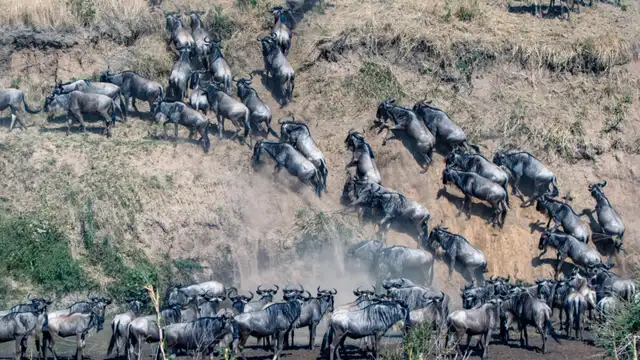
During July to October, Serengeti migration tours focus on the northern Serengeti, where wildebeest attempt dangerous crossings of the Mara and Grumeti rivers. This is the busiest safari season, with intense wildlife action and large crowds. June to July marks the start as herds gather in the Western Corridor, facing the Grumeti River. August to September is the prime period for Mara River crossings, when thousands of animals plunge into crocodile-filled waters. October sees the herds slowly moving south, though excellent viewing remains in the north. Travelers should book accommodation and tours well in advance, as demand is extremely high. Choosing Serengeti migration tours during this time guarantees dramatic wildlife spectacles but requires careful planning for availability and costs.
For Newborn Calves and Predator Action consider January to March
From January to March, Serengeti migration tours highlight the calving season in the Ndutu area’s southern plains. Thousands of wildebeest calves are born daily, creating a moving wildlife scene. This abundance of vulnerable young attracts predators such as lions, cheetahs, and hyenas, offering travelers a chance to see intense predator-prey interactions. January begins the calving, while February is the peak with the highest concentration of newborns. March continues with predator activity as herds remain in the south. Crowds are moderate compared to peak river crossing months, and the weather is warm with occasional showers. Choosing Serengeti migration tours during this period provides a unique perspective on the cycle of life, with dramatic wildlife behavior and fewer tourists.
Other Times to Consider book April to May
April to May is the long rains season, when Serengeti migration tours offer quieter experiences. Roads can be muddy, and some camps close, but this period is excellent for photographers seeking green landscapes and minimal crowds. Herds move through the Western Corridor, and birdwatching is particularly rewarding. Prices are lower, making it a cost-effective time for travelers who prioritize affordability and solitude over peak migration drama. While river crossings are not happening yet, the scenery and wildlife diversity remain strong. Choosing Serengeti migration tours in April or May suits those who value privacy, budget-friendly options, and a chance to capture unique images of the Serengeti’s seasonal transformation.
Other Times to Consider is November to December
November to December marks the short rains, when Serengeti migration tours showcase herds moving south through the central plains. Landscapes turn green again, birdlife is abundant, and crowds are thinner compared to peak months. This period is more affordable, with good deals on camps and lodges. Wildlife viewing remains strong as the herds prepare for the next calving season in the south. November offers quieter safaris, while December transitions into the start of calving. Travelers who prefer fewer vehicles and lower costs find this time appealing. Choosing Serengeti migration tours in November or December balances affordability, wildlife diversity, and a calmer safari atmosphere before the busy months return.
A Note on Timing
The timing of Serengeti migration tours depends on rainfall, which shifts patterns slightly each year. While general seasonal windows are reliable, exact arrival dates cannot be guaranteed. Consulting a safari expert close to your travel dates ensures accurate updates and helps match your expectations with real-time herd movements. Choosing Serengeti migration tours with expert guidance reduces the risk of missing key wildlife events and maximizes the value of your safari investment.
How to get there for Serengeti migration tours
Getting to the Serengeti for Serengeti migration tours usually starts with international flights into Kilimanjaro International Airport or Julius Nyerere International Airport in Dar es Salaam, followed by a domestic flight to Arusha. From Arusha, travelers can either take scheduled or charter flights directly to Serengeti airstrips such as Seronera, Kogatende, or Grumeti, which save time and provide aerial views of the plains. Road transfers are also possible, with an 8-hour drive from Arusha through Ngorongoro or Lake Manyara offering cultural stops and wildlife viewing along the way. Choosing Serengeti migration tours with a mix of flights and road transfers balances convenience, cost, and added safari experiences, ensuring smooth access to the migration highlights.
What to expect during Serengeti migration tours
During Serengeti migration tours, travelers can expect to witness one of the most dynamic wildlife events in Africa. The movement of millions of wildebeest, zebras, and gazelles is dictated by rainfall, meaning the herds shift locations throughout the year. Depending on the season, you may see dramatic river crossings in the north, calving in the south, or herds spread across the central plains. Each phase offers unique wildlife behavior, from predator hunts to tense crossings against crocodiles. Serengeti migration tours also bring varying crowd levels, with peak months requiring early bookings and quieter seasons offering more privacy and lower costs.
Beyond the herds, Serengeti migration tours provide a full safari experience shaped by timing and location. In January to March, the calving season delivers predator action and newborn wildlife scenes. July to October showcases the famous Mara River crossings, though with heavy tourist presence. April to May and November to December are quieter, with green landscapes, birdlife, and affordable rates. Weather conditions also play a role, with rains affecting accessibility but enriching the scenery. Choosing Serengeti migration tours with expert guidance ensures you match your expectations whether dramatic wildlife action, fewer crowds, or budget-friendly options to the right season.
Best safari activities not to miss during Serengeti migration tours
During Serengeti migration tours, one of the best safari activities is joining game drives that follow the herds across different regions. These drives allow travelers to witness dramatic wildlife behavior, from river crossings in the north to calving in the south. Guides track herd movements daily, ensuring visitors are positioned at the right spots for action. Hot air balloon rides are another highlight, offering a rare aerial view of thousands of animals moving across the plains. Choosing Serengeti migration tours with these activities adds depth to the experience, combining close-up wildlife viewing with panoramic perspectives that capture the scale of the migration.
Beyond the core drives, Serengeti migration tours can include walking safaris, cultural visits, and photography-focused excursions. Walking safaris provide insight into smaller wildlife, plants, and tracks often missed from vehicles. Cultural visits to Maasai communities add human context to the land, while photography tours help travelers capture dramatic migration scenes with expert guidance. Night drives in select areas reveal nocturnal species, adding variety to the safari. Choosing Serengeti migration tours with this mix of activities ensures travelers don’t just watch the migration but also understand the ecosystem and culture surrounding it, making the safari richer and more valuable.
Top tips for best Serengeti migration tours experience
For the best experience during Serengeti migration tours, timing and preparation are key. Book accommodations and permits well in advance, especially for peak months like July to October when river crossings attract heavy demand. Choose camps close to migration routes to reduce long drives and maximize wildlife viewing. Pack practical gear such as neutral clothing, binoculars, sunscreen, and insect repellent to stay comfortable during long game drives. Work with experienced guides who track herd movements daily, ensuring you’re positioned at the right spots for action. Staying flexible with expectations is important, as the migration depends on rainfall and herd behavior. By planning carefully and relying on expert guidance, Serengeti migration tours deliver the most rewarding safari experiences
What to pack for Serengeti migration tours
Packing smartly for Serengeti migration tours ensures comfort and readiness for long days in the bush. Neutral-colored, lightweight clothing works best, with layers to handle cool mornings and hot afternoons. A wide-brimmed hat, sunscreen, and insect repellent are essentials for protection. Sturdy walking shoes or boots help during camp walks, while a light rain jacket is useful in wet months. Binoculars and a good camera with extra batteries and memory cards are vital for capturing migration scenes. Reusable water bottles keep you hydrated, and a small backpack helps carry daily items. Don’t forget personal medications and travel documents. Choosing Serengeti migration tours with the right gear allows you to focus on wildlife action without discomfort or distractions.
Top places to stay in during Serengeti migration tours
Top places to stay during Serengeti migration tours range from luxury lodges to mobile tented camps, each designed to place travelers close to the herds at different stages of the migration. Options like Four Seasons Safari Lodge Serengeti provide year-round comfort with modern amenities, while Serengeti Migration Camp positions guests near the Mara River for dramatic crossings. For those seeking exclusivity, Sayari Camp offers luxury tents in the northern Serengeti, ideal during July to October. Budget-conscious travelers can consider Serengeti Tortilis Camp, which balances affordability with prime access to central migration routes. Choosing Serengeti migration tours with the right accommodation ensures you’re strategically located for wildlife action, whether calving in the south or river crossings in the north
Booking Serengeti migration tours With Lamz Tours and Travel
Booking Serengeti migration tours with Lamz Tours and Travel ensures a well-planned and value-driven safari experience tailored to the migration’s seasonal highlights. Lamz Tours and Travel specializes in designing itineraries that match the exact timing of herd movements, whether you want to witness dramatic Mara River crossings between July and October or the calving season in Ndutu from January to March. Our team handles logistics such as flights, transfers, and permits, while also securing accommodations close to migration routes for maximum wildlife viewing. By choosing Serengeti migration tours with Lamz Tours and Travel, travelers benefit from expert guidance, personalized service, and responsible tourism practices that support conservation and local communities, making the safari both rewarding and seamless from start to finish.
Ready to plan your safari?
Talk to a Lamz Tours specialist and get a tailor-made quote.
Make an enquiry