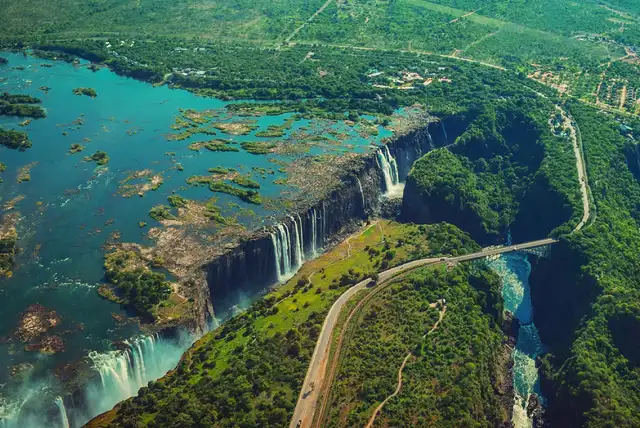
Victoria Falls, one of the Seven Natural Wonders of the World, is a breathtaking spectacle that draws travelers from across the globe with its thundering waters and stunning landscapes. Victoria Falls, known locally as Mosi-oa-Tunya, or "The Smoke That Thunders," is one of the most awe-inspiring natural wonders of the world. Straddling the border between Zambia and Zimbabwe, this majestic waterfall is not only a UNESCO World Heritage site but also one of the largest and most powerful waterfalls on the planet. With a width of over a mile and a height of 354 feet, the sheer volume of water thundering down creates a mesmerizing spectacle that can be seen and heard from miles away.
However, the experience of this magnificent destination can vary dramatically depending on when you visit. From the roaring torrents of the rainy season to the serene beauty of the dry months, each time of year offers unique opportunities to explore and appreciate the falls.
The falls are part of the Zambezi River, which flows through a series of gorges, creating breathtaking viewpoints and a rich tapestry of lush rainforests and diverse ecosystems. The mist generated by the cascading water nurtures a vibrant habitat, home to various flora and fauna, making it a paradise for adventure seekers. Visitors flock to Victoria Falls year-round, captivated by its raw beauty and the myriad of activities that surround it, from adrenaline-pumping bungee jumping and white-water rafting to serene sunset cruises along the Zambezi. The area is also steeped in rich cultural history, with local communities and traditions adding an additional layer of depth to the experience.
Best time to visit Victoria falls/ Weather Patterns
Victoria Falls, one of the most awe-inspiring natural wonders in the world, offers a unique experience that varies dramatically with the changing seasons. Understanding the seasonal landscape not only enhances your visit but also helps you make the most of this breathtaking destination. Ultimately, the best time to visit Victoria Falls depends on your preferences and what you hope to experience during your trip. Whether you prioritize clear views and outdoor activities or seek to witness the falls in all their thundering glory, there's a season that caters to your interests.
The Dry Season (May to October)
The dry season is often considered the best time to visit Victoria Falls. During this period, the water levels in the Zambezi River drop, exposing more of the rock face and creating better visibility of the falls. This is particularly advantageous for photographers and those looking to get a clear view of the majestic cascades. The months of September and October are especially popular as the water levels are at their lowest, providing incredible views of the geological formations and allowing for activities such as swimming in the Devil's Pool.
In addition to the impressive views, the dry season also offers ideal conditions for activities such as white-water rafting, bungee jumping, and helicopter flights over the falls. The weather is generally dry and sunny, making it a great time for outdoor adventures. However, it's important to note that this is peak tourist season, so popular viewpoints and accommodations may be crowded.
The Wet Season (November to April)
The wet season at Victoria Falls brings a dramatic change in scenery as the water levels rise and the falls reach their peak flow. The spray from the falls creates a mesmerizing mist that blankets the surrounding area, giving rise to rainbows and lush vegetation. This is a magical time to witness the sheer power and beauty of Victoria Falls in full force.
While the wet season offers a more immersive experience of the falls, with the thundering sound and mist creating a truly awe-inspiring atmosphere, it also comes with some considerations. The heavy rainfall can make some activities inaccessible or less enjoyable, and the dense vegetation may obstruct views of the falls from certain vantage points. Additionally, the high water levels can limit certain water-based activities.
Shoulder Seasons (April to June and November)
The shoulder seasons offer a balance between the dry and wet seasons, providing a middle ground for visitors who want to avoid the crowds of peak season while still enjoying favorable conditions. In April and May, the water levels are rising but not yet at their peak, offering a compromise between visibility and flow. Similarly, in November, the water levels are receding from their peak, allowing for good visibility while still experiencing impressive flow.
What is the Best Time for High Water Levels?
When it comes to experiencing the majestic Victoria Falls in all its thunderous glory, timing is everything. The best time for high water levels typically falls between February and May, coinciding with the rainy season in the region. During this period, the Zambezi River swells with the overflow from the summer rains, transforming the falls into a breathtaking spectacle of power and beauty.
As the water cascades over the edge, the roar of the falls becomes a commanding presence, echoing through the surrounding landscape. Visitors during these months are treated to a stunning visual display, with a wide curtain of water plunging into the gorge below, creating mesmerizing rainbows in the mist that rises like a gentle shroud around the falls. The lush greenery surrounding the area is at its most vibrant, making for an ideal backdrop for photography and exploration.
What is the Best Time for Low Water Levels?
When it comes to experiencing the awe-inspiring beauty of Victoria Falls, timing can significantly enhance your visit. If you’re seeking the best conditions for low water levels, the months from September to December are your ideal window. During this period, the Zambezi River’s water flow decreases, revealing the intricate rock formations and the breathtaking geological features that lie beneath the cascading waters.
This stunning transformation offers a unique perspective on the falls, allowing visitors to witness the breathtaking gorges and shimmering pools that are often obscured by the powerful torrents of water during the peak flow months. The lower water levels also create an opportunity for thrilling activities such as white-water rafting and swimming in the Devil's Pool, an exhilarating natural infinity pool perched right at the edge of the falls.
What are some of activities and Attractions to encounter by Seasons?
When planning your visit to the awe-inspiring Victoria Falls, it's essential to consider the seasonal variations that influence the activities and attractions available. Each season offers a unique way to experience this natural wonder, allowing travelers to tailor their adventures based on their interests.
Summer (September to November)
As temperatures rise, the water levels in the Zambezi River begin to recede, creating spectacular opportunities for thrilling activities. This is the prime time for white-water rafting, where adrenaline junkies can navigate the challenging rapids of the river below the falls. The lower water levels also reveal stunning rock formations and lagoons, making for picturesque swimming spots. Don't miss the chance to take a helicopter ride for a breathtaking aerial view of the falls in full glory against the backdrop of lush green landscapes.
Wet Season (December to February)
The rainy season brings a different kind of magic to Victoria Falls. As the Zambezi River swells with rainfall, the falls transform into a roaring cascade, producing a mesmerizing mist that creates rainbows on sunny days. This is an ideal time for photography lovers seeking to capture the dramatic beauty of the falls. Additionally, the surrounding vegetation flourishes, offering excellent wildlife viewing opportunities in nearby national parks, where you can spot elephants, giraffes, and an array of bird species.
Autumn (March to May)
As the rainy season draws to a close, the falls begin to stabilize. This transitional period offers a balanced experience, with moderate water levels that allow for both scenic views and exciting activities. March is particularly special, as it marks the peak flow of the falls. Visitors can enjoy guided walking tours along the scenic viewpoints, offering close-up encounters with the thundering water. It's also a great time for cultural experiences, as local festivals and events often occur, allowing travelers to immerse themselves in the rich heritage of the region.
Ready to plan your safari?
Talk to a Lamz Tours specialist and get a tailor-made quote.
Make an enquiry