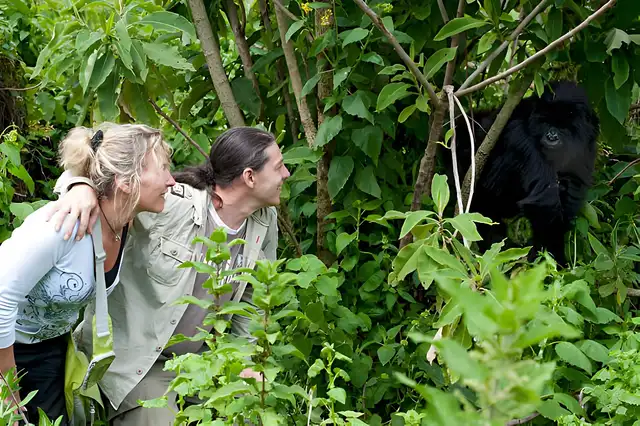
Best time to visit gorillas in Rwanda is June–September for dry trails or December–February for fewer crowds, with permits required year-round
Best Rwanda gorilla safari packages
3 Days Gorilla Trekking Safari in Rwanda
3 Days Chimpanzee Trekking Safari in Nyungwe Forest, Rwanda
4 Days Nyungwe Forest National Park and Lake Kivu Safari
4 Days Golden monkeys And Gorilla Trekking Safari
5 Days Amboseli and Tsavo West Wildlife Safari
6 Days Mount Kilimanjaro Machame Route
8 Day Serengeti, Ngorongoro Crater and Zanzibar
When is the best time to visit gorillas in Rwanda
Dry season from June to September is the best time.
For seeing gorillas in Rwanda, the dry months of June, July, August, and September offer the easiest trekking conditions. Trails stay firm and not slippery, so you walk faster and safer. Rain is rare during these months, meaning your camera gear stays dry. A trek for gorillas in Rwanda in July or August costs more because permits sell out fast. However, you get clear skies and better photos. The vegetation is shorter, so you spot the gorillas quicker once you enter the forest. Book your permit at least six months ahead for these peak months. Bring good hiking boots because even dry trails have uneven ground.
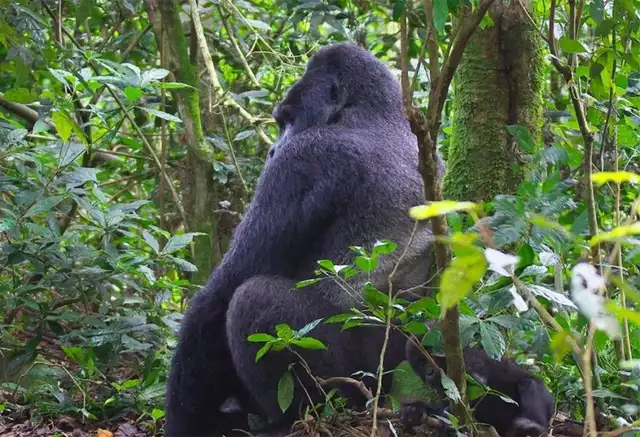
December to February is the second best window.
These months have less rain than March to May, making them a solid choice for gorillas in Rwanda. The short dry spell between the two rainy seasons gives you decent trekking conditions. Days stay sunny, but afternoon showers happen. A trek for gorillas in Rwanda in January means fewer tourists than June to September. You save money on accommodation because demand drops slightly. The forest is still manageable, though you may hit mud patches. Bring a light rain jacket and waterproof pants. The gorillas behave the same year-round, so sighting quality does not change. Only trail difficulty varies.
March to May is the wet season to avoid.
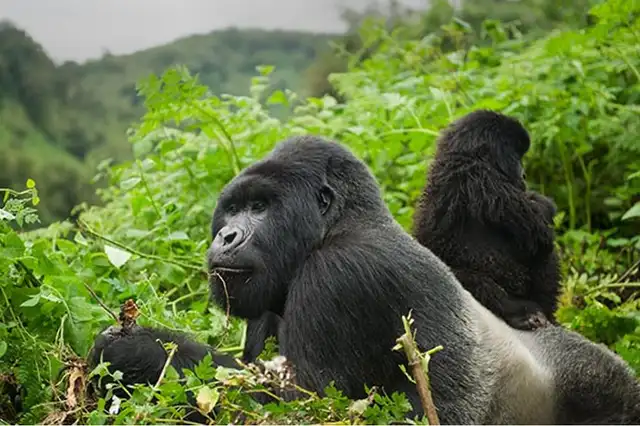
Trekking for gorillas in Rwanda from March through May is hard work. Heavy daily rains turn trails into deep mud. You slip often, and the walk takes twice as long. Leeches are active in wet conditions, so you need leech socks. A trek for gorillas in Rwanda in April costs less because permits drop in price. Some lodges offer discounts up to 30%. However, the difficulty is not worth the saving for most people. Your view of the gorillas may be blocked by thick vegetation that grows fast in rain. Only choose wet season if you have limited budget and good fitness.
Altitude affects your trek more than rain.
Volcanoes National Park sits between 2,400 and 3,000 meters high. For gorillas in Rwanda, the thin air makes walking hard even in dry season. You need to train for steep climbs before your trip. The best time for gorillas in Rwanda also depends on your physical shape. If you cannot walk uphill for two hours, avoid wet months when trails get worse. Drink two liters of water before your trek. Take diamox if you get altitude sickness easily. The dry season does not fix the altitude problem. It only fixes the mud problem. Prepare your legs and lungs regardless of when you book.
Permit cost is the same year-round despite weather.
A standard permit for gorillas in Rwanda costs $1,500 per person. This price does not change between wet and dry seasons. The best time for gorillas in Rwanda based on value is December to February. You get decent weather with fewer crowds. The dry season charges the same $1,500 but fills up faster. Some tour operators offer cheaper packages in March to May, but the permit itself stays fixed. For gorillas in Rwanda, you save on lodging and flights during wet months, not on the permit. Compare total trip cost, not just permit price. Low season flights from Europe or USA cost $200–400 less.
Gorilla groups are available year-round.
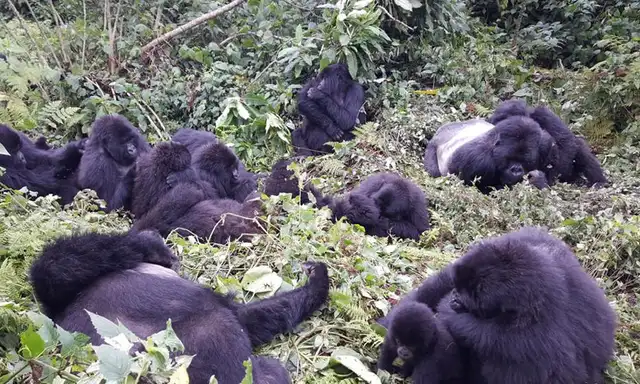
You can see gorillas in Rwanda any month because the animals do not migrate. The twelve habituated families stay in the same forest zones all year. The best time for gorillas in Rwanda affects your comfort, not your chance of seeing them. Sighting success rate is 99% in any season. Wet months just make you work harder. Trackers find the gorillas every morning before tourists start. Your group gets one hour with them regardless of rain or sun. So choose your month based on your tolerance for mud, not on gorilla behavior. They eat, rest, and play the same in April as in August.
Practical tips for picking your travel month.
Book June to September if you want dry trails and don't mind crowds. Book December to February for a balance of good weather and lower lodge rates. Avoid March to May unless you are on a tight budget and fit. For gorillas in Rwanda, always book permits through the Rwanda Development Board website or a registered tour operator. Do not wait until arrival because permits sell out in dry season. A trek for gorillas in Rwanda requires packing different gear by month: gaiters and leech socks for wet season, sun hat for dry season. Check the monthly rainfall averages before booking. February and September are often called "shoulder months" with less rain than peak dry months but still good conditions.
Top places to go to as you visit gorillas in Rwanda
Volcanoes National Park is the only place for gorillas in Rwanda. This park covers the Virunga Mountains in the northwest corner of the country. It holds twelve habituated gorilla families, each visited by one group of eight tourists per day. When you visit gorillas in Rwanda, you must start at the park headquarters in Kinigi. From there, rangers assign you to a specific family based on your fitness level. The park has trails ranging from one hour to four hours of walking. The Susa group lives high on Mount Karisimbi and requires hard climbing. The Amahoro group sits on lower slopes and suits older visitors. Stay in Kinigi town or nearby lodges the night before your trek.
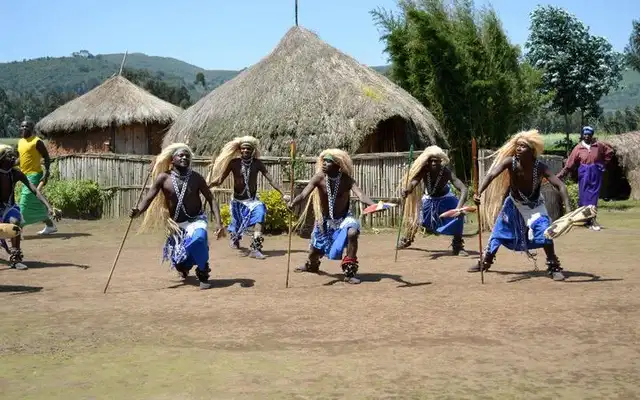
Beyond the gorilla trek, add the Ellen DeGeneres Campus and Iby'Iwacu Village. The campus near Kinigi shows you gorilla conservation work. You see veterinary labs and research centers. When you visit gorillas in Rwanda, spend an afternoon here to learn why gorilla numbers grew from 250 to over 600 in twenty years. Iby'Iwacu Village gives you a local cultural experience. Former poachers now show traditional dancing, banana beer brewing, and fire making. This visit supports community projects that protect gorillas in Rwanda. Both places cost extra but add value to your trip. Book them for the day after your trek when your legs need rest.
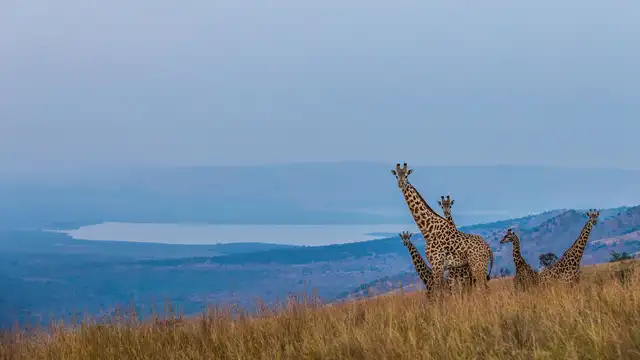
Akagera National Park for classic savannah safaris. This park in eastern Rwanda is the only place for a traditional wildlife drive. It holds the Big Five: lions, leopards, elephants, buffaloes, and rhinos. Lions were brought back in 2015 and black rhinos in 2017. A morning game drive shows you giraffes, zebras, and topi on open plains. You can also take a boat on Lake Ihema to see hippos and crocodiles up close. The park sits two hours from Kigali by road. Best time to visit is the dry season from June to September, when animals gather near water sources. Carry a camera with zoom lens because you stay inside the vehicle at all times. Do not expect gorillas here. This is savannah terrain with short grass, easy for spotting predators.
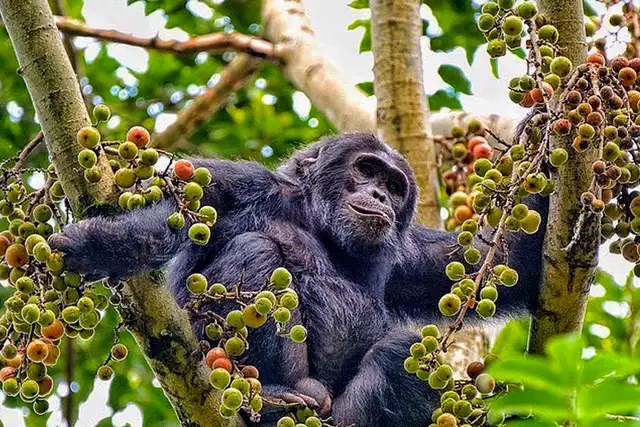
Nyungwe Forest National Park for chimpanzee tracking. This ancient rainforest in southwest Rwanda holds over 400 chimpanzees across 13 communities. A trek starts at 5 AM with a briefing at the Uwinka visitor center. You walk two to six hours through steep, muddy trails to find the chimps. The success rate is 90%. Permits cost $90 per person, much cheaper than gorilla permits. The park also has a canopy walkway, a 160-meter bridge suspended 70 meters above the forest floor. This gives you a bird's eye view of monkeys and birds. L'Hoest's monkeys and Angolan colobus live here too. Best months are June to September and December to February when trails are drier. Wear long sleeves and bring waterproof pants because the forest is wet year-round.
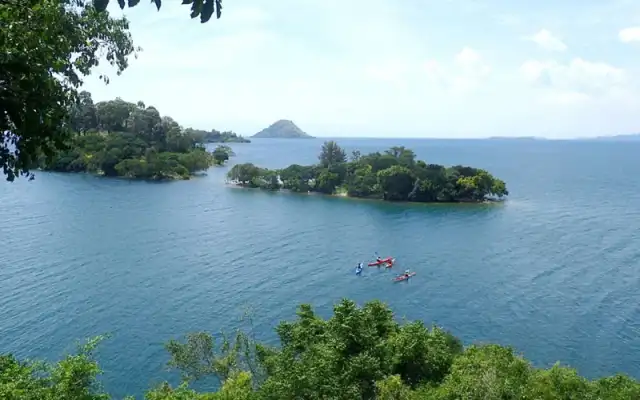
Lake Kivu for relaxation after treks. This large freshwater lake sits on Rwanda's western border with Congo. It is safe for swimming, unlike most African lakes, because it has no bilharzia or crocodiles. Towns like Gisenyi (Rubavu) and Kibuye (Karongi) offer sandy beaches and boat rides. From Gisenyi, you drive one hour to Volcanoes National Park, so many people stay here after gorilla trekking. A boat tour takes you to Napoleon Island to see fruit bat colonies. You can also kayak, paddleboard, or just sit on the shore. The Congo Nile Trail runs 227 kilometers along the eastern shore for hiking or cycling. Best time is dry season from June to September. Lake Kivu has no big wildlife, so use it as a rest stop between national parks.
Volcanoes National Park without gorilla trekking. You can still visit this park in the northwest without paying the $1,500 gorilla permit. Golden monkey tracking costs much less, about $100 per permit. These small orange-furred monkeys live in bamboo forests at the base of the Virunga mountains. The trek takes about one hour on easy terrain. You get one hour with a large troop of 30 to 80 monkeys jumping between bamboo stalks. For hikers, Mount Bisoke offers a one-day climb to a crater lake at 3,711 meters. The round trip takes six hours. Mount Karisimbi (4,507 meters) takes two days and requires camping. The Dian Fossey tomb trail is a four-hour hike that tells the story of the gorilla researcher. Carry rain gear and hiking boots even in dry season.
Cultural visits near the parks. The Gorilla Guardians Village in Kinigi, formerly called Iby'Iwacu, gives you a local experience. Former poachers now perform traditional dances, show how to brew banana beer, and explain medicinal plants. You also see how to shoot a bow and arrow. Entry costs about $15 per person. In Kigali, the Genocide Memorial is the most important historical site. It holds the remains of 250,000 victims and explains the 1994 events. The Inema Arts Center shows contemporary Rwandan paintings and sculptures. Kimironko Market sells fresh produce and colorful fabrics. A city tour takes half a day. For coffee lovers, plantations near Lake Kivu offer tours from harvest to roasting. These cultural stops add meaning to your wildlife trip
How to get there to visit gorillas in Rwanda
To visit gorillas in Rwanda, you must first fly into Kigali International Airport (KGL), the main entry point for international travelers. From Kigali, the most common and recommended way is to take a private car transfer or a guided tour vehicle, as this is the most convenient and comfortable option. The drive to Volcanoes National Park headquarters in Kinigi takes about 2 to 2.5 hours and covers roughly 110-120 kilometers on well-paved roads. For budget travelers, you can take a public bus from Kigali's Nyabugogo station to Musanze town for a few dollars, then hire a local taxi or moto to reach the park. If you are on a tight schedule for a same-day trek, you must depart Kigali by 4:30 AM to reach the 7:00 AM briefing at the park headquarters. Some luxury travelers opt for a helicopter transfer from Kigali directly to their lodge, which takes about 25 minutes. The park is open for trekking year-round, but it is essential to book your gorilla permit well in advance before arranging your transport
Best tips for visiting the gorillas in Rwanda
Book your permit at least six months ahead for dry season (June to September). Permits cost $1,500 per person and sell out fast for peak months. You can reserve through the Rwanda Development Board website or a registered tour operator. Pay by credit card or bank transfer. Once booked, no refunds for changes within 30 days of your trek. For visiting gorillas in Rwanda, arrive at the park headquarters in Kinigi by 7 AM on trek day. You get assigned to a gorilla group based on your fitness level. The rangers ask about your hiking ability, so be honest. If you have bad knees, ask for a group with a short walk. The park limits each gorilla group to eight visitors per day, so permits control access strictly. Do not show up without a permit expecting to join a group.
Hire a porter at the trailhead for $15–20. Porters carry your daypack and help you up steep muddy slopes. For visiting gorillas in Rwanda, this is the best money you spend. The porters also know the trails and warn you about slippery roots. Wear waterproof hiking boots with good ankle support. Bring gardening gloves because you grab stinging nettles and bamboo to pull yourself up. Pack a light rain jacket even in dry season because mountain weather changes fast. Keep your camera ready with a high ISO setting because forest light is low. When you find the gorillas, stay seven meters away minimum. Do not use flash. You get one hour exactly, so listen to your guide's time warnings. Turn off phone sounds. Whisper only
Best lodges to stay in for to visit gorillas in Rwanda
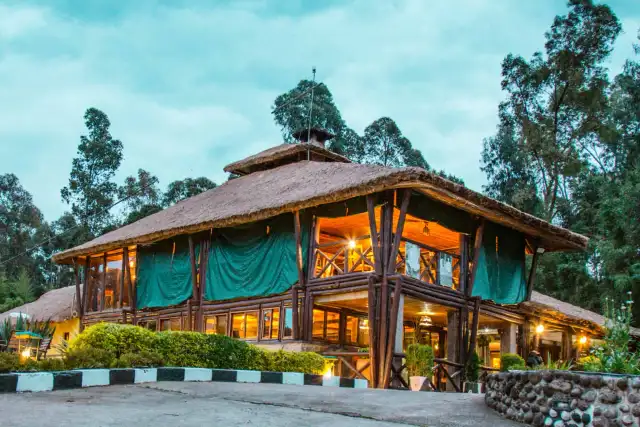
For a gorillas in Rwanda trek, the best lodges are those closest to Volcanoes National Park headquarters. Bisate Lodge offers six ultra-luxury nest-like suites on a reforested hillside with volcano views, costing $3,200+ per night, but includes all meals, drinks, and a strong community conservation focus. For a more moderate price, Sabyinyo Silverback Lodge sits just 3 kilometers from the park entrance, with individual cottages featuring fireplaces and butler service; it is owned by the local SACOLA community trust, so your money directly supports nearby villages. Mountain Gorilla View Lodge is a budget-friendly ecolodge only 10 minutes from the park gate, with stone chalets, fireplaces, and hot water bottles for chilly nights. For a gorillas in Rwanda trip, do not overlook Five Volcanoes Boutique Hotel, a clean, modern option with a pool and good restaurant about 15 minutes from the park. If you want extreme luxury, the new Bisate Reserve (opened 2024) has four massive suites with outdoor hot tubs and a private guide, costing $4,200 per night
Booking to visit gorillas in Rwanda with Lamz Tours and Travel
Booking gorillas in Rwanda with Lamz Tours and Travel is a straightforward process designed to remove all logistical stress. Start by visiting our website at www.Lamz Tours and Travel.com or emailing info@Lamz Tours and Travel.com to check permit availability for your preferred dates. Our team handles the entire process: securing your $1,500 permit from the Rwanda Development Board, arranging 4x4 transport from Kigali, and booking lodges near Volcanoes National Park. You can choose from affordable packages starting at $1,800 for 3 days or longer itineraries that combine gorillas in Rwanda with golden monkey tracking or Lake Kivu relaxation. Customer reviews highlight guides like Charles and Solomon who ensure smooth border crossings and punctual trek starts. For peak season (June–September or December–February), book your gorillas in Rwanda permits at least six months ahead because only 96 permits are issued daily . Lamz Tours and Travel also offers last-minute specials during low season (April–May, November) at reduced rates. Payment can be made via bank transfer or credit card. Once booked, you receive an official permit voucher and a detailed itinerary covering meals, park fees, and cultural visits like Iby’Iwacu Village
Ready to plan your safari?
Talk to a Lamz Tours specialist and get a tailor-made quote.
Make an enquiry