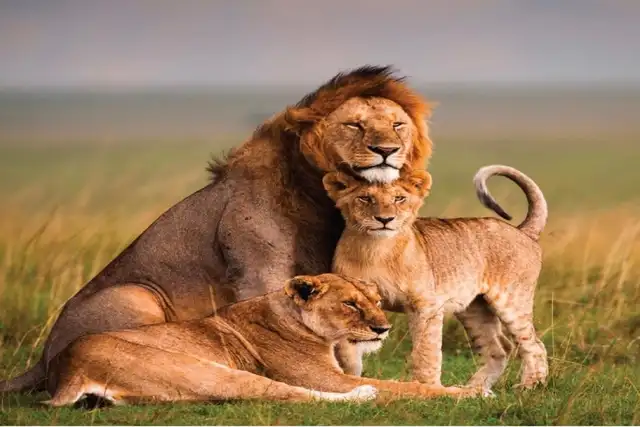
Wildlife viewing can be an incredible experience, but to make the most of it, it's important to understand the factors that can impact your chances of spotting animals. The best time for observing wildlife is typically early in the morning or late in the afternoon when animals are most active and visible. During these times, you may be able to observe animals as they hunt, forage, or interact with their surroundings.
It's also worth considering nocturnal viewing opportunities, as some animals are more active after dark. Whether you're looking for owls, bats, or other nocturnal creatures, you may be able to see them in action if you venture out after sunset.
In addition to timing your excursion carefully, it's also important to consider the season. Different species may be more visible, or exhibit different behaviours, depending on the time of year. For example, you may be able to observe birds during their breeding season or see animals that are migrating through the area. By understanding the nuances of the environment and the species you hope to observe, you can increase your chances of having a successful wildlife viewing experience.
planning and considering the time of day, season, and species can all help you get the most out of your wildlife viewing adventure. With a bit of research and careful planning, you can witness the natural world in all its glory and create memories that will last a lifetime.
What are the most common activities undertaken on wildlife safari?"
Some of the most popular activities in wildlife include safari tours, birdwatching, hiking, camping, fishing, wildlife photography, and wildlife conservation volunteering. These activities allow individuals to experience and appreciate the natural beauty of wildlife while also learning about the importance of conservation efforts to protect and preserve these precious ecosystems for future generations.
when it comes to exploring and immersing ourselves in the wonders of wildlife, there are a multitude of activities that people commonly undertake. One of the most popular activities is wildlife photography, where enthusiasts capture breathtaking moments of animals in their natural habitats. This allows us to appreciate the beauty and diversity of the animal kingdom while also raising awareness about conservation efforts. Another common activity is birdwatching, which involves observing and identifying various species of birds in their natural habitats. This hobby allows individuals to connect with nature and appreciate the intricate behaviours and stunning plumage of birds. Additionally, wildlife safaris are a thrilling way to witness the majesty of wild animals up close. Whether it's embarking on a jeep safari in Africa or exploring the rainforests of Borneo, these adventures provide unforgettable encounters with iconic creatures like lions, elephants, and orangutans. Finally, eco-tourism and volunteering programs offer opportunities to actively participate in conservation efforts, such as assisting researchers in collecting data or helping with habitat restoration. Engaging in these activities not only allows us to appreciate the beauty of wildlife but also contributes to their preservation for future generations to enjoy.
where in Uganda wildlife safari is done?
Uganda is a hidden gem when it comes to wildlife experiences. The country is blessed with a diverse range of ecosystems that provide habitats for a wide variety of wildlife species. One of the most famous wildlife destinations in Uganda is Queen Elizabeth National Park. Located in the southwestern part of the country, this park is home to an incredible array of animals including elephants, lions, leopards, buffaloes, and hippos. The Park is also known for its unique tree-climbing lions, which can often be spotted resting in the branches of fig trees. Another must-visit wildlife destination in Uganda is Murchison Falls National Park. Situated in the northwest, this park is named after the breathtaking Murchison Falls, where the mighty Nile River squeezes through a narrow gorge before plunging to create a powerful waterfall. Here, visitors can spot herds of elephants, giraffes, crocodiles, and numerous bird species. Other notable wildlife areas in Uganda include Kidepo Valley National Park, Bwindi Impenetrable National Park (famous for its gorilla trekking), and Lake Mburo National Park. Whether you're a wildlife enthusiast or simply looking to immerse yourself in the incredible natural beauty of Uganda, these wildlife destinations will leave you in awe of the country's abundant and diverse wildlife.
Visitors can go on game drives or take a boat safari along the Kazinga Channel to get up close and personal with these amazing creatures.
How is wildlife safari conducted in Uganda?
Uganda, a landlocked country in East Africa, is renowned for its incredible wildlife and has implemented various measures to ensure the conservation and protection of its rich biodiversity. The country boasts an extensive network of national parks, game reserves, and protected areas, offering a sanctuary for diverse species of wildlife. Uganda Wildlife Authority (UWA) plays a crucial role in managing and conducting wildlife activities in the country. They have established effective systems for monitoring and safeguarding animals, including elephants, lions, giraffes, zebras, and a wide array of bird species. UWA conducts regular patrols to combat illegal activities such as poaching and encroachment. Additionally, they work closely with local communities, empowering them through education and providing alternative livelihood options to reduce dependency on natural resources. Uganda's commitment to wildlife conservation is further highlighted by initiatives such as translocation programs, habitat restoration, and community-based conservation projects. Tourists visiting Uganda can partake in thrilling wildlife safaris, allowing them to witness these magnificent creatures in their natural habitats while promoting eco-tourism and supporting conservation efforts. Overall, Uganda's approach to wildlife management showcases its dedication to preserving its natural heritage for future generations to enjoy.
Ready to plan your safari?
Talk to a Lamz Tours specialist and get a tailor-made quote.
Make an enquiry