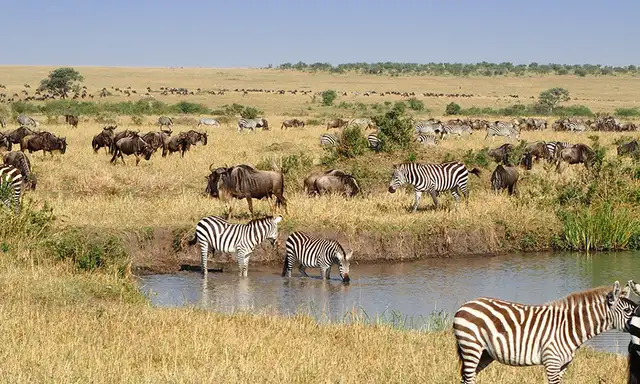
Prime African safari Masai Mara offers Great Migration, river crossings, Big Five, lush seasons, top wildlife, and seamless travel options year-round.
The prime time for African safari Masai Mara is between July and October, when the Great Migration reaches its most dramatic stage. During these months, millions of wildebeest and zebra cross the Mara River, facing crocodiles and strong currents in chaotic scenes that define the safari experience. August and September are especially intense, with crossings happening almost daily, offering travelers unforgettable wildlife action. The dry season also ensures clear skies, minimal mosquitoes, and excellent visibility, making it the most reliable period for photography and consistent game viewing. An African safari Masai Mara at this time guarantees encounters with the Big Five, alongside cheetahs, hyenas, and other predators that thrive on the abundance of prey.
Outside the peak season, the Masai Mara still offers excellent safari opportunities. From January to March, the lush Green Season provides vibrant landscapes, fewer crowds, and abundant resident wildlife, making it ideal for photographers and bird watchers. April to June and November bring the rainy season, offering solitude, dramatic scenery, and discounted rates, though wildlife is more dispersed. Late October to early November is a hidden gem, with fewer tourists and the chance to catch the tail end of the migration. Whether during prime or shoulder seasons, an African safari Masai Mara delivers diverse wildlife, breathtaking landscapes, and cultural richness that make it one of Africa’s most rewarding safari destinations.
Our popular Kenya safari packages
The Absolute Prime Time for African safari Masai Mara is July to October
From July to October, the African safari Masai Mara experience reaches its peak, offering travelers the most dramatic wildlife spectacles. This period coincides with the Great Migration, when millions of wildebeest and zebra cross the Mara River, facing crocodiles and strong currents in chaotic scenes that define the safari. August and September are especially intense, with crossings happening almost daily. An African safari Masai Mara during these months guarantees action-packed game drives, as herds move across the plains while predators follow closely. The dry season also ensures clear skies, minimal mosquitoes, and excellent visibility, making it the most reliable time for photography and consistent wildlife encounters across the reserve.
Game viewing during the dry season is unmatched, as animals congregate around permanent water sources like the Mara and Talek rivers. The African safari Masai Mara at this time provides easy access to the Big Five lion, leopard, elephant, buffalo, and rhino alongside cheetahs and hyenas that thrive on the abundance of prey. With vegetation thinned out, spotting wildlife becomes straightforward, and travelers enjoy uninterrupted views of predator hunts and herd movements. An African safari Masai Mara in this season is ideal for those seeking concentrated wildlife action, with every drive delivering high-value sightings and memorable encounters.
While July to October is the absolute prime time, travelers should be aware of trade-offs. The African safari Masai Mara during this season comes with peak prices, as lodges and camps charge their highest rates. Crowds also increase, especially near popular river crossing points, requiring patience and strategic planning. Booking accommodations and tours 6–12 months in advance is essential to secure the best spots. Despite these challenges, an African safari Masai Mara in the dry season remains the most rewarding choice, balancing dramatic migration events, predator activity, and pleasant weather conditions that make every day in the reserve productive and unforgettable
Other excellent times for African safari Masai Mara
Shoulder Season from January to March
The shoulder season from January to March, often called the “Green Season,” is a rewarding time for an African safari Masai Mara. The landscape is lush and vibrant, creating excellent conditions for photography and bird watching. While the main Migration herds are in the Southern Serengeti, the Mara remains rich with resident wildlife, making game viewing productive without the heavy crowds of peak months. An African safari Masai Mara during this period also offers lower rates and fewer tourists, which adds value for travelers seeking a quieter experience. Short afternoon showers may occur, but they rarely disrupt activities, and the fresh scenery combined with predator sightings makes this season a strong alternative to peak travel months.
Low or Green Season from April to June and November
April to June and November mark the rainy periods, known as the long and short rains, and they provide the most affordable window for an African safari Masai Mara. Discounts can reach up to 50%, and visitors often feel as though they have the reserve to themselves. The emerald landscapes are stunning, and bird watchers find this season especially rewarding. An African safari Masai Mara at this time does come with trade-offs, including muddy roads, dispersed wildlife, and some camps closing in April and May. However, for travelers prioritizing budget, privacy, and dramatic scenery, this season offers a unique perspective of the reserve, with fewer vehicles and a more intimate connection to the wilderness.
A Hidden Gem Late October to Early November
Late October to early November is a short but valuable window for an African safari Masai Mara. As the Migration herds begin moving south, travelers may still catch the tail end of crossings with far fewer crowds compared to peak months. Rates are lower, and the reserve feels more relaxed, offering a balance between wildlife action and affordability. Weather during this period is a mix of sunshine and brief showers, which adds freshness to the landscapes without major disruption. An African safari Masai Mara in this hidden gem season is ideal for those who want migration highlights without the congestion of July to September, making it a smart choice for travelers seeking both value and memorable wildlife experiences
How to get there to Kenya for African safari Masai Mara
The finest way to reach Kenya for an African safari Masai Mara is by flying into Jomo Kenyatta International Airport (NBO) in Nairobi, which is the main entry point for international travelers. Nairobi is well connected with direct flights from major cities worldwide, including London, Doha, Amsterdam, and Dubai. From Nairobi, visitors can either take a short domestic flight from Wilson Airport to one of the Masai Mara’s airstrips such as Keekorok, Olkiombo, or Musiara which takes about 45 minutes, or opt for a road transfer. Flying is the fastest and most convenient option, especially for those with limited time, as it places travelers directly in the reserve with minimal transit.
Road transfers from Nairobi to the Masai Mara are also popular, offering a scenic drive through the Great Rift Valley and rural landscapes. The journey takes about 5–6 hours depending on road conditions, and while longer than flying, it allows travelers to enjoy cultural stops and views along the way. Many safari operators combine road and air travel, using flights for efficiency and drives for added experiences. Whether by air or road, planning ahead is essential, as seasonal migration movements, lodge availability, and park fees influence the best route. Choosing the right transfer method ensures a smooth start to an African safari Masai Mara, balancing convenience, cost, and personal travel style.
Best attractions to see on Kenya for African safari Masai Mara
The best attractions to see in Kenya during an African safari Masai Mara include the Great Migration, the Mara River crossings, and the Big Five. Between July and October, millions of wildebeest and zebra move from Tanzania’s Serengeti into the Masai Mara, creating one of the most dramatic wildlife spectacles in the world. The Mara River crossings are the highlight, where herds face crocodiles and strong currents in chaotic scenes that define the safari experience. Beyond the migration, the reserve offers year-round sightings of lions, leopards, elephants, buffalo, and rhinos, making it one of the most reliable places for big game viewing. An African safari Masai Mara also provides stunning savanna landscapes, perfect for photography and classic game drives.
Cultural and natural attractions also enrich the African safari Masai Mara experience. Visitors can explore Maasai villages to learn about the traditions and daily life of the Maasai people, adding cultural depth to the wildlife adventure. Bird watchers will find the reserve rewarding, with over 470 species recorded, including lilac-breasted rollers and secretary birds. Scenic spots like the Talek and Mara rivers are excellent for predator sightings, while open plains provide opportunities to watch cheetahs in action. Hot air balloon safaris at sunrise offer breathtaking aerial views of the reserve, combining wildlife observation with a unique perspective. Together, these attractions make the African safari Masai Mara not only about the migration but also about diverse wildlife, culture, and unforgettable landscapes
Best things to during African safari Masai Mara
Classic game drives are the foundation of any African safari Masai Mara, offering travelers the chance to see the Big Five and follow the migration herds. Morning drives are particularly productive, with predators active and cooler temperatures keeping animals visible. Afternoon drives showcase grazing herds and dramatic sunsets across the savanna. Guides use their expertise to track wildlife, ensuring guests maximize sightings. An African safari Masai Mara with game drives provides consistent action, from lions hunting to elephants moving in family groups. The flexibility of shorter drives allows travelers to return to camp for meals and rest, making this activity practical for families and those who prefer structured safari routines without spending the entire day in the field.
A hot air balloon safari is one of the most unique experiences during an African safari Masai Mara. At sunrise, guests float silently above the plains, watching herds of wildebeest, zebra, and giraffes from a breathtaking aerial perspective. The balloon ride concludes with a champagne bush breakfast, adding a touch of luxury to the adventure. An African safari Masai Mara with a balloon safari is ideal for travelers seeking a different angle on the migration or resident wildlife, as the panoramic views highlight the vastness of the ecosystem. Though it is a splurge, the combination of tranquility, stunning landscapes, and memorable dining makes this activity highly recommended for those wanting something beyond traditional game drives.
Visiting a Maasai village adds cultural depth to an African safari Masai Mara, allowing travelers to learn about the traditions and daily life of the Maasai people. Guests can observe dances, explore homesteads, and hear stories about pastoral life, gaining insight into how the Maasai coexist with wildlife. An African safari Masai Mara that includes a village visit should prioritize ethical, community-run experiences to ensure tourism supports local livelihoods. This cultural stop enriches the safari by connecting travelers to the human history of the region, offering a balance between wildlife viewing and cultural understanding. It is a meaningful way to appreciate resilience, heritage, and the values of one of East Africa’s most recognized communities.
Bush meals are a memorable highlight of an African safari Masai Mara, offering travelers the chance to dine in the wilderness. Sundowners are especially popular, with guests enjoying drinks and snacks as the sun sets over the savanna. Bush breakfasts and lunches are equally magical, often set under acacia trees or near open plains where wildlife can be seen in the distance. An African safari Masai Mara with bush meals combines comfort with adventure, allowing travelers to pause and appreciate the environment in a unique way. These experiences are carefully arranged to balance safety and authenticity, making them a relaxing yet unforgettable part of the safari itinerary.
Bird watching is an excellent activity during an African safari Masai Mara, especially in the green season when migratory species arrive. With over 470 bird species recorded, the reserve is a paradise for birders. Travelers can spot lilac-breasted rollers, secretary birds, crowned cranes, and vultures, alongside waterbirds near rivers and wetlands. An African safari Masai Mara focused on birding adds variety beyond large mammals, offering quieter moments and the challenge of spotting diverse species. Guides assist in identification, making the experience educational and rewarding. This activity is perfect for travelers who enjoy photography or want to appreciate the smaller details of the ecosystem, complementing the excitement of predator sightings and migration herds.
Best days which are enough for African safari Masai Mara
Most travelers, 4 to 5 days are enough for an African safari Masai Mara, as this duration allows time to explore different parts of the reserve without feeling rushed. Spending at least four nights ensures you can enjoy multiple game drives, increasing your chances of seeing the Big Five and, if timed right, the Great Migration river crossings. An African safari Masai Mara over this period also balances rest and adventure, with mornings dedicated to predator activity and afternoons showcasing herds and sunsets. While shorter stays may feel too limited, and longer ones can be more expensive, 4–5 days provide the ideal balance of wildlife viewing, cultural visits, and relaxation, making it the most practical timeframe for a rewarding safari.
What is the cost for African safari Masai Mara
The cost of an African safari Masai Mara varies widely depending on season, accommodation, and travel style, ranging from budget to luxury. Park entry fees for non-residents are currently $200 per adult for a 12-hour ticket or $400 for 24 hours, while children aged 9–17 pay $50 for 12 hours or $100 for 24 hours. Safari vehicle rentals cost about $200–$350 per day for a 4x4 Land Cruiser, while budget vans range from $80–$150 per day. Accommodation options start at under $100 per night for budget camps, mid-range lodges average $250–$400 per night, and luxury lodges can exceed $1,000 per night. Overall, a 3–5 day African safari Masai Mara can range from $350 per person for budget group tours to $1,500+ per person for luxury packages, depending on inclusions like flights, guides, and activities
Top tips for best African safari Masai Mara experience
When planning an African safari Masai Mara, booking early is essential, especially for July to October when the Great Migration is at its peak. Lodges and guides sell out quickly during this season, so securing reservations 6–12 months in advance ensures the best options. Location also plays a major role in maximizing sightings. Staying near the Mara River, particularly in the Mara Triangle or northern conservancies like Mara North, places you close to the action of river crossings and predator activity. Choosing the right camp or lodge based on migration timing can make the difference between witnessing dramatic wildlife events or missing them altogether.
Another key tip for an African safari Masai Mara is considering private conservancies that border the main reserve. These areas allow exclusive activities such as off-road driving, night game drives, and walking safaris, which are not permitted in the public reserve. They also tend to be less crowded, offering a more intimate safari experience. Practical preparation is equally important pack layers for chilly mornings on game drives, including a warm jacket, hat, and gloves. Even in the dry season, temperatures drop significantly before sunrise. Combining smart booking, strategic location, and proper gear ensures a comfortable and rewarding safari adventure
Best places to stay in during African safari Masai Mara
The best places to stay during an African safari Masai Mara range from luxury lodges to intimate tented camps and mobile safari setups, each offering unique experiences. Options such as Angama Mara, perched on the Oloololo Escarpment with sweeping views of the reserve, or Mahali Mzuri, Sir Richard Branson’s stylish camp in the Olare Motorogi Conservancy, provide high-end comfort with prime wildlife access. For travelers seeking authentic immersion, tented camps like Mara Explorer Camp and Governors’ Camp deliver close-to-nature stays with modern amenities. Mobile camps such as Serian’s Ngare Camp position guests near migration routes, ensuring proximity to dramatic wildlife action. Choosing the right stay depends on season, location near the Mara River or conservancies, and personal travel style, ensuring a seamless safari experience
Why book African safari Masai Mara with Lamz Tours and Travel
Trusting Lamz Tours and Travel for your African safari Masai Mara means choosing a dedicated partner with unmatched expertise in East African travel and wildlife experiences. Lamz Tours and Travel specializes in tailoring itineraries around the Great Migration, predator sightings, and seasonal highlights, ensuring you are in the right place at the right time. Our team handles all logistics seamlessly from flights and transfers to lodge placements while prioritizing responsible tourism that supports local communities and conservation. With access to a wide range of accommodations, from luxury lodges to mobile camps, Lamz Tours and Travel matches every traveler’s style and budget. Booking with them guarantees reliability, value, and a safari that maximizes wildlife encounters while delivering authentic, memorable experiences in the Masai Mara
Ready to plan your safari?
Talk to a Lamz Tours specialist and get a tailor-made quote.
Make an enquiry