Rwanda mountain gorilla trekking offers rare wildlife, strict conservation, $1,500 permits, year‑round viewing, and cultural experiences near Volcanoes National Park
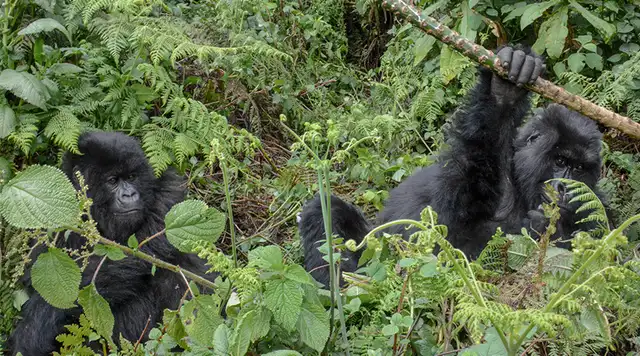
A Rwanda mountain gorilla trek is one of the most remarkable wildlife experiences in Africa, offering travelers a rare chance to see these endangered primates in their natural habitat. Found only in Rwanda, Uganda, and the Democratic Republic of Congo, mountain gorillas are critically protected, with Rwanda’s Volcanoes National Park hosting over 350 habituated individuals. Trekking here combines conservation, adventure, and cultural connection, as your permit directly funds ranger patrols, veterinary care, and community projects. The trek itself can last from 30 minutes to six hours, depending on gorilla movements, and once located, visitors spend exactly one hour observing their behaviors silverbacks resting, mothers nursing, and juveniles playing. Strict rules safeguard both gorillas and trekkers, while the dry seasons offer the most comfortable conditions. With easy access from Kigali and opportunities to combine gorilla trekking with golden monkey tracking, chimpanzees, or classic safaris, Rwanda mountain gorilla tours deliver a complete, meaningful experience.
Best Rwanda safari packages now
2 day Gorilla trekking safari in Rwanda
2 Days Nyungwe Chimpanzee and Canopy Walk Safari in Rwanda
3 Days Gorilla and Golden Monkey Trekking Rwanda Tour
3 Days Safari to Rwanda and Uganda Gorilla Trekking
4 Days Luxury Gorilla Tracking Rwanda Tour
4 Days Primate Safari to Rwanda with Gorillas and Chimps
5 Days in Rwanda with Gorillas and Akagera Big Five Safari
8 Days Rwanda Cultural and Primate Experience
3Days Rwanda Safari Holiday with Gorilla Trekking
12 Days Rwanda Safari in Volcanoes, Nyungwe and Akagera National Park
15 Days Great East African Safari (Rwanda, Uganda, Kenya and Tanzania)
What You Need to Know About Rwanda Mountain Gorilla
Only Three Countries Have Mountain Gorillas
Rwanda mountain gorilla trekking is unique because these rare primates live in only three countries: Rwanda, Uganda, and the Democratic Republic of Congo. Rwanda’s Volcanoes National Park protects over 350 habituated gorillas, making it one of the best places to see them. The global population is just over 1,063 individuals, so every sighting is special. Ten gorilla families are available for trekking in Rwanda, while others live in Uganda’s Bwindi and Congo’s Virunga. Because their range is so limited, threats like disease or poaching could quickly reduce numbers. Visiting Rwanda mountain gorilla families supports rangers and veterinarians who protect them daily, ensuring conservation continues.
A Gorilla Permit Costs $1,500
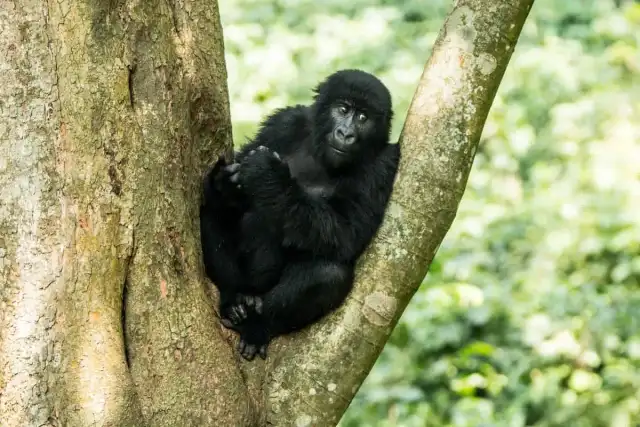
A Rwanda mountain gorilla permit costs $1,500 per person for international visitors, covering park entry, guides, and one hour with the gorillas. East African citizens pay $500, while Rwandans pay $200 under certain promotions, though not in peak season. Only 96 permits are issued daily, with each gorilla family limited to eight visitors. This protects the animals from too much human contact and keeps the experience personal. Rwanda mountain gorilla permits sell out months ahead, especially June–September and December–February. Booking three to six months in advance through the Rwanda Development Board or licensed operators is essential.
Gorillas Share 98% of Human DNA
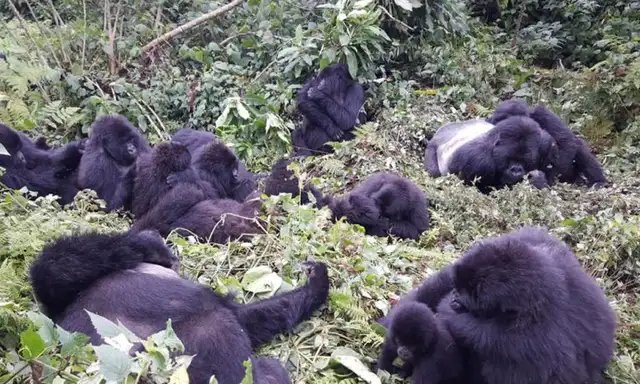
Rwanda mountain gorilla populations share about 98% of their DNA with humans, making them highly vulnerable to human diseases. Even a simple cold can be fatal. Visitors are screened for symptoms at Kinigi headquarters before trekking, and anyone sick is denied entry. This strict rule protects gorillas from illness. Rwanda mountain gorilla families also display human-like behaviors such as chest beating, grooming, and playful wrestling among juveniles. Watching them feels like observing a reflection of our own past. The close genetic link is fascinating but also a reminder of the responsibility to protect them.
Trekking Can Take 30 Minutes to 6 Hours
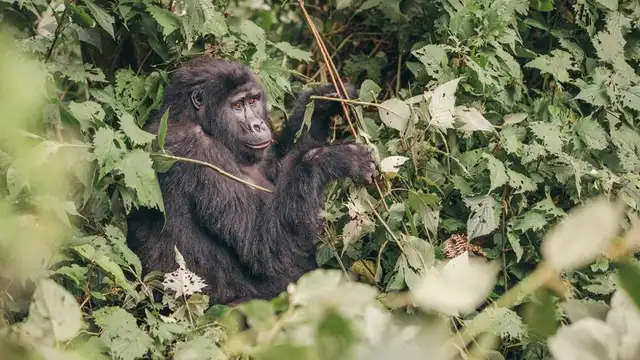
A Rwanda mountain gorilla trek can last anywhere from 30 minutes to 6 hours, depending on where the gorillas moved overnight. Trails wind through bamboo forests on the Virunga slopes at altitudes of 2,500–4,000 meters. Conditions are steep, muddy, and uneven. Rangers assign families based on fitness levels, and porters can be hired for $15–20 to assist. Rwanda mountain gorilla trekking supports local communities since porters are villagers earning income. Even older travelers often complete treks successfully, though moderate fitness helps. Sedan chairs are available for those unable to walk, ensuring accessibility.
You Get Exactly One Hour With the Gorillas
During a Rwanda mountain gorilla trek, visitors spend exactly 60 minutes with the gorillas once located. This limit reduces stress on the animals. You observe silverbacks resting, mothers nursing, and juveniles playing. Rules require staying at least 7 meters away, avoiding eye contact, and keeping voices low. Rwanda mountain gorilla guidelines also forbid eating, drinking, or flash photography near them. If a gorilla approaches, crouch calmly and follow ranger instructions. The hour passes quickly, so prepare your camera settings in advance but also take time to watch without distractions.
Dry Seasons Are Best for Trekking
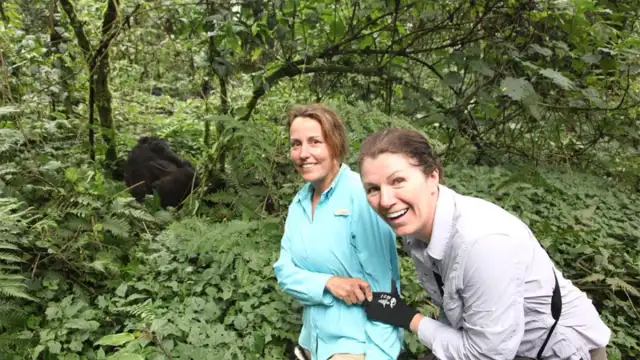
The best time for Rwanda mountain gorilla trekking is during the dry seasons: June–September and December–February. Trails are firmer, visibility is better, and rain is less likely to interrupt. However, permits and lodges are in high demand. Wet seasons (March–May, October–November) bring fewer tourists and lower prices but muddy trails. Rwanda mountain gorilla treks operate year-round, so gorillas are always present. Travelers on a budget or seeking quieter experiences may prefer wet months, provided they pack waterproof gear. Dry months remain the most popular for ease and comfort.
You Must Pack the Right Clothing
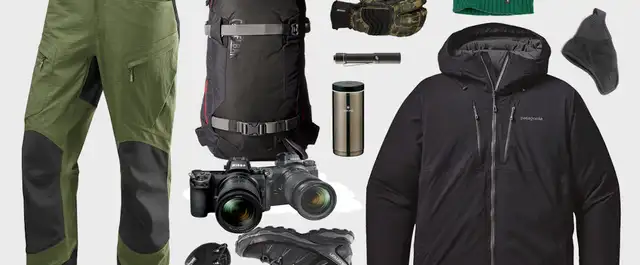
Comfort depends on proper gear during a Rwanda mountain gorilla trek. Waterproof hiking boots with good grip are essential, along with long pants and quick-dry shirts to protect against nettles and insects. A rain jacket, gloves, and layered clothing help with changing weather. Rwanda mountain gorilla trekking also requires a daypack with water, snacks, sunscreen, insect repellent, and your permit. Avoid jeans and cotton, which get heavy when wet. Dressing correctly ensures you focus on the gorillas rather than discomfort.
Drive From Kigali Takes 2.5 Hours
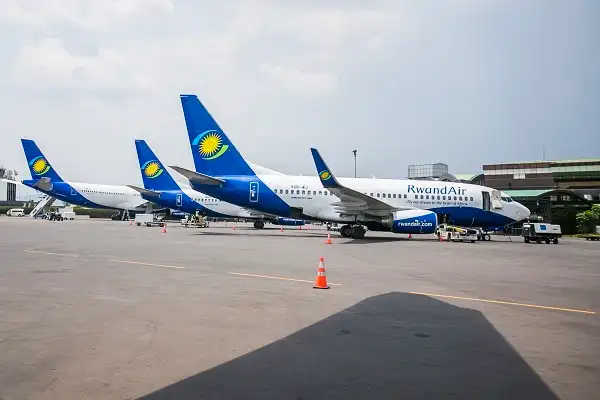
Access to Rwanda mountain gorilla trekking is straightforward. The drive from Kigali International Airport to Musanze town takes about 2.5 hours on paved roads. From Musanze, Kinigi headquarters is just 15–20 minutes away. This short transfer makes Rwanda mountain gorilla trekking more convenient than Uganda, where drives can take 8–10 hours. Visitors can arrive in Kigali in the morning and trek the next day, making gorilla trekking possible even on short trips.
Mountain Gorilla Population Is Increasing
Rwanda mountain gorilla numbers are rising thanks to strict protection and eco-tourism. From fewer than 300 in the 1970s, the population now exceeds 1,063 across Rwanda, Uganda, and DRC. Volcanoes National Park alone has over 350 habituated gorillas. Permit fees fund conservation, anti-poaching patrols, and community projects. Rwanda mountain gorilla tourism follows a “high value, low volume” model, ensuring sustainability. Despite progress, they remain endangered due to limited habitat, so continued tourism support is vital.
Combine Gorillas With Other Rwanda Activities
A Rwanda mountain gorilla trek can be combined with other activities for a fuller experience. Volcanoes National Park offers golden monkey tracking, birdwatching, and visits to Dian Fossey’s grave. Cultural stops like the Iby’Iwacu Village add human connection. Rwanda mountain gorilla trips can extend to Nyungwe Forest for chimpanzees or Akagera National Park for classic savanna safaris. Kigali’s Genocide Memorial provides historical context. A 5–7 day itinerary allows gorillas, chimps, and safari in one trip, making Rwanda a diverse destination
Best time of year to visit Rwanda mountain gorilla
Dry Seasons June to September and December to February
The best time to visit Rwanda mountain gorilla is during the two dry seasons. From June to September and December to early February, trails in Volcanoes National Park stay firm and less muddy. This makes your hike easier, safer, and faster. Visibility through the bamboo forest is clearer, so you spot the gorillas quickly once trackers find them. Rain is rare during these months, meaning you are not soaked or cold during your hour with the gorillas. The downside is that permits sell out months ahead and lodges charge peak rates. Book your Rwanda mountain gorilla permit at least three to six months in advance for these periods. Many travelers choose these months because the physical effort is lower and the experience is more comfortable.
Wet Seasons of March to May and October to November
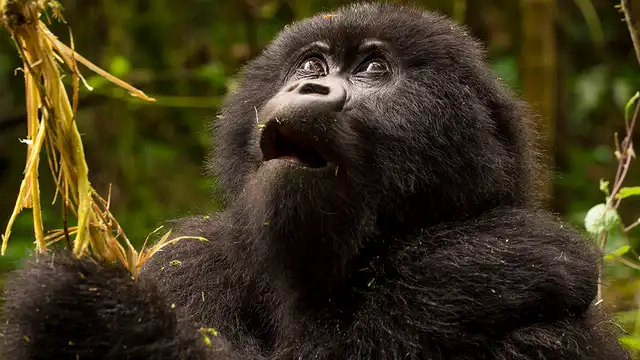
You can still visit Rwanda mountain gorilla during the wet seasons, but expect harder conditions. From March to May and October to November, rain falls often and trails turn to slippery mud. Hiking takes longer and requires more effort. The trade-off is that fewer tourists visit, so permits are easier to get and lodges charge lower prices. The forest looks lush and green, making beautiful photos. Gorillas do not mind the rain—they are always there. If you are on a budget or prefer quiet trails, the wet season works fine. Pack waterproof boots, a good rain jacket, and extra socks. Your Rwanda mountain gorilla experience remains just as rewarding, just muddier
How to see Rwanda mountain gorilla
Step 1: Buy Your Permit First
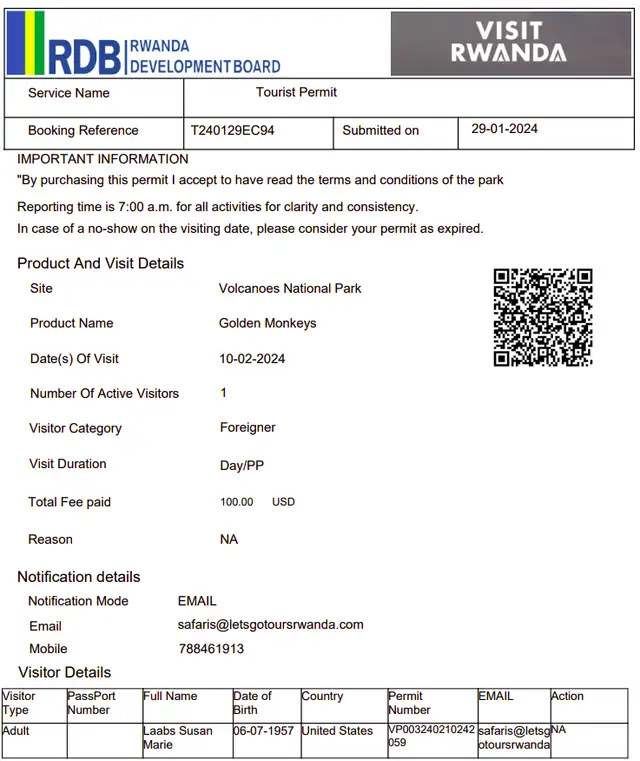
The first and most important step to see Rwanda mountain gorilla is buying a permit. Permits cost $1,500 for international visitors and are sold by the Rwanda Development Board. Only 96 permits are issued each day because each gorilla family allows only eight visitors for one hour. You cannot show up at the park and buy a permit on the same day. Permits sell out months in advance for the dry seasons (June to September and December to February). Book your permit at least three to six months ahead through the RDB website or a licensed tour operator. Permits are non-refundable and non-transferable, so be certain of your travel dates. Once you have your permit secured, you can plan the rest of your trip around that date.
Step 2: Fly Into Kigali and Drive to Musanze
Fly into Kigali International Airport (KGL), which has direct flights from Nairobi, Addis Ababa, Doha, Dubai, Amsterdam, Brussels, and Istanbul. From Kigali, drive to Musanze town, the main base for gorilla trekking in Volcanoes National Park. The drive takes about 2.5 hours on good paved roads. You can hire a private car, take a public minibus taxi, or have your tour operator include transport. On the morning of your trek, you must report to the Kinigi park headquarters at 7:00 AM sharp. Kinigi is a 15-20 minute drive from Musanze. Stay in Musanze or in one of the lodges near Kinigi the night before your trek. Do not try to drive from Kigali on the same morning because you will be late for the 7:00 AM briefing.
Step 3: Attend Briefing and Get Your Group Assignment
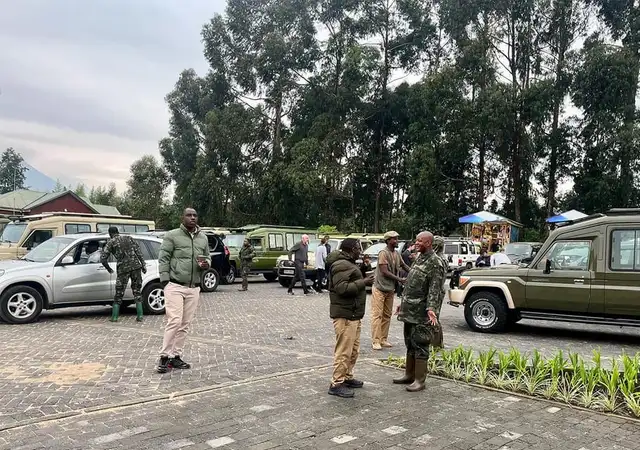
At Kinigi headquarters by 7:00 AM, you present your passport and permit for verification. Park rangers screen you for any signs of illness (cough, fever, cold) because gorillas can catch human diseases. If you are sick, you cannot trek. You then join a briefing where rangers explain the rules: stay 7 meters away from gorillas, no eating or drinking near them, no flash photography, keep your voice low. After the briefing, rangers assign you to a specific gorilla family based on your fitness level and the family's location for that day. Some families are a 30-minute walk from the trailhead; others require a 4-6 hour hike. You then drive with your group to the starting point where you meet your guide, trackers, and armed rangers.
Step 4: Trek, Find the Gorillas, and Spend One Hour
You start walking from the trailhead with your guide and trackers. The trackers went out before dawn to locate the gorilla family. They radio the guide with updates as you hike. The hike can last 30 minutes to 6 hours through steep, muddy, bamboo forest terrain. You can hire a porter at the trailhead for $15-20 to carry your daypack and help you on difficult sections. Once the trackers confirm the gorillas' location, you move in slowly. You then get exactly one hour with the gorillas. Watch the silverback resting, mothers nursing babies, and juveniles playing. Stay low if a gorilla approaches you. Do not make direct eye contact. Take photos without flash. After the hour ends, you hike back to the trailhead, receive a certificate, and return to your lodge.
Best places to stay for Rwanda mountain gorilla
When planning a Rwanda mountain gorilla safari, staying near Volcanoes National Park is essential because treks begin at 7:00 a.m. sharp. Luxury options include Bisate Lodge, known for its eco-friendly design and personalized service, and One&Only Gorilla’s Nest, offering modern comfort with views of the Virunga Mountains. Mid-range choices such as Sabyinyo Silverback Lodge and Five Volcanoes Boutique Hotel provide cozy stays with convenient proximity to the park. Budget travelers can opt for Le Bambou Gorilla Lodge or Kinigi Guesthouse, both offering simple but comfortable facilities close to the headquarters. These accommodations not only reduce travel stress but also enhance your Rwanda mountain gorilla experience by providing tailored services, local hospitality, and easy access to trekking activities
Booking Rwanda mountain gorilla with Lamz Tours and Travel
Booking a Rwanda mountain gorilla trek with Lamz Tours and Travel guarantees a seamless and well‑organized experience tailored to your needs. As specialists in East African wildlife tours, Lamz Tours and Travel handles everything from securing your $1,500 gorilla permit to arranging transport, accommodation, and professional guides. Their team ensures you arrive at Volcanoes National Park headquarters on time, prepared with the right gear and knowledge for the trek. With Lamz Tours and Travel, your Rwanda mountain gorilla adventure is not just about seeing the gorillas but also about supporting conservation and local communities through responsible tourism. Choosing them means reliable planning, expert guidance, and personalized service that maximizes your time with the gorillas while reducing stress over logistics
Ready to plan your safari?
Talk to a Lamz Tours specialist and get a tailor-made quote.
Make an enquiry