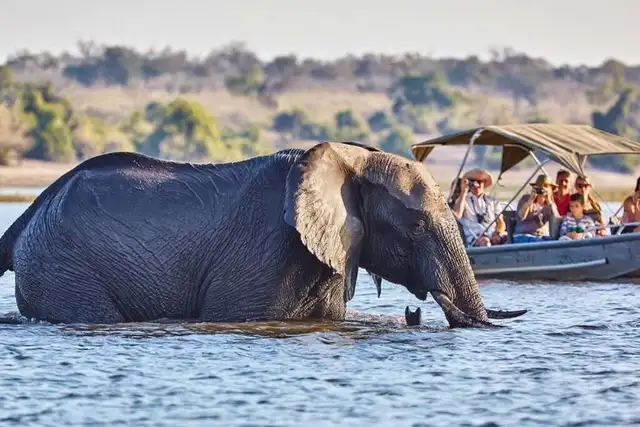
Plan your Botswana safari with practical tips on timing, costs, packing, health, safety, wildlife, and customs for a smooth and rewarding experience.
A Botswana safari offers travelers a chance to experience Africa’s wilderness in a more private and high-quality setting, with small camps and limited vehicles ensuring solitude. The country’s focus on conservation makes it one of the more expensive safari destinations, but the value lies in pristine landscapes and uncrowded wildlife viewing. Timing matters, as the dry season brings concentrated game sightings while the green season offers affordability and birdlife. Preparing with the right clothing, health precautions, and documentation is essential. A Botswana safari also provides varied experiences, from mokoro canoe rides to bush walks, making it more than just game drives. This introduction sets the stage for practical, rewarding travel.
Best Botswana safari Packages
What You Know Before Going for Botswana Safari
Expect an Exclusive (and Expensive) Safari
A Botswana safari is designed around exclusivity, with small camps, private concessions, and limited vehicles at sightings. This creates a sense of solitude and privacy, making the experience feel personal and high-quality. However, this exclusivity comes at a price, as Botswana safari is among Africa’s most expensive options. The higher costs reflect conservation efforts, low visitor numbers, and pristine wilderness. Travelers should budget accordingly, knowing that the expense directly supports maintaining the environment and ensuring fewer crowds.
The Best Time to Visit Depends on What You Want
Timing your Botswana safari depends on your priorities. The dry season from June to October is ideal for spotting wildlife as animals gather around water sources, and the Okavango Delta is in full flood, offering excellent water-based activities. A Botswana safari in the green season, November to March, provides lower rates, vibrant landscapes, and spectacular birdlife, though wildlife is more dispersed and rain is common. Choosing between these seasons depends on whether you value concentrated game viewing or affordability and greenery.
Pack Light and in the Right Colors
Packing for a Botswana safari requires careful planning due to strict luggage limits on charter flights, usually 20kg in soft-sided bags. Neutral clothing colors like khaki, beige, and olive help you blend into the environment, while bright colors, white, dark blue, and black should be avoided as they attract tsetse flies. A Botswana safari also demands layered clothing to handle chilly mornings and warm afternoons. Sturdy shoes, hats, and sunscreen are essential, and packing light ensures you meet weight restrictions while staying comfortable and prepared.
Health Precautions are Crucial
Health preparation is vital for a Botswana safari, especially in northern regions like the Okavango Delta and Chobe where malaria is a risk. Consult your doctor about antimalarial medication and ensure vaccinations are up to date. A Botswana safari also requires caution with water—tap water is unsafe, so bottled water is recommended. Carry insect repellent, wear long sleeves in the evenings, and follow medical advice to stay protected. Prioritizing health precautions ensures you enjoy the wilderness without unnecessary risks.
Visas and Documentation
Entry requirements for a Botswana safari are straightforward for many travelers, including US and UK citizens, who do not need a visa for stays up to 90 days. Passports must be valid for at least six months beyond entry. A Botswana safari with minors requires extra documentation, including certified birth certificates and parental consent if one parent is absent. Preparing these documents in advance avoids delays at immigration and ensures smooth travel. Always double-check requirements before departure.
Safety is Manageable with Common Sense
Botswana safari experiences are generally safe, as the country is politically stable and considered secure. Petty crime can occur in towns like Maun, so basic precautions are wise. The greater risks during a Botswana safari come from the wilderness itself. Listening to guides, staying inside vehicles, and avoiding water edges without supervision are critical safety measures. Respecting rules ensures both personal safety and a responsible experience in nature.
The Wildlife is Spectacular and Diverse
Wildlife viewing is the highlight of a Botswana safari, with elephants, lions, leopards, cheetahs, and African wild dogs among the main attractions. The Okavango Delta and Chobe National Park are famous for their rich biodiversity, while the Kalahari and salt pans showcase unique species like meerkats and brown hyenas. A Botswana safari offers variety across regions, making it one of Africa’s most rewarding destinations for animal lovers. Each area provides a distinct wildlife experience worth exploring.
The Safari Experience is Diverse
A Botswana safari is not limited to game drives. Visitors can glide through the Okavango Delta in a mokoro canoe, enjoy motorboat safaris on the Chobe River, or take guided bush walks. These activities add depth to the Botswana safari experience, allowing travelers to connect with nature in different ways. The variety ensures that each day feels unique, offering both adventure and relaxation. This diversity is a defining feature of safaris in Botswana.
Stay Connected and Charged
Electricity in Botswana safari camps runs on 230V, with plug types D, M, and G. Travelers should bring the right adapters and extra camera batteries, as charging opportunities may be limited. A Botswana safari often involves remote locations, so being prepared with spare memory cards and portable chargers ensures you capture every moment without interruption. Staying powered up is essential for documenting wildlife and keeping devices functional throughout the trip.
Money and Local Customs
The Botswana Pula (BWP) is the local currency, though US dollars are widely accepted for tipping. Credit cards work at most lodges, but cash is useful for smaller expenses. A Botswana safari also involves respecting local customs, where greetings are important before conversations. Carrying cash for tips and understanding cultural etiquette enhances the experience. Budgeting for both lodge expenses and gratuities ensures smooth financial planning during your safari.
How to get there for Botswana safari
For a Botswana safari, most travelers fly into Maun, the main gateway to the Okavango Delta, or Kasane, which is close to Chobe National Park. International flights usually connect through Johannesburg in South Africa, with onward flights to Maun or Kasane. From these towns, small charter planes or 4x4 transfers take you directly to lodges and camps inside private concessions or national parks. A Botswana safari often involves remote areas, so charter flights are the most efficient way to reach camps, though they come with strict luggage limits. Alternatively, self-drive options exist for experienced travelers, but distances are long and roads can be challenging. Planning your arrival carefully ensures your Botswana safari starts smoothly and allows you to maximize time in the wilderness.
Tips for booking Botswana safari packages
When booking a Botswana safari package, it is best to plan early, especially for peak season between June and October when demand is high. A Botswana safari is unique because camps are small and spaces limited, so securing reservations months in advance ensures availability and better rates. Compare packages carefully, checking what is included such as charter flights, park fees, and activities—to avoid hidden costs. A Botswana safari often involves remote areas, so working with reputable operators who specialize in Botswana ensures smooth logistics and reliable service. Flexibility with dates can help you find more affordable options, while choosing the right season based on your interests wildlife concentration or birdlife adds value to your booking.
Booking Botswana safari with Lamz Tours and Travel
Booking a Botswana safari with Lamz Tours and Travel ensures a well-organized and personalized experience tailored to your needs. Lamz Tours and Travel specializes in high-value itineraries across East and Southern Africa, and a Botswana safari package with them includes expert guidance on the best camps, seasonal highlights, and logistics such as charter flights and transfers. By booking through Lamz Tours and Travel, you benefit from their deep knowledge of Botswana safari destinations like the Okavango Delta, Chobe, and the Kalahari, along with practical advice on health precautions, packing, and documentation. Their focus on authenticity, conservation, and community support means your safari is not only seamless but also responsible. Choosing Lamz Tours and Travel guarantees that every detail of your Botswana safari is handled professionally, giving you confidence and peace of mind throughout your trip.
Ready to plan your safari?
Talk to a Lamz Tours specialist and get a tailor-made quote.
Make an enquiry