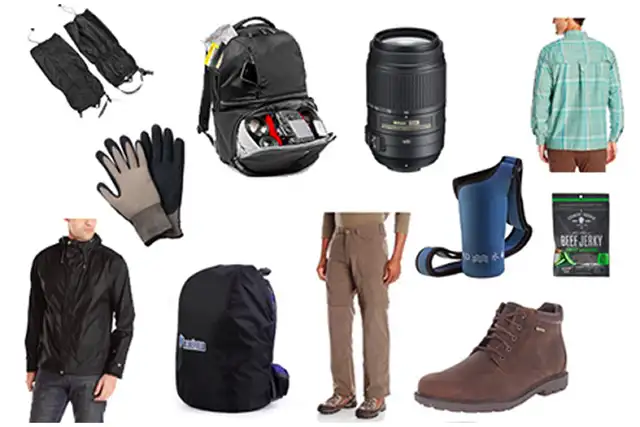
Whether your Uganda Safaris itinerary centres on gorilla trekking, savanna game drives, or a mix of both, the right kit makes a real difference to how much you enjoy it. Packing the right essentials ensures a smooth and enjoyable safari, and the list below covers what actually matters across most Uganda Safaris.
In short: lightweight neutral-coloured clothing, sturdy footwear, and rain protection cover the bulk of what any Uganda Safaris itinerary needs.
Popular Uganda Safaris Packages
What to Pack for Uganda Safaris
1. Clothing for Uganda Safaris
Think layers and neutral colours. Lightweight, breathable shirts, comfortable trousers, a fleece or warm jacket for cool mornings, and a rain jacket or poncho cover most days on Uganda Safaris, since neutral colours such as khaki, brown, and olive blend well with natural surroundings and reduce insect attraction.
2. Footwear for Uganda Safaris
Comfortable walking shoes are essential for game drives and lodge grounds, but gorilla or chimpanzee trekking legs of Uganda Safaris call for more: sturdy hiking boots with good ankle support, thick socks to tuck trousers into, and gaiters or protective leg coverings for muddy, vegetation-heavy trails.
3. Sun and Insect Protection for Uganda Safaris
Strong sunlight in open savanna areas makes hats, sunglasses, and sunscreen important, alongside insect repellent for forested and wetland regions visited on most Uganda Safaris. A light jacket also helps for cooler mornings and evenings, even in the dry season.
4. Trekking-Specific Gear for Uganda Safaris
For the forest legs of Uganda Safaris, add gardening gloves for gripping vegetation and a lightweight rain jacket for sudden downpours, alongside trekking poles, which help with balance on slippery slopes.
5. Camera Gear and Daypack Essentials for Uganda Safaris
A camera and binoculars enhance wildlife viewing experiences throughout Uganda Safaris, and your daypack should also carry water, snacks, and cash for tipping, plus spare camera batteries given limited charging power at some remote lodges.
6. Health and Documentation for Uganda Safaris
Pack a small medical kit containing basic medication, antiseptics, and rehydration salts, along with personal medications and travel documents. Travellers should avoid overpacking due to strict baggage limits on domestic flights and should include waterproof clothing during rainy seasons of Uganda Safaris.
Weather and Climate on Uganda Safaris
Uganda's savanna parks stay warm with regular rain, while Bwindi and Kibale's rainforest areas are cooler and mistier. Rain is possible in any month, which is why rain gear belongs on every Uganda Safaris packing list.
Best Time to Travel for Uganda Safaris Packing Needs
June to September and December to February are the driest months, needing slightly less rain gear, while March to May and October to November bring heavier rains but lush landscapes and fewer crowds, calling for more robust waterproofing on your Uganda Safaris.
How to Get There for Your Uganda Safaris
Entebbe International Airport is the gateway for almost all Uganda Safaris, and domestic flights between parks often enforce tighter baggage limits than international carriers, worth checking before you pack
Health and Safety Tips for Uganda Safaris
A yellow fever vaccination is mandatory if arriving from an endemic country, and travellers should discuss malaria prophylaxis with their doctor before travel, whatever kind of Uganda Safaris you book. Carry comprehensive travel insurance covering trip cancellation and medical evacuation, and keep a basic first-aid kit on hand for any forest or savanna excursion.
Why Book Your Uganda Safaris with Lamz Tours and Travel
Lamz Tours and Travel sends every guest a packing list tailored to their specific Uganda Safaris itinerary, whether it leans toward forest trekking or savanna game drives. Contact us at info@Lamz Tours and Travel.com or +000 000 000 000 to start planning your Uganda Safaris.
Ready to plan your safari?
Talk to a Lamz Tours specialist and get a tailor-made quote.
Make an enquiry