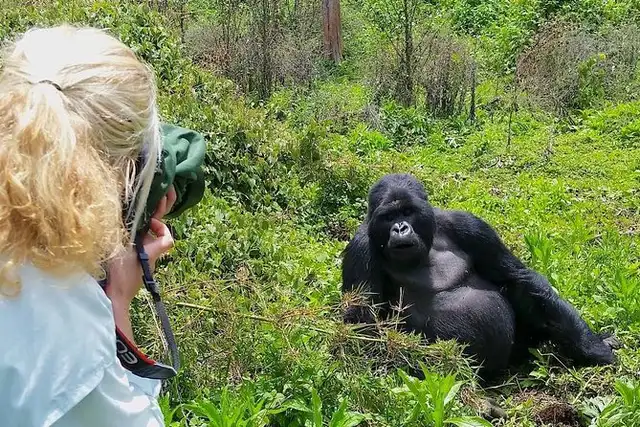
Learn what to expect on a gorilla trekking in Uganda tour from morning briefings to forest treks and one-hour gorilla encounters.
Uganda remains one of the few places in the world where travellers can walk into a natural rainforest and spend time with mountain gorillas in their original habitat. Gorilla Trekking in Uganda is not simply an activity added onto a safari itinerary, but a carefully guided journey into forests that have existed for thousands of years. As visitors move through these landscapes, they begin to understand that the experience is not only about seeing gorillas, but also about feeling the rhythm of the forest on a Gorilla Trekking in Uganda adventure.
Popular Uganda Tour Packages
6-Day Safari to Uganda Gorillas, Chimps, and Big 5 Wildlife Adventure
6-Day Gorilla Safari Uganda with the big five adventure
6-Day Bwindi Gorilla Trekking with gorillas in Rwanda
5 Days wildlife, Gorillas and Chimpanzee Trekking safari In Uganda
5 Days Gorillas and Chimpanzee Trekking Circuit Safari Uganda
What to Expect on a Gorilla Trekking in Uganda Tour
1. Early Morning Briefing
Gorilla Trekking in Uganda begins early in the morning, usually around 7:00 am, at designated park headquarters near the forest edge. Visitors gather in small groups where park rangers provide a detailed briefing about the entire trekking process. Rangers explain how the day will unfold, what visitors should expect inside the forest, and how to behave when approaching the gorillas. During Gorilla Trekking in Uganda, rangers also explain conservation rules, reminding visitors to keep a safe distance of about 7 metres from the gorillas and avoid sudden movements.
2. Meeting Your Gorilla Trekking Group
Before starting Gorilla Trekking in Uganda, visitors meet fellow trekkers at the park headquarters early in the morning. Groups are limited to about eight people, which helps reduce disturbance to the gorillas and allows each visitor a clear viewing experience. During this moment, travellers introduce themselves and prepare mentally for the trek ahead. The grouping process considers fitness levels, meaning those who prefer shorter hikes may be assigned to gorilla families located closer to the starting point on a Gorilla Trekking in Uganda.
3. Allocation of Gorilla Families
During Gorilla Trekking in Uganda, each group is assigned a specific gorilla family to track based on location and visitor physical ability. Some gorilla families move long distances while others remain within more accessible areas. Guides explain the characteristics of each family, including the number of members and the dominant silverback leading the group. For first-time visitors, this adds excitement as they imagine the type of gorillas they are about to encounter on a Gorilla Trekking in Uganda.
4. Entering the Forest
After the briefing, Gorilla Trekking in Uganda officially begins as visitors follow their guides into the forest. The transition from open ground into dense rainforest is immediate, with tall trees forming a canopy overhead and thick vegetation surrounding the trails. The air becomes cooler and more humid, and the sounds of birds, insects, and distant wildlife fill the environment. The forest terrain can vary greatly, with some paths being gentle while others involve climbing slopes or crossing streams on a Gorilla Trekking in Uganda.
5. Adjusting to the Forest Terrain
First-time visitors should expect changing terrain during Gorilla Trekking in Uganda. The forest floor is rarely flat, and trails may lead through slopes, valleys, and thick vegetation. Some areas require stepping over roots, ducking under branches, or carefully walking through muddy patches. Guides set a comfortable pace and allow time for rest when needed. Walking sticks are often provided at the starting point, giving additional support on steep or slippery sections of a Gorilla Trekking in Uganda.
6. Listening to Forest Sounds during the Trek
As visitors move deeper into the forest during Gorilla Trekking in Uganda, one of the most noticeable experiences is the sound of the rainforest. Birds call from above, insects create continuous background noise, and branches move as monkeys jump between trees. Guides may ask the group to stop and listen carefully, often when distant chimpanzee calls or rustling leaves signal the presence of larger animals nearby on a Gorilla Trekking in Uganda.
7. Tracking the Gorillas
Tracking gorillas is one of the most fascinating parts of Gorilla Trekking in Uganda. Experienced trackers move ahead of the group, searching for signs such as fresh nests, broken branches, partially eaten leaves, and footprints. Communication between trackers and guides is constant, with trackers using radios to update guides on gorilla movement. This coordination increases the chances of finding the gorillas within a reasonable time on a Gorilla Trekking in Uganda.
8. Moments before Reaching the Gorillas
One of the most exciting parts of Gorilla Trekking in Uganda happens just before reaching the gorilla family. Guides usually signal visitors to lower their voices and move carefully. Visitors may begin to notice fresh signs such as partially eaten leaves or nests where gorillas rested the previous night. The atmosphere becomes quiet and focused, with everyone aware that the long search is about to come to an end on a Gorilla Trekking in Uganda.
9. First Sight of the Gorillas
The moment when visitors first see the gorillas is often quiet and emotional during Gorilla Trekking in Uganda. Guides signal the group to slow down and remain silent as they approach the gorilla family. Visitors are positioned at a safe distance where they can observe the animals without disturbing them. Seeing a large silverback sitting calmly or younger gorillas playing brings a sense of awe. This moment feels personal and different from seeing animals in other settings on a Gorilla Trekking in Uganda.
10. Maintaining Distance from the Gorillas
During Gorilla Trekking in Uganda, visitors are expected to keep a safe distance of about seven metres from the gorillas. This rule is important for both visitor safety and gorilla health, as they are vulnerable to human diseases. Guides closely monitor the distance and give instructions if visitors move too close. However, gorillas are free to move as they wish, and sometimes they may come closer on their own for a Gorilla Trekking in Uganda.
11. One Hour with the Gorillas
Once the gorilla family is located, visitors are allowed exactly one hour to observe them during Gorilla Trekking in Uganda. This time is carefully managed to minimise disturbance to the animals. Visitors watch gorillas feed on leaves, groom each other, and interact as a family. Young gorillas often play nearby while the silverback remains watchful. Guides quietly explain behaviours, helping visitors understand what they are observing. Photography is allowed without flash to avoid disturbing the animals on a Gorilla Trekking in Uganda.
12. Observing Gorilla Feeding Habits
While spending time with the gorillas during Gorilla Trekking in Uganda, visitors often observe how they feed. Gorillas mainly eat leaves, stems, fruits, and bark, spending a large part of their day moving slowly while feeding. Watching them select plants carefully and use their hands skillfully provides insight into their daily survival. Guides explain which plants are part of the gorillas' diet and how their feeding habits change depending on the season on a Gorilla Trekking in Uganda.
13. Understanding Gorilla Communication
Gorillas communicate in subtle but clear ways during Gorilla Trekking in Uganda. Soft grunts indicate comfort, while louder sounds may signal warning or communication within the group. Body language also plays a key role, with a silverback standing upright or beating its chest showing authority rather than aggression. Guides help interpret these behaviours, allowing visitors to understand what is happening within the group on a Gorilla Trekking in Uganda.
14. Physical Preparation
Gorilla Trekking in Uganda requires a reasonable level of physical fitness. The trek can last between 2 to 6 hours depending on gorilla location. The terrain may include steep slopes, thick vegetation, and uneven ground. Wearing proper hiking boots with good grip is essential. Long trousers and long-sleeved shirts help protect against scratches and insect bites. Carrying a walking stick, often provided at the park, helps with balance on uneven terrain during Gorilla Trekking in Uganda.
15. The Journey Back from the Forest
After the one hour with the gorillas, visitors begin the return journey on Gorilla Trekking in Uganda. Although the main goal has been achieved, the walk back offers time to reflect on the experience and enjoy the forest in a more relaxed way. Guides continue to share information about the forest, pointing out plants, birds, or other wildlife along the way. Reaching the starting point brings a sense of accomplishment for a Gorilla Trekking in Uganda.
16. Receiving Gorilla Trekking Certificates
At the end of Gorilla Trekking in Uganda, visitors usually receive a certificate confirming they have successfully visited a gorilla family. For many travellers, this small document holds great value because it represents a rare wildlife experience. It also serves as a lasting memory of the effort, excitement, and emotions felt throughout the day on a Gorilla Trekking in Uganda.
Best Time to Visit Uganda for Gorilla Trekking in Uganda
The best time for Gorilla Trekking in Uganda is during dry seasons from June to September and December to February. Forest trails are less slippery, making trekking easier and more comfortable. Although gorilla trekking is possible throughout the year, rainy seasons can make trails more challenging. However, the forest becomes greener and quieter during these periods for a Gorilla Trekking in Uganda.
How to Get to Bwindi or Mgahinga National Park for Gorilla Trekking in Uganda
Travellers planning Gorilla Trekking in Uganda arrive at Entebbe International Airport before travelling to southwestern Uganda. The journey to Bwindi takes about 8 to 10 hours by road covering approximately 460 kilometres. Domestic flights reduce travel time to about 1 hour, followed by a shorter drive to the park for Gorilla Trekking in Uganda.
Things to Do During Gorilla Trekking in Uganda
In addition to Gorilla Trekking in Uganda, visitors can explore guided nature walks to discover smaller wildlife. Birdwatching is rewarding as forests around Bwindi and Mgahinga host many bird species. Cultural visits introduce travellers to local communities, offering insight into traditional lifestyles on a Gorilla Trekking in Uganda.
What to Carry for Gorilla Trekking in Uganda
Proper packing is important for Gorilla Trekking in Uganda. Visitors should carry waterproof hiking boots, long trousers, a rain jacket, and gloves for handling vegetation. A small backpack with drinking water, snacks, insect repellent, and a camera is also recommended for Gorilla Trekking in Uganda.
Health and Safety Tips for Gorilla Trekking in Uganda
Health and safety remain essential during Gorilla Trekking in Uganda. Visitors should follow all instructions from guides, maintain a safe distance from gorillas, and avoid sudden movements. Wearing protective clothing helps prevent insect bites. Staying hydrated and taking breaks when needed ensures comfort on a Gorilla Trekking in Uganda.
Where to Stay for Gorilla Trekking in Uganda Safari
Accommodation during Gorilla Trekking in Uganda is located around Bwindi and Mgahinga near trekking sectors such as Buhoma, Ruhija, Rushaga, and Nkuringo. Luxury lodges provide spacious cottages and forest views. Mid-range options offer comfortable rooms while budget camps provide simple facilities. Staying close to the forest allows visitors to hear birds and forest sounds in the evening for a Gorilla Trekking in Uganda.
Why Book with Lamz Tours and Travel for Gorilla Trekking in Uganda
Lamz Tours and Travel organises well-planned Gorilla Trekking in Uganda experiences, handling all arrangements professionally. The company assists with securing gorilla permits, organising transport, and booking suitable accommodation. With experienced guides who understand the forest and gorilla behaviour, Lamz Tours and Travel ensures visitors feel prepared and comfortable on a Gorilla Trekking in Uganda.
Beyond Gorilla Trekking in Uganda
Beyond gorilla trekking, Lamz Tours and Travel organises trips across South Africa, Kenya, Tanzania, Morocco, Rwanda, Malawi and other African destinations.
Ready to plan your safari?
Talk to a Lamz Tours specialist and get a tailor-made quote.
Make an enquiry