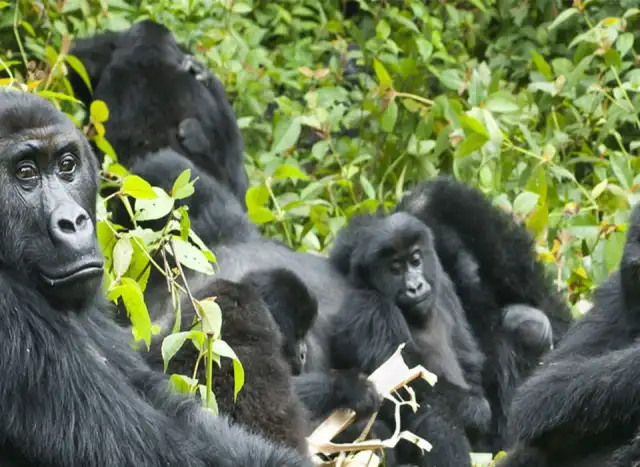
Enjoy a gorilla trek on a Uganda safari trip, with guided forest hikes, close moments with mountain gorillas, and expert ranger insights.
A gorilla trek on a Uganda safari trip is an memorable adventure that combines wildlife, nature, and conservation. Visitors can expect an early morning briefing, guided hikes through lush forests, and tracking gorilla families with experienced rangers. The trek offers close encounters with mountain gorillas, insight into their behaviour, and stunning forest view. Strict rules ensure safety and ethical interaction, making the experience both thrilling and responsible.
Our Best Safari Packages on a Uganda Safari Trip
15 Days Luxury Safari in Uganda, Kenya and Tanzania
14 Days Explore Uganda and Rwanda Gorilla Trekking Safari
12 Days Best of Uganda Wildlife Encounter and Cultural Safari
11 Days Gorillas and Chimpanzees Wildlife Safari, Uganda
10 Days Uganda Ultimate Primate Safari
9 Days Best of the Uganda Safari with Gorillas
8 Days Murchison Chimpanzees Queen Elizabeth and Gorilla Safari
7 Days Queen Elizabeth Gorillas Trekking In Bwindi and Lake Mburo Safari
6 Days Murchison Falls and Queen Elizabeth National Park Safari
5 Days Safaris To Kibale & Queen Elizabeth National Park
3-days-gorilla-trekking-in-mgahinga-gorilla-national-park.
1. Early Morning Briefing at the Park Headquarters
Your gorilla trekking day on a Uganda safari trip begins early in the morning, usually around 7:30 am, at the park headquarters. This initial briefing is a crucial part of the experience, preparing you mentally and physically for the trek ahead. During the session, park rangers provide detailed explanations about gorilla behaviour, the rules to follow while trekking, and important safety measures to observe in the forest. Visitors are guided on how to act when encountering gorillas, including staying calm, keeping a safe distance, and avoiding sudden movements that might disturb the animals. The briefing also introduces your team of highly trained guides and rangers, who share valuable knowledge about the forest ecosystem and gorilla habits. This preparation sets the tone for the entire Uganda safari trip, building anticipation and excitement while emphasizing your role in protecting these endangered primates and preserving the fragile environment in which they live. It ensures a safe, responsible, and rewarding trekking experience.
2. Allocation of Gorilla Families
After the morning briefing, visitors on a Uganda safari trip are divided into small groups and assigned a specific gorilla family to track, ensuring a well Organized and safe trekking experience. This allocation is carefully done, taking into account factors such as fitness level, age, and personal preferences whenever possible. Some gorilla families are located closer to the park headquarters, making for shorter and easier hikes, while others require longer walks through the forest, offering a more physically challenging adventure. By matching visitors thoughtfully, park authorities ensure that everyone enjoys the trek at a comfortable pace while minimizing stress for the gorillas. Limiting the number of visitors per gorilla family also helps protect the animals’ natural behavior and habitat. Being assigned a particular gorilla family adds a sense of excitement and anticipation to the Uganda safari trip, as each family has its own unique personalities, dynamics, and interactions, making every trekking experience distinct, rewarding, and memorable.
3. Guided Walk Through Dense Forest
The actual gorilla trek on a Uganda safari trip begins with a guided walk through lush rainforest, dense bamboo zones, and steep, sometimes challenging hillsides. The terrain can be uneven, muddy, and slippery, particularly after rainfall, adding an element of adventure to the experience. Knowledgeable guides lead the group, clearing paths with machetes when necessary and providing fascinating insights into the forest ecosystem. Along the way, they point out medicinal plants, unique bird species, and signs of other wildlife, allowing trekkers to connect deeply with the environment. Armed rangers accompany the group to ensure safety and maintain a respectful distance from the wildlife. The trek is conducted at a comfortable pace, with regular breaks for hydration, photography, and simply taking in the natural surroundings. This immersive approach transforms the walk into a full adventure, making the Uganda safari trip more than just a trek—it becomes an opportunity to experience Uganda’s rich biodiversity and forest beauty firsthand.
4. Physical Challenge but Flexible Pace
Gorilla trekking on a Uganda safari trip can be physically challenging, but it is designed to be accessible and enjoyable for most visitors. The hike often involves navigating steep hills, dense vegetation, and uneven forest trails, sometimes requiring several hours of walking. Despite the physical demands, experienced guides are always on hand to adjust the pace according to the group’s fitness level, ensuring that no one feels rushed or left behind. Regular breaks are taken to rest, hydrate, and enjoy the forest scenery, giving trekkers time to soak in the unique environment. Porters are also available to assist with carrying backpacks and offering support on difficult sections, which adds to the comfort and safety of the experience. With a positive mindset and steady pacing, the physical effort of trekking becomes a rewarding part of the journey. Completing the trek and reaching the gorillas provides a profound sense of accomplishment, making the Uganda safari trip both memorable and deeply satisfying.
5. Tracking Gorillas in Their Natural Habitat
Tracking gorillas is one of the most exciting and immersive experiences on a Uganda safari trip, offering a unique glimpse into how conservation teams work closely with nature. Each morning, rangers rely on detailed reports from trackers who follow the gorillas daily, carefully monitoring their movements and behaviors. Signs such as fresh nests, broken branches, and footprints guide the trekking group closer to the gorilla family, ensuring a safe and respectful approach. Depending on the gorillas’ location, tracking can take anywhere from one hour to several hours, which adds an element of unpredictability and adventure to the Uganda safari trip. This process allows visitors to experience the forest much as the gorillas do quietly, attentively, and with full awareness of the surroundings. The anticipation builds with every step until the special moment arrives when the gorillas are finally located, creating a deeply rewarding and memorable wildlife encounter that highlights both patience and respect for these magnificent creatures.
6. Close Encounter With Mountain Gorillas
The highlight of any Uganda safari trip is the powerful moment when you come face to face with mountain gorillas in their natural environment. After tracking them through the forest, visitors are allowed to spend up to one hour quietly observing the gorilla family. During this time, you may witness gorillas feeding on vegetation, grooming one another, resting peacefully, or young ones playing under the watchful eye of the dominant silverback. Every movement feels raw and natural, guided by strict rules that protect the gorillas and ensure minimal disturbance. Standing just a short distance away from these gentle giants creates a deep emotional connection and a greater appreciation for wildlife conservation. The experience encourages calm reflection rather than excitement or noise, allowing you to fully absorb the moment. Although the hour passes quickly, it leaves a strong impression and becomes a defining memory of a Uganda safari trip, marked by respect, wonder, and admiration for these remarkable animals.
7. Strict Rules During Gorilla Viewing
Rules are strictly enforced during gorilla viewing on a Uganda safari trip to ensure the safety of both visitors and the gorillas themselves. Trekkers are required to keep a safe distance, avoid flash photography, and remain calm and quiet at all times. These rules are clearly explained by guides and are closely monitored throughout the encounter. If a gorilla moves closer to the group, visitors are advised to stand still, avoid eye contact, and carefully follow the guide’s instructions. Such guidelines are essential because gorillas are highly sensitive to stress and vulnerable to human diseases. Maintaining discipline during viewing helps protect their health and allows them to continue behaving naturally in their environment. By respecting these regulations, visitors contribute directly to conservation efforts and responsible tourism. Following the rules enhances the overall quality of the Uganda safari trip, ensuring that gorilla trekking remains ethical, safe, and sustainable for future generations to enjoy.
8. Opportunity for Photography and Observation
Photography is an important part of a Uganda safari trip, especially during the unforgettable moments of gorilla trekking. Visitors are allowed to take photographs without using flash, which helps protect the gorillas while allowing you to capture natural and emotional scenes of their daily lives. Guides assist by positioning the group in suitable areas where clear viewing angles are possible while still maintaining the required safe distance. This guidance ensures that photography does not disturb the gorillas or interrupt their normal behavior. Beyond taking photos, quiet observation is equally rewarding, as you watch gorilla families interact, play, rest, and communicate with one another. These moments reveal strong social bonds and unique personalities within the group. The surrounding forest, filled with natural sounds and filtered light, creates a calm and immersive atmosphere. This setting makes the Uganda safari trip feel genuine, respectful, and deeply meaningful, rather than rushed or overly commercial.
9.Learning About Conservation and Community Impact
A Uganda safari trip is not only about the excitement of seeing mountain gorillas in the wild, but also about understanding the important role conservation plays in protecting them. During the trek, guides take time to explain how gorilla trekking permits directly support habitat protection, scientific research, and long term monitoring of gorilla families. Visitors also learn how tourism revenue helps fund community projects such as schools, health centers, and clean water initiatives in nearby villages. By creating employment for guides, porters, lodge staff, and local artisans, tourism provides alternative livelihoods that reduce reliance on activities like poaching or illegal forest use. This deeper understanding adds meaning to the experience, making travelers feel connected to something larger than themselves. Knowing that your visit contributes positively to both wildlife and local communities transforms the Uganda safari trip into a responsible and purposeful journey that supports conservation while improving lives around the national parks.
10. Return Hike and Certificate Award
After the one-hour gorilla encounter, the group begins the return hike, marking the final stage of the Uganda safari trip. The walk back through the forest is usually more relaxed, as the main goal of the trek has been achieved and there is time to reflect on the experience. Guides often continue sharing stories about the forest, conservation efforts, and gorilla behavior, adding more meaning to the journey. Fellow trekkers exchange impressions, photos, and quiet moments of appreciation as the excitement slowly settles in. Upon reaching the park headquarters, visitors are presented with a gorilla trekking certificate as recognition of their successful trek. This certificate is more than a souvenir; it symbolizes participation in conservation and responsible tourism. Ending the day in this way gives the Uganda safari trip a strong sense of fulfillment, pride, and personal achievement, leaving travelers with lasting memories and a deeper respect for Uganda’s wildlife and natural heritage.
Best Time to Visit for Gorilla Trekking on a Uganda Safari Trip
The best time to visit Uganda for gorilla trekking on a Uganda safari trip is during the dry seasons, which run from June to September and from December to February. These months are popular because forest trails are drier and easier to navigate, reducing the chances of slipping on steep or muddy paths. Clearer conditions also improve visibility in the forest, making photography and gorilla viewing more comfortable. However, gorilla trekking is available all year round, as gorillas do not migrate and remain within the forest throughout the seasons. The rainy months, from March to May and October to November, bring lush vegetation and fewer visitors, which can make a Uganda safari trip feel quieter and more intimate. While trekking can be more physically demanding during this time, some travelers enjoy the fresh scenery and lower lodge rates. The best time ultimately depends on your comfort level, budget, and travel preferences.
How to Get to Uganda Gorilla Parks on a memorable Uganda Safari Trip
Getting to Uganda’s gorilla trekking destinations is a crucial part of planning a memorable Uganda safari trip, as it sets the tone for the adventure ahead. Most international travelers arrive through Entebbe International Airport, which is conveniently located near the capital city, Kampala. From there, visitors can reach gorilla parks such as Bwindi Impenetrable National Park and Mgahinga Gorilla National Park either by road or domestic flight. Road transfers typically take between 8 to 10 hours, depending on the sector being visited, but they offer scenic views of rolling hills, lush forests, rural villages, and glimpses of everyday Ugandan life. For travelers seeking a quicker and more comfortable journey, domestic flights operate from Entebbe or Kajjansi to nearby airstrips like Kihihi or Kisoro, followed by a short drive to the lodge. Many tourists opt for guided transfers organized by professional tour operators, as this makes the Uganda safari trip smoother, more enjoyable, and well-coordinated from arrival to departure.
Things to Do Besides Gorilla Trekking on a Uganda Safari Trip
A Uganda safari trip offers many rewarding activities beyond gorilla trekking, allowing visitors to explore both nature and culture. Guided nature walks through forest trails provide opportunities to spot birds, butterflies, and unique plant species while learning about the ecosystem from local guides. Cultural experiences, such as visits to nearby communities and Batwa cultural encounters, give insight into traditional lifestyles, music, dance, and storytelling. Bird watching is especially popular, as Uganda is home to an impressive variety of bird species found around forest edges and wetlands. Scenic viewpoints and photography stops allow travelers to relax and enjoy the surrounding landscape. Some lodges also organise village walks, coffee tours, and craft demonstrations, adding depth to the Uganda safari trip. These activities create a balanced experience that combines adventure, learning, and meaningful cultural connection.
What to Carry for Gorilla Trekking on a Uganda Safari Trip
Packing correctly is essential for a comfortable and successful Uganda safari trip, particularly when gorilla trekking is part of the itinerary. The forest terrain can be challenging, so sturdy hiking boots with good grip are a must to navigate muddy, uneven, and sometimes slippery trails safely. Long-sleeved shirts and long trousers provide protection from insects, thorny vegetation, and sun exposure, while a lightweight rain jacket is highly recommended because forest weather can change suddenly. Visitors should bring a small backpack stocked with drinking water, energy snacks, sunscreen, and insect repellent to stay hydrated, energized, and protected throughout the trek. Gardening gloves can help grip vegetation on steep slopes, and a hat shields against sun and rain. A walking stick, often provided by the park, offers additional balance and support. By packing thoughtfully, you can fully immerse yourself in the experience, ensuring that your Uganda safari trip is enjoyable, safe, and stress-free from start to finish.
Accomodation on a Uganda Safari Trip During Gorilla Trekking
Accommodation is an important part of shaping the overall comfort of a Uganda safari trip, and there are options to suit different budgets and travel styles. Visitors can choose from budget lodges, mid-range camps, and luxury eco-lodges located close to gorilla trekking starting points. Staying near the park reduces early morning travel time and allows for a more relaxed schedule on trekking day. Many lodges are designed using local materials and blend naturally into the forest environment, offering peaceful surroundings and scenic views. Comfortable rooms, warm hospitality, and freshly prepared meals enhance the Uganda safari trip experience after a long day in the forest. Some lodges also support conservation and local community projects through employment and sustainable practices, allowing travellers to enjoy comfort while contributing positively to the destination they are visiting.
How much does a safari trip cost per person 0n a Uganda Safari Trip?
The cost of a Uganda safari trip per person can vary depending on the duration, type of accommodation, number of parks visited, and included activities. Budget travellers may spend around $1,200 - $1,800 for a 4 to 5 day trip, while mid-range options with comfortable lodges can cost $2,000 - $3,500. Luxury packages with private guides, exclusive lodges, and customised itineraries can exceed $5,000 per person. Costs generally include park entry fees, guided game drives, gorilla trekking permits, meals, transportation, and accommodation. Booking through a reputable operator, such as Lamz Tours and Travel, often ensures that all logistics are handled smoothly, making your Uganda safari trip stress-free and enjoyable. While the price may seem high, it directly supports conservation efforts, local communities, and the maintenance of Uganda’s national parks. Planning in advance can also help secure better rates and availability, especially for gorilla trekking permits, which are limited.
What are the best months for safari in Uganda?
The best months for a Uganda safari trip are during the dry seasons, from June to September and December to February. During these periods, forest trails and savannah roads are more accessible, making it easier to reach gorilla families and spot wildlife across the parks. Dry months also provide better visibility for photography, clearer skies, and more comfortable hiking conditions. However, Uganda is a year round destination, and wildlife can still be seen during the wet months of March to May and October to November. Trekking in the rainy season may involve muddy trails and more physical effort, but it offers lush scenery, fewer crowds, and a quieter experience. Choosing the best time for your Uganda safari trip depends on personal preferences for weather, comfort, and crowd levels. Regardless of season, the country’s biodiversity, gorillas, and iconic wildlife remain a highlight of every visit.
Are there Safaris in Uganda?
Yes, Uganda offers incredible opportunities for a Uganda safari trip, with a variety of national parks and wildlife reserves showcasing Africa’s rich biodiversity. Parks like Queen Elizabeth, Murchison Falls, and Kidepo Valley are famous for game drives, where visitors can see elephants, lions, buffaloes, hippos, giraffes, and Uganda kob. Uganda is also renowned for gorilla trekking in Bwindi Impenetrable and Mgahinga National Parks, giving travelers a rare chance to observe mountain gorillas in their natural habitat. Beyond wildlife, many parks offer bird watching, nature walks, cultural encounters, and boat cruises, making the Uganda safari trip diverse and immersive. Safaris in Uganda cater to different budgets and preferences, from budget camping tours to luxury lodges with private guides. The country’s accessibility, well-managed parks, and friendly local guides make it a top choice for anyone seeking an authentic and unforgettable safari experience in Africa.
How much does it cost to go gorilla trekking in Uganda?
Gorilla trekking is a highlight of any Uganda safari trip, and its cost reflects the exclusivity and conservation value of the experience. In Bwindi Impenetrable National Park and Mgahinga Gorilla National Park, gorilla trekking permits typically cost around $700 per person for foreign non-residents. This fee grants access for one hour with a gorilla family and supports park conservation, research, and local communities. For East African residents, permits are often cheaper, usually around $600, while Ugandan citizens pay a lower rate of about $250. Prices can fluctuate depending on the season, demand, and special packages offered by safari operators. While the cost may seem high, it ensures that gorilla habitats are protected and that trekking is conducted ethically. Including the trek as part of a full Uganda safari trip allows visitors to combine wildlife viewing, cultural experiences, and other safari adventures, making the overall journey enriching and memorable.
Why Book With Lamz Tours and Travel
Booking with Lamz Tours and Travel ensures that your Uganda safari trip is seamless, safe, and memorable. With years of experience organizing wildlife tours and gorilla trekking adventures, Lamz Tours and Travel offers expert guidance, personalized itineraries, and local insights that bring Uganda’s natural beauty and wildlife to life. From arranging permits and transportation to selecting the best lodges near national parks, every detail is carefully managed so that travelers can focus on the experience rather than logistics. Our knowledgeable guides provide in-depth information about gorillas, other wildlife, and conservation efforts, enhancing your Uganda safari trip with education and adventure. Safety, comfort, and sustainability are prioritised, with professional support available throughout your journey. Choosing Lamz Tours and Travel also means contributing to responsible tourism, as the company works closely with local communities and conservation programs. Whether it’s your first visit or a return trip, booking with Lamz Tours and Travel guarantees a well Organised, meaningful, and truly memorable Uganda safari trip.
Ready to plan your safari?
Talk to a Lamz Tours specialist and get a tailor-made quote.
Make an enquiry