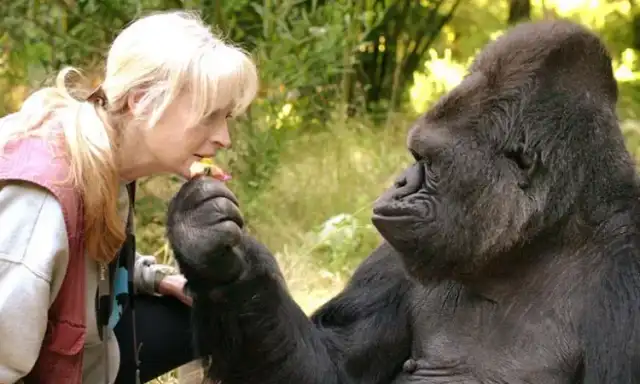
What to Expect for Gorilla Habituation on Lion Safaris Rwanda: enjoy extended gorilla viewing, forest trekking, ranger guidance, and expert safari planning.
Gorilla habituation on Lion Safaris Rwanda gives visitors longer time with mountain gorillas while joining rangers and trackers in the forest. Unlike standard trekking, this activity focuses on observing gorillas as they grow used to human presence. It combines walking, wildlife learning, and conservation insight within a well organised Rwanda safari journey.
Our Best Safaris on Lion Safari Rwanda
1 Day Uganda Gorilla Trekking from Kigali, Rwanda
2 Days Nyungwe Chimpanzee and Canopy Walk Safari in Rwanda
3 Days Akagera National Park Wildlife Safari
4 Days Nyungwe Forest National Park and Lake Kivu Safari
5 Days Rwanda Gorilla and Akagera Wildlife Safari
6 Days Rwanda Safari with Gorilla Trekking and Wildlife
7 Days Cultural and Gorillas Experience In Rwanda
9 Day Rwanda Cultural Safaris with full Primate Experience
10 Days Rwanda and Kenya Safari- Gorillas and Wildlife in Masai Mara
1. Early Morning Start for Gorilla Habituation on Lion Safaris Rwanda
One of the first things to expect for gorilla habituation on Lion Safaris Rwanda is an early morning start. Guests usually wake before sunrise to prepare for briefing and transfer to the park headquarters. Rangers explain trekking rules, safety measures, and what to expect during the day. Because gorilla habituation is a longer activity than standard gorilla trekking, starting early allows enough time to reach the gorilla family and spend extended hours in the forest. Visitors should eat breakfast before departure and carry packed lunch, drinking water, and personal essentials. The early hours are often cool, so wearing layers is helpful. After registration, groups are assigned guides, trackers, and armed rangers who lead the walk. The drive to the trailhead may take some time depending on the gorilla family location. An early start is important because the forest experience can last most of the day. On Lion Safaris Rwanda, proper timing helps guests enjoy a smoother journey and enough time for this rare wildlife encounter.
2. Longer Trekking Experience on Lion Safaris Rwanda
Gorilla habituation on Lion Safaris Rwanda usually involves a longer trek than standard gorilla visits. Unlike normal trekking where guests spend one hour with a fully habituated family, habituation experiences often include more walking and several hours in the forest with researchers and trackers. The distance depends on where the gorillas moved the previous day, weather conditions, and terrain. Some treks may be moderate, while others require stronger fitness because of steep slopes, thick vegetation, or muddy trails. Visitors should come prepared for a full-day outdoor activity. Good hiking boots, long clothing, gloves, and walking sticks are very useful. The pace is managed by guides, with breaks provided when needed. Although the walk can be demanding, the reward is deeper time in the forest and closer understanding of gorilla behaviour. Lion Safaris Rwanda prepares guests in advance so expectations remain realistic. Patience and readiness for physical activity help make the experience more enjoyable and comfortable.
3. Extended Time with Gorillas on Lion Safaris Rwanda
A major highlight of gorilla habituation on Lion Safaris Rwanda is extended time with the gorillas once they are located. Instead of the usual one-hour visit, habituation experiences often allow several hours in the presence of a semi-habituated family under ranger supervision. This gives visitors more opportunity to observe behaviour such as feeding, resting, grooming, play among young gorillas, and interactions within the group. Because the gorillas are still becoming accustomed to human presence, movements can be less predictable than with fully habituated families. Guides carefully manage guest positioning and distance to avoid causing stress. The extra time allows photographers, wildlife enthusiasts, and researchers to gain a richer understanding of gorilla life. Silence and calm behaviour are important throughout the visit. Guests are reminded not to touch the animals or make sudden movements. With Lion Safaris Rwanda, this longer viewing period is one of the most rewarding parts of the journey, offering deeper appreciation for mountain gorilla conservation.
4. More Natural Gorilla Behaviour on Lion Safaris Rwanda
Another thing to expect during gorilla habituation on Lion Safaris Rwanda is seeing more natural and less structured gorilla behaviour. Since these families are still undergoing the habituation process, they may react differently compared with gorillas already used to daily visitor presence. Some individuals may watch the group from a distance, move away, or continue feeding without much attention. Silverbacks may remain alert while trackers monitor the group carefully. This creates an authentic wildlife experience where visitors witness gorillas behaving more naturally in their environment. It also means patience is important, as the family may move through vegetation during observation. Guides explain behaviour patterns and help guests understand what is happening. Every encounter is different, which adds value to the experience. Rather than a staged viewing, habituation offers insight into how trust is gradually built between gorillas and conservation teams. Lion Safaris Rwanda presents this as an educational journey, not only a sightseeing activity.
5. Strong Ranger Guidance and Safety on Lion Safaris Rwanda
Safety is a key part of gorilla habituation on Lion Safaris Rwanda. Guests move with professional guides, trackers, and armed rangers who understand gorilla behaviour and forest conditions. Before departure, visitors receive clear instructions about walking order, speaking levels, photography rules, and how to respond if gorillas move close. Rangers maintain a safe environment for both people and wildlife. They also coordinate with trackers who monitor the gorilla family location in advance. During the visit, guests may be asked to step back, crouch, or remain still depending on gorilla movement. These instructions are normal and should be followed quickly. Guides also assist with pace during the hike and help guests manage difficult terrain. This professional support gives confidence even in remote forest areas. With Lion Safaris Rwanda, guest welfare and wildlife respect are treated seriously, ensuring the experience remains organised, secure, and professionally managed from start to finish.
6. Forest Conditions and Weather on Lion Safaris Rwanda
Visitors should expect changing forest conditions during gorilla habituation on Lion Safaris Rwanda. Mountain forests can be cool in the morning, warm during hiking, and wet if rain arrives suddenly. Trails may be muddy, slippery, or covered with roots and thick vegetation. Weather can change quickly, even in dry seasons, so carrying a light rain jacket is wise. Waterproof boots with good grip are strongly recommended. Long sleeves and trousers help protect against scratches, nettles, and insects. Since the trek may last many hours, staying comfortable is important. Guests should also carry enough drinking water and energy snacks. The forest environment is part of what makes the experience genuine and rewarding. Rather than polished tourist paths, this is a natural habitat where conditions vary daily. Lion Safaris Rwanda advises practical preparation so visitors can focus on the wildlife encounter rather than discomfort. Being ready for nature improves the whole habituation journey.
7. Limited Numbers and Advance Booking on Lion Safaris Rwanda
Gorilla habituation on Lion Safaris Rwanda is a limited experience with fewer permits than standard gorilla trekking. Only small groups are allowed each day to reduce disturbance and support conservation goals. Because of this, advance booking is highly recommended, especially during peak travel months. Demand can be high among wildlife enthusiasts, photographers, and repeat safari guests seeking something deeper than a one-hour gorilla visit. Securing permits early also helps with planning accommodation and transport. The limited numbers create a more private and focused experience in the forest. Smaller groups move more quietly and allow better guide interaction. Visitors often appreciate the sense of exclusivity and quality over crowd size. Lion Safaris Rwanda assists guests with permit arrangements, itinerary planning, and travel logistics to avoid last-minute disappointment. If gorilla habituation is a priority, early confirmation is one of the most important steps in planning the safari successfully.
8. Memorable Conservation Experience on Lion Safaris Rwanda
Beyond wildlife viewing, gorilla habituation on Lion Safaris Rwanda offers a deeper conservation experience. Guests witness the careful process through which gorillas gradually become comfortable with human presence for future tourism and research. This process takes time, patience, and expert fieldwork. Seeing trackers and rangers at work helps visitors understand how tourism supports protection of endangered mountain gorillas and surrounding communities. The experience often leaves a stronger impression than ordinary sightseeing because it connects people directly to conservation efforts. Visitors return with greater respect for the animals, their habitat, and the professionals protecting them. It is also a reminder that responsible tourism can create long-term benefits when managed properly. Spending extended time in the forest builds appreciation for every stage of the journey, from the hike to the final encounter. With Lion Safaris Rwanda, gorilla habituation becomes more than an activity it becomes meaningful participation in one of Africa’s leading wildlife conservation stories.
Best Time to Visit for Gorilla Habituation on Lion Safaris Rwanda
The best time for gorilla habituation on Lion Safaris Rwanda is during the dry seasons from June to September and December to February. These months usually bring firmer forest trails, making walking easier through steep and muddy sections. Lower rainfall also helps visibility in the forest and allows more comfortable trekking conditions during the long day. Gorilla habituation often involves extended hours in the wild, so better weather can make a real difference. During wet months from March to May and October to November, the forests become heavier with rain, and paths may be more slippery. However, the vegetation is greener and visitor numbers can be lower. Some people prefer quieter periods despite the extra challenge. Because permits are limited, booking early is wise regardless of season. Lion Safaris Rwanda helps guests choose the right travel period based on comfort, budget, and availability. Dry months remain the preferred option for many visitors who want easier movement and steady conditions during this special gorilla activity.
How to Get There for Gorilla Habituation on Lion Safaris Rwanda
Most gorilla habituation journeys on Lion Safaris Rwanda begin with arrival at Kigali International Airport, Rwanda’s main gateway. From Kigali, visitors continue by road in a private safari vehicle towards Volcanoes National Park in the north of the country. The drive usually takes a few hours and passes towns, farmland, and the rolling countryside Rwanda is known for. Comfortable vehicles with experienced drivers make the transfer smooth and organised. Many guests stay overnight near the park before the habituation day because the activity begins early in the morning. On the trekking day, visitors are transferred to the park headquarters for registration and briefing before moving to the trailhead. Some guests combine the trip with Nyungwe National Park or Kigali city tours, creating a longer itinerary. Lion Safaris Rwanda arranges airport pickups, park transfers, accommodation links, and return transport, reducing stress for guests. Good planning helps ensure arrival times match permit schedules and allows the safari to run smoothly from start to finish.
Things to Do for Gorilla Habituation on Lion Safaris Rwanda
A gorilla habituation safari on Lion Safaris Rwanda offers more than simply seeing gorillas. The main activity is joining rangers, trackers, and researchers as they spend extended time with a semi-habituated gorilla family. Visitors may watch feeding, grooming, movement through the forest, and interaction between adults and young gorillas. Because more time is allowed than standard trekking, guests gain a better understanding of daily gorilla behaviour. Beyond habituation, travellers can add golden monkey tracking in Volcanoes National Park, cultural village visits, or guided community walks nearby. Many also choose to visit Kigali for museums, craft markets, and historical sites before or after the safari. Nature walks and birdwatching can also be included depending on available time. Lion Safaris Rwanda can combine these activities into a well-paced itinerary. This creates a fuller holiday with wildlife, culture, and local insight rather than only one park visit. The result is a balanced safari programme with good variety across Rwanda.
What to Carry for Gorilla Habituation on Lion Safaris Rwanda
Packing correctly is important for gorilla habituation on Lion Safaris Rwanda because the activity can last many hours in forest conditions. Strong waterproof hiking boots are essential for muddy or steep trails. Long trousers and long-sleeved shirts help protect against nettles, insects, and branches. A light rain jacket is recommended because weather can change quickly in mountain forests. Carry a small backpack with drinking water, snacks, tissues, sunscreen, and personal medication. Gardening gloves are useful when holding vegetation for balance on difficult paths. A walking stick can provide support and is often available locally. Cameras are welcome, though flash photography is not allowed near gorillas. Keep passport copies, permits, and valuables secure in a waterproof pouch. Since mornings may be cool, dressing in layers is sensible. Avoid heavy luggage on the trek, as light packing improves comfort. Lion Safaris Rwanda advises guests in advance so they arrive fully prepared for the physical demands and changing weather of the day.
Where to Stay for Gorilla Habituation on Lion Safaris Rwanda
Accommodation for gorilla habituation on Lion Safaris Rwanda is usually based near Volcanoes National Park, allowing easy access to the briefing point on trekking morning. Options range from budget guesthouses to comfortable mid-range lodges and high-end properties. Budget stays suit visitors who want practical lodging without extra cost, while mid-range lodges often provide good service, warm meals, and convenient locations. Luxury lodges offer private cottages, personalised attention, and added comfort after a long day in the forest. Many properties provide packed breakfasts or early meals because habituation starts early. Staying close to the park reduces road travel before dawn and allows more rest. Some guests also choose one night in Kigali before or after the safari for easier flight connections. Lion Safaris Rwanda helps match accommodation with budget, comfort level, and itinerary needs. Booking early is recommended, especially during peak dry seasons, because rooms near the park can fill quickly when gorilla permits are in high demand.
Health and Safety for Gorilla Habituation on Lion Safaris Rwanda
Health and safety are central to gorilla habituation on Lion Safaris Rwanda. Visitors should check routine vaccinations before travel and speak with a medical professional regarding malaria prevention for relevant areas. Carry personal medication, insect repellent, and a small first-aid kit. During trekking, follow ranger instructions carefully at all times. Guests must keep the required distance from gorillas to protect both people and wildlife from disease transmission. Anyone feeling unwell may be advised not to trek, which helps protect the animals. Good hiking boots reduce the risk of slips on muddy ground, while drinking safe water helps prevent dehydration. Road transfers are common, so using experienced drivers and reliable operators matters. Travel insurance covering medical treatment and cancellations is strongly advised. Keep passports, money, and valuables secure throughout the journey. Lion Safaris Rwanda works with professional guides and organised logistics to support a safe and well-managed safari, allowing guests to focus on the wildlife encounter confidently.
How Much Does a Safari Cost in Rwanda on Lion Safaris Rwanda?
The cost of a safari in Rwanda on Lion Safaris Rwanda depends on the type of trip, travel season, accommodation level, and number of days you choose. Rwanda offers budget, mid-range, and luxury options, so prices vary widely. Gorilla trekking is usually the highest-cost activity because permits are limited and highly valued. Once permits are included, other costs involve accommodation, transport, meals, guide services, and park activities. Budget safaris may use simple lodges and shared transport, while mid-range options provide private vehicles and comfortable stays. Luxury packages often include premium lodges, personalised service, and added convenience. A short two or three-day gorilla trip costs less than a longer safari that combines Volcanoes National Park, Akagera National Park, and Nyungwe Forest National Park. Travelling during quieter seasons may reduce lodge costs. Personal spending, porter tips, and optional extras should also be considered. Lion Safaris Rwanda helps guests choose a plan that suits their budget while keeping the journey organised, practical, and enjoyable from start to finish
What Are the Big 5 Animals in Rwanda on Lion Safaris Rwanda?
The Big 5 animals in Rwanda on Lion Safaris Rwanda are lion, leopard, elephant, buffalo, and rhinoceros. These animals were historically known as the five most challenging species to hunt on foot, but today they are admired for wildlife viewing and conservation value. In Rwanda, the best place to search for the Big 5 is Akagera National Park in the east of the country. Through successful conservation efforts, Akagera now supports healthy populations of these important species. Lions and black rhinos were reintroduced after earlier population losses, while elephants and buffalo remained present. Leopards also live in the park, although they are naturally shy and harder to spot than some other animals. Morning and late afternoon game drives usually give the best chances of sightings. Many visitors combine Akagera with gorilla trekking in Volcanoes National Park for a varied safari. Lion Safaris Rwanda often arranges such combinations, allowing guests to enjoy both classic savannah wildlife and Rwanda’s famous mountain gorillas within one well-planned itinerary.
What Is Safer, Uganda or Rwanda on Lion Safaris Rwanda?
Both Uganda and Rwanda are popular safari destinations, but many visitors consider Rwanda especially organised and easy to navigate on Lion Safaris Rwanda itineraries. Rwanda is widely known for clean cities, orderly systems, good roads, and strong tourism management. Visitors often find movement between Kigali, Volcanoes National Park, and other destinations straightforward and efficient. Uganda is also a rewarding safari country with rich wildlife areas and welcoming people, though journeys between parks can be longer due to the country’s larger size and road distances. Safety in either country depends on sensible travel habits, using trusted operators, following local advice, and staying informed about current conditions. For some guests, Rwanda feels simpler because of its compact layout and structured tourism services. Uganda may appeal more to those wanting broader landscapes and multiple park choices. Lion Safaris Rwanda helps guests travel with reliable planning, professional guides, and clear logistics. Overall, both countries can be safe and enjoyable when trips are arranged responsibly and visitors use normal caution throughout their stay.
Why Book with Lamz Tours and Travel for Gorilla Habituation on Lion Safaris Rwanda
Booking through Lamz Tours and Travel for gorilla habituation on Lion Safaris Rwanda gives guests organised planning and dependable support from enquiry to departure. Gorilla habituation permits are limited, so professional assistance is valuable when securing dates and arranging accommodation close to the park. Lamz Tours and Travel helps coordinate airport transfers, park transport, lodging, and activity schedules to avoid delays. Our team can also build longer itineraries including Kigali, Nyungwe, or Akagera for guests wanting more than one destination. Clear communication before arrival helps visitors understand permit rules, packing needs, and travel timings. During the safari, experienced guides and drivers add local knowledge and practical support. Flexible options are available for different budgets, whether guests want simple lodging or higher comfort levels. Lamz Tours and Travel focuses on making the trip smooth, realistic, and well organised. For visitors seeking reliable help with a specialised wildlife activity, they provide strong reasons to choose Lion Safaris Rwanda with confidence.
Ready to plan your safari?
Talk to a Lamz Tours specialist and get a tailor-made quote.
Make an enquiry