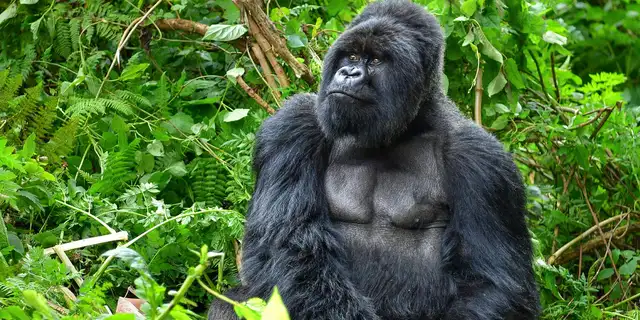
What you wear on gorilla trekking in Uganda can make the difference between an uncomfortable slog and an unforgettable few hours in the forest. Bwindi Impenetrable National Park and Mgahinga Gorilla National Park sit at high altitude, so the trail is cool, muddy, and thick with stinging nettles and thorny vegetation, even in the dry season. The right layers keep you warm, dry, and protected, while the wrong ones, jeans, sandals, or bright colours, can turn a magical trek into a miserable one. Here is exactly what to pack and wear for gorilla trekking in Bwindi.
This packing list applies whether you are joining a short 3 Days Uganda Gorilla Trekking Safari or a longer primate circuit such as the 9 Days Best of the Uganda Safari with Gorillas. Lamz Tours and Travel shares a full kit list with every guest before departure, but the essentials below cover what actually matters on the trail.
Popular Gorilla Trekking Packages
What Should I Wear for Gorilla Trekking in Uganda?
1. Sturdy, Waterproof Hiking Boots
A good pair of ankle-supporting, waterproof hiking boots is the single most important item on this list. Bwindi's trails are steep, muddy, and often slippery, and treks can last anywhere from 1 to 8 hours depending on where the gorilla family has moved that morning. Break your boots in before you travel; new boots on a full-day trek are a fast way to end up with blisters.
2. Long, Sturdy Trousers
Avoid jeans, which are heavy when wet and restrict movement. Choose lightweight, quick-drying hiking trousers in a neutral colour, khaki, olive, brown, or grey. Tuck your trousers into your socks or gaiters to stop safari ants and other insects from crawling up your legs, a trick nearly every Uganda gorilla trekking guide will recommend.
3. A Long-Sleeved Shirt or Blouse
Long sleeves protect your arms from stinging nettles, thorny vegetation, and biting insects as you push through dense undergrowth. A breathable, moisture-wicking fabric works best since the trek is physically demanding even in cool weather. Layer a t-shirt underneath so you can adjust as the temperature shifts between the misty morning and a sweatier midday climb.
4. A Waterproof Jacket or Poncho
Bwindi is rainforest, so rain is possible in any month, dry season included. A lightweight, packable waterproof jacket is essential, and a poncho that can cover your daypack too is a smart addition. Skip heavy raincoats; they add unnecessary weight and warmth on what is already a strenuous hike.
5. Gardening Gloves
You will use your hands constantly to push through vines, steady yourself on steep sections, and grip onto branches. A simple pair of thick gardening gloves protects your palms from thorns and stinging nettles without the bulk of full hiking gloves.
6. Gaiters and Thick Socks
Gaiters wrap around your lower leg and boot top to keep mud, water, and biting ants out. Pair them with thick, high socks pulled up over your trouser cuffs for the same reason. This combination is one of the most repeated tips in Lamz Tours and Travel' own guide to gorilla trekking fitness and preparation.
7. Sun Hat, Sunglasses, and Sunscreen
The forest canopy offers plenty of shade, but you will spend time in open sun on the drive to the trailhead and during breaks. A wide-brimmed hat, sunglasses, and a high-SPF sunscreen protect you from the equatorial sun at Bwindi's elevation, which is stronger than it feels in the cool mountain air.
8. A Small Daypack and Trekking Extras
Carry a lightweight, waterproof daypack for water, snacks, your rain jacket, and camera gear. Add a walking stick (often provided free at the park headquarters), insect repellent, a headlamp or flashlight, wet wipes, and biodegradable toilet paper. Hiring a porter at the trailhead is inexpensive, directly supports the local community, and means you trek with a lighter load and a helping hand on steep terrain.
A Note on Colour
Stick to neutral tones, khaki, olive, brown, grey, or dark green. Avoid bright colours and white, which stand out against the forest and can unsettle wildlife, and avoid camouflage patterns, which are restricted for civilian use in Uganda. Black and dark blue are best avoided too, since they attract tsetse flies in some areas.
Weather and Climate on a Gorilla Trekking Safari
Bwindi sits at an altitude of roughly 1,160 to 2,600 metres, so it stays cool and often misty, with daytime temperatures typically between 11°C and 23°C. Rain can fall in any month since this is a genuine rainforest, but the dry seasons from June to September and December to February offer the firmest, least muddy trails, which is why they remain the most popular windows for trekking.
Best Time for Gorilla Trekking in Uganda
June to September and December to February are the two dry seasons and the easiest months to trek in, with lower rainfall and firmer ground underfoot. The wetter months, March to May and October to November, bring muddier, more challenging trails but thinner crowds and occasionally better permit availability, which can suit more flexible, adventurous travellers.
How to Get to Bwindi for Gorilla Trekking
Most travellers fly into Entebbe International Airport (EBB), then either drive 7 to 9 hours to Bwindi or take a 1 to 1.5-hour domestic flight to an airstrip near the park. Travellers coming from Rwanda can also cross the land border and reach Bwindi in a scenic road journey, an option used on itineraries such as the 4 Day Gorilla Trekking in Uganda from Rwanda.
Things to Do Around Bwindi
Beyond the gorilla trek itself, most itineraries include a visit to the Batwa forest communities, a nature walk through the forest, and time at Lake Bunyonyi for canoeing and relaxation. Travellers with more time often extend into Queen Elizabeth National Park for game drives and a Kazinga Channel boat cruise, or Kibale Forest for chimpanzee trekking, turning the gorilla trek into a fuller Uganda wildlife circuit.
Health and Safety Tips for Gorilla Trekking
A yellow fever vaccination is mandatory if arriving from an endemic country, and travellers should carry a basic first-aid kit with any personal medication, plasters, and antiseptic for minor scratches. Malaria is present in the region, so bring insect repellent and discuss prophylaxis with your doctor before travel. Comprehensive travel insurance covering medical evacuation is essential, since Bwindi is remote and served by limited road access.
Why Book Your Gorilla Trekking Safari with Lamz Tours and Travel
Lamz Tours and Travel is a Uganda-based operator with direct, on-the-ground experience running gorilla trekking safaris in Bwindi and Mgahinga, and every guest receives a full pre-departure packing list, permit booking support, and guidance on fitness, weather, and what to expect on the trail. We handle logistics, dietary requirements, and accommodation across every budget, and provide 24/7 support throughout your trip, so all you need to think about is the moment you come face to face with a mountain gorilla family in the wild.
Ready to plan your safari?
Talk to a Lamz Tours specialist and get a tailor-made quote.
Make an enquiry