When planning a safari in Botswana and Victoria Falls, timing is everything. The best month to visit can significantly impact your experience, from the wildlife you encounter to the weather conditions and overall accessibility. Botswana’s vast wilderness and the majestic Victoria Falls each have their own seasonal rhythms that influence everything from animal migrations to water levels, making certain times of the year more ideal for spotting game or witnessing the full grandeur of the falls. Botswana, renowned for its pristine wilderness and abundant wildlife, offers unparalleled safari experiences. Whether you're exploring the Okavango Delta, the Chobe National Park, or the Makgadikgadi Pans, Botswana safari tours promise unforgettable encounters with Africa’s iconic animals in their natural habitat. With carefully curated Botswana safari packages, travelers can immerse themselves in the beauty of this untouched paradise while enjoying expertly guided tours and luxurious accommodations.
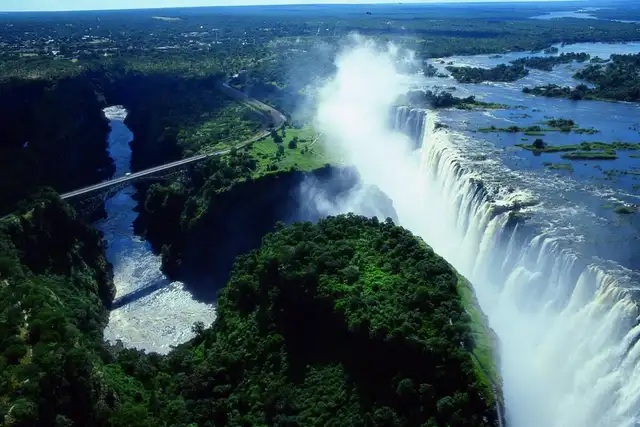
On the other hand, Victoria Falls, one of the Seven Natural Wonders of the World, is a spectacular destination that complements a safari in Botswana perfectly. Located on the border between Zimbabwe and Zambia, this majestic waterfall is a marvel of nature, drawing visitors from across the globe. A Victoria Falls tour in Zimbabwe is an extraordinary experience that combines breathtaking views, thrilling activities like white-water rafting and helicopter rides, and opportunities to explore the surrounding national parks.
Planning the perfect trip to these iconic destinations requires careful consideration of timing. The best month for a safari in Botswana and a visit to Victoria Falls depends on several factors, including wildlife activity, weather conditions, and personal preferences.
Top packages
The Best Month for Safari in Botswana
Dry Season: May to October
The dry season is widely regarded as the prime time for Botswana safari tours. During these months, the country experiences minimal rainfall, resulting in clear skies and cooler temperatures. Wildlife viewing is at its peak as animals congregate around water sources due to the scarcity of water elsewhere. The dry season is particularly ideal for exploring:
Okavango Delta: The annual floodwaters from Angola reach the delta between May and June, transforming it into a lush oasis teeming with life. This is the best time for mokoro (dugout canoe) safaris and spotting aquatic species such as hippos and crocodiles.
Chobe National Park: Known for its massive elephant herds, Chobe offers excellent game viewing during the dry season. River cruises along the Chobe River provide close encounters with elephants, buffaloes, and other wildlife as they gather to drink.
Moremi Game Reserve: The dry season enhances visibility for spotting predators like lions, leopards, and cheetahs. The sparse vegetation makes it easier to track animals during game drives.
Wet Season: November to April
The wet season brings lush greenery and dramatic skies to Botswana’s landscapes. While wildlife viewing can be slightly more challenging due to dense vegetation, this period offers unique advantages:
Birdwatching: Migratory birds arrive in Botswana during the wet season, making it a paradise for bird lovers. Species such as carmine bee-eaters, kingfishers, and herons are commonly spotted.
Baby Animals: Many animals give birth during this time, offering opportunities to see adorable newborns and witness predator-prey interactions.
Lower Crowds: Botswana safari packages are often more affordable during the wet season due to fewer tourists, allowing for a more intimate experience with nature.
Best Month to Visit: September
While both the dry and wet seasons have their merits, September stands out as one of the best months for a safari in Botswana. This transitional period combines the advantages of the dry season such as excellent wildlife viewing with warmer temperatures that are not yet sweltering. Additionally, September offers fewer mosquitoes compared to the wetter months, enhancing comfort during your trip.
The Best Month for Visiting Victoria Falls
Victoria Falls is a year-round destination with varying experiences depending on the season. The best month to visit largely depends on whether you want to see the falls at their fullest or enjoy adventure activities with optimal conditions.
High Water Season: February to May
During this period, Victoria Falls is at its most dramatic as water levels peak following heavy rains upstream. The sheer volume of water creates a mesmerizing curtain of mist and thunderous noise that can be seen and heard from miles away. However, high water levels may limit visibility from certain viewpoints due to excessive spray.
Low Water Season: August to December
The low water season offers clearer views of the falls as the spray diminishes, revealing intricate rock formations behind the cascades. This is also the best time for adventure activities such as swimming in the Devil’s Pool—a natural infinity pool at the edge of the falls—and white-water rafting along the Zambezi River’s rapids.
Best Month to Visit: September
September strikes a perfect balance between high and low water seasons at Victoria Falls. The flow is moderate, allowing for stunning views without excessive mist while still maintaining enough water for activities like river cruises and helicopter flights over the falls. Additionally, September’s warm temperatures make outdoor exploration enjoyable without being overly hot or humid.
What is the peak wildlife Viewing Months on Botswana safari tours
When planning a safari in Botswana, timing is everything especially if your goal is to witness the incredible wildlife in all its glory. The peak wildlife viewing months in Botswana typically fall between June and October. During this dry season, the landscape transforms as water sources dwindle, compelling animals to congregate around rivers, pans, and waterholes. This natural gathering makes it much easier for safari-goers to spot a wide variety of species, from towering elephants and majestic lions to elusive leopards and graceful antelopes.
June to October also offers clear skies and pleasant daytime temperatures, creating ideal conditions for game drives and photography. The thinner vegetation during these months further improves visibility, allowing you to catch rare and intimate moments like predator-prey interactions or a herd of elephants bathing in a river.
Top destinations to visit on Safari in Botswana
Okavango Delta
The Okavango Delta is a UNESCO World Heritage Site and one of the most unique ecosystems in the world. This vast inland delta transforms into a lush paradise during the annual flood season, attracting an incredible array of wildlife. Visitors can explore the delta by mokoro (traditional dugout canoe), motorboat, or on guided walking safaris. Expect to encounter elephants, hippos, lions, leopards, and an abundance of bird species. Luxury lodges and tented camps provide exclusive access to this remarkable region.
Chobe National Park
Famous for its massive elephant population, Chobe National Park is a must-visit destination for wildlife lovers. The park is home to an estimated 50,000 elephants, along with buffalo, giraffes, zebras, and predators such as lions and hyenas. The Chobe River serves as a lifeline for the park’s animals and offers excellent opportunities for river safaris. Sunset cruises are particularly popular, providing stunning views of the wildlife and the surrounding landscape.
Moremi Game Reserve
Located within the Okavango Delta, Moremi Game Reserve is often hailed as one of Africa’s finest wildlife areas. Its diverse habitats ranging from wetlands to woodlands—support a rich variety of species, including rare sightings of African wild dogs. Moremi is ideal for travelers seeking intimate encounters with nature, as it offers both land-based game drives and water-based activities. The reserve is also known for its commitment to conservation and community involvement.
Central Kalahari Game Reserve
For those seeking a more remote and rugged safari experience, the Central Kalahari Game Reserve is an excellent choice. As one of the largest protected areas in Africa, it boasts vast open plains, ancient riverbeds, and dramatic desert landscapes. The reserve is home to unique wildlife adapted to arid conditions, such as black-maned lions, cheetahs, oryx, and springbok. The green season (November to March) brings a surprising burst of life to the region, attracting migratory birds and grazing animals.
Nxai Pan National Park
Part of the Makgadikgadi-Nxai Pan complex, Nxai Pan National Park is known for its striking salt pans and seasonal wildlife migrations. During the rainy season (December to April), the pans transform into lush grasslands teeming with zebras, wildebeests, and predators such as lions and cheetahs. The iconic Baines’ Baobabs—ancient trees that have stood for centuries are a highlight of any visit to Nxai Pan and offer incredible photographic opportunities.
What should I pack for a safari in Botswana and Victoria Falls
Lightweight, Neutral-Colored Clothing: Opt for breathable fabrics like cotton or linen in neutral tones to blend in with the environment and stay cool during game drives. Long sleeves and pants are ideal for protection against sun and insects.
Sturdy Footwear: Pack comfortable, closed-toe shoes such as hiking boots or trail shoes for walking safaris and exploring rugged terrain.
Sun Protection: Bring a wide-brimmed hat, sunglasses, and high-SPF sunscreen to shield yourself from the intense African sun.
Binoculars and Camera: Enhance your wildlife viewing experience by carrying binoculars, and capture unforgettable moments with a good-quality camera.
Reusable Water Bottle: Staying hydrated is crucial in the heat; a refillable water bottle is both practical and eco-friendly.
Insect Repellent and Medications: Protect yourself from mosquitoes and pack essential medications, including anti-malaria tablets if recommended for your itinerary.
What is the best way to book a safari in Botswana and Victoria Falls tour?
Booking through reputable operators like Lamz Tours and Travel ensures a hassle-free experience. Look for Botswana safari packages that include accommodations, guided tours, park fees, and transportation. Many operators offer customizable itineraries tailored to your interests.
Where to stay on safari in Botswana and Victoria Falls tour?
In Botswana, the Okavango Delta stands out as a prime safari destination. Consider staying at Xigera Safari Lodge, renowned for its luxurious accommodations and eco-friendly ethos. For a more intimate experience, Camp Okavango offers tented suites amidst pristine wilderness, ideal for birdwatching and water-based safaris. In the Chobe National Park area, Savute Safari Lodge provides stunning views of wildlife congregating near the Savute Channel.
When visiting Victoria Falls, lodges like The Royal Livingstone Hotel in Zambia offer direct access to the falls and exceptional riverside views. Alternatively, Victoria Falls Safari Lodge in Zimbabwe combines elegant accommodations with opportunities to spot wildlife from its vantage point overlooking a waterhole.
Why book safari in Botswana and Victoria Falls tour with Lamz Tours and Travel
With Lamz Tours and Travel, you gain access to personalized service, eco-friendly practices, and a deep commitment to showcasing Africa’s beauty responsibly. For an unforgettable journey through Botswana and Victoria Falls, trust Lamz Tours and Travel to deliver excellence at every step.
Ready to plan your safari?
Talk to a Lamz Tours specialist and get a tailor-made quote.
Make an enquiry