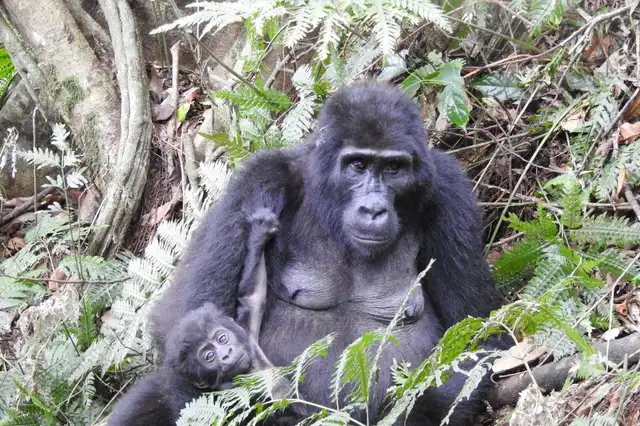
As Uganda’s majestic mountain gorillas continue to capture the hearts of wildlife lovers worldwide, the delicate balance between conservation efforts and local community needs often remains obscured. Gorilla habituation—the process of acclimatizing these magnificent creatures to human presence—has emerged as a popular and effective strategy to promote ecotourism and generate vital funding for conservation programs. However, beneath the surface of this seemingly harmonious relationship lies a complex web of hidden costs that can significantly impact both the gorillas and the communities that share their habitat.
Gorilla habituation is a fascinating yet complex process that plays a crucial role in wildlife conservation, particularly in Uganda, home to a significant population of the critically endangered mountain gorillas. This intricate practice involves gradually acclimatizing wild gorillas to human presence, allowing researchers, conservationists, and tourists to observe these magnificent creatures in their natural habitat without disrupting their daily activities. The habituation process is no small feat; it requires patience, expertise, and a deep understanding of gorilla behavior.
The cost of participating in gorilla habituation experiences in Uganda is $1,500 per person per day. This fee not only helps fund conservation efforts and local community development but also includes the invaluable opportunity to spend several hours with a family of habituated gorillas, often as part of a small group.
In Uganda, habituation typically takes several years, during which trained teams work diligently to minimize any potential stress on the gorillas. This is achieved by spending controlled amounts of time near them, observing their interactions, and ensuring that human activities are as non-intrusive as possible. The ultimate goal is to create a stable, reliable environment for both the gorillas and the visitors who come to admire them.
What is gorilla habituation in Uganda?
Gorilla habituation in Uganda is a fascinating and essential process aimed at preparing wild mountain gorillas for human interaction, allowing researchers and conservationists to study and protect these majestic creatures while offering a unique experience for visitors. This lengthy and intricate endeavor involves gradually introducing a small group of gorillas to human presence in a way that minimizes stress and encourages natural behaviors. Trained researchers spend hours daily observing the gorillas, gaining their trust through consistent, non-invasive contact over several years.
Where is gorilla habituation done in Uganda?
Gorilla habituation in Uganda is primarily conducted in the misty, biodiverse realms of the Bwindi Impenetrable National Park, a UNESCO World Heritage Site known for its rich array of wildlife and lush vegetation. This remarkable forest, located in the southwestern part of the country, is home to nearly half of the world's remaining mountain gorillas. The habituation process, a meticulous and patient effort that can take up to three years, involves gradually familiarizing wild gorilla groups to human presence. Volunteers, researchers, and experienced guides play an essential role in this endeavor, spending hours observing these magnificent creatures in their natural habitat without imposing stress upon them. This process not only enhances our understanding of their behaviors and social structures but also promotes conservation efforts by fostering the local community's stake in protecting these endangered giants.
What is the difference between gorilla habituation and gorilla trekking?
Gorilla habituation and gorilla trekking are two distinct yet captivating experiences that offer unique insights into the lives of these magnificent primates in their natural habitats. Gorilla trekking typically involves guided hikes into the dense forests of regions like Uganda and Rwanda, where visitors trek to observe wild gorillas in their natural environment for a limited period—usually an hour. This experience emphasizes respect for the gorillas’ space and behavior, allowing guests to witness their interactions with one another and their surroundings without disrupting their natural routines. In contrast, gorilla habituation is a longer and more immersive process, as it involves spending extended hours—sometimes whole days—interacting with gorilla families that are being gradually desensitized to human presence. This process is essential for scientific research and conservation efforts, as it helps gorillas adapt to human observers, ensuring that they remain comfortable and less stressed over time. Participants in habituation treks often have the rare opportunity to engage with the gorillas more closely, observing their behaviors, interactions, and even playful antics, all while contributing to important conservation projects.
What is the best time to book a Gorilla Habituation Experience?
Booking a Gorilla Habituation Experience is a thrilling opportunity to witness these magnificent creatures in their natural habitat, but timing can significantly enhance your adventure. The best time to book this unique experience is during the dry seasons, typically from June to September and December to February, when the trails are less muddy and the weather is more conducive for trekking. During this period, visibility is clearer, making it easier to observe the gorillas in the lush rainforests of destinations like Uganda or Rwanda. Additionally, planning your visit during the week rather than the weekend can help you avoid larger crowds, providing a more intimate experience with these incredible animals. It's wise to make your reservations well in advance, as space for habituation experiences is limited and often fills up quickly due to high demand.
Why book Gorilla habituation experience with Lamz Tours and Travel
Booking the Gorilla habituation experience with Lamz Tours and Travel offers a unique opportunity to witness the incredible process of habituating wild gorillas to human presence. Lamz Tours and Travel provides a professional and knowledgeable team of guides and trackers who are dedicated to ensuring a safe and unforgettable experience for all guests.
Ready to plan your safari?
Talk to a Lamz Tours specialist and get a tailor-made quote.
Make an enquiry