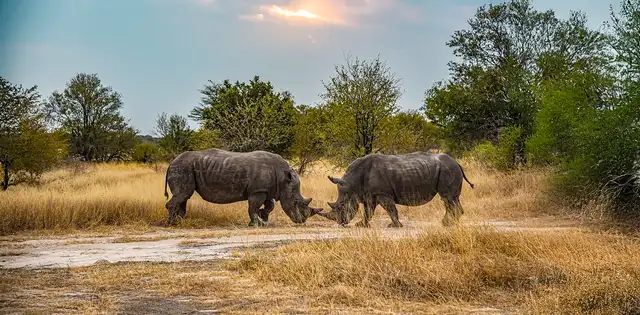
Discover Zimbabwe safari costs for budget and midrange travelers, including accommodation, transport, park fees, and practical budget planning tips.
A Zimbabwe safari offers excellent wildlife viewing, experienced guides, and access to some of Southern Africa’s most respected national parks. Whether you choose a budget or midrange option, Zimbabwe provides good value compared to many safari destinations. Budget safaris typically cost between $180 and $350 per person per day and often include simple lodges, shared transportation, meals, park fees, and guided game drives. Midrange safaris generally range from $350 to $700 per person per day, offering more comfortable accommodation, enhanced dining, and greater flexibility. The total cost of a Zimbabwe safari depends on factors such as travel season, accommodation standards, transportation, park entry fees, and optional activities. Understanding these expenses helps travelers plan confidently, compare safari packages effectively, and choose an experience that fits their interests and available budget.
What Is the Cost for Budget and Midrange Zimbabwe Safari
What Is the Cost for Budget and Midrange Zimbabwe Safari
1. Understanding the Cost of a Zimbabwe Safari
The cost of a Zimbabwe safari depends on where you travel, the accommodation you choose, the season, and whether you join a group tour or book a private trip. Zimbabwe is known for excellent wildlife viewing, experienced guides, and famous destinations such as Hwange National Park and Mana Pools National Park. A budget Zimbabwe safari usually costs between $180 and $350 per person per day, while midrange options often range from $350 to $700 per person per day. These rates generally include accommodation, meals, transport during the safari, guide services, and park fees. Travelers planning a safari should compare what different packages include because prices can vary considerably. Understanding the main cost factors helps visitors avoid surprises and choose a safari that fits their expectations and budget.
2. Accommodation Costs in Zimbabwe
Accommodation is one of the biggest factors affecting the cost of a Zimbabwe safari. Budget travelers often stay in guesthouses, campsites, or simple safari lodges that range from $40 to $120 per night. Midrange travelers typically prefer comfortable lodges and tented camps that offer private bathrooms, quality dining, and additional services, costing between $150 and $350 per night. A Zimbabwe safari that includes well-known wildlife areas often comes with slightly higher accommodation costs because of location and demand. Some properties include meals and activities, while others charge these separately. Comparing accommodation options carefully allows travelers to find a balance between comfort and affordability. Choosing the right lodge can improve the experience without adding unnecessary costs to the overall safari budget.
3. Transportation Expenses During a Safari
Transportation is an important part of any Zimbabwe safari budget. Most safaris use specially designed 4x4 vehicles for wildlife viewing and transfers between destinations. Budget safaris often lower costs by sharing vehicles among several travelers, while midrange tours may use smaller groups for added comfort. A Zimbabwe safari covering multiple parks may require longer road transfers, which can influence overall pricing. Some travelers choose domestic flights to reduce travel time, but this option increases costs. Transportation charges generally cover fuel, vehicle maintenance, guide services, and airport transfers when stated in the itinerary. Understanding transport expenses helps travelers compare packages more effectively and decide whether convenience or affordability is their top priority during the safari.
4. National Park Fees and Conservation Costs
Park entry fees form a significant part of a Zimbabwe safari budget. National parks and protected areas charge conservation fees that help fund wildlife protection, anti-poaching efforts, and park management. Popular destinations such as Hwange National Park, Mana Pools National Park, and Matusadona National Park all have fees that are often included in safari packages. A Zimbabwe safari visiting multiple parks will generally cost more because of combined entrance charges. Travelers should confirm whether park fees are included in quoted prices before making a booking. Although these fees add to the overall expense, they support the protection of wildlife and natural habitats. Understanding how conservation costs work helps visitors appreciate where part of their safari investment goes.
5. Food and Dining Costs
Meals are included in many safari packages, helping travelers plan their expenses more accurately during a Zimbabwe safari. Budget lodges usually provide simple but satisfying meals, while midrange accommodations offer a wider variety of dishes and dining options. Breakfast, lunch, and dinner are commonly part of the package price, although alcoholic beverages and premium drinks may be charged separately. A Zimbabwe safari becomes easier to budget when meal inclusions are clearly outlined before travel. Visitors with dietary requirements should inform their tour operator in advance to ensure suitable options are available. Since many lodges are located far from towns and restaurants, meal-inclusive packages provide convenience and help travelers avoid unexpected food-related expenses.
6. How Group Size Influences Safari Costs
Group size can make a noticeable difference in the total cost of a Zimbabwe safari. Travelers participating in group tours share transportation, guide services, and other operational expenses, making safaris more affordable. Budget packages often use this model to reduce daily rates. A Zimbabwe safari booked for a family or private group may have a higher total price, but the costs can become reasonable when divided among several travelers. Solo visitors often pay more because they cannot share expenses with others. Midrange safaris frequently limit group sizes to create a more personal experience while still helping guests save money through shared services. Understanding this pricing structure helps travelers choose the option that delivers the best value.
7. Seasonal Changes and Their Impact on Pricing
The time of year strongly affects the cost of a Zimbabwe safari. The dry season is particularly popular because wildlife tends to gather around water sources, making animals easier to spot. During these months, accommodation and safari rates are often higher due to increased demand. A Zimbabwe safari during the lower or shoulder seasons can offer reduced prices and fewer visitors in the parks. Travelers who have flexible travel dates can often secure better deals during these periods. Seasonal pricing affects accommodation, transportation, and activity costs. Learning how safari prices change throughout the year helps visitors choose travel dates that balance wildlife viewing opportunities with budget considerations.
8. Additional Expenses to Consider
When planning a Zimbabwe safari, it is important to account for expenses that may not be included in the package price. These can include international flights, visas, travel insurance, tips, laundry, souvenirs, and optional activities. A Zimbabwe safari may also offer extra experiences such as walking safaris, cultural visits, or boat cruises that increase overall costs. Travelers should carefully review package inclusions and exclusions before making a final decision. Keeping a separate budget for personal expenses and optional activities helps avoid financial pressure during the trip. With proper planning, travelers can enjoy their safari experience without worrying about unexpected charges affecting their travel budget.
9. Comparing Budget and Midrange Safari Packages
A budget Zimbabwe safari is designed for travelers who want quality wildlife viewing while keeping costs under control. These packages often include shared transportation, simple accommodations, and fixed travel schedules. Midrange options provide improved comfort, better accommodation, and greater flexibility while remaining reasonably priced. A Zimbabwe safari in the midrange category may include upgraded lodges, smaller travel groups, and enhanced dining experiences. Both categories still provide access to major national parks and knowledgeable guides. The main difference is usually the level of comfort and personal service. Comparing package details carefully helps travelers identify which option offers the best combination of value, convenience, and overall safari experience.
10. Choosing the Best Safari for Your Budget
Choosing the right Zimbabwe safari begins with understanding what matters most to you. Travelers focused on saving money may prefer budget packages that prioritize wildlife viewing and essential services. Those seeking greater comfort often find midrange safaris more suitable because they provide better accommodations and additional amenities. A Zimbabwe safari can be tailored to suit different travel preferences and spending limits when planned carefully. Comparing quotes from reputable tour operators, reviewing package inclusions, and considering seasonal pricing can help travelers make informed decisions. By understanding accommodation costs, transportation expenses, park fees, and optional activities, visitors can create a realistic budget and enjoy a rewarding safari experience without overspending.
Booking Zimbabwe safari with Lamz Tours and Travel
Booking a Zimbabwe safari with Lamz Tours and Travel gives you the flexibility to choose a safari that matches your budget, interests, and travel style while benefiting from expert planning and local knowledge. Whether you prefer a budget camping safari or a comfortable midrange lodge experience, Lamz Tours and Travel arranges accommodation, transportation, park entry fees, and professional guide services in top wildlife destinations such as Hwange National Park, Mana Pools National Park, Matobo National Park, and Victoria Falls. A Zimbabwe safari can be tailored for solo travelers, couples, families, or private groups, ensuring you get the right balance of wildlife viewing, comfort, and value. With personalized itineraries, transparent pricing, and dedicated support throughout the booking process, Lamz Tours and Travel helps make your Zimbabwe safari smooth, enjoyable, and well organized from arrival to departure.
Ready to plan your safari?
Talk to a Lamz Tours specialist and get a tailor-made quote.
Make an enquiry