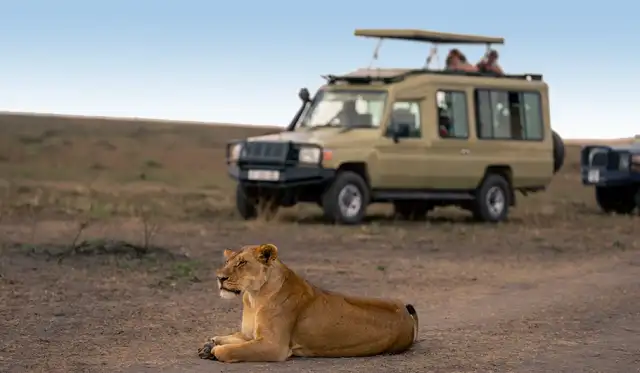
See the cost of a budget and midrange Tanzania safari, including accommodation, transport, park fees, meals, and tips for saving money.
Planning the cost of a Tanzania safari is one of the most important steps before booking your trip. Prices vary based on accommodation, transport, travel season, park fees, and whether you choose a private or group experience. A budget Tanzania safari typically costs between $200 and $350 per person per day and often includes shared transport, basic lodges or camps, meals, guide services, and park entry fees. Midrange safaris generally range from $350 to $600 per person per day, offering more comfortable accommodation, better dining, smaller groups, and added flexibility. Travelers should also budget for extras such as international flights, visas, tips, travel insurance, and optional activities. Understanding these costs helps you compare options, avoid unexpected expenses, and choose a safari that matches your comfort level and budget.
Our popular Tanzania safari packages
What Is the Cost for Budget and Midrange Tanzania Safari
1. Understanding Budget and Midrange Tanzania Safari Costs
The cost of a Tanzania safari depends on travel style, season, accommodation, and the number of people sharing expenses. A budget trip usually costs between $200 and $350 per person per day, while a midrange option often ranges from $350 to $600 per person per day. These prices generally include accommodation, transport, park fees, guide services, and meals. A Tanzania safari becomes more affordable when travelers join group tours because vehicle and guide costs are shared among several guests. Private safaris usually cost more because the vehicle and guide are reserved for one party. Understanding these price ranges helps travelers plan realistically and avoid unexpected expenses. Before booking, it is important to check exactly what is included so that extra charges do not affect the overall travel budget.
2. Accommodation Costs for Budget and Midrange Travelers
Accommodation is one of the largest expenses on a Tanzania safari. Budget travelers often stay in public campsites, simple safari camps, or basic lodges costing between $40 and $120 per night. Midrange travelers usually choose comfortable lodges and tented camps that offer private bathrooms, better dining, and more services, with rates ranging from $150 to $350 per night. The location of accommodation also affects pricing. Properties inside national parks generally cost more than those found outside park boundaries. A Tanzania safari in popular areas such as Serengeti and Ngorongoro often has higher accommodation costs because of demand and operational expenses. Comparing accommodation options carefully helps travelers find the right balance between comfort and affordability.
3. Transport Expenses During a Tanzania Safari
Transport plays a major role in determining the total cost of a Tanzania safari. Most safari packages use 4x4 vehicles with pop-up roofs for wildlife viewing. For budget travelers, transport costs are reduced by sharing vehicles with other guests. Midrange safaris may offer smaller groups and more flexibility, resulting in higher prices. Domestic flights between parks can increase expenses significantly, though they save travel time. A Tanzania safari that focuses on the Northern Circuit often relies on road transport, helping many travelers control costs. Fuel prices, vehicle maintenance, and guide salaries are all included in transport pricing. Understanding how transportation affects safari costs helps visitors select an option that matches both their budget and expectations.
4. National Park Fees and Conservation Charges
Park fees are a significant part of any Tanzania safari budget. Popular destinations such as Serengeti National Park and the Ngorongoro Conservation Area have entrance fees that contribute to wildlife protection and conservation work. These charges are usually included in safari packages offered by tour operators. Budget and midrange travelers pay the same park fees, but the difference appears in accommodation and service levels. A Tanzania safari covering several parks will naturally cost more because each destination has its own entry charges. Travelers should understand that park fees support conservation efforts, park management, and local employment opportunities. Although these costs increase overall safari expenses, they help maintain the wildlife areas people visit.
5. Food and Drinks in Budget and Midrange Safaris
Many packages include meals, making food planning easier during a Tanzania safari. Budget accommodations often provide simple but filling meals, while midrange properties may offer larger menus, buffet options, and higher-quality dining experiences. Breakfast, lunch, and dinner are typically included, but drinks such as alcohol, cocktails, and premium beverages are often charged separately. A Tanzania safari package should clearly state which meals are covered to prevent surprises. Travelers with dietary requirements should also ask operators about available options before booking. Since food costs are usually included in most safari packages, visitors can focus on enjoying their trip without worrying about daily restaurant expenses. This makes budgeting simpler and more predictable.
6. How Group Size Affects Safari Prices
Group size has a strong influence on the cost of a Tanzania safari. Travelers joining group safaris benefit from shared vehicle expenses, making the overall price lower. Budget packages are often designed around this model because it keeps costs manageable. Midrange travelers may prefer smaller groups, offering more personal attention and better flexibility during game drives. A Tanzania safari for a family or private group may appear expensive at first, but the cost per person often becomes reasonable when several people share expenses. Solo travelers generally pay more because they cannot spread costs across multiple travelers. Understanding this pricing structure helps visitors choose the option that offers the best value for their travel style.
7. Seasonal Differences in Safari Costs
The time of year greatly affects the price of a Tanzania safari. High season, which often attracts the largest number of visitors, usually comes with higher accommodation and safari rates. During lower-demand periods, many lodges and camps offer reduced prices that appeal to budget-conscious travelers. A Tanzania safari during the shoulder season can provide a good balance between cost and wildlife viewing opportunities. Midrange travelers can often find quality accommodations at lower rates during these periods. Booking during peak travel months may require reservations many months in advance, while less busy periods provide greater flexibility. Understanding seasonal pricing helps visitors secure better deals without sacrificing the quality of their safari experience.
8. Extra Costs Travelers Should Consider
While many packages cover major expenses, some additional costs may arise during a Tanzania safari. Travelers should budget for tips, travel insurance, visa fees, personal shopping, and optional activities. Balloon safaris, cultural visits, and extra excursions can increase overall spending. A Tanzania safari package may also exclude international flights, which can represent a large portion of total travel costs. Reviewing the package details carefully helps avoid misunderstandings later. Travelers should ask for a clear list of inclusions and exclusions before making payments. Setting aside extra funds for unexpected expenses provides peace of mind and helps ensure that the safari runs smoothly without financial stress during the trip.
9. Typical Budget Versus Midrange Safari Packages
A budget Tanzania safari often includes shared transport, simple accommodation, and scheduled itineraries with limited customization. Prices generally appeal to travelers who want wildlife viewing while keeping expenses under control. Midrange packages, on the other hand, offer more comfort, upgraded accommodations, and greater flexibility. A Tanzania safari in the midrange category may include better room amenities, smaller safari groups, and improved dining experiences. Both options still provide access to major wildlife destinations and professional guides. The main difference is the level of comfort and service throughout the trip. Understanding these distinctions helps travelers choose a safari package that matches their priorities, expectations, and available budget.
10. Choosing the Right Safari for Your Budget
Selecting the right Tanzania safari starts with understanding your priorities. Travelers focused on wildlife viewing and savings may find budget safaris suitable, while those seeking more comfort often prefer midrange options. Comparing several operators, reading reviews, and requesting detailed quotations can help identify the best value. A Tanzania safari does not have to be expensive to provide a rewarding experience. What matters most is choosing a package that balances cost, comfort, and the destinations you want to visit. By understanding accommodation, transportation, park fees, seasonal factors, and extra expenses, travelers can plan confidently and avoid unnecessary spending. Careful preparation helps ensure a safari that meets expectations while staying within budget.
Best time to go for a Tanzania safari experience
The best time for a Tanzania safari is during the dry season from June to October, when wildlife is easier to spot because animals gather around rivers, waterholes, and other reliable water sources. These months offer comfortable weather, clearer roads, and excellent game viewing in popular parks such as Serengeti, Ngorongoro, Tarangire, and Ruaha. For travelers interested in the Great Migration, different periods provide different highlights, including river crossings and large herds moving across the Serengeti ecosystem. The green season from November to May can also be rewarding, with fewer visitors, lower safari prices, beautiful landscapes, and excellent birdwatching opportunities. The ideal time for a Tanzania safari ultimately depends on your interests, budget, and the wildlife experiences you would like to see during your visit.
Ready to plan your safari?
Talk to a Lamz Tours specialist and get a tailor-made quote.
Make an enquiry