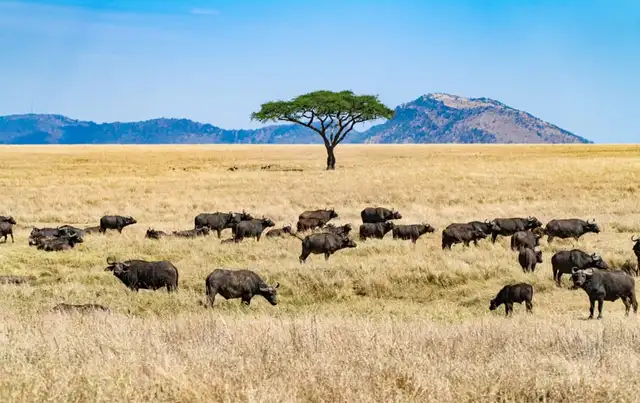
Best time for a safari in Tanzania is June–October for big game, July–September for migration, and November–March for birdlife and fewer crowds
Choosing the right time for a safari in Tanzania is one of the most important decisions travelers can make. Tanzania offers diverse wildlife experiences throughout the year, but each season brings unique advantages. From the dry months of June to October, when animals gather around water sources, to the dramatic Great Migration between July and September, timing directly influences what visitors will see. A safari in Tanzania during the green season from November to March offers vibrant landscapes, fewer crowds, and excellent birdwatching opportunities. By carefully selecting dates, travelers can align their safari in Tanzania with their personal interests, whether it’s photography, predator action, or quieter park experiences.
Beyond timing, travelers should also consider location and logistics when planning a safari in Tanzania. The Serengeti, Ngorongoro Crater, Tarangire, and Ruaha each provide different wildlife highlights, and combining parks can create a richer experience. Accommodation options range from budget camps to luxury lodges, allowing flexibility for different budgets. A safari in Tanzania is not only about wildlife but also about comfort, accessibility, and value. Consulting with experienced operators ensures that itineraries match expectations and seasonal realities. With thoughtful planning, travelers can enjoy a safari in Tanzania that is rewarding, authentic, and tailored to their needs
Top packages to safari in Tanzania
3-days-tanzania-safari-in-serengeti-national-park
3-days-tanzania-wildlife-safari
4-days-epic-tanzania-wildlife-and-culture-safari
5-day-kenya-and-tanzania-safari
5-days-circuit-wildlife-safari-in-tanzania
6-days-ndutu-migration-safari-calving-season
8-day-serengeti-ngorongoro-crater-and-zanzibar
8-days-wildlife-and-beach-holiday-tanzania
8-days-wildlife-safari-tanzania
9-days-zanzibar-and-wildlife-safari
10-days-uganda-and-tanzania-safari-gorillas-chimpanzees-and-wildlife
5-days-mount-kilimanjaro-marangu-route
6-days-mount-kilimanjaro-machame-route
7-day-climbing-kilimanjaro-via-the-machame-route
8-days-kilimanjaro-climbing-safari-lemosho-route-mount
9-days-kilimanjaro-climb-lemosho-route
12-days-mount-kilimanjaro-climb-and-tanzania-safari-tour
4-days-tanzania-birding-safari-to-lake-manyara-national-park
What is the best time for a safari in Tanzania
1. Dry Season Advantages
The best time for a safari in Tanzania is during the dry season, which runs from late June to October. During this period, animals gather around rivers and waterholes, making them easier to see. Roads are more accessible, and the weather is comfortable for long game drives. A safari in Tanzania during these months offers clear skies and less risk of rain disrupting your plans. Travelers benefit from predictable wildlife movements, which helps maximize sightings. This season is especially good for those who want to focus on big game such as lions, elephants, and giraffes. Planning ahead is important, as lodges and camps fill quickly due to high demand.
2. Great Migration Timing
One of the highlights of a safari in Tanzania is the Great Migration, which occurs mainly in the Serengeti. The best time to witness this is between July and September, when wildebeest cross the Mara River. A safari in Tanzania during this event provides dramatic wildlife action and a chance to see predators nearby. The migration is not only about crossings; it also includes vast herds moving across plains, creating a powerful sight. Travelers should book early to secure accommodations near key viewing areas. Guides often know the best spots to follow the herds, ensuring visitors get the most value from their trip.
3. Green Season Benefits
From November to March, Tanzania experiences short rains, creating a different safari in Tanzania experience. This period is called the green season, and it brings fresh vegetation and fewer crowds. A safari in Tanzania during this time is ideal for birdwatchers, as migratory species arrive in large numbers. Prices for lodges and camps are often lower, making it more budget-friendly. Wildlife is still visible, though animals may be more spread out due to abundant water. Photographers enjoy the vibrant landscapes and dramatic skies. Travelers who prefer quieter parks and more personal space often find this season rewarding.
4. Calving Season in Serengeti
January and February mark the calving season in the southern Serengeti, another unique safari in Tanzania opportunity. Thousands of wildebeest give birth, attracting predators such as lions and hyenas. A safari in Tanzania during this time allows visitors to witness natural cycles of life and survival. The open plains make it easier to spot newborns and hunting activity. This season is also excellent for photography, with dramatic scenes unfolding daily. Families traveling with children often find this period educational, as guides explain animal behavior in detail. While rains may occur, they are usually short and do not disrupt activities significantly.
5. Choosing Based on Priorities
The best time for a safari in Tanzania depends on what travelers want most. For big game and dry conditions, June to October is ideal. For migration drama, July to September is unmatched. For birdlife and fewer crowds, November to March works well. A safari in Tanzania can be tailored to personal interests, whether photography, wildlife action, or budget considerations. Travelers should also factor in park locations, as conditions vary between Serengeti, Ngorongoro, and Tarangire. Consulting with local operators helps match expectations with seasonal realities. By aligning priorities with timing, visitors ensure their safari in Tanzania delivers maximum value and satisfaction.
How to get there for a safari in Tanzania by travelers
Most travelers start their safari in Tanzania by flying into Kilimanjaro International Airport, located near Arusha, the hub for the northern safari circuit. This airport has connections from Europe, the Middle East, and other African cities, making it the most practical entry point. From Arusha, visitors can reach Serengeti, Ngorongoro, Lake Manyara, and Tarangire either by road or short domestic flights. A safari in Tanzania often begins with a transfer arranged by tour operators, ensuring smooth movement from the airport to lodges or camps. Road travel offers a chance to see rural landscapes, while flights save time for those with tighter schedules. Choosing between these options depends on budget, time, and personal preference.
For southern and western parks, travelers usually fly into Dar es Salaam or Zanzibar, then connect with domestic flights to Ruaha, Selous, or Katavi. These regions are less crowded but require more planning due to longer distances. A safari in Tanzania in these areas often involves charter flights, which provide direct access to remote airstrips near camps. Road travel is possible but can be time-consuming, so flights are recommended for comfort and efficiency. Tour companies typically handle logistics, including transfers and bookings, making the process easier for visitors. By selecting the right entry point and transport option, travelers ensure their safari in Tanzania starts smoothly and matches their expectations
Best safari destinations to visit for a safari in Tanzania
The best safari destinations in Tanzania combine wildlife variety, dramatic landscapes, and authentic experiences, making the country one of Africa’s top choices for travelers.A safari in Tanzania offers access to vast plains, volcanic craters, and remote reserves that together create unmatched diversity. The Serengeti is world-renowned for the Great Migration, while Ngorongoro Crater provides a concentrated wildlife viewing area with predators and grazing herds in one setting. Beyond these, Tarangire is known for elephants and baobab trees, and Ruaha delivers raw wilderness with fewer crowds. A safari in Tanzania across these regions ensures travelers see both famous highlights and hidden treasures, balancing accessibility with adventure.
Travelers who want variety can combine northern and southern circuits for a richer safari in Tanzania. The northern parks are easier to reach and offer classic game drives, while southern reserves like Selous and Ruaha provide more remote, less commercialized experiences. Western destinations such as Katavi and Mahale Mountains add chimpanzee trekking and untouched wilderness. A safari in Tanzania that blends these areas gives travelers a mix of big game, birdlife, and unique primates, ensuring every type of wildlife interest is covered.
Choosing the right safari in Tanzania depends on priorities such as wildlife focus, crowd levels, and travel logistics. Those seeking dramatic migration scenes may prefer Serengeti, while travelers wanting intimacy with nature might lean toward Ruaha or Katavi. Ngorongoro offers convenience with dense wildlife in a compact area, and Selous provides boat safaris along rivers. A safari in Tanzania across multiple parks allows travelers to balance iconic sights with quieter, more personal encounters, creating a well-rounded and rewarding experience
Top safari activities to experience during a safari in Tanzania
A safari in Tanzania offers a wide range of activities that go beyond traditional game drives, giving travelers more ways to connect with nature. Early morning drives are popular because animals are most active at sunrise, and the cooler temperatures make viewing comfortable. Evening drives provide a different perspective, with predators preparing for hunts and nocturnal species beginning to move. A safari in Tanzania also includes guided walks in certain parks, where travelers can learn about animal tracks, plants, and smaller creatures often missed from vehicles. These walks add depth to the experience, making it more interactive and educational. Combining drives and walks ensures travelers see wildlife from multiple angles and gain a fuller understanding of the environment.
Another highlight of a safari in Tanzania is the chance to watch the Great Migration in the Serengeti, where millions of wildebeest and zebras move across plains. This spectacle is not limited to river crossings; it also involves calving seasons and predator interactions. A safari in Tanzania during this event allows travelers to witness natural cycles of survival and movement on a massive scale. Beyond the migration, birdwatching is a rewarding activity, especially during the green season when migratory species arrive. With over 1,000 bird species recorded, Tanzania is a paradise for bird lovers. Observing these birds adds variety to the safari, ensuring travelers enjoy both large mammals and smaller, colorful wildlife.
Cultural visits are another valuable part of a safari in Tanzania, offering insight into the traditions of local communities. Travelers often spend time with Maasai or Hadzabe people, learning about their daily lives, crafts, and history. A safari in Tanzania that includes cultural experiences helps visitors understand the human side of conservation and the balance between wildlife and communities. These visits are respectful and guided, ensuring travelers gain authentic knowledge while supporting local livelihoods. Combining wildlife viewing with cultural interaction enriches the safari, making it more meaningful. It allows travelers to see Tanzania not only as a land of animals but also as a place where people and nature coexist.
Boat safaris are available in areas like Selous Game Reserve, where rivers and lakes provide a different perspective. A safari in Tanzania on water allows travelers to see hippos, crocodiles, and elephants coming to drink, while birdlife thrives along the banks. This activity contrasts with land drives, offering a calmer pace and unique photographic opportunities. A safari in Tanzania that includes boating adds variety and ensures travelers experience diverse ecosystems. The sound of water and the sight of animals interacting with it create memorable moments. For those who enjoy fishing, certain lodges also provide catch-and-release options, adding another layer of adventure. Water-based activities complement traditional drives and make the safari more complete.
Hot air balloon rides over the Serengeti are another special activity that elevates a safari in Tanzania. Floating above the plains at sunrise gives travelers a panoramic view of herds, predators, and landscapes stretching endlessly. A safari in Tanzania from the air provides a perspective that cannot be matched on the ground. The silence of the balloon combined with the vast scenery creates a peaceful yet powerful experience. After landing, many operators offer champagne breakfasts in the bush, adding a touch of celebration. While this activity comes at an extra cost, it is often considered worth it for the unique vantage point. Together with drives, walks, cultural visits, and boat trips, balloon rides complete the range of safari activities available in Tanzania
What is the cost for a safari in Tanzania
The cost of a safari in Tanzania varies widely depending on travel style, season, and level of comfort. On average, a 7-day safari in Tanzania ranges from about $1,750–$2,800 per person for budget camping or basic lodges, $2,800–$5,250 for mid-range tented camps or lodges, and $5,250–$10,000+ for luxury fly-in safaris with premium accommodations. Daily rates typically fall between $250–$400 for budget, $400–$750 for mid-range, and $750–$1,500 for luxury, covering park fees, guides, meals, and transport. International flights, tips, and extras like balloon rides or cultural visits add to the total. Planning early helps secure better deals, especially during peak migration months when demand is highest
Best tips for experiencing safari in Tanzania
When planning a safari in Tanzania, timing is one of the most important factors. The dry season from June to October is best for wildlife viewing, as animals gather around water sources and vegetation is thinner. A safari in Tanzania during this period ensures higher chances of spotting predators and large herds. However, the green season from November to March offers fewer crowds, lower prices, and excellent birdwatching. Travelers should decide based on their priorities whether it’s the Great Migration, predator action, or diverse birdlife. Booking early is essential, especially for Serengeti and Ngorongoro, which attract high demand. Aligning travel dates with specific wildlife events makes the safari in Tanzania more rewarding and tailored to personal interests.
Packing smartly is another key tip for a safari in Tanzania. Lightweight, neutral-colored clothing helps blend into the environment and keeps travelers comfortable in varying temperatures. A safari in Tanzania often involves early mornings and late evenings, so layering is practical. Sturdy shoes are necessary for walks, while hats, sunglasses, and sunscreen protect against the sun. Binoculars and cameras with extra batteries enhance the experience, allowing travelers to capture details and moments. Carrying insect repellent is important, especially in areas with mosquitoes. Travelers should also bring reusable water bottles to stay hydrated and reduce plastic waste. Preparing a small medical kit with essentials ensures peace of mind. Proper packing makes the safari in Tanzania smoother and more enjoyable.
Respecting wildlife and local communities is vital during a safari in Tanzania. Travelers should follow park rules, keep safe distances from animals, and avoid loud noises that disturb natural behavior. A safari in Tanzania is not only about viewing animals but also supporting conservation and local livelihoods. Choosing responsible operators ensures that tourism benefits communities and protects habitats. Travelers should also consider cultural visits to learn from Maasai or Hadzabe people, adding depth to the experience. Tipping guides and staff fairly shows appreciation for their expertise and service. By being mindful and respectful, visitors contribute positively while enjoying their safari in Tanzania. This approach creates a meaningful balance between adventure, education, and sustainability
Best accommodation options to stay during safari in Tanzania
Accommodation during a safari in Tanzania ranges from budget-friendly campsites to luxury lodges, giving travelers flexibility based on comfort and cost. Many visitors choose tented camps in Serengeti or Ngorongoro, which provide close access to wildlife while maintaining essential amenities. Mid-range lodges offer solid facilities, private bathrooms, and good dining, making them suitable for families or groups. For those seeking high-end stays, luxury lodges and mobile camps deliver spacious tents, fine dining, and personalized service in prime locations. A safari in Tanzania can also include eco-lodges that focus on sustainability, blending comfort with conservation. Choosing the right option depends on priorities whether it’s affordability, proximity to wildlife, or exclusive experiences ensuring every safari in Tanzania feels well-matched to traveler needs
Booking a safari in Tanzania with Lamz Tours and Travel
Booking a safari in Tanzania with Lamz Tours and Travel is designed to be straightforward and personalized, ensuring travelers get the most value from their trip. The process usually begins with choosing preferred travel dates and identifying key interests whether it’s witnessing the Great Migration in Serengeti, exploring Ngorongoro Crater, or combining wildlife with Zanzibar beaches. Lamz Tours and Travel provides tailored itineraries that match these priorities, balancing budget, comfort, and desired experiences. Once the plan is set, the team handles logistics such as park fees, domestic flights, transfers, and accommodation, making the safari in Tanzania smooth from start to finish. Travelers benefit from expert guides, well-selected lodges or camps, and clear communication throughout. By booking with Lamz Tours and Travel, visitors secure a safari in Tanzania that is authentic, well-organized, and aligned with their expectations
Ready to plan your safari?
Talk to a Lamz Tours specialist and get a tailor-made quote.
Make an enquiry