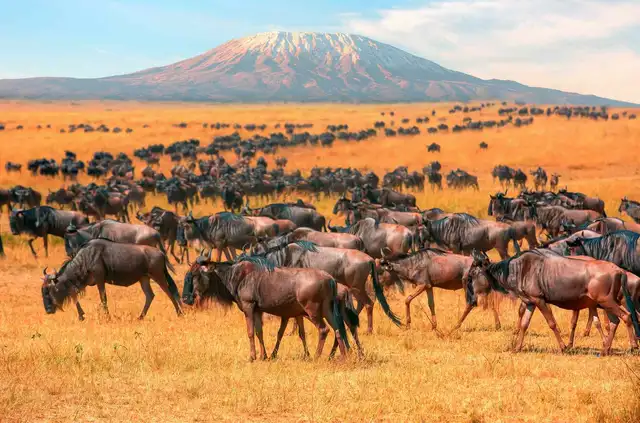
Plan your Masai Mara safari at best and peak season June–Oct for dry weather and wildebeest crossings. Key tips and costs explained
Best Kenya safari packages
The best and peak season for Masai Mara safari in Kenya
The answer is dry season from June to October.
For a Masai Mara safari, the peak season runs from July through October. This period offers the driest weather, which means less mud and easier wildlife viewing. Animals gather around remaining water sources, so you do not search long to see them. The Masai Mara safari reaches its busiest time in August and September, when the famous river crossings happen. If you want reliable sightings and firm roads, plan your trip in these months. Expect higher prices and more vehicles at sightings, but the reward is consistent, high-quality wildlife action without rain interruptions.
Why July to October is best for the wildebeest migration.
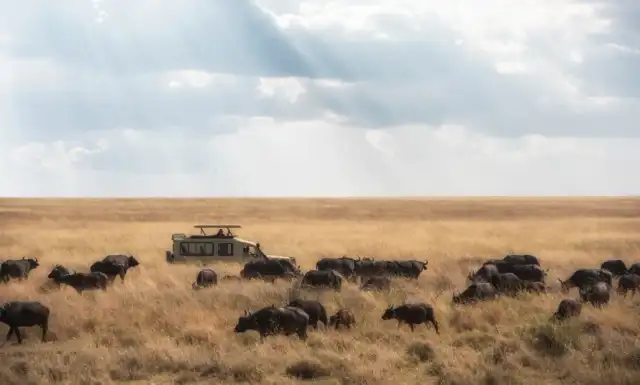
The Great Migration’s river crossings define a peak Masai Mara safari. From July, wildebeest and zebra herds cross the Mara River from Tanzania’s Serengeti. This event continues through October. A Masai Mara safari during these months gives you a chance to see thousands of animals crossing, with crocodiles waiting. Morning and late afternoon are the best times to watch. The dry season forces herds to move, so you do not waste days waiting. Be prepared for crowds at crossing points, but the action makes up for it. Book early because lodges fill fast.
Weather conditions during peak season are very predictable.
The peak Masai Mara safari months have almost no rainfall. Day temperatures stay around 25°C (77°F), and nights drop to 15°C (59°F). You need warm clothes for early morning drives. A Masai Mara safari in this season means dusty roads and clear skies. The lack of rain keeps grass short, so animals are easier to spot. However, dust can bother cameras and breathing. Bring a dust mask and lens covers. The sun is strong, so wear a hat and sunscreen. Rain gear is not necessary, but a light jacket helps for chilly mornings.
Should you consider the low season instead?
Low season (March to May) has heavy rains, making a Masai Mara safari difficult. Many roads become muddy and impassable. Some lodges close or offer low rates. A Masai Mara safari in April may still show wildlife, but you risk getting stuck. If you have limited budget and flexible dates, the low season saves money. However, peak season from June to October guarantees better access. For first-time visitors, the peak Masai Mara safari is worth the extra cost. You avoid frustration from rain delays and missed animal sightings. Plan carefully based on your patience for wet conditions.
Peak season means high demand and higher prices.
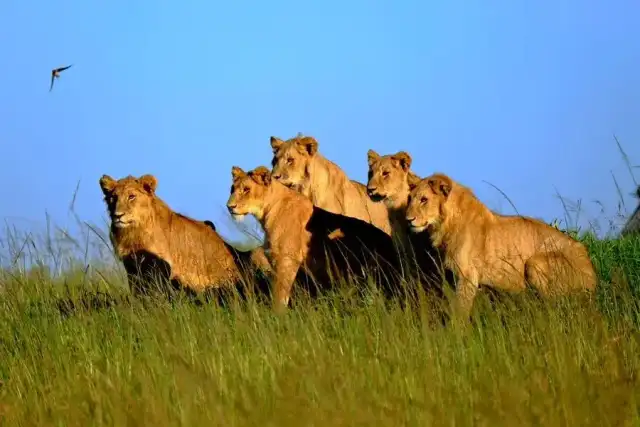
During peak Masai Mara safari months, park fees and accommodation rates rise by 30–50%. A Masai Mara safari in July to October requires booking four to six months ahead. Many camps sell out for August and September by March. If you book late, you may only find budget options outside the reserve. Peak season also means more vehicles at lion sightings or river crossings. To reduce crowds, choose a conservancy bordering the main reserve. These areas cost more but offer private drives. Budget travelers should visit in June (start of peak) or October (end of peak) for slightly lower prices.
Wildlife variety is highest during the peak season.
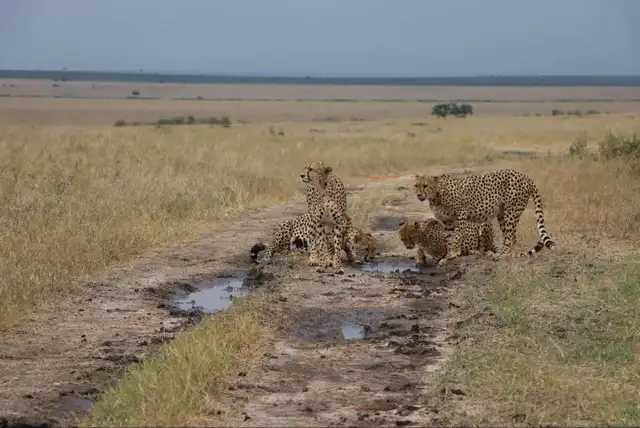
A Masai Mara safari in peak months shows more than just migration herds. Predators like lions, cheetahs, and leopards are active because prey is concentrated. A Masai Mara safari in September gives you excellent chances for big cat kills near rivers. Elephants and giraffes stay visible as vegetation thins. Bird watching is also good, though migratory birds peak in November. The main benefit is predictability: you see the big five (lion, leopard, elephant, buffalo, rhino) within a few days. Avoid rainy months if you want consistent sightings. Peak season delivers on the promise of full wildlife viewing.
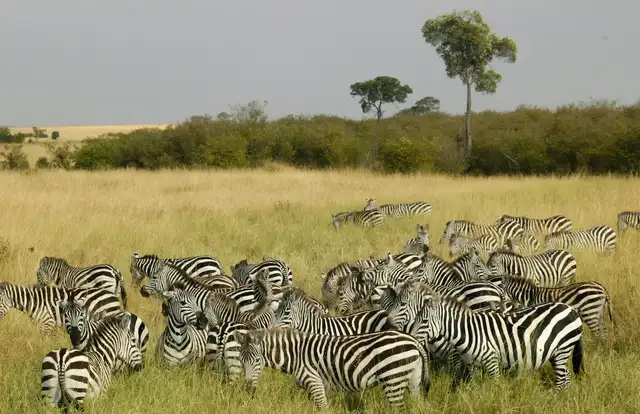
The best time for a Masai Mara safari in Kenya depends on what travelers want to see and experience. The park is open year-round, but wildlife movements vary with the seasons. The dry months from late June to October are considered the peak season because animals gather around water sources, making sightings easier. During this period, the Great Migration takes place, drawing thousands of visitors. A Masai Mara safari in these months offers high chances of spotting large herds of wildebeest, zebras, and predators following them. The weather is generally sunny, with minimal rainfall, which makes game drives more comfortable and roads more accessible.
From late June to early August, the migration begins as wildebeest cross into Kenya from Tanzania. This is one of the highlights of a Masai Mara safari, as travelers witness dramatic river crossings at the Mara River. Crocodiles and other predators wait at these points, creating intense wildlife action. A Masai Mara safari during this time is especially popular, so accommodations and camps often book out months in advance. Visitors should plan early to secure preferred lodges or tented camps. The atmosphere in the reserve is lively, with many travelers arriving to see this natural spectacle.
September and October are also excellent months for a Masai Mara safari. By this time, the herds are fully spread across the reserve, offering daily sightings of wildebeest, zebras, and gazelles. Predators such as lions, cheetahs, and hyenas are very active, taking advantage of the abundance of prey. A Masai Mara safari in these months provides consistent game viewing opportunities, with less uncertainty compared to earlier migration stages. The weather remains dry, making it easy to explore different areas of the park. Photographers particularly enjoy this season because of clear skies and dramatic wildlife scenes.
Outside the migration, January to March is another good period for a Masai Mara safari. These months are part of the short dry season, and wildlife is still concentrated around water sources. A Masai Mara safari during this time is quieter, with fewer tourists compared to the migration season. This allows for a more relaxed experience, with less crowded lodges and game drives. Birdwatching is also rewarding, as migratory species are present. Travelers who prefer calmer conditions and steady wildlife viewing often choose this period.
April and May mark the long rainy season, which is generally considered the low season for a Masai Mara safari. Heavy rains make roads muddy and some camps close temporarily. However, a Masai Mara safari at this time has its advantages. The park is green and full of fresh vegetation, offering a different perspective of the landscape. Prices for accommodation are lower, and fewer visitors mean more privacy. Wildlife is still present, though sightings may be harder due to thick vegetation. This season suits travelers who value solitude and budget-friendly options.
November and December bring the short rains, but they are lighter compared to April and May. A Masai Mara safari during these months can still be rewarding, with good wildlife activity and fewer crowds. The rains usually fall in short bursts, leaving plenty of time for game drives. A Masai Mara safari in this period is also attractive for bird lovers, as many species are nesting. The scenery is vibrant, with green plains and dramatic skies. Families and travelers seeking a balance between cost and wildlife viewing often choose this season.
In summary, the peak season for a Masai Mara safari is from late June to October, when the Great Migration takes place. This is the most popular time, with high wildlife activity and favorable weather. A Masai Mara safari outside these months still offers strong value, especially for those who prefer fewer crowds or lower costs. Each season has its own advantages, whether it is dramatic migration scenes, calm dry months, or lush green landscapes. Travelers should decide based on their priorities, whether it is witnessing the migration, enjoying quiet game drives, or saving on expenses
Practical tips for planning your peak season trip.
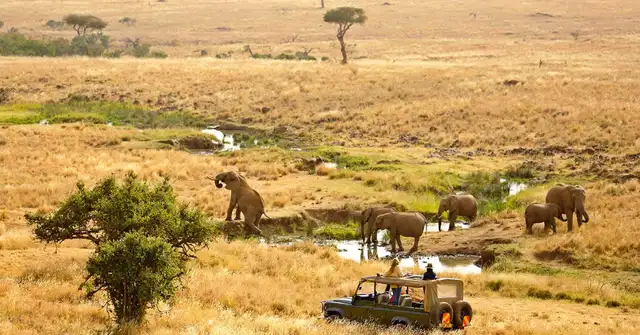
For a smooth Masai Mara safari, book flights to Nairobi and then a small plane to the Mara. Road travel from Nairobi takes five to six hours on bumpy roads. A Masai Mara safari during peak season demands early morning drives starting at 6:30 AM. Carry cash for park fees (about $80 per person per day) paid at the gate. Bring binoculars, power banks, and insect repellent. Wear neutral-colored clothes, not bright white or red. Peak season mornings are cold, so layer up. By midday, you can remove jackets. Stay inside the reserve or in a conservancy for best access. Do not expect Wi-Fi or phone signal in most camps. Enjoy the raw experience without distractions
Best activities to do on Masai Mara safari in peak season
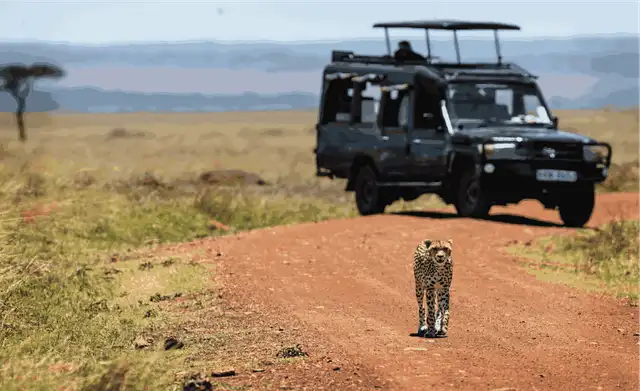
During the peak season, a Masai Mara safari offers travelers a wide range of activities that go beyond simple game drives. The Great Migration dominates the reserve, and watching thousands of wildebeest and zebras cross the Mara River is a highlight. A Masai Mara safari at this time also allows visitors to spend long hours tracking predators such as lions and cheetahs, which are highly active due to the abundance of prey. Early morning and late afternoon drives are particularly rewarding, as animals are more visible and the light is perfect for photography. The reserve’s open plains make it easy to follow wildlife movements, ensuring that every drive feels productive and engaging.
Another valuable activity during peak season is hot air ballooning, which provides a bird’s-eye view of the migration herds spread across the plains. A Masai Mara safari with this experience offers a unique perspective, as travelers can see the scale of wildlife movements in a way that ground drives cannot match. The balloon ride usually ends with a bush breakfast, adding a special touch to the adventure. Game drives remain central, but combining them with aerial views enhances the overall safari. The dry weather ensures clear skies, making balloon flights safe and visually rewarding.
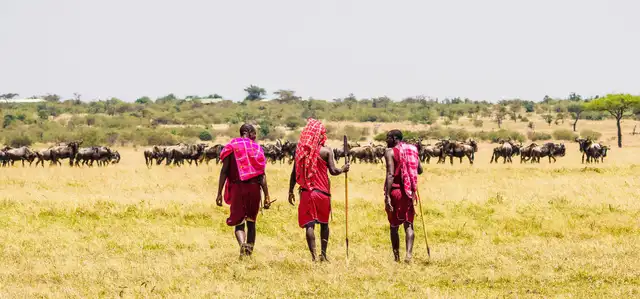
Cultural visits to nearby Maasai villages are also popular during peak season, adding depth to a Masai Mara safari. These visits allow travelers to learn about traditional lifestyles, crafts, and ceremonies, offering a human connection alongside wildlife viewing. A Masai Mara safari that includes cultural interaction helps visitors understand the balance between conservation and community life. Many lodges and camps organize respectful visits, ensuring that travelers gain insight without disrupting local routines. This blend of wildlife and culture makes the safari more meaningful, especially for those interested in both nature and people.
Photography is another major activity during peak season, as the reserve offers dramatic scenes of wildlife action. A Masai Mara safari at this time is ideal for capturing predator-prey interactions, river crossings, and large herds grazing on the plains. The dry season provides clear visibility, and the golden light of dawn and dusk enhances images. Many travelers join specialized photographic safaris led by guides who understand positioning and timing. A Masai Mara safari focused on photography ensures that visitors return with memorable images, whether they are professionals or casual hobbyists. The abundance of wildlife guarantees daily opportunities for strong shots.
Finally, bush dining and sundowners add a relaxing element to the peak season experience. A Masai Mara safari often includes meals set up in the wilderness, allowing travelers to enjoy food while surrounded by nature. Evening sundowners are especially popular, with drinks served as the sun sets over the plains. A Masai Mara safari that combines wildlife viewing with these leisure activities creates a balanced experience, mixing adventure with comfort. Camps and lodges take advantage of the dry weather to organize outdoor dining safely. This combination of wildlife, culture, photography, and relaxation makes the peak season highly rewarding
What to pack for Masai Mara safari in the peak season
For a Masai Mara safari in the peak season, packing smart ensures comfort and readiness for changing conditions. Lightweight, neutral-colored clothing is best for blending into the environment and staying cool during daytime drives. A warm jacket or fleece is essential for chilly mornings and evenings. Comfortable walking shoes or boots are useful for bush walks, while sandals can be worn around camp. A wide-brim hat, sunglasses, and sunscreen protect against strong sun. Binoculars and a good camera are must-haves for wildlife viewing and photography. Insect repellent helps with mosquitoes, especially near water sources. A reusable water bottle keeps you hydrated, and small personal items like wet wipes, a power bank, and travel documents should be kept handy during your Masai Mara safari
Best lodges and camps to stay in for Masai Mara safari
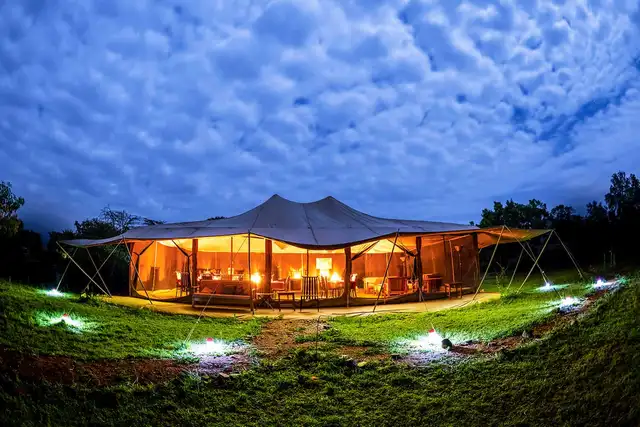
Masai Mara safari in peak season, some of the best lodges and camps to consider include Angama Mara, which offers sweeping views over the plains and exceptional service, and Cottar’s 1920s Camp, known for its private guiding and classic safari style. Sanctuary Olonana provides a riverside setting with eco-friendly luxury, while Governors’ Il Moran Camp is intimate and close to prime migration areas. Mid-range choices like Kichwa Tembo Tented Camp and Mara Intrepids Camp balance comfort with affordability, while Porini Lion Camp and Rekero Camp deliver authentic tented stays in conservancies with fewer crowds. Each of these options ensures travelers enjoy prime access to wildlife action, making a Masai Mara safari in peak season both rewarding and memorable
Booking Masai Mara safari with Lamz Tours and Travel
Booking a Masai Mara safari with Lamz Tours and Travel ensures travelers get a well-structured, value-driven experience tailored to their needs. As specialists in East African safaris, Lamz Tours and Travel designs itineraries that maximize wildlife viewing during the peak season, especially the Great Migration. A Masai Mara safari booked through them includes carefully selected lodges or camps, professional guides with deep local knowledge, and seamless logistics from arrival to departure. We also provide practical advice on what to pack, the best times for game drives, and optional activities like hot air balloon rides or cultural visits. By handling details such as transport, park fees, and accommodation, Lamz Tours and Travel allows travelers to focus fully on enjoying the richness of the Masai Mara during its most rewarding season.
Ready to plan your safari?
Talk to a Lamz Tours specialist and get a tailor-made quote.
Make an enquiry