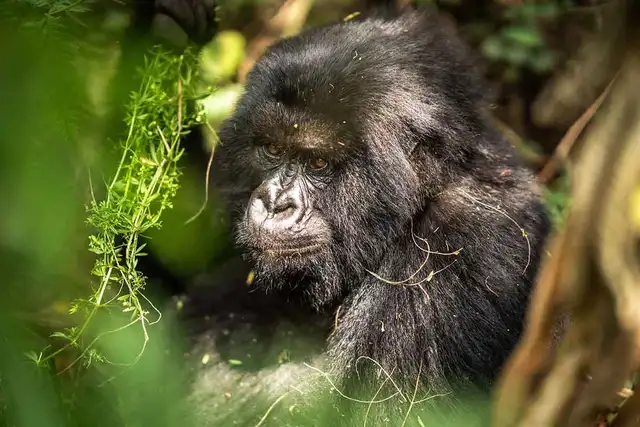
Trekking expectations during a Rwanda gorilla trip include physical challenges, altitude, strict rules, weather shifts, safety, and meaningful wildlife experiences.
Travellers planning a Rwanda gorilla trip can expect one of the most unique wildlife experiences in Africa. Trekking through Volcanoes National Park brings travelers face-to-face with mountain gorillas in their natural habitat, an opportunity that is both rare and carefully managed for conservation. The trek itself is part of the adventure, with trails winding through steep rainforest terrain, muddy paths, and altitudes that challenge even fit individuals. Preparation is key, from physical fitness to packing waterproof boots, rain gear, and layered clothing. A Rwanda gorilla trip is not just about reaching the gorillas but about embracing the unpredictable conditions of the forest, where patience, stamina, and respect for nature are essential.
Beyond the trek, a Rwanda gorilla trip offers cultural and emotional depth. Visitors spend exactly one hour with their assigned gorilla family, observing behaviors such as feeding, playing, or resting, all while following strict conservation rules. Small group sizes ensure intimacy, while guides and porters provide support and safety throughout the trek. The experience often leaves couples and travelers deeply moved, as the effort to reach the gorillas highlights the importance of protecting them. With its balance of physical challenge, cultural value, and conservation impact, a Rwanda gorilla trip is both rewarding and meaningful
Best Rwanda Gorilla Trip packages
2 day Gorilla trekking safari in Rwanda
2 Days Nyungwe Chimpanzee and Canopy Walk Safari in Rwanda
3 Days Gorilla and Golden Monkey Trekking Rwanda Tour
3 Days Safari to Rwanda and Uganda Gorilla Trekking
4 Days Luxury Gorilla Tracking Rwanda Tour
4 Days Primate Safari to Rwanda with Gorillas and Chimps
5 Days in Rwanda with Gorillas and Akagera Big Five Safari
8 Days Rwanda Cultural and Primate Experience
3Days Rwanda Safari Holiday with Gorilla Trekking
12 Days Rwanda Safari in Volcanoes, Nyungwe and Akagera National Park
The Trekking Expectations During Rwanda Gorilla Trip
The Trek is Unpredictable and Physically Demanding
During a Rwanda gorilla trip, couples and travelers should be prepared for treks that vary greatly in length and difficulty. The rainforest terrain in Volcanoes National Park is steep, muddy, and covered with thick vegetation, meaning there are no paved paths to make walking easier. Treks can last anywhere from half an hour to more than six hours one way, depending on where the gorilla family is located. Altitudes range between 2,500m and 3,000m, which adds to the physical challenge. Fitness plays a big role in how comfortable the trek feels, so preparing with light exercise beforehand is wise. A Rwanda gorilla trip requires patience, stamina, and readiness for unpredictable conditions, making physical preparation an important part of the experience.
You Will Get Dirty (Very Dirty)
A Rwanda gorilla trip involves trekking through wet, muddy terrain where slipping, sliding, and using your hands for balance is common. The rainforest environment means damp foliage and uneven ground, so waterproof hiking boots with strong grip and gaiters are essential. Expect to get dirty, as mud often reaches above the ankles, and clothing will likely be stained by the end of the trek. Packing a full change of clothes for after the hike is highly recommended to ensure comfort once back at your lodge. Couples should not underestimate how messy the trek can be, but this is part of the adventure. A Rwanda gorilla trip is about embracing the natural environment, and being prepared for mud ensures the focus stays on the gorillas rather than discomfort.
The Hour With the Gorillas is Strict and Sacred
On a Rwanda gorilla trip, the highlight is the one hour spent with the gorilla family, but this time is strictly regulated. Conservation rules limit human presence to exactly sixty minutes to reduce stress on the animals. Guides enforce a seven-meter distance, though curious youngsters may approach closer. This hour passes quickly, so couples should remain attentive and enjoy observing behaviors such as feeding, playing, or resting. The rules are firm, and respecting them ensures the gorillas remain safe and undisturbed. A Rwanda gorilla trip is not about unlimited access but about a carefully managed experience that balances human interest with conservation. Understanding the importance of this time helps travelers appreciate the privilege of being allowed into the gorillas’ natural environment.
Altitude and Exertion are Real Factors
A Rwanda gorilla trip takes place at high altitudes, often between 2,500m and 3,000m, which can make hiking more demanding. Even fit individuals may feel shortness of breath or fatigue due to thinner air combined with steep climbs. It is important to pace yourself, drink water regularly, and listen to your guide’s instructions. Spending a day in Rwanda before trekking helps the body adjust to altitude, reducing discomfort. Couples should be aware that exertion is part of the experience, and pushing too hard can lead to exhaustion. A Rwanda gorilla trip is best approached with patience and preparation, ensuring the trek feels manageable and enjoyable. Recognizing altitude as a factor allows travelers to prepare mentally and physically for the challenge.
Porters are a Game Changer and a Worthy Investment
Hiring a porter during a Rwanda gorilla trip is highly recommended, as they provide both physical and practical support. For a small fee, porters carry daypacks, assist on slippery slopes, and offer a steady hand when terrain becomes difficult. This service not only makes the trek easier but also supports the local community by providing employment. Couples often find that porters enhance the experience by reducing stress and allowing them to focus on the gorillas rather than the struggle of carrying gear. A Rwanda gorilla trip is demanding, and porters make it more accessible for travelers of varying fitness levels. Investing in their help ensures safety, comfort, and a smoother trek, while contributing directly to the livelihoods of local families.
Weather is Uncontrollable and Can Change Instantly
During a Rwanda gorilla trip, weather conditions can shift rapidly, making preparation essential. Mornings may start cool and misty, afternoons can turn hot, and sudden rain showers are common. Dressing in synthetic, quick-dry layers is important, as cotton becomes heavy and uncomfortable when wet. A waterproof jacket or poncho is necessary, along with protection for cameras and phones. Couples should expect to adapt to changing conditions and pack accordingly. The unpredictability of weather is part of trekking in a rainforest, and being prepared ensures comfort throughout the day. A Rwanda gorilla trip is not about waiting for perfect weather but about embracing the experience with the right gear, allowing the focus to remain on the gorillas rather than discomfort.
The Encounter is Wild and On the Gorillas' Terms
A Rwanda gorilla trip places visitors directly in the gorillas’ natural habitat, meaning the experience unfolds according to their behavior. Gorillas may be feeding, resting, or moving, and travelers must respect these rhythms. Guides instruct visitors to keep voices low, crouch when necessary, and move back if required. This ensures safety and minimizes disturbance. Couples should understand that this is not a controlled environment but a chance to observe natural interactions such as silverbacks displaying authority, juveniles playing, or mothers nursing. A Rwanda gorilla trip is about witnessing life in the forest without interference, and following guide instructions is crucial. Accepting that the gorillas set the pace makes the experience authentic and respectful, ensuring conservation remains the priority.
Group Size is Small and Assignments Vary
During a Rwanda gorilla trip, only eight visitors are allowed per gorilla family each day, keeping the experience intimate and manageable. Groups are assigned based on fitness levels and trekking difficulty, with easier treks given to families closer to the park edge and harder treks to those deeper in the forest. Couples should be honest about their abilities during the briefing to ensure they are placed in a suitable group. This system ensures safety and maximizes enjoyment. A Rwanda gorilla trip benefits from small group sizes, as it reduces noise and crowding, allowing for a more focused experience. Understanding how assignments work helps travelers prepare mentally and physically for the trek they are given.
Safety Protocols are Absolute
Safety is a top priority during a Rwanda gorilla trip, and strict rules are enforced to protect both visitors and gorillas. Anyone showing signs of illness, even a mild cold, is not permitted to trek, as gorillas are highly susceptible to human diseases. Masks are provided and must be worn during the viewing hour to reduce risk. Armed rangers accompany groups, not because gorillas are dangerous, but to protect against forest animals such as buffalo or elephants. Couples must follow instructions immediately to ensure safety. A Rwanda gorilla trip is carefully managed to balance conservation and visitor protection, and respecting these protocols is non-negotiable. These measures safeguard the gorillas while ensuring travelers enjoy the experience responsibly.
The Emotional Impact is Profound
A Rwanda gorilla trip is not only physically demanding but also emotionally powerful. After hours of trekking, the moment of seeing gorillas in their natural environment often leaves travelers deeply moved. The effort, anticipation, and presence of these animals create a sense of humility and gratitude. Couples often describe the experience as life-changing, as it connects them to nature in a way few other activities can. The emotional impact comes from the raw, gentle power of the gorillas and the realization of their vulnerability. A Rwanda gorilla trip is more than just a trek; it is an opportunity to reflect on conservation, human responsibility, and the beauty of wildlife. Being prepared for this emotional intensity ensures travelers appreciate the experience fully
How to book a Rwanda gorilla trip
Booking a Rwanda gorilla trip starts with securing a trekking permit, which is the most important step. Permits are issued by the Rwanda Development Board (RDB) and cost $1,500 per person, with only a limited number available daily to protect the gorillas. Couples should book well in advance, ideally several months before their travel dates, as demand is high year-round. Permits can be arranged directly through the RDB or via licensed tour operators who also handle logistics such as transport, accommodation, and porter services. A Rwanda gorilla trip requires careful planning, and securing the permit early ensures peace of mind and guarantees access to this once-in-a-lifetime wildlife experience.
The next step in booking a Rwanda gorilla trip is organizing travel and accommodation. Most visitors fly into Kigali International Airport, and from there, Volcanoes National Park is about a two-hour drive. Couples can choose lodges ranging from luxury options to mid-range stays near the park headquarters, depending on budget and preference. Tour operators often package permits with transfers, guides, and lodging, making the process smoother. It is also wise to plan at least one extra day in Rwanda before trekking to acclimatize to altitude. Booking through a trusted operator ensures that every detail of the Rwanda gorilla trip is managed, allowing couples to focus on the experience itself
How to prepare for Rwanda gorilla trip
Preparation for a Rwanda gorilla trip begins with physical readiness. The treks can last anywhere from 30 minutes to over six hours, often at altitudes between 2,500m and 3,000m. Couples should build stamina through regular walking, light hiking, or cardio exercises before traveling. Proper footwear is critical waterproof hiking boots with strong grip and gaiters help manage muddy, slippery terrain. Packing synthetic, quick-dry clothing ensures comfort in unpredictable weather, while a rain jacket and poncho protect against sudden showers. A Rwanda gorilla trip demands resilience, so preparing physically and equipping yourself with the right gear makes the trek manageable and enjoyable, allowing couples to focus on the gorillas rather than fatigue or discomfort.
Packing smartly is another key step for a Rwanda gorilla trip. Essential items include gloves for gripping vegetation, insect repellent, sunscreen, and a wide-brimmed hat. A waterproof backpack with a camera cover protects valuables, while reusable water bottles keep hydration easy during long treks. Couples should carry snacks for energy, though meals are often provided by lodges. A change of clothes is useful after muddy hikes, and respectful attire is needed when visiting villages nearby. Hiring a porter is highly recommended, as they carry bags and assist on steep slopes. A Rwanda gorilla trip becomes smoother when couples pack thoughtfully, ensuring comfort and readiness for both trekking and cultural activities.
Mental and logistical preparation also matters for a Rwanda gorilla trip. Couples should acclimatize in Rwanda for at least a day before trekking to adjust to altitude. Booking permits early is essential, as only a limited number are issued daily. Listening carefully to guides and following safety rules ensures both visitor and gorilla protection. Couples should be prepared for the strict one-hour viewing limit, understanding it is vital for conservation. Respecting the gorillas’ space and keeping voices low enhances the experience. A Rwanda gorilla trip is not just about physical effort but also about mindset patience, respect, and flexibility make the trek rewarding. Preparing mentally and logistically ensures couples enjoy the trip responsibly and meaningfully
Best time to go for Rwanda gorilla trip
Excellent months to plan a Rwanda gorilla trip are June to September, which fall within the long dry season. During this period, trekking conditions are more comfortable as trails are less muddy, visibility in the forest is clearer, and gorilla families are easier to track. Couples benefit from stable weather, making the experience smoother and more enjoyable. This season also coincides with peak safari months in East Africa, allowing travelers to combine gorilla trekking with wildlife viewing in nearby parks. A Rwanda gorilla trip during these months offers reliability, with fewer disruptions from rain and a higher chance of memorable sightings in Volcanoes National Park.
Another favorable time for a Rwanda gorilla trip is from December to February, the short dry season. These months bring warm, pleasant weather with minimal rainfall, making treks manageable and rewarding. Trails are still firm enough for comfortable hiking, and gorilla families remain active in accessible areas. Couples who prefer fewer crowds may find this season appealing compared to the busier mid-year period. Planning a Rwanda gorilla trip in either dry season ensures the best balance of weather, accessibility, and overall experience. Avoiding April and May, the heavy rainy months, is wise as trails become slippery and trekking more challenging
How to get there to Rwanda gorilla trip by travellers
Travelers planning a Rwanda gorilla trip usually begin by flying into Kigali International Airport, the country’s main entry point. Kigali is well connected to major African hubs such as Nairobi, Addis Ababa, and Johannesburg, as well as select international destinations. From the airport, most visitors spend a night in Kigali before heading to Volcanoes National Park, where the gorilla trekking takes place. The park is located about two hours by road from Kigali, and transfers can be arranged through tour operators, private drivers, or lodge services. This makes access relatively straightforward compared to other gorilla destinations, allowing couples and groups to reach the trekking base without long travel times.
Another way to reach a Rwanda gorilla trip is by combining it with a safari in neighboring countries. Many travelers fly into Entebbe in Uganda or Arusha in Tanzania and then connect to Kigali either by air or road. Tour operators often package gorilla trekking with wildlife safaris, making regional travel seamless. Once in Rwanda, travelers head to the park headquarters in Kinigi, where permits are checked and groups are assigned before trekking begins. Whether arriving directly in Kigali or through regional connections, the infrastructure makes a Rwanda gorilla trip accessible, ensuring visitors can focus on preparing for the trek itself
Is gorilla trekking in Rwanda worth it?
A Rwanda gorilla trip is absolutely worth it because it offers one of the most intimate wildlife experiences in the world. Trekking through Volcanoes National Park allows visitors to see gorillas in their natural habitat, observing behaviors such as feeding, playing, and resting. The trek itself is challenging, but the reward of spending an hour with a gorilla family is unmatched. Couples and travelers often describe the experience as deeply moving, as it combines conservation, adventure, and cultural value. A Rwanda gorilla trip is carefully managed to protect the gorillas, making it not only worthwhile but also meaningful, as every permit contributes directly to conservation and local community support
How much does it cost to see a gorilla in Rwanda?
The cost of a Rwanda gorilla trip is primarily determined by the trekking permit, which is set at $1,500 per person. This fee may seem high, but it directly supports conservation efforts and local communities, ensuring gorillas remain protected for future generations. The permit allows one hour with a gorilla family, and only a limited number are issued daily to minimize human impact. Beyond the permit, travelers should budget for accommodation, transport, and optional services like hiring a porter. A Rwanda gorilla trip is an investment in both a rare wildlife experience and conservation, making the cost justified by the value it provides to visitors and the gorillas themselves.
Is Uganda or Rwanda better for gorilla trekking?
Choosing between Uganda and a Rwanda gorilla trip depends on priorities. Rwanda offers easier access, with Volcanoes National Park only two hours from Kigali International Airport, making logistics simple and efficient. Uganda’s Bwindi Impenetrable Forest provides a wilder, more rugged trekking experience, often at lower permit costs ($700 compared to Rwanda’s $1,500). However, Rwanda’s smaller size and well-developed infrastructure make it more convenient for couples or travelers with limited time. A Rwanda gorilla trip is ideal for those seeking accessibility and well-managed conservation, while Uganda appeals to those who prefer longer treks and lower costs. Both destinations guarantee gorilla sightings, but Rwanda is often chosen for its convenience and shorter travel times
What is the best time of year to see gorillas in Rwanda?
The best time for a Rwanda gorilla trip is during the dry seasons, from June to September and December to February. These months provide more stable weather, with trails less muddy and trekking conditions more comfortable. Visibility in the forest is clearer, making it easier to track gorilla families. Couples benefit from reliable conditions, ensuring the trek is manageable and rewarding. While gorilla trekking is possible year-round, the rainy months of April, May, and November make trails slippery and more challenging. Planning a Rwanda gorilla trip during the dry seasons ensures the best balance of accessibility, comfort, and overall experience, making it the most recommended time for visitors
Are you guaranteed to see gorillas in Rwanda?
Yes, a Rwanda gorilla trip offers a near guarantee of seeing gorillas, as the families are closely monitored by park rangers. Each group of trekkers is assigned to a specific gorilla family, and trackers go ahead to locate them before visitors begin the hike. This system ensures that sightings are almost certain, with success rates close to 100%. While the trek length varies depending on the gorillas’ location, visitors can be confident they will spend one hour observing them once found. A Rwanda gorilla trip is carefully organized to maximize sightings while respecting conservation rules, making it one of the most reliable wildlife experiences available
Where to sleep, eat and drink during Rwanda gorilla trip
During a Rwanda gorilla trip, travelers can choose from lodges and hotels near Volcanoes National Park, ranging from luxury options like Bisate Lodge and One&Only Gorilla’s Nest to mid-range stays such as Mountain Gorilla View Lodge or Five Volcanoes Boutique Hotel. These accommodations provide comfortable rooms, warm hospitality, and easy access to the park headquarters. Dining is often included, with menus featuring fresh local produce, international dishes, and hearty meals to refuel after trekking. Many lodges also offer cozy bars or lounges where couples can enjoy drinks by the fire or celebrate with a glass of wine after their trek. A Rwanda gorilla trip ensures that sleeping, eating, and drinking are well catered for, combining convenience with authentic Rwandan hospitality
Booking Rwanda gorilla trip with Lamz Tours and Travel
Booking a Rwanda gorilla trip with Lamz Tours and Travel ensures couples and travelers enjoy a seamless, well-organized experience from start to finish. The team handles everything from securing trekking permits with the Rwanda Development Board to arranging transport, accommodation, and professional guides. With Lamz Tours and Travel, travelers benefit from personalized itineraries that combine gorilla trekking in Volcanoes National Park with optional cultural tours, wildlife safaris, or lake retreats, depending on preference. The company emphasizes responsible tourism, supporting local communities while delivering comfort and value. Choosing Lamz Tours and Travel for a Rwanda gorilla trip means every detail is carefully managed, allowing visitors to focus on the adventure and the rare opportunity of seeing gorillas in their natural habitat
Ready to plan your safari?
Talk to a Lamz Tours specialist and get a tailor-made quote.
Make an enquiry