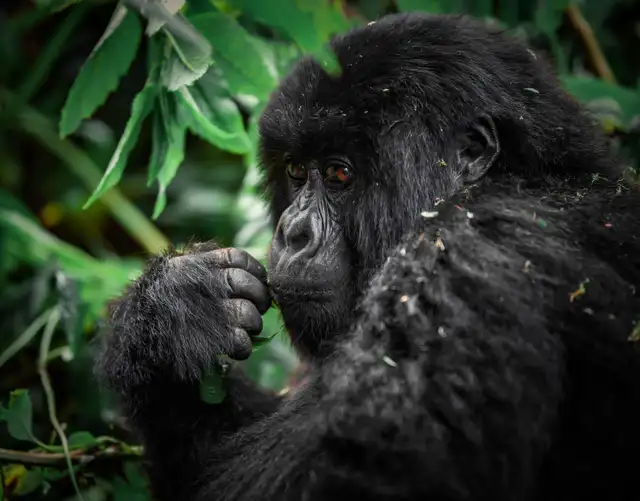
There are high chances of seeing gorillas in Volcanoes National Park during the rainy season. Let's learn about the best times to visit, key destinations, and what to expect on your gorilla trekking safari in Rwanda.
Planning a gorilla trekking safari in Volcanoes National Park during the rainy season might seem challenging, but it offers an incredible opportunity to witness these majestic primates in their natural habitat. Our guide will provide you with essential tips and insights to ensure your safari is both memorable and seamless. From understanding the best trekking destinations to knowing the costs involved, this article covers everything you need to know about planning a perfect gorilla trekking safari in Volcanoes National Park.
Popular Packages
2 day Gorilla trekking safari in Rwanda
3 Days Gorilla Trekking Safari in Rwanda
3 Days Chimpanzee Trekking Safari in Nyungwe Forest, Rwanda
4 Days Golden monkeys And Gorilla Trekking Safari
5 Days Gorilla and Wildlife Safari Tour, Rwanda
5 Days Rwanda Gorilla and Akagera Wildlife Safari
6 Days Rwanda Safari with Gorilla Trekking and Wildlife
6 Days Rwanda Wildlife and Gorilla Safari
7 Days Wildlife Gorillas and Chimpanzees Safari In Rwanda and Uganda
10 Days Rwanda and Kenya Safari- Gorillas and Wildlife in Masai Mara
High Chances of Seeing Gorillas in Volcanoes National Park
There is a 99.9% chance of seeing gorillas in Volcanoes National Park during the rainy season. The Park is home to over 1,500 gorillas, with more than 12 families available for trekking, which can be tracked all year round, even during the rainy season. The national park is also home to different primate species like the golden monkey.
Understanding Mountain Gorillas
Mountain gorillas share 95% of their DNA with humans, and some of their behaviors mimic human behaviours, such as taking care of their young and grooming. They are social primates that live in groups of 10 to 100 under the leadership of a dominant silverback male. Gorillas weigh between 75 to 200 kg and can live up to 60 years. They sometimes stand on their two legs and move from one place to another in search of food and caring for their young.
Gorillas can be aggressive when provoked, but with the introduction of the gorilla habituation process, they have been trained to get used to the presence of humans. Only habituated gorillas are open for tracking, ensuring a safe and enriching experience for visitors.
Cost of Gorilla Permits
The Rwanda Development Board determines the cost of gorilla permits. Below is the updated price of the gorilla permit in Volcanoes National Park:
- Foreign non-residents: $1,500
- East African citizens: $300
- Rest of Africa: $500
Rwanda offers a discount on the permit (30% discount) to $1050 during the low season. However, this only works if you have booked a safari to either Akagera National Park or Nyungwe after the gorilla trek.
A gorilla permit includes the following:
- Briefing and guidance: Experienced trackers provide a briefing before the trek, sharing essential information about the gorillas and the forest.
- One hour with the gorillas: Once the gorillas are located, you will have one hour to observe and photograph them.
- Park entrance fees: The permit covers the cost of entering the national park.
- Security: Well-trained armed rangers and guides ensure your safety throughout the trek.
Gorilla Trekking rules and regulations
Mountain gorillas are an endangered species that were almost extinct due to constant poaching from the locals, but with the coming and conservation ideas of Dian Fossey, gorillas survived. With the help of the government of Rwanda, some rules have been set up to continue conserving the natural habitat of the Mountain gorillas. The rules are to be followed by all who intend to go for a gorilla trek for your safety and the safety of the gorillas, and these include:
- Rwanda’s gorilla trekking age limit is 15 years, and no one below that age will be allowed to trek the gorillas.
- Feeding of the Mountain gorillas is prohibited.
- After locating the gorillas, the trekkers are allowed a maximum of an hour with the gorillas studying their behavioral patterns and taking photos and videos.
- You need to keep a distance of about 7 to 10 meters away from the gorillas.
- Gorillas are not used to flash photography, so make sure that you turn your camera flash off before taking photos.
- A maximum of 8 people is allowed to trek the assigned gorilla families.
- Holes 30 cm deep are to be dug and covered for hikers planning on using the toilet because there are no toilets within the national park.
- Avoid littering the national park with rubbish by leaving it the way you found it.
- Do not in any way get close to the gorillas to avoid passing on infections in case you are sick.
- No one can eat, smoke, or drink with the gorillas.
- Avoid staring at the gorillas in the eye, don’t put on sunglasses, and in cases where the gorillas approach you, follow the instructions given to you by the guides.
Best Time to Visit Rwanda for Gorilla Trekking
The best time to visit Rwanda for gorilla trekking is during the dry seasons, from June to September and December to February. During these months, the weather is more predictable, and the trails are less muddy, making the trek easier and more enjoyable. However, gorilla trekking is possible year-round, and each season offers its own unique experiences.
Where is Gorilla Trekking Done in Rwanda?
Gorilla trekking in Rwanda is conducted in Volcanoes National Park, located in the northwestern part of the country. This Park is part of the larger Virunga Massif, which spans Rwanda, Uganda, and the Democratic Republic of Congo. The park’s lush, mountainous terrain provides the perfect habitat for mountain gorillas.
Why Consider a Gorilla Trekking Safari Holiday to Rwanda?
A gorilla trekking safari holiday to Rwanda offers more than just the chance to see gorillas. It provides an opportunity to immerse yourself in the country’s rich culture and stunning landscapes. Rwanda’s commitment to eco-tourism ensures that your visit will have a positive impact on both the environment and local communities.
How to Get to Rwanda Gorilla Trekking Site
Getting to the gorilla trekking site in Rwanda is relatively straightforward. Most visitors fly into Kigali International Airport, which is well-connected to major international hubs. From Kigali, it’s a scenic two-hour drive to Volcanoes National Park. Many tour operators offer transportation as part of their Rwanda safari packages, making the journey hassle-free.
Rwanda Beyond Gorilla Trekking
While gorilla trekking is the highlight, there are plenty of other activities to enjoy on a Rwanda safari tour. You can go golden monkey tracking, explore the vibrant city of Kigali, visit the Nyungwe Forest for a canopy walk, or embark on a 3 days Akagera National Park wildlife safari. These activities provide a well-rounded experience of Rwanda’s diverse wildlife and culture.
Where to Sleep When There
Rwanda is dotted with curio shops and five-star hotels that offer a range of accommodations from luxury lodges to more budget-friendly options. These establishments provide comfort, proximity to Volcanoes National Park, and a touch of luxury, ensuring a restful stay after a day of trekking.
Essentials to Pack for a Gorilla Trekking Safari in Rwanda
Packing for a gorilla trekking safari requires some careful planning. Here are some essentials to bring:
- Pack some warm clothes like sweaters for when the weather drastically changes.
- A raincoat is necessary whether you are travelling in the dry or wet season.
- Long-sleeved shirts and trousers protect your skin from insect bites, keep you warm, and protect your skin from tree scratches. The clothes packed should be neutral or in brown, khaki, and green colours. Avoid blue, any other brightly colored clothes, and black. Also, make sure to avoid jeans.
- First aid kit fully packed with all the medicines prescribed by your doctor, bandages, spirit, iodine, cotton, tummy ache medicines, pain killers, and other things needed to treat scratches during the trek.
- Gaiters, socks, and garden gloves are needed. The socks are used to keep you warm, and during the trek, trousers are tucked into the socks to prevent insects from crawling up your pants. The garden gloves and non-surgical gloves protect your hands from tree scratches during the trek, and the adjustable gaiters are mainly used during the wet season.
- Strong ankle-length boots are necessary to keep your feet steady on the trek, especially during the wet season. They should be well-fitting to avoid blisters and waterproof if you can get them.
Other items that you need to pack include a refillable water bottle, flashlight, extra batteries, camera and extra lenses, binoculars, wet wipes, biodegradable toilet paper, scarf, sandals, sunscreen, insect repellent, a sun hat, and toiletries, among others.
Why Choose Lamz Tours and Travel for Your First Gorilla Trekking Safari in Rwanda
Choosing the right tour operator can make all the difference in your gorilla trekking experience. Lamz Tours and Travel offers expertly guided tours, ensuring a safe and memorable adventure.
Note that the Rwanda Tourism Board prints only 86 permits per day, so it is important to book early for your trip. After purchasing your permit, expect to track gorilla families in Volcanoes National Park, including the Hirwa gorilla family with 13 members, the Sabinyo gorilla family with eight members, Umubano with 11 gorillas, and Amahoro with 17 gorillas.
Whether you opt for a 3 days gorilla trekking safari in Rwanda or a longer itinerary, you need to book for the gorilla safari in advance because of the high demand for gorilla permits and easy planning. Contact Us to help you book the gorilla permit and organize your entire safari to Rwanda, depending on your budget. Check out our reviews on TripAdvisor to make the right decision.
Ready to plan your safari?
Talk to a Lamz Tours specialist and get a tailor-made quote.
Make an enquiry