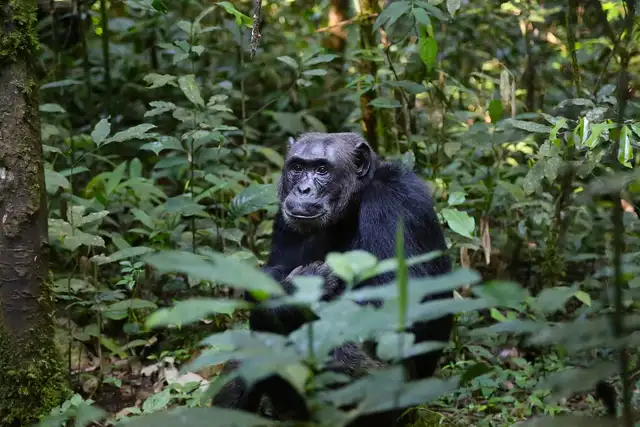
There is a 99.9% chance of seeing chimpanzees in Kibale National Park during the rainy season. Learn about the best times to visit, key destinations, and what to expect on your chimpanzee trekking adventure.
Planning a chimpanzee trekking safari in Kibale National Park during the rainy season might seem daunting, but it offers an incredible opportunity to witness these fascinating primates in their natural habitat. Our guide will provide you with essential tips and insights to ensure your safari is both memorable and seamless. From understanding the best trekking destinations to knowing the costs involved, we will cover everything you need to know about planning a perfect chimpanzee trekking safari in Kibale National Park.
Popular Rwanda Trekking Packages
2 Days Gorilla Trekking Safari to Bwindi National Park
3 Day Uganda Gorilla Habituation Safari
3 Days Flying Safari to Gorilla Trekking.
3 Days Gorilla Trekking in Mgahinga Gorilla National Park.
3 Days Uganda Gorilla Trekking Safari and Batwa Pygmies Visit in Bwindi National Park
4 Days Golden monkeys And Gorilla Trekking Safari
4 days safari with Gorilla and Queen Elizabeth national park
5 Days wildlife, Gorillas and Chimpanzee Trekking safari In Uganda
High Chances of Seeing Chimpanzees in Kibale National Park
There is a 99.9% chance of seeing chimpanzees in Kibale National Park during the rainy season. Kibale is home to over 1,500 chimpanzees, which can be tracked all year round, even during the rainy season. The national park is also home to 13 different primate species, including L’Hoest monkeys, red-tailed monkeys, blue monkeys, black and white colobus monkeys, olive baboons, and grey-cheeked mangabeys. Located in the southwestern part of Uganda, Kibale National Park is considered the best chimpanzee trekking destination in the country.
Understanding Chimpanzees
Chimpanzees share 98% of their DNA with humans, and some of their behaviors mimic human behaviors, such as taking care of their young and grooming. They are social primates that live in groups of 10 to 100 under the leadership of a dominant male. Chimpanzees weigh between 35 to 75 kg and can live up to 60 years. They sometimes stand on their two legs and move from one place to another in search of food and caring for their young.
Chimpanzees can be aggressive when provoked, but with the introduction of the chimpanzee habituation process, they have been trained to get used to the presence of humans. Only habituated chimps are open for tracking, ensuring a safe and enriching experience for visitors.
Cost of Chimpanzee Permits
The Uganda Wildlife Authority determines the cost of chimpanzee permits, which was recently updated. Below is the updated price of the chimpanzee permit in Kibale National Park:
- Foreign non-residents: $250
- Foreign residents: $200
- East African citizens: UGX 180,000
A chimpanzee permit includes the following:
Briefing and guidance: Experienced trackers provide a briefing before the trek, sharing essential information about the chimpanzees and the forest.
One hour with the chimpanzees: Once the chimpanzees are located, you will have one hour to observe and photograph them.
Park entrance fees: The permit covers the cost of entering the national park.
Security: Well-trained armed rangers and guides ensure your safety throughout the trek
Chimpanzees need to be protected at all costs, and Uganda Wildlife Authority has come up with rules that are to be followed when tracking chimpanzees in Kibale National Park, some of which include:
- The minimum age for tracking chimpanzees in Kibale is 12 years.
- Eating when with the chimpanzees in Kibale is not allowed.
- You need to dig a hole 30cm deep and cover it up after you wish to use the toilet. It has to be covered well so that the chimpanzees cannot dig it up.
- The use of flash photography when taking photos of the chimpanzees has been prohibited.
- Touching and feeding the chimpanzees has been prohibited.
- Smoking is prohibited during the trek and when you find the chimpanzees.
- Minimize the noise made when tracking chimpanzees in the national park.
- Tourists who are sick will not be allowed to track chimpanzees in Kibale National Park.
- Leave 7 to 10 meters between the chimpanzees after locating them.
- Littering of the national park has been prohibited.
- Imitating what the chimpanzees do is risky and might cause the chimpanzees to attack.
- Take off your sunglasses when with the chimpanzees.
- Always ensure that your mouth and nose are covered when sneezing
- You have an hour with the chimpanzees after locating them
- Listen and follow all the instructions given to you by the guides.
Best Time to Visit Kibale National Park for Chimp Trekking
The best time to visit Kibale National Park for chimpanzee trekking is during the dry seasons, from June to September and December to February. However, chimpanzee trekking is possible year-round, and the rainy season offers its own unique experiences. The forest is lush and vibrant, and the chances of seeing chimpanzees remain high.
Why Kibale National Park is a Top Chimp Trekking Destination
Kibale National Park has been rated among the top chimp trekking destinations in Africa due to its high population density of chimpanzees and its rich biodiversity. The Park is home to over 1,500 chimpanzees and 13 different primate species, making it a prime location for primate enthusiasts.
How to Get to Kibale National Park
Our visitors fly into Entebbe International Airport, which is well-connected to major international destinations. From Entebbe, it is a 5–6-hour drive to Kibale National Park. We offer comprehensive Uganda and Rwanda safari packages that include transportation, accommodation, and guided treks.
Activities Beyond Chimpanzee Trekking
While chimpanzee trekking is the highlight, there are several other activities to enjoy in Kibale National Park. Our visitors can explore the Bigodi Wetlands Sanctuary, go birdwatching, or take a nature walk to learn about the park’s diverse flora and fauna. For those interested in primates, a 3 days Chimpanzee trekking safari in Kibale National Park offers the chance to see colobus monkeys and other primates.
Where to Sleep During Your Safari
Kibale National Park is dotted with curio shops and lodges that offer comfort, luxury, and proximity to the park. These accommodations provide a range of amenities, from spa services to gourmet dining, ensuring a relaxing stay after a day of chimpanzee trekking.
Essentials to Pack for a Chimpanzee Trekking Safari in Kibale National Park
When preparing for a chimpanzee trekking safari in Kibale National Park, it is essential to pack appropriately. Here are some must-have items:
Clothes: Clothes are very important when packing for a chimpanzee trek in Kibale. They should be neutral colors, not bright colors, and comfortable enough. When packing, avoid the color blue because it is associated with tsetse flies, and jeans are not recommended for trekking chimpanzees.
- You should pack long-sleeved shirts and long trousers for a chimp safari. The extra layer of clothes provides warmth during cold weather and protects your skin from insect/bug bites during the trek. The pants should be lightweight for easy trekking.
- Knee-length hiking boots are needed to easily trek through the forest during the rainy season. The boots should be waterproof and comfortable to avoid blisters on your toes. They shouldn’t necessarily be new; test-wear them to check their stability.
- A waterproof rain jacket is a necessity, and it should be worn in both the dry and rainy seasons. The rains in Kibale National Park occur throughout the year, and you need to be ready at all times.
- Garden gloves are used when trekking chimps in Kibale. These will protect your hands because you do not know what you will hold onto during the trek.
- Socks are necessary to keep you warm when it gets cold. During the trek, trousers are also tucked into the socks, which prevents insects from crawling up your leg.
- Warm sweater or fleece for the cold weather.
Insect repellent: to keep the bugs/insects away, especially mosquitoes and tsetse flies.
A camera and binoculars: These should be the first things to pack for a chimp safari in Kibale to help keep your memories alive. However, the flash on your camera should be turned off at all times, carry extra batteries, and ensure that you have enough storage for your photos. Binoculars help when spotting other wildlife in the national park, so do not forget to carry a portable adapter.
A waterproof day backpack: The day backpack will help you carry all the essentials needed for the chimpanzee trek, including insect repellent, a camera, snacks, water bottles, and sunscreen.
Water bottle and snacks: Snacks can include anything you wish to eat, and you should carry a refillable water bottle for your chimpanzee trek in Kibale National Park.
Why Choose Lamz Tours and Travel for Your Chimpanzee Trekking Safari
Choosing Lamz Tours and Travel for your first chimpanzee trekking safari in Kibale National Park ensures a seamless and enriching experience. With experienced guides, well-planned itineraries, and a commitment to sustainable tourism, Lamz Tours and Travel offers the best of Rwanda gorilla trekking tours and chimpanzee trekking experiences. Our expertise and personalized service make us a top choice for travelers seeking an unforgettable adventure.
Note that the Uganda Wildlife Authority prints limited permits per day, so it is important to book early for your trip. After purchasing your permit, expect to track chimpanzees in Kibale National Park.
Whether you opt for a 3 days Chimpanzee trekking safari in Kibale National Park or a longer itinerary, you need to book for the chimpanzee safari in advance because of the high demand for chimp permits and easy planning. Contact Us to help you book the gorilla permit and organize your entire safari to Rwanda, depending on your budget. Check out our reviews on TripAdvisor to make the right decision
Ready to plan your safari?
Talk to a Lamz Tours specialist and get a tailor-made quote.
Make an enquiry