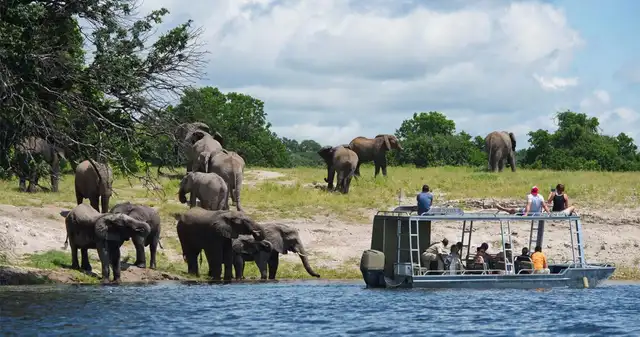
Safari Botswana in Chobe national park offers elephants, predators, birdlife, riverfront scenery, and cultural sites for a diverse safari experience
Wondering about the best safari destination in Botswana? Chobe National Park stands out as one of Africa’s most rewarding wildlife areas, offering travelers a mix of animal attractions, birdlife, dramatic landscapes, and cultural experiences. Safari Botswana trips here are defined by the world’s largest concentration of elephants along the Chobe Riverfront, predator action in Savuti, and rare antelopes thriving in floodplains. Birdwatchers enjoy over 450 species, from African Fish Eagles to Pel’s Fishing Owls, while photographers capture unique scenery like the “tree graveyard” of Savuti Marsh or the remote Linyanti Marshes. Beyond wildlife, cultural visits to San Bushmen rock art sites and basket-weaving cooperatives add depth to the safari. With diverse habitats, reliable sightings, and community connections, Chobe National Park offers practical, value-driven experiences that balance adventure, comfort, and authenticity for every traveler.
Best Botswana safari packages
3 Days Best of Botswana Safari in Moremi Game Reserve
3 Days Botswana Safari in Chobe National Park from Victoria Falls
3 Days classic Chobe family safari packages
4 Day Botswana Safari with Makgadikgadi Zebra Migration Experience
4 Days Botswana Tour Combo with Chobe Safari and Victoria Falls
5 Days Botswana Tour in Okavango Delta and Moremi Game Reserve
5 Days Botswana Wildlife Safari
6 Days Botswana Family Safari in the Okavango Delta & Makgadikgadi NP
7 Days Makgadikgadi Pans, Okavango Delta, and Chobe Botswana Safari
Animal attractions in Chobe national park
African Elephants and Riverfront Wildlife
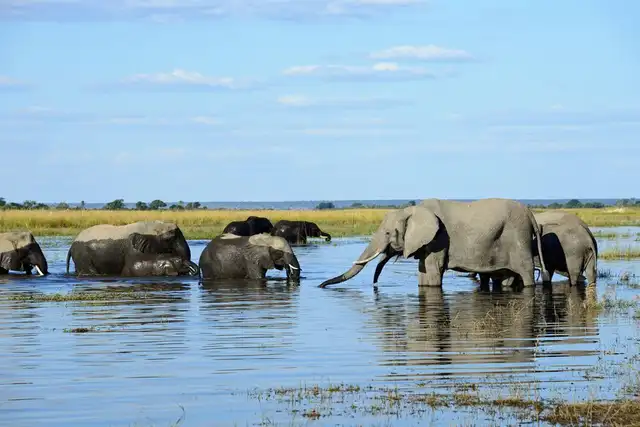
Safari Botswana experiences in Chobe are defined by the world’s largest concentration of African elephants, often gathering along the Chobe Riverfront during the dry season. Herds numbering in the hundreds come to drink, bathe, and socialize, creating reliable viewing opportunities. Safari Botswana trips here also reveal hippos and crocodiles in the water, while antelopes like puku and red lechwe graze on the floodplains. The riverfront is practical for travelers who want consistent sightings without long drives, as wildlife congregates naturally near water sources. With lodges and camps positioned close to the river, visitors can enjoy both boat cruises and land-based game drives, maximizing value and ensuring diverse wildlife encounters in one concentrated area.
Predators and Savuti Highlights
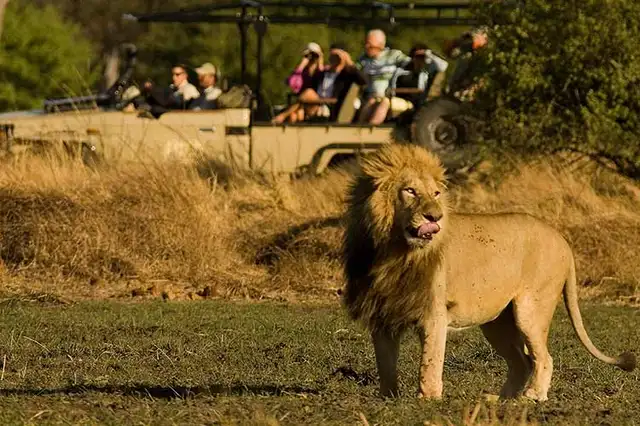
Safari Botswana tours in the Savuti region focus on predators and the zebra migration. Lions and leopards are frequently seen, while African wild dogs add rare and exciting sightings. The area’s open plains make it easier to track predator movements, and guides often spend time observing prides or packs in action. Safari Botswana trips here are well-suited for travelers who want predator-rich experiences without the congestion of the riverfront. Savuti’s seasonal zebra migration also attracts large numbers of predators, offering dramatic wildlife interactions. With fewer lodges compared to the riverfront, the region provides a quieter safari atmosphere, making it a practical choice for those who value predator viewing and a more remote setting.
Hippos, Crocodiles and Antelopes
Safari Botswana itineraries in Chobe also highlight aquatic and floodplain species. Hippos are abundant along the river, often seen grazing at dusk, while crocodiles patrol the waters, especially near crossing points. Safari Botswana trips here give travelers the chance to watch antelopes like puku and red lechwe, which thrive in marshy areas and are rarely found outside this ecosystem. These species add variety to the safari, ensuring visitors see more than just elephants and predators. The combination of aquatic life and specialized antelopes makes the Chobe Riverfront unique compared to other parks. For travelers seeking diversity, this region offers practical, reliable sightings that balance large mammals with smaller, habitat-specific species
Birds see in Chobe national park on safari Botswana
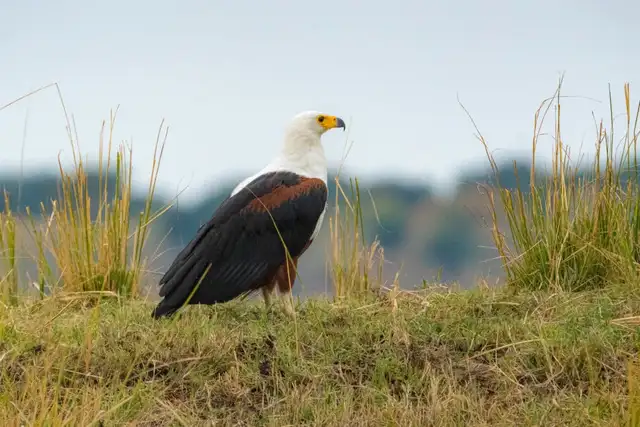
Safari Botswana trips in Chobe are a paradise for birdwatchers, with over 450 species recorded across its varied habitats. The riverine areas are especially rewarding, offering sightings of African Fish Eagles perched along the banks and Malachite Kingfishers darting over the water. Safari Botswana itineraries also highlight Pel’s Fishing Owl, a rare species often sought by serious birders, while the Lilac-breasted Roller adds vibrant color to the plains. The Savuti Marsh is excellent for raptors, including eagles and vultures, and becomes a hotspot for migratory species during seasonal shifts. Crowned Cranes and Southern Carmine Bee-eaters are also common, making birdlife in Chobe diverse and reliable. For travelers who value variety, birding here adds depth to the safari beyond large mammals
Landscape and Scenery
Chobe Riverfront and Savuti Marsh
Safari Botswana trips along the Chobe Riverfront highlight lush plains and teak forests where elephants, buffalo, and antelopes gather during the dry season. Boat cruises here are especially valuable for photography, as the light reflects beautifully on the water and allows close views of hippos and crocodiles. Safari Botswana itineraries also include the Savuti Marsh, often called the “tree graveyard” due to its striking landscape of dead trees. This area is predator-rich, with lions and leopards frequently seen, and it becomes a focal point during the zebra migration. The combination of riverfront abundance and Savuti’s dramatic scenery ensures travelers experience both dense wildlife and unique landscapes in one park.
Linyanti Marshes and Chobe Enclave
Safari Botswana tours in the Linyanti Marshes provide a more private and remote experience compared to the busier riverfront. This area is known for its exclusivity, with fewer lodges and controlled access, making it ideal for travelers who value privacy. Safari Botswana trips here often focus on elephants, wild dogs, and birdlife, with guides tailoring activities to small groups. The Chobe Enclave escarpment adds another dimension, offering elevated views across the plains and river systems. Photographers benefit from the varied scenery, from marshes to escarpments, each with distinct wildlife and vegetation. Together, these regions create a diverse safari experience, balancing accessibility with remoteness, and ensuring travelers can choose settings that match their preferences.
Cultural Attractions in Chobe National park
Safari Botswana trips in Chobe are not only about wildlife but also about cultural experiences that add depth to the visit. The Gobabi Hills feature San Bushmen rock art, offering travelers a glimpse into ancient traditions through preserved carvings and paintings. Safari Botswana itineraries can also include stops at the Chobe Enclave near Ngoma Gate, where community landmarks showcase local crafts and heritage. Basket-weaving cooperatives in the area provide opportunities to see artisans at work and purchase handmade items that support local livelihoods. These cultural attractions balance the natural highlights of Chobe with human history and community engagement, giving visitors practical ways to connect with both the land and its people while supporting conservation and cultural preservation
Best time to go for Safari Botswana experience
Dry Season of May to October
Safari Botswana trips are most rewarding during the dry season, when animals gather around permanent water sources like the Chobe Riverfront and Okavango Delta. Wildlife sightings are consistent, with elephants, buffalo, and predators easier to spot due to thinner vegetation. Safari Botswana experiences in this period also include dramatic events such as zebra movements in Savuti and reliable game drives across open plains. The clear skies and cooler mornings make photography excellent, though prices are higher and lodges busier. Travelers who prioritize predictable wildlife viewing and don’t mind peak-season crowds will find this the most practical time to plan their safari.
Wet Season of November to April
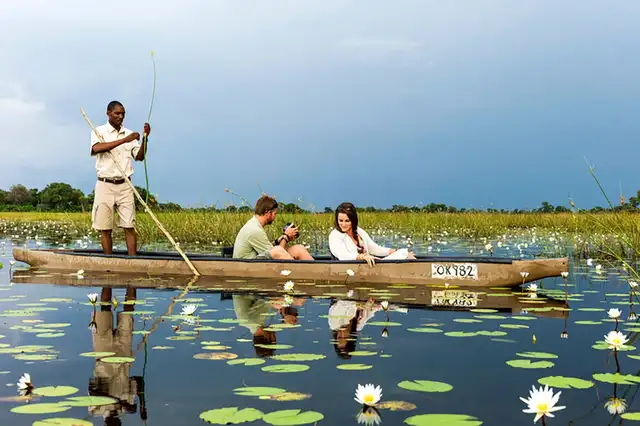
Safari Botswana experiences in the wet season are ideal for travelers who value quieter safaris, lower costs, and vibrant landscapes. The rains transform the plains into green habitats, attracting migratory birds and supporting newborn animals. Safari Botswana trips during this time are excellent for photography, with dramatic skies and fewer vehicles around. While wildlife is more dispersed and roads can be muddy, the season offers strong value for birdwatchers and budget-conscious travelers. Lodges often reduce rates, making it easier to extend stays or combine regions like Chobe and the Okavango. For those seeking solitude and diverse scenery, the wet season provides a practical alternative to the busier dry months.
Best safari activities to do during Safari Botswana
Safari Botswana offers a wide range of activities that balance wildlife viewing with unique experiences. Game drives remain the most practical way to see elephants, lions, leopards, and antelopes across regions like Chobe and the Okavango Delta. Safari Botswana trips also include boat cruises along the Chobe River, giving travelers close views of hippos, crocodiles, and birdlife with excellent light for photography. Walking safaris in private concessions provide a chance to track animals on foot and learn about smaller details of the bush. For those seeking premium experiences, hot air balloon rides over the Delta or mokoro canoe trips through its channels add variety. Together, these activities ensure travelers enjoy both land and water perspectives, making safaris diverse and rewarding.
How to get there for safari Botswana
Safari Botswana trips are most commonly accessed by flying into Maun or Kasane, the two main gateways to Botswana’s safari regions. International travelers usually connect through Johannesburg, Cape Town, or Nairobi before taking regional flights into Botswana. Maun serves as the entry point for the Okavango Delta and Moremi Game Reserve, while Kasane is ideal for Chobe National Park. Safari Botswana itineraries often include light aircraft transfers from these towns directly to lodges, saving time and offering stunning aerial views of the wilderness. For those preferring road travel, self-drive safaris from South Africa, Namibia, or Zimbabwe are possible, though longer. Organized 4x4 transfers are also available, providing comfort and guidance for travelers unfamiliar with the terrain
Top health, safety and cultural tips for safari Botswana
Health and Safety
Safari Botswana trips require practical preparation to stay safe and comfortable. Carry insect repellent and wear long sleeves in the evenings to reduce mosquito bites, as malaria is present in some regions. Safari Botswana experiences also demand hydration, so travelers should drink plenty of water and avoid relying only on lodge supplies when out on drives. Sunscreen and hats are essential for protection against strong sun, while sturdy shoes help during walking safaris. Always follow guide instructions, especially around elephants, predators, and hippos, as unpredictable behavior can be dangerous. Travel insurance covering medical evacuation is strongly recommended, since remote areas may lack immediate healthcare facilities.
Cultural Awareness
Safari Botswana tours often include visits to local communities, so respecting traditions is important. Dress modestly when visiting villages and ask before taking photographs to avoid offending residents. Safari Botswana experiences are enhanced when travelers support local crafts, such as basket weaving cooperatives, which contribute to community livelihoods. Learning a few words of Setswana shows appreciation and helps build rapport. Tipping guides and staff is customary, but should be done discreetly. Travelers should also avoid wasteful practices, like leaving plastic behind, as conservation is central to Botswana’s tourism model. By respecting culture and environment, visitors ensure their safari benefits both wildlife and local people
Where to stay on Safari Botswana
Safari Botswana offers a wide range of accommodation options that suit different budgets and travel styles. Luxury lodges in regions like the Okavango Delta and Chobe Riverfront provide private suites, plunge pools, and personalized service, making them ideal for travelers who want comfort and exclusivity. Safari Botswana also includes mid-range tented camps, which balance affordability with convenience, often featuring ensuite bathrooms and seasonal locations that follow wildlife movements. For budget-conscious travelers, public campsites are available, though they require self-sufficiency with food, gear, and transport. Each option ensures direct access to wildlife, so whether you choose high-end lodges, comfortable tented camps, or rugged campsites, the focus remains on maximizing safari experiences while matching your budget and preferences
Booking Safari Botswana with Lamz Tours and Travel
Booking Safari Botswana with Lamz Tours and Travel ensures a smooth, reliable, and value-driven safari experience tailored to different traveler needs. The company organizes every detail, including park entry fees, transport, accommodation, and guided activities, so guests avoid the stress of planning. Safari Botswana packages with Lamz Tours and Travel are designed around seasonal highlights such as elephant gatherings in Chobe, predator sightings in Savuti, and birdlife in Linyanti, ensuring travelers are always in the right place at the right time. Our itineraries also allow extensions to destinations like the Okavango Delta or Victoria Falls, making trips flexible and comprehensive. Choosing Lamz Tours and Travel means professional guides, transparent pricing, and authentic experiences that support conservation and local communities while maximizing traveler value
Ready to plan your safari?
Talk to a Lamz Tours specialist and get a tailor-made quote.
Make an enquiry