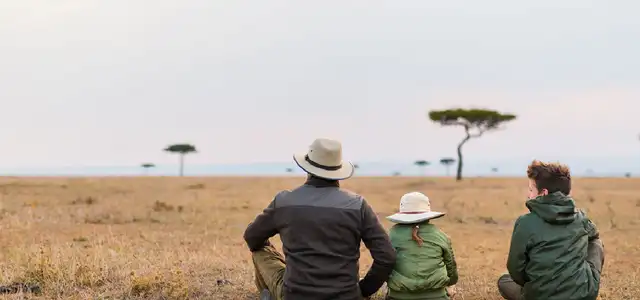
Uganda Safari Mistakes to Avoid Before You Travel helps you avoid common travel errors with practical tips for planning a smoother, safer, and enjoyable safari.
Planning a safari in Uganda involves more than booking accommodation and choosing national parks. Knowing the common mistakes travellers make before departure can help you prepare better and avoid unnecessary challenges during your journey. Whether you are visiting for gorilla trekking, wildlife viewing, birdwatching, or cultural visits, understanding these practical tips will help you organise a smoother, safer, and more enjoyable Uganda Safari from beginning to end.
Our Best National Parks and Accommodation on a Uganda Safari
Uganda Safari Mistakes to Avoid Before You Travel
1. Booking Your Safari at the Last Minute
Many travellers assume they can arrange everything a few days before arriving in Uganda, only to realise that permits, accommodation, and transport options are already fully booked. This is one of the biggest mistakes that can affect the quality of your Uganda Safari. Gorilla trekking permits, chimpanzee tracking permits, and popular safari lodges often sell out months in advance, particularly during the dry seasons from June to September and December to February. Waiting until the last minute also limits your choice of guides, vehicles, and accommodation, which may force you to settle for options that do not suit your budget or expectations. Early planning gives you enough time to compare itineraries, secure the best accommodation, and prepare the necessary travel documents. It also allows you to spread the cost of your holiday over several months rather than paying everything at once. Taking time to organise your journey early helps ensure your Uganda Safari runs smoothly from start to finish.
2. Underestimating Travel Distances Between Parks
Uganda may appear small on a map, but travelling between national parks often takes much longer than visitors expect. This misunderstanding can leave travellers feeling rushed and tired throughout their Uganda Safari. Road journeys between destinations such as Entebbe, Murchison Falls National Park, Kibale National Park, Queen Elizabeth National Park, and Bwindi Impenetrable National Park can take several hours, even though the actual distance may not seem very far. Road conditions vary, and some routes pass through rural areas where speed limits are lower. Planning too many activities within a short period leaves little time to enjoy wildlife viewing or relax at your lodge. It is better to allow enough travel time between destinations and include overnight stays where necessary. A realistic itinerary reduces unnecessary pressure and gives you more opportunities to appreciate each location properly. Understanding Uganda's road network before travelling helps create a more comfortable and enjoyable Uganda Safari.
3. Packing the Wrong Clothing and Equipment
Packing without considering Uganda's climate and safari conditions is a common mistake that can make your trip less comfortable than expected. Preparing properly for a Uganda Safari means bringing clothing that suits both warm afternoons and cool mornings, especially if your itinerary includes high-altitude destinations such as Bwindi Impenetrable National Park or Mgahinga Gorilla National Park. Neutral-coloured clothing is recommended because it blends better with the natural environment and is less likely to attract insects. Lightweight long-sleeved shirts, long trousers, waterproof walking boots, a rain jacket, and a wide-brimmed hat are practical items throughout the year, even during the dry season when brief showers can still occur. Many travellers also forget essentials such as sunscreen, insect repellent, binoculars, a reusable water bottle, and spare camera batteries. Packing only fashionable clothing instead of practical safari wear often leads to unnecessary discomfort during game drives and forest walks. A carefully prepared travel bag allows you to enjoy every part of your Uganda Safari without worrying about missing essential equipment.
4. Ignoring Health and Travel Requirements
Some travellers focus entirely on booking wildlife activities while overlooking the health and travel requirements needed before departure. This oversight can cause unnecessary delays or even prevent you from beginning your Uganda Safari as planned. Before travelling, check the latest visa requirements, ensure your passport has sufficient validity, and confirm whether proof of yellow fever vaccination is required for entry. Speaking with your healthcare provider several weeks before departure allows enough time to receive recommended vaccinations and discuss malaria prevention. It is also wise to carry a basic first-aid kit containing personal medication, pain relief, antiseptic cream, plasters, and any prescribed medicines you may need during your holiday. Comprehensive travel insurance that covers medical emergencies, cancellations, and evacuation provides additional peace of mind while visiting remote wildlife areas. Taking care of these practical arrangements before leaving home reduces avoidable complications and allows you to focus fully on enjoying your Uganda Safari from the moment you arrive.
5. Choosing a Safari Based Only on the Lowest Price
Many visitors are naturally attracted to the cheapest safari packages without carefully comparing what is actually included. While saving money is important, selecting a trip based only on price can reduce the overall quality of your Uganda Safari. Some low-cost packages exclude park entrance fees, gorilla permits, drinking water, accommodation upgrades, or airport transfers, resulting in unexpected expenses later. Others may use older vehicles with limited comfort for long journeys or provide fewer game drives than advertised. Before confirming your booking, request a detailed itinerary and ask exactly what is included in the quoted price. Reading recent reviews and choosing a reputable safari company can also help you avoid disappointment. A slightly higher price often reflects better accommodation, knowledgeable guides, reliable vehicles, and well-organised logistics that improve the entire journey. Looking beyond the cheapest option allows you to make an informed decision and enjoy a well-planned Uganda Safari that offers genuine value for your investment.
6. Expecting Wildlife to Appear Immediately
Many first time visitors arrive with the impression that wildlife will always be waiting beside the road as soon as they enter a national park. While Uganda is rich in biodiversity, animals move freely through vast protected areas, and sightings depend on factors such as weather, time of day, and the animals' natural behaviour. Understanding this before your Uganda Safari helps set realistic expectations and allows you to appreciate the entire journey rather than focusing only on ticking species off a list. Experienced guides track recent animal movements and communicate with other rangers, increasing your chances of rewarding sightings, but there are never guarantees in the wild. Patience often leads to the most satisfying moments, whether it is watching elephants feeding quietly, observing lions resting beneath a fig tree, or listening to birds calling from the forest canopy. Every game drive offers something different, and each day brings new opportunities. Approaching the wilderness with patience and an open mind allows you to gain a deeper appreciation of nature throughout your Uganda Safari.
7. Failing to Respect Wildlife and Local Communities
One of the most important aspects of travelling responsibly is showing respect for both wildlife and the people who live alongside Uganda's protected areas. A successful Uganda Safari is not only about seeing animals but also about understanding the conservation efforts that protect them and the communities that support tourism. Visitors should always follow their guide's instructions, remain at a safe distance from wildlife, avoid making loud noises, and never attempt to feed or attract animals. During gorilla and chimpanzee tracking, following the rules helps reduce the risk of transmitting diseases to these endangered primates. Respect is equally important when visiting villages, cultural centres, and local markets. Asking permission before taking photographs, supporting locally owned businesses, and learning about local traditions demonstrate consideration for the people who welcome visitors to their region. Responsible behaviour helps preserve Uganda's wildlife, protects natural habitats, and strengthens community-based tourism, ensuring that future travellers can continue to enjoy a well-managed Uganda Safari.
Best Time to Visit Uganda Safari Destination
Uganda can be visited throughout the year, with each season offering suitable conditions for different activities and travel preferences. The dry seasons from June to September and December to February are widely considered the best periods for wildlife viewing because park roads are easier to access and animals often gather around water sources. These months are also favourable for gorilla trekking and chimpanzee tracking because walking trails are generally less slippery. A Uganda Safari during the wet seasons from March to May and October to November also provides good opportunities, especially for birdwatchers, photographers, and travellers looking for fewer visitors. The rainy months bring fresh vegetation, and many lodges offer attractive rates during these quieter periods. Although rainfall can occur, it usually comes in short periods and does not stop most planned activities. Choosing the right travel period based on your interests, budget, and preferred activities will help you enjoy a well-planned holiday and make the most of a Uganda Safari.
How to Get There for a Uganda Safari Holiday
Uganda is accessible by air and road, with convenient travel options available for visitors arriving from different parts of the world. Most international travellers begin their journey through Entebbe International Airport, which serves as the main gateway and provides easy connections to Kampala and major safari destinations. From the airport, visitors can continue by private safari vehicles, domestic flights, or charter flights depending on their planned route. A Uganda Safari can also be combined with visits to neighbouring countries such as Rwanda, Kenya, Tanzania, and South Sudan through recognised border crossings. Travellers should arrange their transport, accommodation, and activity bookings in advance to avoid unnecessary delays during their holiday. Choosing a reliable tour operator makes it easier to organise airport transfers, park permits, and travel schedules between different destinations. Proper preparation before arrival ensures a smooth journey from the airport to national parks and allows visitors to enjoy every stage of a Uganda Safari with comfort and confidence.
Things to Do on a Uganda Safari Holiday
Uganda offers a wide range of activities that allow visitors to enjoy wildlife, nature, culture, and outdoor activities across different regions of the country. From primate encounters in tropical forests to game drives across open savannah plains, travellers have many options to include in their itinerary. Activities such as gorilla trekking in Bwindi Impenetrable National Park, chimpanzee tracking in Kibale National Park, boat cruises on rivers and lakes, birdwatching, and guided nature walks are among the popular choices. A Uganda Safari provides opportunities to observe some of Africa’s most remarkable wildlife while also visiting local communities and learning about traditional ways of life. Travellers can also enjoy activities such as hiking, fishing, cultural tours, and wildlife photography depending on their interests and available time. Each destination offers different attractions, making it possible to create a balanced itinerary that combines adventure, relaxation, and cultural connections. Planning your activities carefully ensures that you make the most of your time while enjoying the variety offered by a Uganda Safari.
What to Carry for a Uganda Safari Holiday
Packing the right items before travelling to Uganda helps you stay comfortable and prepared for different activities and weather conditions. Visitors should consider practical clothing, personal essentials, and equipment that can support them during long journeys, forest walks, and wildlife viewing activities. Lightweight long-sleeved shirts, trousers, comfortable walking shoes, a rain jacket, a hat, sunglasses, and insect repellent are useful items to include in your luggage. A Uganda Safari often involves changing environments, from warm savannah areas to cooler forest regions, so carrying adaptable clothing is important. Other recommended items include binoculars, a camera, extra batteries, a reusable water bottle, personal medication, and travel documents. Avoid carrying unnecessary items that add extra weight, especially when moving between different destinations. Preparing your luggage according to your itinerary ensures that you are ready for every activity without inconvenience. Having the right equipment and clothing allows you to travel comfortably and enjoy the different activities included in a Uganda Safari.
Where to Stay During a Uganda Safari Holiday
Uganda offers a wide selection of accommodation options suitable for different budgets, travel styles, and safari preferences. Visitors can choose from luxury lodges, tented camps, mid-range hotels, and budget-friendly guesthouses located near national parks and major attractions. The choice of accommodation often depends on the activities planned, location, and level of comfort required during the journey. A Uganda Safari can include stays in wildlife lodges near parks such as Bwindi, Queen Elizabeth, Murchison Falls, Kibale, and Lake Mburo, allowing travellers to spend more time enjoying activities rather than travelling long distances. Many lodges provide comfortable rooms, local meals, guided services, and relaxing areas where guests can rest after daily excursions. Booking accommodation early is recommended, especially during busy travel seasons when popular properties fill quickly. Selecting the right place to stay improves your overall travel arrangements and provides easy access to planned activities. A carefully chosen accommodation option helps create a comfortable and well-organised Uganda Safari from start to finish.
Health and Safety Tips for a Uganda Safari Holiday
Taking proper health and safety precautions before travelling helps visitors enjoy their journey comfortably while reducing possible challenges along the way. Uganda is a safe destination for travellers, but it is important to prepare well by following recommended travel guidelines and taking personal precautions. Visitors should consult a healthcare professional before departure, carry necessary medication, and confirm required vaccinations, including yellow fever requirements where applicable. During a Uganda Safari, travellers should protect themselves from mosquito bites by using insect repellent, wearing suitable clothing, and following malaria prevention advice. Drinking bottled or treated water, maintaining good hygiene, and carrying a small first-aid kit are also useful measures while travelling between destinations. Guests should always follow instructions from their safari guide, especially during wildlife activities, to maintain a safe distance from animals and respect park regulations. Being prepared and responsible throughout your journey allows you to enjoy Uganda’s wildlife, landscapes, and cultural encounters with confidence while having a safe and comfortable Uganda Safari.
Why Book with Lamz Tours and Travel for Your Uganda Safari Holiday
Choosing the right safari company plays an important role in creating a smooth and well organised holiday in Uganda. Lamz Tours and Travel provides carefully planned itineraries designed around each traveller’s interests, budget, and preferred activities, ensuring that every part of the journey is properly arranged. From airport transfers and accommodation bookings to wildlife activities and transport between destinations, the team focuses on providing reliable services from start to finish. A Uganda Safari with Lamz Tours and Travel is supported by experienced guides who understand Uganda’s national parks, wildlife behaviour, local cultures, and the best routes for each destination. The company helps travellers arrange important activities such as gorilla trekking, chimpanzee tracking, game drives, boat cruises, and cultural visits while offering professional guidance throughout the trip. With attention to detail, flexible planning, and personalised customer care, Lamz Tours and Travel aims to make every journey comfortable and stress-free. Booking with Lamz Tours and Travel gives travellers the confidence of enjoying a professionally arranged Uganda Safari with a trusted local partner.
Ready to plan your safari?
Talk to a Lamz Tours specialist and get a tailor-made quote.
Make an enquiry