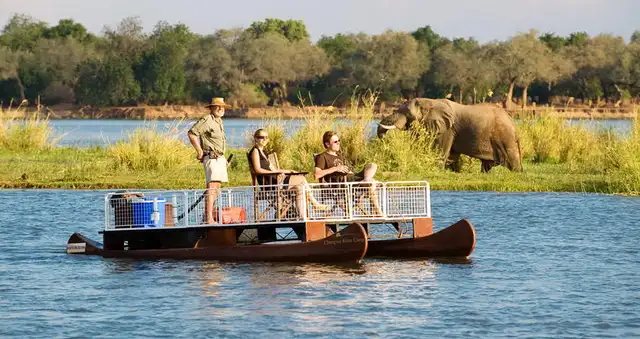
Explore Sabie River wildlife and boat safaris in Kruger National Park for close animal sightings and a rewarding Safari in South Africa.
The Sabie River in Kruger National Park is one of the most rewarding wildlife areas for travellers seeking a memorable Safari in South Africa. Its permanent water supply attracts animals throughout the year, creating excellent opportunities for game viewing and boat safaris. A Safari in South Africa along this river offers close sightings of elephants, hippos, crocodiles, antelope, and predators moving between the riverbanks and surrounding bushveld landscapes.
Popular South Africa Safari Packages
Top Wildlife Sightings on Sabie River Boat Safari in South Africa
Elephants along the Sabie River
The Sabie River is among the best locations to observe elephants during a Safari in South Africa because large herds depend on the river throughout the year. Families move slowly through woodland areas before gathering along the water to drink, bathe, and cool themselves in the mud. A Safari in South Africa near the Sabie River allows travellers to watch calves staying close to adults while younger elephants splash and play near shallow edges. Herds often form protective circles around the young before crossing the river together. During hotter afternoons, elephants remain close to the water for long periods, returning several times each day. Their movement shapes the activity of many smaller animals waiting for access to the riverbanks.
Hippos dominating the river channels
Hippos are among the most common animals seen during a Safari in South Africa along the Sabie River. Large groups occupy deeper sections of the river where they remain partly submerged for most of the day. A Safari in South Africa in this region allows visitors to hear loud grunts, splashes, and territorial calls echoing across the water channels. Dominant males carefully protect their sections of the river while younger hippos stay close together in calmer pools. As temperatures rise, the pods gather tightly in deeper water to remain cool and protected from the sun. In the evenings, hippos leave the river to graze on nearby grasslands before returning before sunrise, creating a predictable rhythm along the riverbanks.
Nile crocodiles along sandy banks
Large Nile crocodiles are regularly spotted during a Safari in South Africa along the Sabie River, especially near sandy banks and shallow crossing areas. These reptiles spend long hours resting motionless near the water while waiting for prey to approach. A Safari in South Africa around the river offers excellent opportunities to observe their rough scales, powerful jaws, and patient hunting behaviour. During warm afternoons, crocodiles often lie with their mouths open to regulate body temperature while birds gather nearby searching for insects. Younger crocodiles stay in quieter sections of the river, while larger adults dominate popular basking spots. Their sudden movements and silent hunting style add tension and excitement to wildlife viewing near the water.
Buffalo herds gathering at the river
Large buffalo herds regularly approach the Sabie River during a Safari in South Africa, especially during warm parts of the day when water becomes essential. These animals move in organised groups that sometimes stretch across open plains toward the riverbanks. A Safari in South Africa around this area allows travellers to observe strong herd behaviour as adults protect younger members while remaining alert for predators nearby. Buffalo often stand in shallow muddy sections of the river to cool themselves and reduce irritation from insects. Birds such as egrets frequently gather around them feeding on disturbed insects. Their presence near the river also attracts lions, creating moments of silence and caution throughout the surrounding grasslands and bush.
Antelope species at water points
Several antelope species depend on the Sabie River, making them regular sightings during a Safari in South Africa. Impalas are the most common and are often seen moving cautiously toward the water in large groups. A Safari in South Africa also reveals species such as kudu, bushbuck, and waterbuck gathering near the riverbanks throughout the day. These animals remain highly alert while drinking because predators frequently wait nearby in thick vegetation. Waterbuck usually stay closer to wetter areas for longer periods, while impalas quickly move in and out after drinking. Kudu prefer remaining near cover where they can retreat easily if disturbed. Their constant movement around the river supports predator activity and maintains balance within the ecosystem.
Birdlife activity along the Sabie River
Birdlife is highly active along the Sabie River, making it an important attraction during a Safari in South Africa. The river supports species such as African fish eagles, kingfishers, storks, bee-eaters, and herons throughout the year. A Safari in South Africa near this river allows visitors to observe birds feeding, nesting, and moving between trees and shallow waters. Fish eagles are often seen perched high above the river before diving suddenly to catch fish. Kingfishers hover briefly over the water before striking quickly, while herons remain still in shallow areas waiting patiently for prey. Early mornings and evenings are especially rewarding as bird activity increases along the riverbanks, filling the environment with movement and sound.
Why Sabie River Boat Safaris offers the best Experience on Safari in South Africa
The Sabie River remains one of the finest locations for boat safaris during a Safari in South Africa because wildlife activity stays consistent throughout the year. Permanent water attracts animals daily, creating reliable viewing opportunities along the riverbanks. A Safari in South Africa here combines sightings of elephants, buffalo, predators, hippos, crocodiles, and birdlife within one concentrated environment. Calm river sections allow boats to move smoothly and quietly without disturbing nearby animals. This makes wildlife behaviour easier to observe naturally for longer periods. The open riverbanks also improve visibility, allowing travellers to view animals clearly from different angles. The combination of dependable wildlife movement and comfortable boat conditions creates a rewarding safari experience.
Best time to visit Sabie River for Boat Safaris on a Safari in South Africa
The dry season from May to September is considered the best period for exploring the Sabie River during a Safari in South Africa. Vegetation becomes thinner during these months, making wildlife easier to spot near permanent water sources. A Safari in South Africa at this time offers excellent sightings of elephants, buffalo, predators, and antelope gathering around the riverbanks. Cooler temperatures during mornings and evenings also make outdoor activities more comfortable. Clear skies improve photography conditions and visibility during game drives and boat safaris. The green season from October to April still provides rewarding experiences because bird activity increases and landscapes become greener. However, wildlife tends to spread farther away due to temporary seasonal water sources.
How to get to River Sabie for a Boat Safari in South Africa
The Sabie River is located within Kruger National Park, making it accessible during a Safari in South Africa through both road and air travel. Most travellers begin from Johannesburg before driving approximately five to six hours toward the park entrance gates. A Safari in South Africa often includes these transfers as part of organised tour arrangements. Domestic flights are also available to Skukuza Airport, which lies close to the Sabie River region. From there, lodges and camps organise transfers for visitors arriving by air. Roads inside Kruger National Park are well maintained and clearly marked, making access to the river convenient for guided safaris and self-drive travellers. This accessibility makes the Sabie River a practical safari destination.
Things to do while on a Safari in South Africa
The Sabie River area offers several activities that improve the overall Safari in South Africa experience. Game drives are the most popular and are usually conducted early in the morning and late in the afternoon when wildlife is active. A Safari in South Africa here also includes guided walking safaris where travellers learn about animal tracks, plants, and smaller wildlife details often missed during drives. Boat safaris provide another perspective by allowing close observation of hippos, crocodiles, and birdlife along calmer river sections. Birdwatching is rewarding because the river attracts many resident and migratory species throughout the year. Photography is also highly rewarding due to open views, river reflections, and consistent wildlife activity around the water.
What to carry for a Safari in South Africa
Packing correctly improves comfort during a Safari in South Africa around the Sabie River. Lightweight clothing in neutral colours such as beige or khaki helps travellers blend naturally into the environment while remaining comfortable in warm temperatures. A Safari in South Africa also requires a light jacket for cooler mornings and evenings near the river. Comfortable walking shoes are important for guided walks and lodge activities. Binoculars help with distant wildlife and bird viewing, while cameras with extra batteries allow travellers to capture important moments throughout the day. Sunscreen, sunglasses, hats, and insect repellent are necessary because of strong sunlight and insects near the river. Carrying a reusable water bottle also helps visitors stay hydrated during activities.
Where to stay for the best accommodation on a Safari in South Africa
Accommodation near the Sabie River ranges from comfortable public camps to luxury private lodges suitable for different Safari in South Africa travel styles. Camps such as Skukuza and Lower Sabie provide direct access to river viewing areas and safari routes inside Kruger National Park. A Safari in South Africa can also include private lodges overlooking the river where travellers enjoy more personalised services and quieter surroundings. Many lodges offer guided game drives, meals, and viewing decks facing active wildlife areas. Guests often observe animals directly from their rooms or dining spaces near the riverbanks. Booking accommodation early is recommended during peak safari seasons because these riverfront locations remain highly popular with travellers throughout the year.
Health and safety tips to follow for to experience the best Safari in South Africa
Health and safety are important during a Safari in South Africa around the Sabie River because wildlife moves freely throughout the area. Visitors must follow park regulations by remaining inside vehicles except in designated safe zones. A Safari in South Africa also requires preparation for changing weather conditions, including warm afternoons and cooler mornings. Malaria precautions are recommended because the region falls within a malaria risk zone, so travellers should consult health professionals before travel. Insect repellent and bottled drinking water are also important during outdoor activities. During boat safaris, guests should follow guide instructions carefully and avoid sudden movements near wildlife. Respecting animal space and maintaining awareness ensures a safe, comfortable, and organised safari experience.
Why book with Lamz Tours and Travel for a Safari in South Africa
Booking through Lamz Tours and Travel provides a well-organised and reliable Safari in South Africa experience, especially for travellers exploring the Sabie River region. The company handles accommodation, transport, activities, and guiding arrangements, allowing visitors to focus fully on wildlife viewing and relaxation. A Safari in South Africa we organise benefits from experienced local guides who understand seasonal wildlife movements and the best areas for sightings. Their safari planning combines comfort, safety, and structured itineraries that run smoothly from arrival to departure. We also support responsible tourism practices that respect conservation areas and wildlife habitats. Their attention to detail and professional coordination help travellers enjoy a comfortable and rewarding safari experience across South Africa’s leading wildlife destinations.
Ready to plan your safari?
Talk to a Lamz Tours specialist and get a tailor-made quote.
Make an enquiry