Rwanda gorilla safari and Serengeti safari tips, permits, gear, timing, accommodation, etiquette, and logistics for a seamless, ethical, and unforgettable wildlife tour
Combining a Rwanda gorilla safari with a Serengeti safari offers one of Africa’s most powerful and contrasting wildlife experiences. In Rwanda, the misty slopes of Volcanoes National Park bring you face-to-face with endangered mountain gorillas an intimate, emotional encounter that few places on Earth can match. Trekking through dense forest, guided by expert trackers, you’ll witness complex primate behavior and contribute directly to conservation efforts. Beyond gorilla trekking, Rwanda’s cultural depth, scenic lakes, and biodiversity-rich forests add layers of meaning to your journey, making it far more than a wildlife checklist.
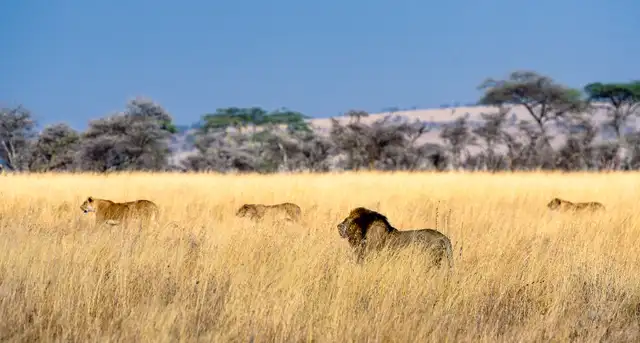
In contrast, the Serengeti unleashes the drama of the open plains lion hunts, elephant herds, and the thundering spectacle of the Great Migration. Whether you’re chasing river crossings in the north or predator action in the south, the Serengeti delivers cinematic wildlife encounters across vast, ever-changing landscapes. Together, these destinations offer a rare blend of intimacy and scale, forest and savannah, primates and predators. With careful planning, seamless logistics, and the right timing, a Rwanda–Serengeti safari becomes a deeply rewarding journey that balances adventure, reflection, and ecological wonder. It’s not just a trip it’s a transformative experience across two of Africa’s most iconic ecosystems
Top Rwanda gorilla safari and Serengeti safari packages
2 day Gorilla trekking safari in Rwanda
2 Days Nyungwe Chimpanzee and Canopy Walk Safari in Rwanda
3 Days Gorilla and Golden Monkey Trekking Rwanda Tour
3 Days Safari to Rwanda and Uganda Gorilla Trekking
4 Days Luxury Gorilla Tracking Rwanda Tour
4 Days Primate Safari to Rwanda with Gorillas and Chimps
5 Days in Rwanda with Gorillas and Akagera Big Five Safari
8 Days Rwanda Cultural and Primate Experience
3Days Rwanda Safari Holiday with Gorilla Trekking
12 Days Rwanda Safari in Volcanoes, Nyungwe and Akagera National Park
Best Tips for Rwanda Gorilla Safari
Book Permits WELL in Advance
Securing your permit early is the most critical step for a successful Rwanda gorilla safari. With only a limited number issued daily and a cost of $1,500 per person, permits often sell out months ahead especially during peak seasons like June to September and December to February. Booking your Rwanda gorilla safari permit first ensures you won’t miss this once-in-a-lifetime experience. Unlike a Serengeti safari, which offers more flexible access to wildlife, gorilla trekking is tightly regulated to protect the endangered species. Plan your entire itinerary around your permit date, and avoid last-minute disappointments. Just as timing is key for a Serengeti safari, it’s absolutely essential for gorilla tracking in Rwanda.
Choose Your Tracking Base Wisely
For your Rwanda gorilla safari, selecting the right base near Volcanoes National Park makes a huge difference. Most travelers stay in Musanze (Ruhengeri), which offers budget-friendly options and easy access to the park. However, luxury lodges near the park headquarters provide stunning volcano views and unmatched convenience. Whether you’re coming from a Serengeti safari or heading there afterward, choosing a comfortable and well-located base enhances your overall experience. Unlike the vast plains of a Serengeti safari, gorilla trekking requires early starts and proximity to trailheads so location matters. A well-chosen base ensures you’re rested, prepared, and ready for the adventure.
Get Physically Prepared
A Rwanda gorilla safari demands physical readiness. Trekking through steep, muddy terrain at altitudes of 2,500–4,000 meters can last anywhere from 30 minutes to over four hours. Unlike the vehicle-based Serengeti safari, gorilla tracking is a full-body challenge. Start cardio and leg-strength training weeks before your trip to build stamina and reduce fatigue. Break in your hiking boots to avoid blisters and discomfort. Preparing physically ensures you enjoy every moment of your Rwanda gorilla safari without struggling through the terrain. Just as a Serengeti safari requires mental readiness for long game drives, gorilla trekking calls for physical endurance and resilience.
Pack the Right Gear for the Trek
Packing smart is essential for a successful Rwanda gorilla safari. Waterproof hiking boots are non-negotiable the trails are often muddy and slippery. Gaiters protect your legs from stinging nettles, while a waterproof jacket and pants shield you from rainforest showers. Gardening gloves help you push through dense vegetation, and a daypack with water, snacks, and spare batteries keeps you energized and ready. Unlike a Serengeti safari, where gear is mostly for comfort during drives, gorilla trekking requires functional, protective equipment. Being well-equipped ensures your Rwanda gorilla safari is safe, comfortable, and focused on the experience not on gear failures or discomfort.
Understand the Rules for Your Safety and Theirs
Respecting the rules is vital during your Rwanda gorilla safari. You’ll be briefed before the trek, but key guidelines include maintaining a 7-meter distance, avoiding eating or smoking near gorillas, and turning away if you need to sneeze or cough. Flash photography is prohibited, and following your guide’s instructions is mandatory. These rules protect both you and the gorillas from stress and disease. Unlike a Serengeti safari, where wildlife viewing is more passive, gorilla trekking involves close proximity to endangered animals. Adhering to these rules ensures your Rwanda gorilla safari is ethical, safe, and contributes to conservation just as responsible behavior does on a Serengeti safari.
Hire a Porter
Hiring a porter during your Rwanda gorilla safari is highly recommended. For just $15–$20, a local porter will carry your backpack and assist you on steep or slippery sections, making the trek far more manageable. This allows you to focus on the experience and photography rather than physical strain. It’s also a meaningful way to support the local community. While a Serengeti safari relies on guides and drivers, gorilla trekking benefits from direct engagement with locals. Including a porter in your Rwanda gorilla safari adds comfort, safety, and a human connection just as hiring skilled guides enhances your Serengeti safari
Best tips for Serengeti safari
Time Your Visit with the Migration
Timing is everything on a Serengeti safari, especially if witnessing the Great Migration is your goal. From December to July, the southern Serengeti and Ndutu area host calving season, attracting predators and dramatic wildlife action. July to October shifts the spectacle to the western corridor and Grumeti River crossings, while August to October brings the iconic Mara River crossings in the north. Even outside migration periods, a Serengeti safari offers exceptional wildlife viewing year-round. Unlike a Rwanda gorilla safari, which requires fixed permits and dates, the Serengeti safari allows flexibility but aligning your visit with migration hotspots makes all the difference.
Choose Your Accommodation Type and Location
Where you stay during your Serengeti safari directly impacts your experience. The central Seronera region is ideal for consistent game viewing, while migration-focused travelers should book camps near seasonal hotspots. Lodges offer solid walls and amenities, while luxury tented camps immerse you in the bush with nighttime sounds and open-air charm. Both options are safe and comfortable. Unlike a Rwanda gorilla safari, where proximity to Volcanoes National Park is key, a Serengeti safari requires strategic planning across a vast landscape. Choosing the right location ensures you’re in the heart of the action, not hours away from it.
Plan for Long Game Drives
A Serengeti safari means covering vast distances expect 3 to 6 hours in your vehicle per outing. The rewards are immense: lions lounging under acacias, elephants crossing rivers, and cheetahs scanning the plains. Pack binoculars, a zoom lens (200–400mm), and a bean bag to stabilize your camera on the vehicle window. Unlike a Rwanda gorilla safari, which involves trekking on foot through dense forest, a Serengeti safari is vehicle-based and requires patience and preparation. Long drives are part of the adventure, offering changing landscapes and surprise sightings that make every hour worthwhile.
Dress for the Dusty Bush
Packing the right clothing enhances comfort on your Serengeti safari. Stick to neutral tones like khaki, olive, and beige to blend in and avoid attracting tsetse flies. Mornings and evenings are chilly, so bring layers a fleece and light jacket are essential. Midday heat calls for breathable fabrics. Dust is constant, so a bandana or buff helps protect your face, and camera gear should be shielded. Unlike a Rwanda gorilla safari, which requires rain gear and hiking boots for forest trekking, a Serengeti safari demands sun protection and dust management. Dressing smart keeps you focused on wildlife, not discomfort.
Communicate with Your Guide
Your guide is the key to a successful Serengeti safari. Share your interests whether it’s big cats, elephants, or birdlife so they can tailor the experience. Ask questions about animal behavior, tracks, and the ecosystem; guides love sharing their knowledge. Unlike a Rwanda gorilla safari, where strict rules and short viewing windows apply, a Serengeti safari offers more flexibility and time in the field. Building rapport with your guide enhances sightings and deepens your understanding of the bush. The more you engage, the richer your Serengeti safari becomes, turning a simple drive into a meaningful wildlife journey.
Understand Park Fees and Entry Logistics
Before your Serengeti safari, familiarize yourself with park fees and entry logistics. Tanzania National Parks (TANAPA) charges daily conservation fees, which vary by nationality and accommodation type. If you're flying in, ensure your bush flight lands at the correct airstrip closest to your camp—Seronera, Kogatende, or Ndutu, depending on the season. Like a Rwanda gorilla safari, where permits are mandatory and limited, a Serengeti safari requires advance planning to avoid logistical hiccups. Booking through a reputable operator or having a clear self-drive plan ensures smooth entry and maximizes your time in the bush.
Respect Wildlife and Safari Etiquette
A Serengeti safari is not just about sightings it's about responsible tourism. Keep noise to a minimum, never stand up or hang out of the vehicle, and avoid pressuring your guide to get too close to animals. Respecting distance ensures safety and preserves natural behavior. Just as a Rwanda gorilla safari enforces strict viewing rules to protect endangered primates, a Serengeti safari thrives on ethical practices. Avoid littering, follow guide instructions, and remember: you're a guest in the animals' home. The more respectful you are, the more rewarding your encounters will be
Best time to combine Rwanda gorilla safari and Serengeti safari
The best time to combine a Rwanda gorilla safari and Serengeti safari is during the dry seasons from June to October and December to February. These months offer ideal trekking conditions in Volcanoes National Park clearer trails, less rain, and better visibility for gorilla tracking. At the same time, the Serengeti showcases peak wildlife activity, including the Great Migration: calving season in the south (Dec–Mar), Grumeti River crossings in the west (Jun–Jul), and Mara River crossings in the north (Aug–Oct). This window ensures both safaris deliver maximum wildlife viewing, comfort, and logistical ease. Combining a Rwanda gorilla safari with a Serengeti safari during these periods guarantees a seamless, high-impact itinerary across two of Africa’s most iconic ecosystems
How to get to Rwanda gorilla safari and Serengeti safari
To access a Rwanda gorilla safari and Serengeti safari combo, most travelers begin by flying into Kigali International Airport, Rwanda’s main gateway. From Kigali, it’s a scenic 2–3 hour drive to Volcanoes National Park, where gorilla trekking begins. After the trek, return to Kigali for an overnight stay before catching a regional flight to Tanzania—typically to Kilimanjaro International Airport or directly into the Serengeti via bush airstrips like Kogatende or Seronera, depending on your itinerary. Charter flights or scheduled connections via Arusha or Mwanza streamline the transition. This route offers efficient logistics and minimizes backtracking, making it ideal for combining primate encounters with big-game safari drama
Best things to do on Rwanda gorilla safari and Serengeti safari
Rwanda Gorilla Safari Highlights
A Rwanda gorilla safari centers around trekking in Volcanoes National Park, where you’ll hike through misty montane forests to encounter endangered mountain gorillas in their natural habitat an awe-inspiring, hour-long experience with a habituated family. Before or after your trek, explore golden monkey tracking, visit the Dian Fossey tomb, or hike Mount Bisoke for crater lake views. Cultural immersion adds depth: tour Iby’Iwacu Cultural Village or the Kigali Genocide Memorial for historical context. For primate lovers, Nyungwe Forest offers chimpanzee tracking and canopy walks, while Lake Kivu provides a serene post-trek retreat with kayaking, birding, and lakeside relaxation.
Serengeti Safari Highlights
In the Serengeti, game drives reveal Africa’s iconic wildlife lion prides, elephant herds, cheetahs, and vast wildebeest migrations. Depending on the season, witness dramatic river crossings in the north (July–October) or calving in the south (January–March). Stay in mobile camps for front-row seats to the Great Migration or opt for luxury lodges with sweeping savannah views. Balloon safaris at dawn offer breathtaking aerial perspectives, while walking safaris and night drives in private reserves deepen the experience. Pair your Serengeti adventure with a visit to Ngorongoro Crater or Lake Ndutu for predator action and rich biodiversity in compact, scenic settings
What to carry for Rwanda gorilla safari and Serengeti safari
For a Rwanda gorilla and Serengeti safari combo, pack neutral-colored clothing (long-sleeved shirts, trousers, and a warm sweater), waterproof hiking boots, gardening gloves for gorilla trekking, and a light rain jacket essential even in dry season. Bring insect repellent, sunscreen, hat, sunglasses, and a daypack for essentials. Don’t forget your passport, vaccination documents, travel insurance, and copies of your itinerary. A camera with extra batteries, binoculars, and flashlight enhance wildlife viewing. Include personal medications, wet wipes, and hand sanitizer. For Serengeti, add lightweight safari wear, swimwear, and a power adapter. Pack light but smart comfort and practicality are key
Top places to stay on Rwanda gorilla safari and Serengeti safari
Top Stays for Rwanda Gorilla Safari
For gorilla trekking in Volcanoes National Park, Bisate Lodge stands out with its dramatic design and eco-luxury ethos perfect for travelers seeking immersive comfort near the park headquarters. Sabyinyo Silverback Lodge, nestled at the base of the Virunga Mountains, offers spacious cottages and direct access to gorilla trails, ideal for early morning treks. Mountain Gorilla View Lodge provides a more rustic but well-positioned option just minutes from Kinigi, with cozy chalets and warm hospitality. For those extending their Rwanda safari, One&Only Nyungwe House in Nyungwe Forest offers chimpanzee tracking and canopy walks in a lush tea estate setting.
Top Stays for Serengeti Safari
In the Serengeti, Singita Mara River Tented Camp offers front-row seats to the Great Migration’s dramatic river crossings in the northern corridor. Lemala Nanyukie Lodge, near Seronera, blends contemporary luxury with central access to year-round wildlife. For mobile migration tracking, Nomad Tanzania’s Serengeti Safari Camp shifts locations seasonally, ensuring you're always close to the action. Kubu Kubu Tented Lodge provides panoramic views and easy access to central Serengeti game drives. Each lodge offers a distinct experience from ultra-luxury to intimate bush immersion without falling into the trap of generic “for honeymooners” or “for families” labels
Why book Rwanda gorilla safari and Serengeti safari with Lamz Tours and Travel
Booking your Rwanda gorilla and Serengeti safari with Lamz Tours and Travel means choosing a company that blends deep regional expertise with personalized, high-impact itineraries. Our Rwanda programs go beyond gorilla trekking to include cultural immersion, scenic hikes, and conservation-focused experiences like visiting the Dian Fossey tomb, hiking the Congo Nile Trail, and relaxing at Lake Kivu. In Tanzania, Lamz Tours and Travel times Serengeti visits to coincide with key migration events, ensuring optimal wildlife viewing while minimizing transfer times. Their use of well-situated lodges, custom 4WD vehicles, and experienced guides creates a seamless journey across two iconic ecosystems
Ready to plan your safari?
Talk to a Lamz Tours specialist and get a tailor-made quote.
Make an enquiry