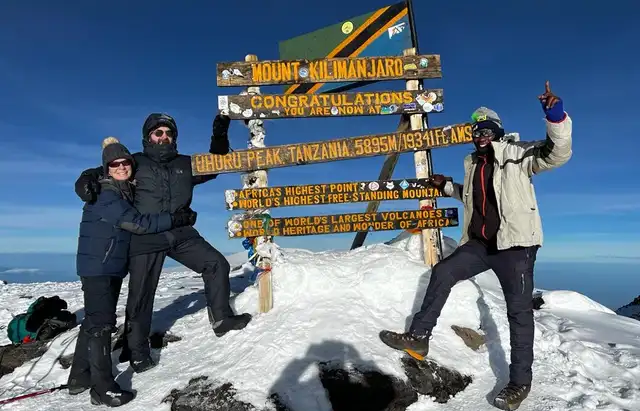
Experience a Kilimanjaro climb tour with unique zones, midnight summit, extreme weather, full support, camaraderie, and the life-changing Uhuru Peak moment.
The top things you should expect on your Kilimanjaro climb tour are a combinations of breathtaking natural diversity, physical endurance, and unforgettable human connections. As you ascend, you’ll trek through five distinct ecological zones, from lush rainforest alive with monkeys to the icy arctic summit crowned with glaciers. The golden “pole pole” rule walking slowly to acclimatize becomes your mantra, ensuring safety and success. Expect the midnight summit attempt, a grueling yet rewarding climb under the stars, culminating in sunrise at Uhuru Peak. Weather shifts dramatically, demanding resilience and preparation, while a fully-supported mobile camp adds comfort with hot meals and ready tents. The climb high, sleep low strategy aids acclimatization, while camaraderie with fellow trekkers and porters enriches the journey. Ultimately, your Kilimanjaro climb tour delivers not just a summit, but a life-changing adventure filled with pride, perseverance, and shared triumph
Best Tanzania safari packages
3-days-tanzania-safari-in-serengeti-national-park
3-days-tanzania-wildlife-safari
4-days-epic-tanzania-wildlife-and-culture-safari
5-day-kenya-and-tanzania-safari
5-days-circuit-wildlife-safari-in-tanzania
6-days-ndutu-migration-safari-calving-season
8-day-serengeti-ngorongoro-crater-and-zanzibar
8-days-wildlife-and-beach-holiday-tanzania
8-days-wildlife-safari-tanzania
9-days-zanzibar-and-wildlife-safari
10-days-uganda-and-tanzania-safari-gorillas-chimpanzees-and-wildlife
5-days-mount-kilimanjaro-marangu-route
6-days-mount-kilimanjaro-machame-route
7-day-climbing-kilimanjaro-via-the-machame-route
8-days-kilimanjaro-climbing-safari-lemosho-route-mount
9-days-kilimanjaro-climb-lemosho-route
12-days-mount-kilimanjaro-climb-and-tanzania-safari-tour
4-days-tanzania-birding-safari-to-lake-manyara-national-park
The Top Things to Expect on Your Kilimanjaro Climb Tour Adventure
Trek Through 5 Unique Ecological Zones
On a Kilimanjaro climb tour, one of the most fascinating aspects is trekking through five distinct ecological zones, each offering unique scenery and challenges. Starting in the lush rainforest between 800m–3,000m, you’ll encounter monkeys and colobus, with humid, muddy trails. As you ascend into the heath and moorland zone (3,000m–4,000m), surreal plants like giant heather and lobelia dominate the landscape. The alpine desert (4,000m–5,000m) feels lunar-like, arid, and dusty, before reaching the arctic summit above 5,000m, where glaciers and ice fields await. A Kilimanjaro climb tour showcases this dramatic transition from tropical to arctic climates, making it one of the most unique trekking experiences in the world, blending biodiversity, geology, and adventure into a single journey.
The Pole Pole Rule
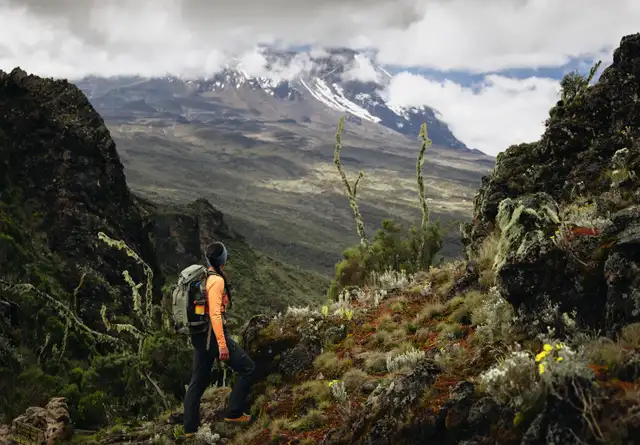
During a Kilimanjaro climb tour, you’ll hear the phrase “pole pole,” meaning “slowly, slowly” in Swahili. This golden rule is essential for acclimatization and success. Walking at a deliberately slow pace helps keep your heart rate low and allows your body to adjust to thinning air as altitude increases. On a Kilimanjaro climb tour, this discipline may feel unusual at first, but it’s the key to reaching the summit safely. Guides emphasize patience and rhythm, reminding trekkers that rushing can lead to exhaustion or altitude sickness. By embracing “pole pole,” climbers conserve energy, build endurance, and increase their chances of standing proudly at Uhuru Peak. It’s a lesson in humility and perseverance that defines the mountain experience.
The Midnight Summit Attempt
One of the most intense moments of a Kilimanjaro climb tour is the midnight summit attempt. Climbers begin around 11:00 PM or midnight, trekking for 6–8 hours in freezing darkness guided only by headlamps. This grueling ascent is both mentally and physically demanding, often considered the hardest part of the journey. On a Kilimanjaro climb tour, the reward comes at dawn when trekkers reach Uhuru Peak (5,895m) just as the sun illuminates the glaciers in golden hues. The exhaustion fades into euphoria as climbers witness breathtaking views above the clouds. This unforgettable sunrise marks the culmination of days of effort, discipline, and teamwork, making the midnight summit attempt a defining highlight of the adventure.
Extreme (and Rapid) Weather Changes
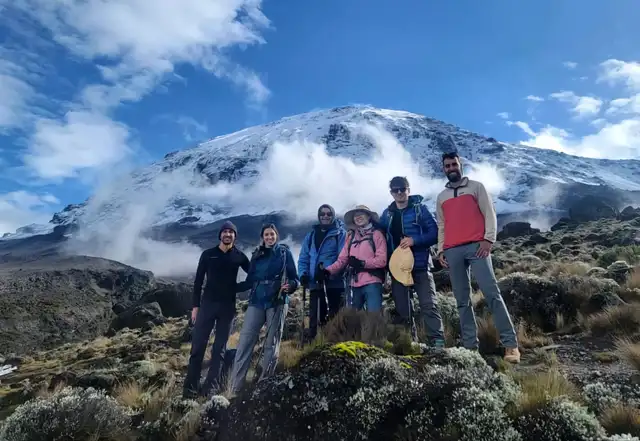
A Kilimanjaro climb tour is unpredictable because of extreme weather shifts that can occur within a single day. Climbers may start with hot sunshine in the morning, face cold rain or sleet by afternoon, and endure summit night temperatures dropping to –15°C or even –20°C with strong winds. On a Kilimanjaro climb tour, trekkers must prepare for mud, dust, sun, and snow, often all in one stretch. This rapid transition across climates demands layered clothing, waterproof gear, and resilience. The unpredictability adds challenge but also excitement, as climbers experience the mountain’s raw power firsthand. Adapting to these conditions is part of the adventure, reinforcing the importance of preparation and mental toughness throughout the journey
A Fully-Supported Mobile Camp
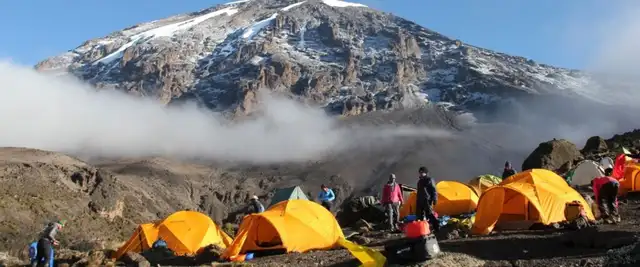
One of the most reassuring aspects of a Kilimanjaro climb tour is the fully-supported mobile camp. Unlike independent treks, you don’t carry heavy gear; instead, a large team of porters, cooks, and guidessometimes 30–50 people for a group of 12 handles logistics. On a Kilimanjaro climb tour, the crew runs ahead to set up tents, boil water, and prepare hot meals before you arrive. This surprising luxury includes fresh soup, bread, pancakes, and even fish and chips served on the mountain. The support system allows climbers to focus on the trek itself, conserving energy for altitude challenges. It’s a unique blend of rugged adventure and unexpected comfort, making the journey both manageable and memorable.
The “Climb High, Sleep Low” Strategy
A Kilimanjaro climb tour incorporates the “climb high, sleep low” strategy to help trekkers acclimatize and avoid altitude sickness. This involves ascending to high points, such as Lava Tower at 4,630m, before descending to lower camps for rest. On a Kilimanjaro climb tour, this method exposes the body to thinner air, encouraging adaptation, while recovery at lower altitudes reduces risks. Climbers may feel dizzy or develop headaches at higher points but usually feel better by bedtime. This deliberate approach is built into itineraries to maximize safety and success. It’s a practical reminder that patience and discipline are essential when tackling Africa’s highest peak, ensuring trekkers reach Uhuru Peak with confidence and resilience.
Physical and Emotional Toll
A Kilimanjaro climb tour is not a casual hike; it demands physical and emotional endurance. Expect sleepless nights due to thin air and cold, rough facilities like squat toilets or simple “bush toilets,” and challenging sections such as the Barranco Wall, where climbers scramble up steep rock faces using only hands and feet. On a Kilimanjaro climb tour, these hardships test determination but also deliver immense pride once conquered. The journey pushes trekkers beyond comfort zones, teaching resilience and teamwork. While exhaustion and discomfort are inevitable, the sense of achievement grows with each step. The challenges become part of the adventure, shaping unforgettable memories and reinforcing the mountain’s reputation as a true test of spirit.
Unbreakable Team Camaraderie
One of the most rewarding aspects of a Kilimanjaro climb tour is the camaraderie formed along the way. Despite Wi-Fi availability, climbers rarely use it, instead bonding through shared struggles and victories. On a Kilimanjaro climb tour, downtime is filled with card games, sharing snacks, singing Swahili songs with porters, and communal dinners in the mess tent. These moments of connection transform strangers into teammates, creating friendships that often last beyond the trek. The isolation from everyday distractions fosters unity, while the collective effort toward reaching Uhuru Peak builds trust and mutual respect. This unbreakable camaraderie is as memorable as the climb itself, making the journey not just about reaching the summit but about shared human experience
The “Roof of Africa” Moment
Reaching Uhuru Peak at 5,895m is the defining highlight of any Kilimanjaro climb tour. After days of endurance and the grueling midnight summit push, standing at the top brings a mix of euphoria, exhaustion, and disbelief. Many climbers cry from joy as they take in the breathtaking view of glaciers glowing in the sunrise, clouds stretching endlessly below, and even the curvature of the earth visible on the horizon. A Kilimanjaro climb tour culminates here, where the sense of achievement is overwhelming and unforgettable. To mark the accomplishment, climbers receive a certificate, a tangible reminder of conquering Africa’s highest peak. This moment is not just about reaching a summit it’s a life-changing experience that stays with you forever.
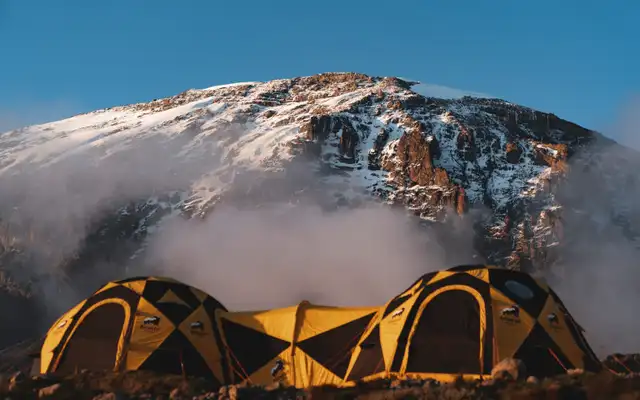
The Heroes Behind Your Success
A Kilimanjaro climb tour would not be possible without the incredible dedication of porters and guides, often referred to as the unsung heroes of the mountain. These resilient men and women carry heavy duffel bags, sometimes weighing up to 20kg, on their heads while ensuring trekkers have tents, meals, and safe passage. On a Kilimanjaro climb tour, their support transforms the journey from impossible to achievable, providing encouragement and logistical expertise at every stage. The experience concludes with a traditional tipping ceremony, where the crew sings and dances in celebration with climbers. This cultural exchange is often cited as one of the most memorable parts of the trek, highlighting the teamwork, spirit, and humanity that make the adventure truly special.
Best time to experience Kilimanjaro climb tour
January–March the Short Dry Season
This period is excellent for a Kilimanjaro climb tour because it combines clear skies with fewer crowds compared to the busier summer months. Temperatures are colder, especially at the summit, with a higher chance of encountering snow, which adds dramatic scenery for photography. A Kilimanjaro climb tour during these months is ideal for trekkers who prefer quieter trails and don’t mind braving the cold for crystal-clear views. The atmosphere is stable, visibility is superb, and summit success rates are high. While nights can be freezing, the reward is breathtaking sunrises over snow-covered glaciers, making this season particularly appealing for those seeking both solitude and stunning landscapes.
June–October the Long Dry Season
The long dry season is the most popular time for a Kilimanjaro climb tour, offering warm days, cool nights, and excellent visibility. Trails are dry and stable, making trekking conditions safer and more comfortable. This period coincides with summer holidays in Europe and North America, so expect higher crowds, especially on popular routes like Machame and Lemosho. Despite the busier trails, a Kilimanjaro climb tour during these months provides the highest summit success rates thanks to predictable weather and clear skies. September is often considered the best overall month, balancing good weather with slightly fewer climbers than July and August. For those prioritizing comfort, reliability, and success, June–October remains the prime season to tackle Africa’s highest peak
How to get there for Kilimanjaro climb tour
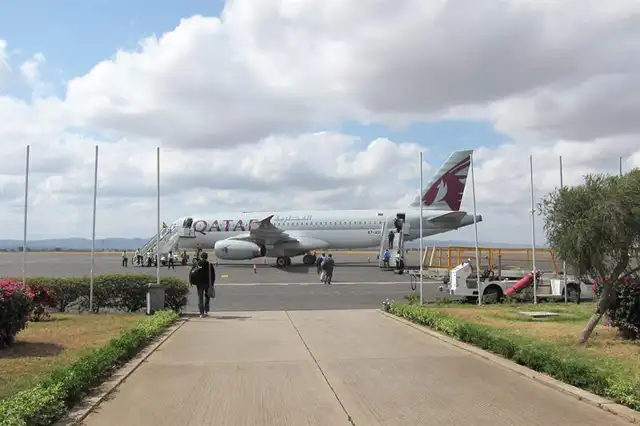
To begin your Kilimanjaro climb tour, most travelers fly into Kilimanjaro International Airport (JRO), located between Moshi and Arusha in northern Tanzania. This airport connects directly with major hubs such as Nairobi, Addis Ababa, Doha, and Amsterdam, making it accessible from both regional and international destinations. From JRO, it’s about a one-hour drive to Moshi or two hours to Arusha, the main towns where treks are organized. Alternatively, some climbers arrive via Julius Nyerere International Airport (DAR) in Dar es Salaam or Jomo Kenyatta International Airport (NBO) in Nairobi, then take a domestic flight or bus to Moshi. Once in town, your Kilimanjaro climb tour operator arranges transfers to the mountain gates, ensuring a smooth start to your adventure
What to pack for Kilimanjaro climb tour
For a Kilimanjaro climb tour, packing smart is essential because you’ll face five distinct climate zones, ranging from humid rainforest to icy summit conditions. Start with layered clothing: moisture-wicking base layers, insulating fleece or down jackets, and a waterproof shell to adapt to shifting temperatures. Sturdy, broken-in hiking boots with gaiters are crucial, along with warm gloves, hats, and summit socks. A four-season sleeping bag, trekking poles, and a reliable headlamp with spare batteries are must-haves. Don’t forget hydration gear like bottles or a bladder, purification tablets, sunscreen, lip balm, and energy snacks. Binoculars and a camera with a zoom lens enhance the experience. On a Kilimanjaro climb tour, a compact first-aid kit, blister plasters, and personal medications ensure safety, while a duffel bag carried by porters plus a daypack completes the packing list
Booking Kilimanjaro climb tour with Lamz Tours and Travel
Booking a Kilimanjaro climb tour with Lamz Tours and Travel guarantees a seamless and well-structured adventure to Africa’s highest peak. As an experienced operator, Lamz Tours and Travel handles all logistics, including permits, professional guides, porters, meals, and accommodation before and after the trek. Our itineraries are carefully designed to follow the “climb high, sleep low” strategy, maximizing acclimatization and summit success. A Kilimanjaro climb tour with Lamz Tours and Travel also emphasizes comfort, with fully supported mobile camps, hot meals, and personalized service throughout the journey. Travelers benefit from expert planning, transparent pricing, and responsible tourism practices, ensuring both safety and memorable experiences. By booking with Lamz Tours and Travel, climbers enjoy confidence, convenience, and the assurance of reaching Uhuru Peak with a trusted team by their side
Ready to plan your safari?
Talk to a Lamz Tours specialist and get a tailor-made quote.
Make an enquiry