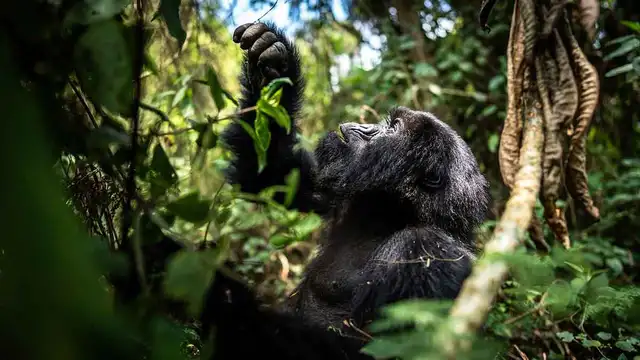
A practical guide on what to expect as you trek gorillas in Rwanda Volcanoes, covering briefing, terrain, weather, rules, guides, costs, and conservation impact.
A trek to see mountain gorillas in Rwanda’s Volcanoes National Park is one of the most meaningful wildlife experiences you can plan, and understanding what to expect helps you get the best out of it. The day starts early at Kinigi, where the atmosphere is calm but full of purpose as travelers gather for their briefing. Guides explain the rules, assign gorilla families, and prepare you for the terrain, weather, and forest conditions. This structured start sets the tone for a safe and respectful experience. Rwanda’s trekking system is known for being well‑organized, and that reliability gives visitors confidence before they step into the forest.
Once the trek begins, the landscape, altitude, and dense vegetation remind you that this is a true wilderness experience. The hike can be challenging, but the reward is powerful: an hour in the presence of a gorilla family going about their daily life. Watching a silverback rest, juveniles play, or mothers care for their young creates a strong emotional connection that stays with you long after the trek ends. Rwanda’s commitment to conservation, community involvement, and responsible tourism adds even more meaning to the experience, making gorilla trekking not just a wildlife activity but a contribution to protecting a rare species
Popular packages to Trek Gorillas in Rwanda Volcanoes
2 day Gorilla trekking safari in Rwanda
2 Days Nyungwe Chimpanzee and Canopy Walk Safari in Rwanda
3 Days Gorilla and Golden Monkey Trekking Rwanda Tour
3 Days Safari to Rwanda and Uganda Gorilla Trekking
4 Days Luxury Gorilla Tracking Rwanda Tour
4 Days Primate Safari to Rwanda with Gorillas and Chimps
5 Days in Rwanda with Gorillas and Akagera Big Five Safari
8 Days Rwanda Cultural and Primate Experience
3Days Rwanda Safari Holiday with Gorilla Trekking
12 Days Rwanda Safari in Volcanoes, Nyungwe and Akagera National Park
15 Days Great East African Safari (Rwanda, Uganda, Kenya and Tanzania)
The Top Things to Expect as You Trek Gorillas in Rwanda Volcanoes
Expect a Thorough Pre Trek Briefing
The day begins early at Kinigi Park Headquarters, where you receive a full briefing before you trek gorillas in Rwanda. This session prepares you for the rules, safety guidelines, and the behavior expected around the gorillas. You are assigned a gorilla family based on your fitness level, meet your guide and trackers, and learn the key rules such as keeping distance, avoiding flash photography, and staying calm if a gorilla moves close. Before you trek gorillas in Rwanda, you also enjoy a short cultural performance by Intore dancers, which adds a warm local touch to the morning. This briefing ensures everyone understands how to protect both the gorillas and themselves.
Expect Physical Challenge as It’s a Trek but Not a Walk
The terrain is steep, muddy, and often slippery, so you should be ready for a real workout when you trek gorillas in Rwanda. The altitude can make breathing harder, and the hike may last anywhere from one to eight hours depending on the gorillas’ location. Because the forest is dense and wet, the pace is slow but demanding. Many visitors hire a porter for support, which is helpful and also supports local communities. When you trek gorillas in Rwanda, being reasonably fit makes the experience more comfortable and enjoyable, as the forest conditions can change quickly and require steady effort.
Expect Unpredictable Weather and Conditions
The rainforest climate means you should prepare for rain, mud, and slippery roots at any time as you trek gorillas in Rwanda. Weather changes fast, so proper gear is essential waterproof boots, gaiters, gloves, and a rain jacket make a big difference. Layers help you adjust to temperature shifts, and trekking poles provided by the park offer extra stability. When you trek gorillas in Rwanda, expect wet vegetation, stinging nettles, and uneven ground, all of which are normal parts of the experience. Being well‑prepared keeps you comfortable and focused on the trek rather than the conditions.
Expect a Strict, 1 Hour Visit with the Gorillas
Once you reach the gorilla family, you have exactly 60 minutes to observe them, which is a key rule when you trek gorillas in Rwanda. This time limit protects the gorillas from stress and ensures sustainable tourism. During the hour, your guide explains their behaviors, such as feeding, grooming, playing, and the silverback’s role. The experience is structured to keep both visitors and gorillas safe. When you trek gorillas in Rwanda, this one‑hour window becomes the highlight of the day, giving you a focused and respectful wildlife experience without overstaying near the animals.
Expect Close Moments, The 7‑Meter Rule Can Shift
Although the official rule is to stay seven meters away, gorillas may move closer out of curiosity when you trek gorillas in Rwanda. Juveniles are especially playful and may approach the group, so guides instruct you to stay calm, crouch down, and avoid direct eye contact. You must never touch the gorillas, even if they come near. These moments require patience and trust in your guide’s instructions. When you trek gorillas in Rwanda, understanding how to behave during these close moments helps protect both you and the gorillas while keeping the experience safe and controlled.
Expect Emotional Impact
Many visitors describe the experience as deeply moving because of the gorillas’ calm presence and expressive behavior, which becomes clear as you trek gorillas in Rwanda. The sounds, the size of the silverback, and the gentle interactions within the family create a strong emotional response. You may feel a mix of excitement, respect, and connection as you watch them in their natural habitat. When you trek gorillas in Rwanda, these moments often stay with you long after the trek ends, giving you a deeper appreciation for conservation and the importance of protecting these animals.
Expect High Costs and Conservation Purpose
The $1,500 permit fee may seem high, but it plays a major role in conservation when you trek gorillas in Rwanda. The money supports ranger patrols, veterinary care, and anti‑poaching programs, all of which help protect the gorillas. A portion also goes to local communities, encouraging them to support conservation efforts. When you trek gorillas in Rwanda, you directly contribute to the survival of a critically endangered species. Understanding where the money goes helps travelers appreciate the value behind the cost and the long‑term impact of responsible tourism.
Expect Limited Group Sizes and Strict Health Rules
Only eight visitors are allowed per gorilla family each day, which keeps the experience controlled and safe as you trek gorillas in Rwanda. Health rules are strict because gorillas can catch human illnesses easily. If you show signs of flu or a cold, you may not be allowed to trek. Masks may be required if you have mild symptoms. These measures protect the gorillas’ health and ensure sustainable tourism. When you trek gorillas in Rwanda, these rules help maintain a safe environment for both visitors and wildlife.
Expect Fantastic Guides and Trackers
The guides and trackers are highly skilled and know the gorilla families well, which makes a big difference when you trek gorillas in Rwanda. They track the gorillas early each morning and communicate by radio to guide your group efficiently. Their knowledge of behavior, forest routes, and safety procedures ensures a smooth experience. When you trek gorillas in Rwanda, these experts help you understand what you’re seeing and keep the group safe, making their role essential to the success of the trek.
Expect a Life‑Long Memory and Sense of Responsibility
After completing the trek, you receive a certificate that marks your achievement and reminds you of the conservation effort you supported as you trek gorillas in Rwanda. Many visitors leave with a deeper sense of responsibility toward wildlife protection and a strong appreciation for Rwanda’s conservation success. The growing gorilla population shows that responsible tourism works. When you trek gorillas in Rwanda, the experience becomes more than a wildlife activity it becomes a meaningful contribution to protecting one of the world’s rarest species
Best time to go and trek gorillas in Rwanda
The best time to go and trek gorillas in Rwanda is during the dry seasons, which run from June to September and December to February. These months offer clearer trails, less mud, and better visibility inside Volcanoes National Park. Because the forest floor is drier, the hike is more manageable, and the chances of steady gorilla viewing improve. Many travelers prefer this period because the weather is more predictable, making the overall experience smoother and more comfortable. Permits are in high demand during these months, so booking early is essential.
That said, trekking is possible year‑round, and the wetter months of March to May and October to November also have advantages. Gorilla families stay closer to the lower slopes during rainy periods, which can shorten the trekking time. The forest is greener, and photography can be rewarding with softer light. However, trails are muddier and more slippery, so good gear and fitness matter more. If you’re flexible and don’t mind the rain, these months offer quieter trails and better permit availability. Ultimately, the best time depends on your comfort with weather, trail conditions, and how early you can secure your trekking permit
How to get there to trek gorillas in Rwanda
Getting to Volcanoes National Park to trek gorillas in Rwanda is straightforward, with most travelers starting their journey in Kigali. After landing at Kigali International Airport, you take a 2.5–3 hour drive to Musanze, the main town near the park. The road is fully paved, safe, and passes through Rwanda’s beautiful countryside. Many visitors use a tour operator or private transfer for convenience, but rental cars are also available. Once in Musanze, you stay overnight so you can reach the Kinigi Park Headquarters by 7:00 AM for the briefing. Whether you choose a guided transfer or self‑drive, the route is simple and well‑marked, making it easy to arrive on time and ready to trek gorillas in Rwanda
How much does it cost to trek with gorillas in Rwanda?
The cost to trek gorillas in Rwanda is $1,500 per permit, which is the standard fee set by the Rwanda Development Board. This price includes your park entry, guiding services, trackers, and one full hour with a gorilla family. While it is one of the highest permit fees in Africa, many travelers feel the cost reflects the country’s strong conservation efforts, excellent infrastructure, and highly organized trekking system. When you trek gorillas in Rwanda, part of your fee directly supports ranger patrols, veterinary care, and community projects that help protect the endangered mountain gorillas. The high price also limits visitor numbers, ensuring a calm, controlled, and responsible wildlife experience
When to go gorilla trekking in Rwanda?
The best time to trek gorillas in Rwanda is during the dry seasons, from June to September and December to February. These months offer clearer trails, less mud, and more predictable weather, making the hike easier and the viewing conditions better. However, gorilla trekking is available year‑round, and the rainy seasons can also offer advantages, such as shorter trekking distances because gorillas stay on lower slopes. If you plan to trek gorillas in Rwanda during peak months, booking permits early is essential due to high demand. Your choice depends on your comfort with weather, trail conditions, and how flexible you are with travel dates
Which country is best for gorilla trekking?
The best country depends on what you value most, but many travelers choose to trek gorillas in Rwanda for its short travel time from Kigali, well‑organized trekking system, and strong conservation record. Rwanda offers a premium, polished experience with higher costs but excellent logistics. Uganda, on the other hand, offers more affordable permits and two trekking destinations Bwindi and Mgahinga giving travelers more variety. Congo offers the lowest prices but is less stable. If your priority is convenience and a smooth, structured experience, Rwanda stands out. If budget and longer trekking options matter more, Uganda may be the better fit. Each country offers a rewarding experience with mountain gorillas
Is gorilla trekking in Rwanda worth it?
Yes, many travelers consider it absolutely worth it because when you trek gorillas in Rwanda, you get a highly organized, safe, and deeply meaningful wildlife experience. The country’s conservation success, well‑trained guides, and efficient trekking system make the visit smooth and impactful. The one hour spent with the gorillas feels powerful and personal, thanks to the small group size and the gorillas’ calm behavior. Although the permit cost is high, the quality of guiding, safety, and conservation contribution make the experience feel valuable. For travelers seeking a reliable, polished, and emotionally rich wildlife activity, gorilla trekking in Rwanda delivers strong value
Is Uganda or Rwanda better for gorilla trekking?
Choosing between Uganda and Rwanda depends on your priorities. Many travelers prefer to trek gorillas in Rwanda because the drive from Kigali to Volcanoes National Park is only 2.5 hours, making the experience easy and time‑efficient. Rwanda also offers a more structured, premium feel. Uganda, however, offers lower permit prices and more diverse trekking environments, especially in Bwindi’s dense forest. Treks in Uganda can be longer and more challenging, which some travelers enjoy. Rwanda is better for convenience and comfort, while Uganda is better for affordability and adventure. Both countries offer excellent gorilla sightings, so the best choice depends on your budget, fitness level, and travel style
Best packing list for to trek gorillas in Rwanda
A smart packing list makes your experience much easier when you trek gorillas in Rwanda, especially because the forest is wet, muddy, and unpredictable. The essentials include waterproof hiking boots with good grip, long hiking pants, a long‑sleeved shirt, and a light rain jacket for sudden showers. Gardening gloves help you move through vegetation, while gaiters protect your legs from mud and nettles. Bring a small backpack with water, snacks, insect repellent, sunscreen, and a fully charged camera or phone. A warm layer is useful for the cool morning start. Don’t forget a poncho, quick‑dry socks, and a waterproof cover for your bag. Hiring a porter is highly recommended they carry your pack and make the trek gorillas in Rwanda far more comfortable
Top places to stay in as you trek gorillas in Rwanda
Some of the top places to stay as you trek gorillas in Rwanda offer comfort, close proximity to Volcanoes National Park, and easy access to the 7:00 AM briefing point. Luxury options like Bisate Lodge, Sabyinyo Silverback Lodge, and One&Only Gorilla’s Nest provide high‑end service, private cottages, and stunning views of the volcanoes, making your preparation to trek gorillas in Rwanda smooth and relaxing. Mid‑range travelers often choose Mountain Gorilla View Lodge or Da Vinci Gorilla Lodge for comfort, good food, and quick transfers to Kinigi. Budget‑friendly choices such as La Palme Hotel and Hotel Muhabura offer clean rooms and reliable service without stretching your budget. Staying near Kinigi ensures you rest well, wake up early, and arrive on time to trek gorillas in Rwanda
Booking to trek gorillas in Rwanda with Lamz Tours and Travel
Booking to trek gorillas in Rwanda with Lamz Tours and Travel gives you a smooth, well‑organized experience from the moment you inquire until you reach the gorilla family. The team handles your permit purchase, hotel coordination, transport to Kinigi, and all timing needed for the early‑morning briefing, removing the stress that often comes with planning. Our guides know the park rules, trekking routes, and gorilla behavior well, making your day safer and more comfortable. When you trek gorillas in Rwanda with Lamz Tours and Travel, you benefit from clear communication, reliable logistics, and personalized support that matches your fitness level and preferences. This level of care ensures you focus on the experience itself rather than the planning behind it
Ready to plan your safari?
Talk to a Lamz Tours specialist and get a tailor-made quote.
Make an enquiry