Masai Mara national park safari offers Great Migration, Big Five, balloon rides, cultural visits, birding, bush picnics, sundowners, and private conservancies.
Looking for the perfect Masai Mara national park safari tour means choosing an experience that balances wildlife, culture, and comfort. The Masai Mara is one of Africa’s most celebrated reserves, famous for its open grasslands, predator density, and the annual Great Migration of wildebeest and zebras. Travelers can expect to see lions, leopards, elephants, buffalo, and rhinos alongside cheetahs, giraffes, and hundreds of bird species. Beyond wildlife, the park offers cultural visits to Maasai villages, hot air balloon rides at dawn, and sundowners in the bush. Whether you prefer budget camping, mid-range lodges, or luxury tented camps, the Masai Mara national park safari can be tailored to suit different travel styles and budgets, making it an accessible yet world-class destination.
Planning the right Masai Mara national park safari involves timing, duration, and activities that match your interests. The best wildlife viewing occurs between June and October during the dry season and migration, but shoulder months like January–February also provide unique highlights such as calving season. A stay of 4–5 days is ideal for covering the reserve and nearby conservancies, with options for full-day drives, bush picnics, and night safaris. Choosing ecofriendly lodges and supporting community-run conservancies ensures your safari contributes to conservation and local livelihoods. With careful preparation, a Masai Mara national park safari delivers not just wildlife encounters but a deeper connection to Kenya’s landscapes and culture.
Best Kenya safari tours
The Top Things to Do on Masai Mara National Park Safari Tour
Witness the Great Migration
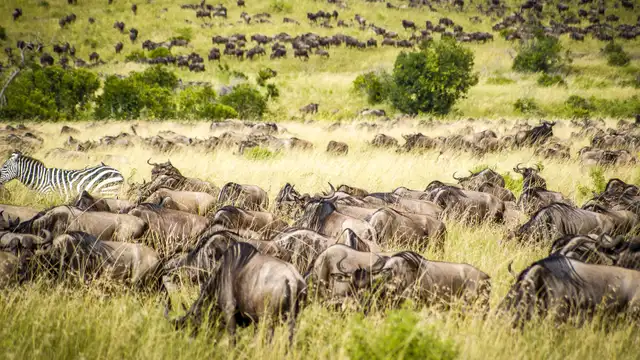
One of the most remarkable highlights of a Masai Mara national park safari is watching the Great Migration. Each year, over 1.5 million wildebeest, zebras, and gazelles move from Tanzania’s Serengeti into Kenya’s Masai Mara between July and October. The most dramatic moments happen at the Mara and Talek Rivers, where herds cross crocodile-filled waters in a life-or-death struggle. The sheer scale of animals moving together is unmatched anywhere else. A Masai Mara national park safari during this season offers travelers the chance to see nature at its most raw, with predators waiting nearby and herds pushing forward in massive numbers. Timing your visit to coincide with the migration ensures you experience one of the world’s greatest wildlife spectacles.
Take a Hot Air Balloon Safari at Dawn
A Masai Mara national park safari can be made even more special by taking a hot air balloon ride at sunrise. Floating above the plains for about an hour, you’ll see herds of animals moving below and the landscape waking up with the first light. The experience is calm and offers a unique perspective compared to game drives. After the flight, many tours include a bush breakfast served in the open savannah, adding comfort to the adventure. A Masai Mara national park safari with a balloon ride is perfect for travelers who want to see the reserve from a different angle, capturing wide views and appreciating the scale of the wildlife and land. It’s a peaceful highlight worth considering.
Track the Big Five
Spotting the Big Five is a major goal during a Masai Mara national park safari. The reserve is home to lions, leopards, elephants, buffalo, and the elusive black rhino. Lions are often seen in prides across the grasslands, while leopards rest in acacia trees, making them easier to spot here than in many other parks. Elephants and buffalo roam in large numbers, and with luck, you may see a rhino. A Masai Mara national park safari offers one of the best chances in Africa to see all five in one area. Guides use their expertise to track these animals, ensuring visitors maximize their chances of sightings during daily drives.
Visit a Maasai Village at Manyatta
A Masai Mara national park safari is not only about wildlife but also about culture. Visiting a Maasai village, known as a Manyatta, gives travelers insight into the traditions of the Maasai people. Guests are welcomed with dances, shown around homes built from mud and grass, and introduced to customs that have been preserved for generations. There’s also the chance to buy handmade crafts directly from artisans, supporting the community. A Masai Mara national park safari that includes a cultural visit adds depth to the experience, helping travelers understand the human connection to the land. It’s a respectful way to learn and contribute to local livelihoods.
Enjoy Sundowners in the Bush
Ending the day with sundowners is a classic part of a Masai Mara national park safari. Guides set up a small table in a scenic spot as the sun sets, serving drinks such as gin and tonic or local beer. Watching the sky change colors while animals move across the plains creates a calm and memorable moment. A Masai Mara national park safari is not only about game drives but also about enjoying the atmosphere of the reserve. Sundowners provide a chance to relax, reflect on the day’s sightings, and appreciate the beauty of the African landscape in a simple yet meaningful way.
Go on a Full-Day Game Drive with a Bush Picnic
A Masai Mara national park safari often includes half-day drives, but opting for a full-day game drive with a bush picnic allows deeper exploration. Instead of returning to camp for lunch, travelers carry packed meals and spend the entire day in remote areas, such as near the Mara River or less-visited conservancies. This maximizes wildlife viewing time and increases chances of spotting rare behaviors. A Masai Mara national park safari with a bush picnic also adds adventure, as eating in the wild surrounded by nature is part of the fun. It’s a practical way to see more while enjoying flexibility and variety.
Focus on Big Cats and Predators
The Masai Mara is famous for its predator population, making a Masai Mara national park safari ideal for big cat lovers. Lions are seen in large prides, leopards often rest in trees, and cheetahs hunt across open plains. Hyenas and jackals also play important roles in the ecosystem. A Masai Mara national park safari gives travelers exceptional opportunities to observe predator behavior, from hunting to caring for cubs. The density of these animals makes sightings frequent, and guides know the best areas to find them. For photographers and wildlife enthusiasts, focusing on predators is one of the most rewarding aspects of the park.
Bird Watching with Over 470 Species
Bird lovers will find a Masai Mara national park safari rewarding, with over 470 species recorded. Even casual visitors enjoy spotting ostriches, secretary birds, colorful lilac-breasted rollers, and powerful raptors like the martial eagle. Vultures are also common, often seen near predator kills. A Masai Mara national park safari offers variety beyond mammals, adding another layer of interest to the landscape. Birdwatching can be done during drives or while relaxing at camp, as many species are visible throughout the day. The diversity of birds ensures that every safari includes vibrant sightings, making it a valuable addition to the overall experience.
Stay at a Tented Camp or Lodge with a View
Accommodation plays a big role in shaping a Masai Mara national park safari. Staying at a tented camp or lodge with a view of the plains or riverbanks enhances the experience. Waking up to sounds of hippos or seeing animals graze nearby adds to the safari atmosphere. Camps range from budget to ultra-luxury, with many offering waterholes that attract wildlife throughout the day. A Masai Mara national park safari is not just about drives but also about enjoying downtime at your lodge. Choosing accommodation with a good location ensures you remain connected to the wildlife even when not out exploring.
Explore the Private Conservancies
For travelers seeking exclusivity, private conservancies around the reserve are a great addition to a Masai Mara national park safari. Conservancies such as Mara North, Olare Motorogi, and Naboisho limit vehicle numbers, creating a quieter experience. They also allow activities not permitted in the main reserve, including night drives and guided bush walks. A Masai Mara national park safari in a conservancy provides flexibility, privacy, and closer interaction with nature. These areas are community-owned, meaning visits support local people while offering travelers more freedom. Choosing conservancies ensures a more intimate safari with fewer crowds and unique activities.
Walking Safari in Conservancies
A Masai Mara national park safari can be enhanced by guided walking safaris in private conservancies. Unlike vehicle drives, walking allows you to experience the bush at ground level, noticing tracks, plants, and smaller animals often missed from cars. Trained guides and rangers ensure safety while sharing knowledge about the ecosystem. This activity provides a slower, more detailed look at the environment, making it a great complement to game drives. A Masai Mara national park safari with walking tours is ideal for travelers who want a more intimate connection with nature and enjoy learning about the smaller details of the wilderness.
Night Game Drives
Adding night drives to a Masai Mara national park safari opens up a completely different side of the reserve. Conducted in private conservancies, these drives use spotlights to reveal nocturnal animals such as civets, bush babies, hyenas, and even lions on the hunt. The cooler hours bring out species rarely seen during the day, offering a unique perspective on predator-prey dynamics. A Masai Mara national park safari with night drives is perfect for travelers who want to extend their wildlife viewing beyond daylight hours. It’s an exciting way to diversify your safari experience and witness behaviors that remain hidden during regular game drives.
Photography Safaris
A Masai Mara national park safari is a dream for photographers, and specialized photography safaris make the most of it. Vehicles are often adapted with fewer seats, giving more space for equipment and better angles. Guides focus on positioning for light and composition, ensuring travelers capture the best shots of wildlife and landscapes. Whether you’re a beginner or experienced, the Mara’s predator density and migration scenes provide endless opportunities. A Masai Mara national park safari tailored for photography helps travelers return with professional-quality images and memories that last. It’s an excellent choice for those who want to combine wildlife viewing with creative expression.
Horseback Safaris
For adventurous travelers, horseback riding in conservancies adds a unique twist to a Masai Mara national park safari. Riding alongside zebras, giraffes, and antelopes offers a different perspective, as animals often react less to horses than vehicles. Experienced guides lead these safaris, ensuring safety while exploring open plains. A Masai Mara national park safari on horseback allows closer interaction with wildlife and a sense of freedom not possible in vehicles. It’s best suited for confident riders seeking a more active and unusual way to experience the reserve while still enjoying the thrill of being surrounded by Africa’s wildlife.
Bush Dining Experiences
A Masai Mara national park safari can include bush dining, where meals are served outdoors in carefully chosen spots. Breakfasts at sunrise, lunches under acacia trees, or dinners by lantern light create memorable moments. These setups are safe, organized by lodges or camps, and often feature freshly prepared local and international dishes. A Masai Mara national park safari with bush dining adds comfort and atmosphere to the adventure, letting travelers enjoy good food while surrounded by nature. It’s a simple yet rewarding way to combine relaxation with the safari experience, making mealtimes part of the highlights of the trip
Best time to experience Masai Mara national park safari
The best time to experience a Masai Mara national park safari is during the dry season from June to October, when wildlife viewing is at its peak and the Great Migration takes place. Shoulder months like January–February and November also offer excellent opportunities with fewer crowds and lower costs.From June to October, the Masai Mara national park safari is at its most rewarding. This dry season brings thinner vegetation, making animals easier to spot as they gather around rivers and waterholes. It is also the period when the Great Migration unfolds, with millions of wildebeest, zebras, and gazelles crossing into the Mara from the Serengeti. The dramatic river crossings between July and September are a highlight, attracting predators and offering unmatched wildlife action. Because this is peak season, prices are higher, and accommodations fill quickly, so early booking is essential
For travelers seeking fewer crowds and moderate costs, the shoulder seasons of January–February and November are excellent alternatives. January and February coincide with calving season, when thousands of wildebeest give birth in the southern plains, drawing predators and offering unique wildlife interactions. November brings short rains, but they are usually brief and do not disrupt game drives significantly. These months provide a balance between affordability and quality wildlife viewing, making them ideal for those who want a Masai Mara national park safari without the expense and busyness of peak season
How to get to Kenya for Masai Mara national park safari
Masai Mara national park safari starts with a flight into Kenya, usually landing at Jomo Kenyatta International Airport (NBO) in Nairobi, the country’s main international gateway. From here, travelers can connect to domestic flights operated by local airlines such as Safarilink or AirKenya, which fly directly to airstrips inside the Masai Mara including Keekorok, Ol Kiombo, and Musiara. These flights take about 45 minutes and save hours compared to road transfers, offering convenience and stunning aerial views of the Great Rift Valley and savannah. For those with limited time or seeking comfort, flying is the most efficient way to begin a Masai Mara national park safari.
Alternatively, a Masai Mara national park safari begins with a road transfer from Nairobi, which takes about 5–6 hours depending on traffic and road conditions. This option is more affordable and allows travelers to see rural Kenya along the way, passing through towns and countryside before reaching the reserve. Many budget and mid-range safari packages include road transport as part of the itinerary. While the drive can be long and dusty, it offers a chance to experience the landscape at ground level. Some travelers choose to combine both options flying one way and driving the other to balance cost, comfort, and experience
How many days are enough for Masai Mara national park safari
For most travelers, 4 to 5 days are enough for a Masai Mara national park safari, as this duration allows you to enjoy multiple game drives, explore different areas of the reserve, and increase your chances of seeing the Big Five and other wildlife. With 2–3 days, you can still experience the highlights, but the pace may feel rushed, especially if you want to witness the Great Migration or visit nearby conservancies. Longer stays of 6–7 days are ideal for those seeking a deeper experience, combining cultural visits, hot air balloon rides, and extended drives into remote corners. Overall, a Masai Mara national park safari of 4–5 days strikes the right balance between cost, comfort, and maximizing wildlife viewing opportunities
What is the expected cost for Masai Mara national park safari
The expected cost for a Masai Mara national park safari ranges from about $350 per person for a budget 3-day group safari to $1,500 or more per person for a luxury package of similar duration. Prices vary depending on accommodation type, transport (road vs. flight), season, and inclusions such as park fees, meals, and guided drives. Entry fees alone for non-residents are currently $200 per adult for a 12-hour ticket or $400 for 24 hours, while children aged 9–17 pay $50 for 12 hours and $100 for 24 hours. Vehicle rentals add $80–$350 per day, and lodging ranges from under $100 per night in budget camps to $400–$1,000+ in luxury lodgesmasaimara.ke. Overall, travelers should budget carefully, as costs can rise significantly with added activities like hot air balloon rides.
How to act ecofriendly on Masai Mara national park safari
To act ecofriendly on a Masai Mara national park safari, focus on minimizing your impact while supporting conservation. Choose lodges or camps that practice sustainability, such as using solar power, recycling, and supporting local communities. Carry a reusable water bottle instead of buying plastic, and avoid single-use items. Stick to designated tracks during game drives to protect vegetation and reduce soil erosion. Respect wildlife by keeping a safe distance, lowering noise, and never feeding animals. A Masai Mara national park safari also becomes more ecofriendly when you support community-run conservancies, which balance tourism with local livelihoods. By being mindful of your choices, you help preserve the park’s ecosystem and ensure future generations can enjoy its wildlife and landscapes
What things to bring for Masai Mara national park safari tour
Preparing for a Masai Mara national park safari tour, needs practical packing of essentials that ensure comfort and readiness for the bush. Neutral-colored clothing is best for blending into the environment, along with a wide-brim hat, sunglasses, and sunscreen to protect against the sun. A sturdy pair of walking shoes, insect repellent, and a reusable water bottle are important for daily activities. Bring a good camera with extra memory cards and binoculars to capture wildlife moments. A small backpack helps carry personal items during game drives, while a light jacket is useful for cool mornings and evenings. Don’t forget travel documents, park entry permits, and any necessary medications. These items make your Masai Mara national park safari tour smooth, safe, and enjoyable.
Best places to stay in during Masai Mara national park safari
The best places to stay during a Masai Mara national park safari range from budget-friendly camps to ultra-luxury lodges, each offering unique experiences. Options include Mara Serena Safari Lodge, known for panoramic views over the plains, and Governors’ Camp, a classic tented camp with a rich safari history. For luxury, Angama Mara sits high above the reserve with breathtaking views and world-class service, while Mahali Mzuri, owned by Sir Richard Branson, provides stylish tented suites in a private conservancy. Mid-range choices like Basecamp Explorer and Mara Intrepids Camp balance comfort and affordability, making them popular with families and couples. Whether you prefer rustic camping, mid-range lodges, or luxury tented camps, your choice of accommodation shapes the atmosphere and convenience of your Masai Mara national park safari
Why book Masai Mara national park safari with Lamz Tours and Travel
Booking a Masai Mara national park safari with Lamz Tours and Travel guarantees a well-organized, authentic, and value-driven experience tailored to your needs. With deep expertise in East African travel, Lamz Tours and Travel designs itineraries that balance wildlife viewing, cultural visits, and comfort, whether you prefer budget camps, mid-range lodges, or luxury tented stays. Our team prioritizes responsible tourism by supporting local communities and conservation efforts, while ensuring transparent pricing and clear inclusions such as park fees, accommodation, meals, and guided drives. Choosing Lamz Tours and Travel for your Masai Mara national park safari means enjoying professional service, reliable logistics, and flexible options like combining the Mara with other destinations such as Serengeti or Ngorongoro Crater, making your safari both meaningful and memorable
Ready to plan your safari?
Talk to a Lamz Tours specialist and get a tailor-made quote.
Make an enquiry