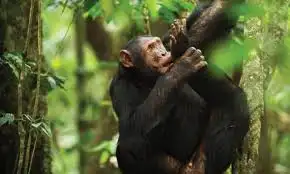
Top things to do in Akagera National Park on a Rwanda Safari include game drives, boat trips, bird watching, Big Five viewing and night drives.
Akagera National Park in eastern Rwanda offers a balanced mix of savannah, lakes, and wildlife experiences that make every visit rewarding. A Rwanda Safari here includes game drives, boat safaris, bird watching, and chances to see the Big Five in their natural habitat. The park’s changing landscapes and rich biodiversity create steady wildlife activity throughout the year. It is one of Rwanda’s most complete safari destinations for nature and wildlife lovers.
Our Best Safaris on a Rwanda Safari.
2 Days Gorilla Trekking Safari to Bwindi National Park
3 Days Chimpanzee Trekking Safari in Nyungwe Forest, Rwanda
4 Days Nyungwe Forest National Park and Lake Kivu Safari
5 Days Rwanda Gorilla and Akagera Wildlife Safari
6 Days Rwanda Safari with Gorilla Trekking and Wildlife
7 Days Cultural and Gorillas Experience In Rwanda
8-Day Rwanda Attractions Combined with Uganda Safari Tours and Gorillas
9-Day Gorilla Trekking Rwanda, Lake Kivu, and Uganda Wildlife Tours
10 Days Birding and Primates Safari in Rwanda
11-Day Rwanda Gorilla Safari with Uganda Safari to Kidepo and Murchison Falls
Enjoy a Classic Game Drive
A game drive in Akagera National Park is one of the main ways to experience Rwanda’s only savannah park and observe wildlife moving freely across open landscapes. Rwanda Safari takes visitors through grasslands, lakeshores, rolling hills, and woodland areas where animals live in natural conditions. Guided drives often reveal giraffes feeding on acacia trees, zebras moving in herds across plains, buffaloes gathering near water, and elephants crossing slowly between habitats. With some patience, lions and leopards may also be seen resting or moving through tall grass. Early morning drives are best for active wildlife, while late afternoon offers softer light for clear viewing and photography. Guides explain animal behaviour, feeding patterns, and how conservation work has helped restore wildlife populations in the park over time. Each route can bring different sightings depending on weather, season, and movement of animals. The experience changes from moment to moment, making it engaging throughout the journey. A game drive remains a central part of Rwanda Safari.
2. Take a Boat Safari on Lake Ihema
A boat safari on Lake Ihema offers a calm way to view wildlife from water level. Rwanda Safari becomes more varied when visitors move across the lake and observe hippos resting in groups near the surface and crocodiles lying quietly along the muddy banks. The lake supports many bird species such as kingfishers, fish eagles, herons, and cormorants, which can be seen feeding or flying low over the water. The surrounding hills and vegetation reflect clearly on the surface, creating wide views of the landscape. Guides explain the role of wetlands in supporting fish, birds, and larger animals that depend on water systems. Morning and evening boat trips are often preferred due to gentle light and increased wildlife activity. The slower pace allows visitors to notice behaviour that is not always visible from land safaris. It also provides a break between driving activities inside the park. Many travellers appreciate this change in setting during Rwanda Safari.
3. Search for the Big Five
Searching for the Big Five in Akagera National Park is one of the most anticipated parts of a visit. Rwanda Safari gives travellers the chance to look for lions, leopards, elephants, rhinos, and buffaloes across different parts of the park. Experienced guides track movement, check signs, and use recent sightings to improve chances of finding these animals. While seeing all five in one outing is not guaranteed, the search itself creates continuous interest throughout the drive. Along the way, visitors also encounter giraffes, zebras, antelopes, warthogs, baboons, and many bird species moving across open areas. Each sighting provides insight into how animals share space within the ecosystem. Conservation efforts have played a major role in restoring these species after past decline. Observing them in natural behaviour helps visitors understand how the park functions as a protected environment. Every attempt to locate these animals adds meaning to the experience. Tracking them remains an important part of Rwanda Safari.
4. Go Bird Watching
Bird watching in Akagera National Park is rewarding due to the wide range of species found in wetlands, lakes, woodlands, and grasslands. Rwanda Safari is suitable for visitors interested in observing birds such as African fish eagles, kingfishers, herons, crowned cranes, rollers, and weavers across different habitats. Swamp areas may also support rare species like the shoebill stork. Guides assist in identifying birds through calls, colour patterns, feeding habits, and movement behaviour. Early morning hours are best because birds are active and lighting conditions are gentle for viewing. Even visitors with little birding experience often enjoy the variety seen throughout the park. Each habitat supports different species, making every stop along the route unique. Photography is common due to close viewing opportunities and natural backgrounds. The activity offers a slower pace compared to game drives while still providing rich wildlife observation. Bird watching adds balance to the overall experience of Rwanda Safari.
5. Experience a Night Drive
A night drive in Akagera National Park gives a different view of wildlife activity after sunset. Rwanda Safari continues into the evening when guides use spotlights to search for animals that are active at night. Species such as hyenas, civets, genets, bush babies, owls, and sometimes leopards may be seen moving through the bush. The sounds of insects, distant calls, and rustling grass become more noticeable in the quiet surroundings. With fewer vehicles in the park, the atmosphere feels still and undisturbed. Guides explain how animals adapt to darkness, including hunting behaviour and movement patterns. Clear skies often reveal stars above the open landscape, adding to the setting. Each movement or sound requires attention, making observation more focused than during daytime drives. The activity offers a different understanding of animal life within the park. Night drives remain a distinct part of Rwanda Safari.
6. Visit the Park Reception Area
The reception area of Akagera National Park is where all visits begin before entering the park. Rwanda Safari starts here with registration, briefing, and guidance from park staff. Visitors receive information on routes, safety rules, driving conditions, and expected wildlife behaviour inside the park. Maps and explanations help plan movements depending on time available and interests. The area also provides background on how the park was restored after years of wildlife decline. Rangers and staff explain conservation work, anti-poaching measures, and community involvement in protecting wildlife. It is also a place to prepare cameras, binoculars, water, and other essentials before setting off. Understanding park layout and rules helps ensure a smooth visit. This preparation stage is important for organising the rest of the day’s activities. It marks the formal beginning of Rwanda Safari.
7. Spend Time at Viewing Points
Viewing points in Akagera National Park allow visitors to pause and observe wide areas of land and water. Rwanda Safari includes stops where grasslands, lakes, and hills can be seen from elevated positions. These breaks are useful for resting between drives and taking photographs of the surroundings. Light changes during the day affect how the landscape appears, especially in morning and evening hours. Guides often use these stops to explain animal movement patterns across territories. Birds may be seen flying over water or resting in nearby trees. The quiet environment allows visitors to take in the setting without movement or noise from vehicles. Many travellers use this time to reflect on the size and variety of the park. These pauses also help balance driving time with observation. Viewing points remain a steady part of Rwanda Safari.
8. Observe Wetland Areas
Wetland areas in Akagera National Park support many forms of wildlife and plant life. Rwanda Safari includes visits to marshes and swamps where hippos, birds, and reptiles are commonly found. These habitats play an important role in maintaining water systems and supporting biodiversity within the park. Birds such as herons, egrets, and kingfishers are often seen feeding along the edges of water. Guides explain how wetlands filter water, support fish populations, and provide feeding areas for larger animals. The environment is usually calm, with steady movement of wildlife near water sources. Early morning is often active with bird calls and feeding behaviour. Visitors notice how different this habitat feels compared to open savannah areas. It adds variety and balance to the overall park experience. Wetlands remain an important part of Rwanda Safari.
9. Learn About Park History
The history of Akagera National Park helps visitors understand how the park has changed over time. Rwanda Safari includes learning about how wildlife numbers declined in the past and were later restored through conservation programmes. Efforts involved reintroducing key species, improving protection, and working with surrounding communities. Rangers play a central role in monitoring wildlife and preventing illegal activities. Educational information explains how tourism supports funding for conservation work. Seeing animals today reflects years of planning, protection, and recovery efforts. Visitors gain a clearer understanding of how ecosystems can be rebuilt with consistent management. This background adds meaning to wildlife sightings during the trip. It also shows the relationship between people, conservation, and nature. Understanding this history is part of the wider experience of Rwanda Safari.
10. Take Breaks at Rest Areas
Rest areas in Akagera National Park provide places for visitors to pause during long game drives. Rwanda Safari includes stops where travellers can eat, rest, and prepare for the next part of the journey. These areas are usually quiet, with views of grasslands, trees, or water nearby. They help break up long hours spent driving through different sections of the park. Guides often use these pauses to review sightings and explain animal behaviour observed earlier. Birds and smaller wildlife may also be seen around the resting points. The calm setting allows visitors to recover energy before continuing activities. It also provides time to check equipment such as cameras and binoculars. These breaks help make the safari more comfortable and manageable over the day. Rest areas remain a useful part of Rwanda Safari.
Best Time for Rwanda Safari in Akagera National Park
The best time to visit Akagera National Park for a Rwanda Safari is during the dry seasons from June to September and December to February, when travelling inside the park is easier and wildlife viewing is generally more reliable. During these months, animals tend to gather around rivers, lakes, and waterholes, which increases the chances of spotting large mammals during game drives. Roads are also less muddy, making movement smoother across different sections of the park. Early mornings and late afternoons are especially productive because temperatures are cooler and animals are more active during these hours. The wet seasons from March to May and October to November bring greener vegetation and excellent bird watching opportunities, although some tracks may become slippery and more challenging to use. Despite seasonal differences, the park remains open throughout the year. Choosing the right time depends on whether you prefer easier game viewing or richer birdlife and lush scenery. Planning your visit well improves comfort, access, and overall enjoyment of your Rwanda Safari in Akagera National Park experience.
How to Get to Rwanda Safari in Akagera National Park
Akagera National Park is located in eastern Rwanda and is about two and a half to three hours by road from Kigali, making it easily reachable for a Rwanda Safari. Most visitors travel using private vehicles, organised safari tours, or transfers arranged by tour operators. The journey from Kigali passes through rolling countryside, small towns, and agricultural areas before reaching the park’s southern gate near Kayonza. Roads leading to the park are generally in good condition, which makes the trip comfortable for both local and international travellers. Many safari companies include hotel pick-up and drop off in Kigali, which simplifies the entire journey and removes the need for self navigation. Public transport is available to nearby towns but is not suitable for entering the park itself, so guided or private transport is strongly recommended. On arrival, visitors complete check-in at the reception area before beginning activities such as game drives or boat safaris. The gradual transition from city to rural landscapes and finally to wildlife territory is part of what makes the Rwanda Safari in Akagera National Park journey enjoyable and well paced.
What to Carry for Rwanda Safari in Akagera National Park
When preparing for a visit to Akagera National Park, packing the right items is important for a comfortable Rwanda Safari. Light, breathable clothing in neutral colours such as khaki, beige, or olive is recommended, as it blends well with the natural environment and reduces attraction to insects. A wide-brim hat, sunglasses, and sunscreen are essential for protection against the sun during long hours in the open savannah. Binoculars are very useful for spotting animals and birds at a distance, especially during game drives. A camera or smartphone with good zoom helps capture wildlife moments clearly. Drinking water should always be carried, as you may spend several hours inside the park without access to shops. Light snacks can also be helpful during long drives. A light jacket is advisable for early morning and evening game drives when temperatures can drop slightly. Comfortable walking shoes are recommended for short stops or designated walking areas. Insect repellent is also useful, particularly near wetlands and water bodies. Proper preparation ensures comfort, focus, and enjoyment throughout your Rwanda Safari in Akagera National Park experience.
Where to Stay for Rwanda Safari in Akagera National Park
Accommodation around Akagera National Park offers a wide range of options suitable for different budgets during a Rwanda Safari. Inside the park, luxury lodges provide comfortable rooms, meals, and direct access to game drive routes, often with views of lakes or open plains where wildlife can be seen nearby. These lodges are ideal for early morning and evening activities without long travel times. Mid-range lodges and guesthouses are available in nearby towns such as Kayonza, offering more affordable yet comfortable stays. Budget travellers can also find simple accommodation options outside the park, although they may require early travel to reach game drive start points. Booking in advance is strongly recommended, especially during peak travel seasons when availability inside the park is limited. Many safari packages include accommodation, meals, and guided activities for convenience and better planning. Staying closer to the park improves access to key wildlife viewing times. Choosing the right accommodation depends on comfort level, budget, and travel preferences. A suitable place to stay adds ease and structure to your Rwanda Safari in Akagera National Park experience.
Health and Safety for Rwanda Safari in Akagera National Park
Visiting Akagera National Park requires following basic health and safety guidelines to ensure a smooth and enjoyable Rwanda Safari. Visitors must remain inside safari vehicles during game drives unless instructed otherwise by guides or rangers, as wildlife is unpredictable and must be observed from a safe distance. Drinking bottled or treated water is recommended to stay hydrated throughout the day. Sun protection, including hats, sunscreen, and light clothing, helps prevent heat exposure during long hours outdoors. Malaria precautions may be advised depending on medical guidance before travel to Rwanda. Park roads can sometimes be uneven, so careful driving and patience are important. First aid support is available from trained rangers in case of minor issues. Wildlife should never be fed or approached, as this can be dangerous for both visitors and animals. Listening carefully to guide instructions ensures safety and improves the overall experience. Following these rules protects both people and nature, making your Rwanda Safari in Akagera National Park safer and more enjoyable.
Why Book Rwanda Safari in Akagera National Park with Lamz Tours and Travel
Booking your visit to Akagera National Park with Lamz Tours and Travel ensures a well organised and comfortable Rwanda Safari experience from start to finish. The company handles transport, park entry, accommodation arrangements, and guided game drives, allowing travellers to focus fully on enjoying the journey. Experienced guides understand animal movement patterns and help increase chances of meaningful wildlife sightings during drives. They also provide clear explanations about animal behaviour, habitats, and conservation efforts within the park. Lamz Tours and Travel creates customised itineraries based on budget, travel style, and available time, whether for individuals, couples, or groups. Local knowledge helps in selecting the best routes and timing for game drives and other activities. Support is available before and during the trip to ensure smooth coordination and quick assistance when needed. This level of organisation reduces stress and improves overall travel comfort. Choosing a reliable operator adds structure and confidence to your visit. Professional planning enhances the quality of your Rwanda Safari in Akagera National Park experience.
Ready to plan your safari?
Talk to a Lamz Tours specialist and get a tailor-made quote.
Make an enquiry