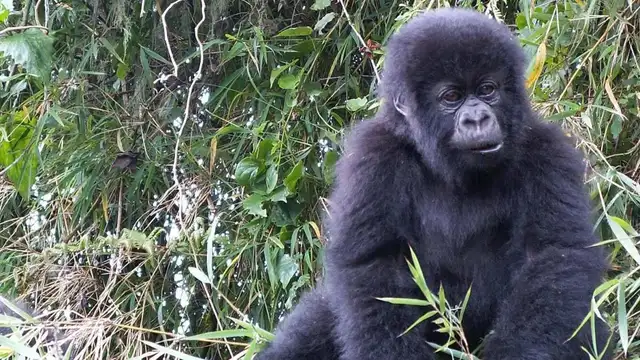
Top reasons gorillas charge during Rwanda gorilla trekking, from eye contact to loud noise, with clear guidance to stay safe and respect silverback behavior.
Find everything you need to understand about what causes gorillas to charge during Rwanda gorilla trekking, a topic every traveler should know before stepping into Volcanoes National Park. Gorilla trekking is safe when rules are followed, but these powerful animals rely on clear signals to protect their families. Knowing what triggers defensive behavior helps you stay calm, respectful, and fully prepared for the experience. From body language to noise levels, each action you take influences how comfortable the gorillas feel around you. This awareness not only keeps you safe but also supports responsible tourism and conservation efforts.
Rwanda gorilla trekking offers an incredible chance to observe mountain gorillas up close, but it also requires discipline and understanding of their natural instincts. Silverbacks lead their families with strong protective behavior, and certain movements or sounds can be misread as threats. Learning these triggers helps you move confidently through the forest and enjoy your hour with the gorillas without causing stress to the group. With guidance from trained trackers and a respectful approach, your trek becomes smoother, safer, and more meaningful. This introduction prepares you for a deeper look into the key behaviors that help maintain harmony between visitors and these remarkable primates
Best Rwanda gorilla trekking packages
3 Days Gorilla Trekking Safari in Rwanda
3 Days Chimpanzee Trekking Safari in Nyungwe Forest, Rwanda
4 Days Nyungwe Forest National Park and Lake Kivu Safari
4 Days Golden monkeys And Gorilla Trekking Safari
5 Days Amboseli and Tsavo West Wildlife Safari
6 Days Mount Kilimanjaro Machame Route
8 Day Serengeti, Ngorongoro Crater and Zanzibar
The Top things that causes gorillas to charge during Rwanda gorilla trekking
Direct Eye Contact
Prolonged staring is one of the fastest ways to trigger a defensive reaction during Rwanda gorilla trekking because gorillas read direct eye contact as a challenge. Guides always advise visitors to use soft, sideways glances to show respect and reduce tension. When you hold a gorilla’s gaze for too long, the silverback may feel the need to protect his group, especially if he senses uncertainty or fear. Rwanda gorilla trekking focuses on calm behavior, and avoiding direct eye contact helps maintain a peaceful atmosphere. Keeping your head slightly lowered and your eyes relaxed shows the gorillas that you are not a threat, which greatly reduces the chance of a charge.
Getting Too Close
Breaking the 7‑meter rule is one of the biggest triggers during Rwanda gorilla trekking because gorillas value their personal space. When visitors move too close, the silverback may react quickly to defend his family. Rwanda gorilla trekking guidelines are designed to keep both humans and gorillas safe, and distance is a major part of that safety. Even if a gorilla approaches you, you must stay still and avoid leaning forward or reaching out. Moving closer on your own can be seen as disrespectful or threatening. Keeping the proper distance helps the gorillas stay relaxed and allows you to enjoy the experience without causing stress to the group.
Sudden Movements or Running
Fast movements can trigger a predator‑prey instinct, making gorillas react defensively during Rwanda gorilla trekking. Running is especially dangerous because it signals fear and can cause the silverback to charge to regain control of the situation. Rwanda gorilla trekking rules emphasize slow, steady actions to show the gorillas that you are calm and predictable. If a gorilla approaches, the correct response is to stand still, crouch slowly, and look away. Quick gestures, waving arms, or stumbling can create confusion and tension within the group. Staying composed helps the gorillas feel secure and reduces the chance of a defensive reaction.
Making Loud Noises
Noise is a major trigger during Rwanda gorilla trekking because gorillas rely on sound to detect danger. Loud talking, shouting, or sudden noises can startle the group and make them feel threatened. Rwanda gorilla trekking requires visitors to speak softly or remain silent when near the gorillas to maintain a peaceful environment. Loud sounds can interrupt feeding, resting, or grooming, causing the silverback to react protectively. Keeping your voice low and avoiding unnecessary noise helps the gorillas stay calm and allows you to observe their natural behavior without causing stress or agitation.
Blocking a Movement Path
Gorillas always have the right of way, and blocking their path can lead to a charge during Rwanda gorilla trekking. When a gorilla wants to move, standing still in its route can be seen as a challenge or obstacle. Rwanda gorilla trekking guides teach visitors to step aside slowly and calmly whenever the group is on the move. Gorillas expect space to pass freely, and failing to give way may force the silverback to assert dominance. Clearing the path respectfully shows that you understand their behavior and helps maintain a safe and smooth experience for everyone.
Flash Photography
Flash photography is strictly prohibited during Rwanda gorilla trekking because the sudden burst of light can frighten or confuse the gorillas. A flash may cause the silverback to think there is danger, leading to a defensive charge. Rwanda gorilla trekking encourages natural‑light photography to avoid disturbing the group. Even accidental flashes can create tension, so visitors must double‑check their camera settings before approaching the gorillas. Respecting this rule helps protect the animals and ensures that your presence does not disrupt their natural environment or behavior.
Appearing Threatening
Raising your arms, pointing, or holding objects in a way that looks aggressive can provoke a charge during Rwanda gorilla trekking. Gorillas are sensitive to body language, and anything that resembles a threat may cause the silverback to react. Rwanda gorilla trekking guides teach visitors how to maintain a relaxed posture, keep their arms low, and avoid sudden gestures. Even simple actions like adjusting a backpack can be misinterpreted if done too quickly. Staying calm and non‑threatening helps the gorillas feel safe and reduces the risk of defensive behavior.
Not Following Guide Instructions
Ignoring guide commands is one of the most dangerous mistakes during Rwanda gorilla trekking. Guides understand gorilla behavior and know how to respond to sudden changes in mood or movement. When they tell you to stop, crouch, or move aside, it is for your safety. Rwanda gorilla trekking relies heavily on expert guidance, and failing to follow instructions can put you and the gorillas at risk. Quick obedience helps prevent misunderstandings and ensures that the group remains calm. Trusting your guide is essential for a safe and enjoyable experience.
Protecting Infants
Gorilla mothers and silverbacks are extremely protective of infants, making this a major trigger during Rwanda gorilla trekking. Any movement that appears directed toward a baby can cause an immediate defensive reaction. Rwanda gorilla trekking emphasizes keeping distance and avoiding gestures that might seem like reaching toward a young gorilla. The silverback will not hesitate to charge if he thinks the infant is in danger. Respecting family space and avoiding direct focus on the babies helps maintain peace within the group.
Display of Dominance
Silverbacks sometimes perform bluff charges to show authority, especially if they sense tension during Rwanda gorilla trekking. These displays can include chest‑beating, hooting, or tearing vegetation. While they often stop short of contact, they are meant to warn visitors to behave calmly. Rwanda gorilla trekking guides help you understand these signals and respond correctly by staying still and looking down. Recognizing dominance behavior helps you stay safe and reduces the chance of escalating the situation.
Intruder Silverbacks
When a lone silverback challenges a dominant male, the tension can lead to aggressive behavior during Rwanda gorilla trekking. Visitors may witness loud displays or charges between the gorillas, which can be dangerous if you are too close. Rwanda gorilla trekking guides monitor group dynamics and adjust routes to avoid such conflicts. If you happen to be nearby, staying calm and following instructions is essential. Understanding that these disputes are natural helps you stay prepared and safe.
Internal Group Disputes
Gorillas sometimes have disagreements within the group, especially among females or juveniles, and this can cause sudden movement or charges during Rwanda gorilla trekking. These disputes are usually brief but can create confusion if you are standing too close. Rwanda gorilla trekking guidelines stress maintaining distance to avoid being caught in the middle. Staying alert and calm helps you react safely if the group becomes restless. Giving the gorillas space allows them to resolve their issues without feeling pressured by human presence
Surprise or Startle Reactions
Accidentally surprising a gorilla, especially a resting silverback, can trigger a defensive charge during Rwanda gorilla trekking. Dense vegetation can make it easy to approach without noticing a hidden gorilla. Rwanda gorilla trekking guides move slowly and make soft sounds to avoid startling the group. Visitors must follow closely and avoid rushing. Staying aware of your surroundings helps prevent sudden surprises and keeps both you and the gorillas comfortable.
Sickness or Injury
A sick or injured gorilla may be more irritable and defensive during Rwanda gorilla trekking because it feels vulnerable. Such gorillas may react strongly to small disturbances or movements. Rwanda gorilla trekking teams monitor the health of each group and adjust visits when necessary. Understanding that unwell animals need extra space helps you behave appropriately. Keeping calm and maintaining distance reduces the chance of triggering a defensive response.
Presence of Other Threats
If gorillas sense predators like forest elephants or leopards nearby, they become more alert and reactive during Rwanda gorilla trekking. High alertness can make them more sensitive to human movement or noise. Rwanda gorilla trekking guides are trained to read these signs and may adjust the visit for safety. Visitors should remain quiet and follow instructions closely. Recognizing that gorillas respond strongly to external threats helps you understand their behavior and stay safe during the trek.
What to do when a gorilla charge during Rwanda gorilla trekking
When a gorilla charges during Rwanda gorilla trekking, the most important thing is to stay completely still and avoid any sudden movement. Running triggers a chase response, so you must remain grounded, calm, and controlled. Guides will often instruct you to crouch slowly, lower your head, and look away to show that you are not a threat. This posture signals respect and submission, which helps the silverback feel in control. During Rwanda gorilla trekking, charges are usually warnings rather than attacks, and staying still allows the gorilla to assess the situation and move on without escalating.
Another key action during a charge is to avoid direct eye contact and keep your body language relaxed. Staring at a gorilla can be interpreted as a challenge, especially by a dominant silverback. During Rwanda gorilla trekking, guides teach visitors to use soft, sideways glances and keep their arms low. Avoid raising your hands, pointing, or making loud noises, as these can intensify the gorilla’s reaction. The goal is to appear calm and non‑threatening. By maintaining a quiet, steady posture, you help the gorilla understand that you respect its space and authority, which reduces the likelihood of further aggression.
Finally, always follow your guide’s instructions immediately, as they understand gorilla behavior and know how to respond to different types of charges. Whether they tell you to stop, crouch, or shift slightly, their guidance is based on years of experience. Rwanda gorilla trekking relies heavily on expert trackers who read subtle signals from the gorillas. Listening closely ensures your safety and helps the group remain calm. Guides often communicate with the silverback using familiar sounds that help reassure him. Trusting their direction allows the situation to settle quickly and keeps the experience safe and controlled for everyone involved
Best time to go for Rwanda gorilla trekking
The best time to go for Rwanda gorilla trekking is during the dry seasons from June to September and December to February. These months provide clear skies, less rainfall, and easier hiking conditions in Volcanoes National Park. Trails are less muddy, making the trek more manageable, and visibility is excellent for photography and observing gorillas in their natural habitat. Rwanda gorilla trekking during the dry season also means gorillas are more likely to stay in accessible areas rather than retreating deep into the forest. This period is popular among travelers, so permits should be booked well in advance to secure your spot. The combination of favorable weather and reliable gorilla sightings makes the dry season the most recommended time for trekking.
Another good time for Rwanda gorilla trekking is the wet season from March to May and October to November, though it requires more preparation. Rainfall makes trails slippery and challenging, but it also brings lush greenery and fewer crowds. Gorilla permits are easier to obtain, and the forest feels vibrant with fresh vegetation. Rwanda gorilla trekking in the wet season can be rewarding because gorillas often stay closer to the lower slopes, reducing trekking time. Birdwatchers also benefit from migratory species present during these months. While conditions are tougher, travelers who don’t mind rain can enjoy a quieter, more intimate experience with the gorillas, along with the added beauty of a flourishing forest environment.
How to get there to Rwanda gorilla trekking
Getting to Rwanda gorilla trekking is simple and starts with flying into Kigali International Airport, the country’s main entry point. Kigali is well connected to major cities in Africa, the Middle East, and Europe, making travel smooth for most visitors. Once you arrive, the capital is only a short drive from the gorilla trekking region. Most travelers spend a night in Kigali to rest, enjoy the city, or prepare for the trek. Rwanda gorilla trekking permits are issued in advance, so it’s important to secure yours before traveling. The airport is modern, efficient, and easy to navigate, which helps you begin your trip without stress.
From Kigali, reaching Volcanoes National Park the home of Rwanda gorilla trekking takes about 2 to 3 hours by road. The drive is comfortable and scenic, passing through rolling hills, small towns, and beautiful countryside. You can travel in a private safari vehicle arranged by your tour operator, which is the most convenient option. Roads are well maintained, and the route is safe for visitors. Most lodges are located near the park headquarters in Kinigi, where treks begin early in the morning. Arriving the day before your trek ensures you’re rested and ready for the experience. This simple road transfer makes accessing the gorillas easy and enjoyable
Other activities to combine with Rwanda gorilla trekking
There are several rewarding activities you can combine with Rwanda gorilla trekking to create a fuller and more balanced itinerary. One of the top choices is a visit to Golden Monkey trekking in Volcanoes National Park, which offers a lighter, fun wildlife experience with playful primates that move in large groups. You can also explore the Dian Fossey Tomb and Karisoke Research Center, a meaningful hike that teaches you about gorilla conservation history. Many travelers add a cultural visit to the Iby’Iwacu Cultural Village, where you can learn about traditional Rwandan life, music, and dance. These activities fit naturally around Rwanda gorilla trekking and help you understand the region’s wildlife and culture more deeply.
Another great addition is a trip to Lake Kivu, a peaceful lakeside destination perfect for relaxing after the trek. You can enjoy boat rides, kayaking, coffee tours, or simply rest by the water. For travelers interested in more wildlife, Akagera National Park offers classic safari experiences with lions, elephants, rhinos, and scenic savannah landscapes. If you enjoy hiking, Nyungwe Forest National Park provides canopy walks, chimpanzee trekking, and beautiful forest trails. Combining these activities with Rwanda gorilla trekking gives you a well‑rounded adventure that blends primate encounters, culture, relaxation, and traditional safari experiences
How much does Rwanda gorilla trekking cost
Rwanda gorilla trekking costs USD 1,500 per person for a trekking permit, which is the main expense and is required for anyone visiting the gorillas in Volcanoes National Park. This fee goes toward conservation, community support, and park management. Beyond the permit, travelers should budget for accommodation, transport from Kigali to Volcanoes National Park, meals, and optional activities. Mid‑range trips often range from USD 2,000 to 3,500 per person, while luxury packages can go higher depending on lodge choice and added services. Rwanda gorilla trekking is a premium experience, but the cost reflects the high level of conservation, safety, and the limited number of daily permits that help protect the gorilla population
Top tips for best Rwanda gorilla trekking experience
Preparing well is the key to having the best Rwanda gorilla trekking experience, and it starts with choosing the right gear and mindset. Wear sturdy hiking boots, long pants, and a light waterproof jacket because the forest can be muddy and unpredictable. Bring gloves to help you move through vegetation, and pack enough water to stay hydrated. Rwanda gorilla trekking begins early in the morning, so arrive at your lodge the night before to avoid rushing. Listen carefully during the briefing, as guides explain gorilla behavior and how to act around the group. Staying calm, moving slowly, and keeping your voice low helps you enjoy the trek while keeping the gorillas relaxed.
Another important tip is to follow all instructions from your guides and trackers, as they understand the gorillas’ mood and the terrain better than anyone. Rwanda gorilla trekking requires patience, so be ready for a hike that may be short or long depending on where the gorillas are that day. When you reach the family, maintain the recommended distance, avoid direct eye contact, and keep your posture relaxed. Carry a camera with silent mode and no flash to capture the moment without disturbing the group. Most importantly, stay present and enjoy the rare privilege of observing mountain gorillas in their natural home
What to carry for Rwanda gorilla trekking
Packing the right items makes Rwanda gorilla trekking safer, easier, and far more comfortable. Bring sturdy hiking boots with good grip, long pants, and a lightweight waterproof jacket because the forest can be wet and muddy. Gardening gloves help you move through vegetation without scratching your hands, and a small backpack is useful for carrying essentials. Rwanda gorilla trekking also requires enough drinking water, energy snacks, insect repellent, and sunscreen. A hat, gaiters, and warm layers are helpful since temperatures can change quickly in the mountains. Carry a camera with silent mode and no flash, plus a waterproof cover to protect your gear. Don’t forget your permit, passport, and any personal medication you may need during the trek
Top accommodation options during Rwanda gorilla trekking
Top accommodation options during Rwanda gorilla trekking range from luxury lodges to comfortable mid‑range stays, all positioned close to Volcanoes National Park for easy morning access. Many travelers choose high‑end lodges such as Bisate Lodge, Sabyinyo Silverback Lodge, and One&Only Gorilla’s Nest, known for spacious rooms, warm service, and beautiful views of the Virunga volcanoes. Mid‑range choices like Mountain Gorilla View Lodge and Da Vinci Gorilla Lodge offer comfort, good food, and convenient locations without the higher price tag. Budget‑friendly guesthouses in Kinigi and Musanze provide simple but clean rooms for travelers who prefer affordability. No matter your choice, these accommodations ensure a restful night before your trek and a peaceful atmosphere after meeting the mountain gorillas
Why book Rwanda gorilla trekking with Lamz Tours and Travel
Booking Rwanda gorilla trekking with Lamz Tours and Travel gives you a smooth, well‑planned experience supported by a team that understands the region, the park rules, and the best ways to maximize your time with the gorillas. Our guides are trained, patient, and skilled at reading gorilla behavior, which keeps your trek safe and comfortable. Lamz Tours and Travel also handles permits, transport, accommodation, and timing, removing the stress of organizing multiple logistics on your own. We tailor each trip to your interests, whether you want luxury, mid‑range, or budget options. With their strong local connections and reliable service, Lamz Tours and Travel ensures your Rwanda gorilla trekking experience is efficient, enjoyable, and deeply memorable
Ready to plan your safari?
Talk to a Lamz Tours specialist and get a tailor-made quote.
Make an enquiry