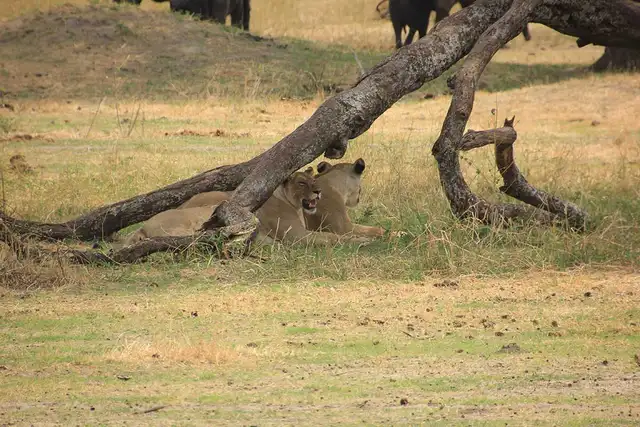
Find the top activities for a Tanzania wildlife safari in the northern circuit, from Serengeti migration drama to Ngorongoro Crater Big Five and cultural tours
The Northern circuit is a must do for any Tanzania wildlife safari, planning and choosing the best activities is what makes the experience truly rewarding. This region combines world-famous destinations like Serengeti National Park, Ngorongoro Crater, Tarangire, and Lake Manyara, each offering unique highlights. From witnessing the Great Migration to spotting tree-climbing lions, the northern circuit provides variety without requiring long transfers. A Tanzania wildlife safari here is not just about seeing animals but about understanding how ecosystems connect, with each park complementing the other. Careful planning ensures travelers maximize their time, balancing wildlife viewing with cultural visits and special activities such as hot air balloon rides or walking safaris.
Beyond wildlife, the northern circuit offers cultural depth and historical significance that enrich a Tanzania wildlife safari. Visiting Maasai villages, exploring Mto wa Mbu’s diverse community, or learning at Olduvai Gorge adds human and historical context to the natural wonders. Activities like fly camping under the stars or night drives in private concessions provide unique perspectives of the wilderness. With established infrastructure, varied lodges, and year-round wildlife viewing, the northern circuit is practical and rewarding for both first-time visitors and seasoned travelers. Choosing the right mix of activities ensures every safari feels personal, memorable, and full of value
Our popular Tanzania safari packages
3-days-tanzania-wildlife-safari
4-days-epic-tanzania-wildlife-and-culture-safari
5-day-kenya-and-tanzania-safari
5-days-circuit-wildlife-safari-in-tanzania
6-days-ndutu-migration-safari-calving-season
8-day-serengeti-ngorongoro-crater-and-zanzibar
8-days-wildlife-and-beach-holiday-tanzania
8-days-wildlife-safari-tanzania
9-days-zanzibar-and-wildlife-safari
10-days-uganda-and-tanzania-safari-gorillas-chimpanzees-and-wildlife
5-days-mount-kilimanjaro-marangu-route
6-days-mount-kilimanjaro-machame-route
7-day-climbing-kilimanjaro-via-the-machame-route
Top Safari Activities to Do in Northern Circuit on a Tanzania Wildlife Safari
Witness the Great Migration in Serengeti National Park
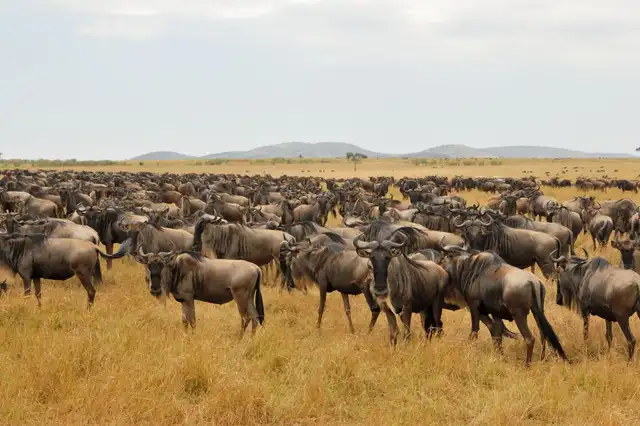
The Great Migration is the centerpiece of a Tanzania wildlife safari, with over a million wildebeest and zebra moving across the Serengeti. From January to March, travelers can see the calving season in the south, where thousands of newborns attract predators. Between July and October, the herds cross the Mara River in the north, facing crocodiles and strong currents. A Tanzania wildlife safari during these times provides unmatched drama and variety, but timing is crucial, as the herds shift locations each year. Guides and lodges track movements closely, ensuring visitors are positioned for the best viewing opportunities.
Big Five Game Drive in a Volcanic Crater Ngorongoro Crater
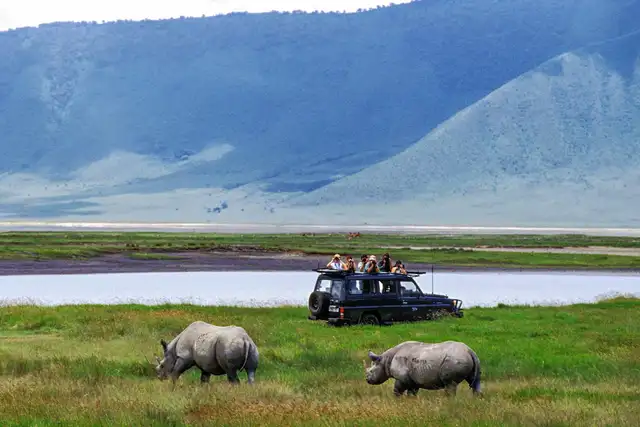
Descending into the Ngorongoro Crater offers one of the most concentrated wildlife experiences in Africa. A Tanzania wildlife safari here allows travelers to see lions, elephants, buffalo, and the rare black rhino in a single game drive. The crater’s enclosed ecosystem supports an incredible density of animals, making sightings frequent and rewarding. A Tanzania wildlife safari in this location is ideal for those who want maximum wildlife viewing without long transfers. The crater floor also provides varied habitats, from grasslands to swamps, sustaining diverse species year-round.
Track Elephants Among Giants in Tarangire National Park
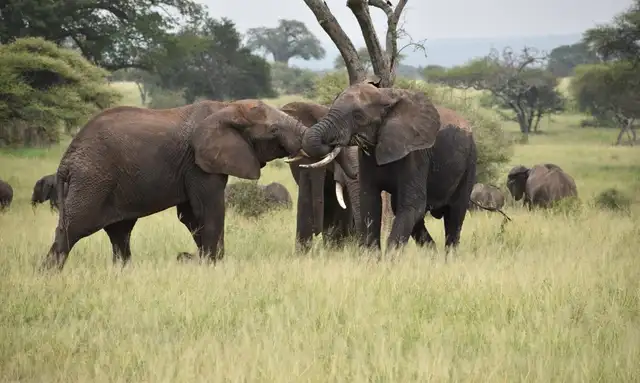
Tarangire is famous for its massive elephant herds and ancient baobab trees. A Tanzania wildlife safari here offers close views of elephants moving through the landscape in large numbers, especially during the dry season. The Tarangire River attracts wildlife, making sightings reliable and memorable. A Tanzania wildlife safari in Tarangire also provides excellent photography opportunities, with elephants framed against striking baobabs. The park’s atmosphere feels different from other northern circuit destinations, with fewer crowds and a focus on elephants.
Hot Air Balloon Safari in the Serengeti National Park
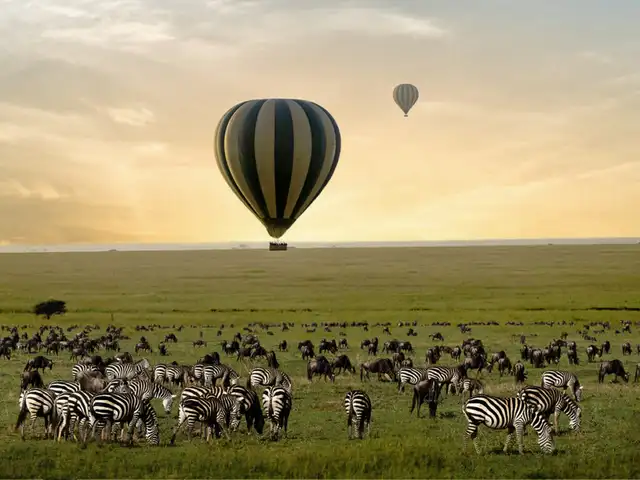
Floating above the Serengeti at sunrise gives travelers a unique perspective on the vast plains and wildlife below. A Tanzania wildlife safari that includes a hot air balloon ride combines adventure with tranquility, as the balloon drifts silently over herds of animals. The experience often ends with a champagne breakfast in the bush, adding a special touch. A Tanzania wildlife safari from the air provides panoramic views that ground-based drives cannot match, making it a valuable addition to any itinerary.
Night Game Drive in Serengeti Private Concessions
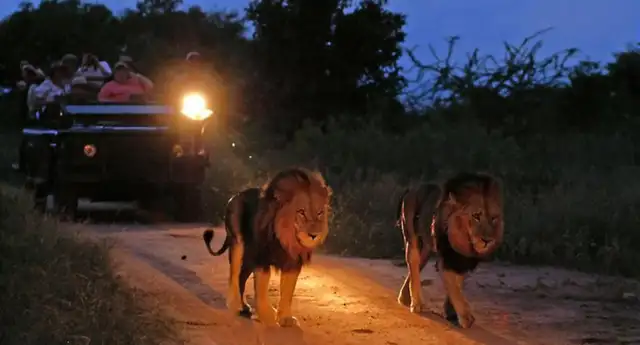
Night drives reveal a side of the bush that daytime safaris cannot. A Tanzania wildlife safari in private concessions like Grumeti uses spotlights to find nocturnal animals. Leopards, hyenas, and bushbabies are among the species often seen. A Tanzania wildlife safari at night highlights behaviors like hunting and feeding that occur after sunset. The atmosphere is different, with sounds and movements creating a sense of mystery. This activity adds variety to a safari itinerary and is especially appealing for those curious about nocturnal wildlife.
Walking Safari in Ngorongoro Highlands or the Serengeti
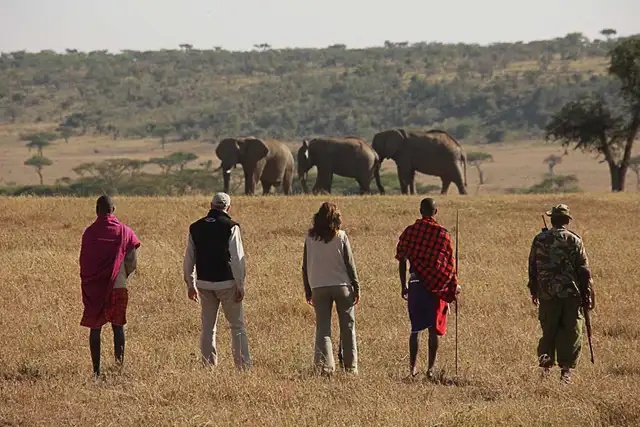
Walking safaris bring travelers closer to nature by exploring on foot with expert guides. A Tanzania wildlife safari in the Ngorongoro Highlands or Serengeti private concessions offers lessons in tracking, plant life, and smaller creatures often overlooked from vehicles. Guides explain animal signs, tracks, and behaviors, creating a deeper understanding of the environment. A Tanzania wildlife safari on foot emphasizes safety while allowing participants to feel connected to the land. It’s a slower, more intimate way to experience the wilderness.
Spot Tree-Climbing Lions in Lake Manyara National Park
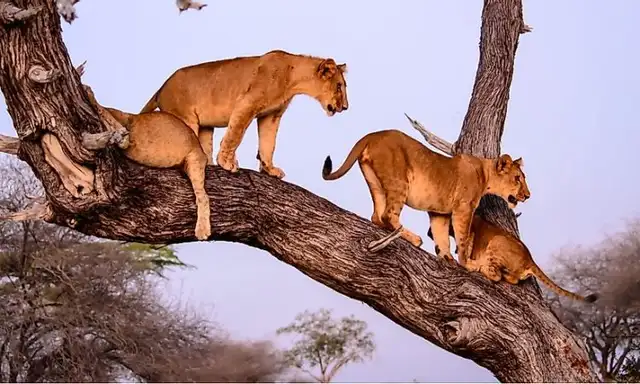
Lake Manyara is known for its lions that rest in acacia tree branches, a rare behavior in Africa. A Tanzania wildlife safari here also showcases diverse habitats, from groundwater forests to soda lake shores. Travelers can see baboons, flamingos, and over 400 bird species alongside the famous lions. A Tanzania wildlife safari in Lake Manyara provides variety in a compact area, making it a rewarding stop in the northern circuit.
Fly Camping or Bush Dinner in Serengeti National Park
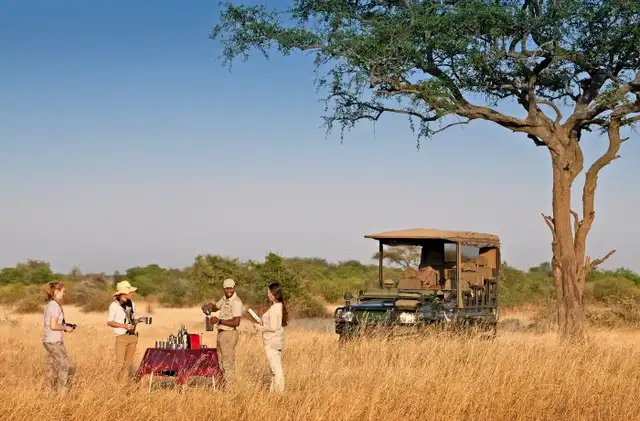
Sleeping under the stars in a mobile fly camp or enjoying a private bush dinner adds exclusivity to a Tanzania wildlife safari. Surrounded by the sounds of the night, travelers connect with the wilderness in a unique way. A Tanzania wildlife safari with this activity balances adventure with comfort, offering gourmet meals and simple yet atmospheric setups. It’s ideal for those seeking a deeper sense of place beyond traditional lodges.
Visit a Maasai Village in Ngorongoro Highlands or the Serengeti
Visiting a Maasai village adds cultural depth to a Tanzania wildlife safari. Travelers learn about traditional customs, dances, and daily life of this semi-nomadic community. A Tanzania wildlife safari that includes cultural interaction provides context for how people coexist with wildlife. Guests often participate in singing, dancing, and discussions with Maasai families. This activity enriches the safari experience by connecting travelers to the human side of the region.
Cultural Tour in Mto wa Mbu Near Lake Manyara
Mto wa Mbu is a vibrant village where over 120 tribes live together. A Tanzania wildlife safari that includes a visit here introduces travelers to local markets, farms, and food. Guests can taste traditional dishes, interact with artisans, and learn about farming practices. A Tanzania wildlife safari enriched with cultural tours provides insight into daily life beyond the parks. The diversity of people and traditions makes Mto wa Mbu unique in northern Tanzania.
Hunt with the Hadzabe at Lake Eyasi
Joining the Hadzabe bushmen on a traditional hunt offers a rare cultural experience. A Tanzania wildlife safari here includes learning survival techniques like tracking, foraging, and using handmade tools. Travelers may also visit the nearby Datoga blacksmiths, adding another cultural layer. A Tanzania wildlife safari with the Hadzabe provides insight into one of Africa’s last hunter-gatherer tribes, making it both educational and memorable.
Visit Olduvai Gorge in Ngorongoro Conservation Area
Olduvai Gorge adds historical depth to a Tanzania wildlife safari. Known as the “Cradle of Mankind,” it is a key site for understanding human evolution. Visitors explore a museum showcasing fossils and artifacts of early human ancestors. A Tanzania wildlife safari that includes Olduvai Gorge offers a break from wildlife viewing while still connecting to the land’s story. The gorge’s views are striking, and the history is fascinating for those interested in anthropology
What is the best time to experience Tanzania wildlife safari in northern
The best time to experience a Tanzania wildlife safari in the northern circuit is during the dry season, which runs from June to October. This period offers clear skies, minimal rainfall, and comfortable temperatures for long game drives. Wildlife gathers around rivers and waterholes, making sightings more predictable and rewarding. It is also the time when the Great Migration reaches the western and northern Serengeti, with dramatic river crossings that attract predators. A Tanzania wildlife safari during these months ensures excellent photography conditions, fewer mosquitoes, and reliable access to lodges and camps, though it is also the busiest season, so early booking is highly recommended.
Another excellent time for a Tanzania wildlife safari is from January to March, when the southern Serengeti hosts the wildebeest calving season. Thousands of newborn calves fill the plains, attracting lions, cheetahs, and hyenas, creating intense predator-prey interactions. The landscape is green and vibrant, offering a different atmosphere compared to the dry season. While occasional showers occur, they rarely disrupt safari activities, and the crowds are smaller, making it appealing for travelers who prefer quieter experiences. Whether choosing the dry season for migration drama or the calving season for predator action, both periods provide unique highlights that make the northern circuit a rewarding destination year-round
How to get there for Tanzania wildlife safari in the Northern
Reaching the northern circuit for a Tanzania wildlife safari usually begins with an international flight into Kilimanjaro International Airport, located near Arusha. This airport is the main gateway to Serengeti, Ngorongoro, Tarangire, and Lake Manyara. From Arusha, travelers can either drive by road or take domestic flights to airstrips inside the parks. Road transfers allow visitors to see rural landscapes and villages along the way, while flights save time and provide convenience, especially for those heading deep into the Serengeti. A Tanzania wildlife safari planned with both options often balances efficiency with cultural exposure, making the journey part of the overall experience.
Another option is arriving through Nairobi, Kenya, which connects well with Arusha by road or short flights. This route is practical for travelers combining Kenya and Tanzania in one safari. Crossing the Namanga border by road is common, followed by a drive to Arusha where most safari operators are based. From there, domestic airlines like Coastal Aviation and Auric Air provide regular flights to Serengeti, Ngorongoro, and Tarangire. A Tanzania wildlife safari arranged with transfers included ensures smooth movement between airports, lodges, and parks, reducing stress and maximizing time in the field. This makes access to the northern circuit straightforward and reliable
Best safari tips for experiencing Tanzania wildlife safari in the north
When planning a Tanzania wildlife safari in the northern circuit, timing and preparation are key to making the most of the experience. Aim to travel during the dry season from June to October for reliable wildlife sightings, or January to March for the calving season in the Serengeti. Book flights and lodges well in advance, as demand is high during these months. A Tanzania wildlife safari benefits from flexibility, so consider mixing road transfers with domestic flights to save time while still enjoying the countryside. Always consult with safari operators about migration movements and seasonal highlights to ensure you are in the right place at the right time.
Packing wisely is another important tip for a Tanzania wildlife safari in the north. Neutral-colored clothing such as khaki or olive works best, as it blends into the environment and avoids attracting insects. Bring sturdy shoes, a hat, sunscreen, insect repellent, and binoculars for better viewing. A Tanzania wildlife safari also requires patience, so plan for early morning and late afternoon drives when animals are most active. Respect park rules, listen to guides, and carry a reusable water bottle to stay hydrated. By preparing carefully and staying adaptable, travelers can maximize both comfort and wildlife viewing opportunities
Another useful tip for a Tanzania wildlife safari in the north is to plan your itinerary with a mix of parks to capture the circuit’s diversity. The Serengeti offers migration drama, Ngorongoro Crater guarantees dense wildlife viewing, Tarangire is perfect for elephants, and Lake Manyara adds birdlife and tree-climbing lions. A Tanzania wildlife safari that combines these parks ensures variety without long transfers, making the experience richer and more balanced. Consider spending at least two nights in each park to avoid rushing and to allow time for both morning and afternoon drives. This approach maximizes sightings and provides a deeper appreciation of each ecosystem.
Finally, budgeting wisely is essential for a Tanzania wildlife safari in the northern circuit. Costs vary depending on season, lodge choice, and transport options. Peak months like June to October are more expensive, while April and May offer discounts. A Tanzania wildlife safari can be tailored to different budgets, from camping to luxury lodges, but travelers should always factor in park fees, guide services, and transfers. Booking with reputable operators ensures smooth logistics and reliable support. By balancing cost with expectations, travelers can enjoy a rewarding safari without unnecessary stress, making the northern circuit both practical and memorable
Booking Tanzania wildlife safari with Lamz Tours and Travel
Booking a Tanzania wildlife safari with Lamz Tours and Travel guarantees a well-organized and personalized experience across the northern circuit. Our itineraries cover key destinations such as Serengeti, Ngorongoro Crater, Tarangire, and Lake Manyara, ensuring travelers enjoy the highlights of migration, Big Five sightings, and diverse habitats. A Tanzania wildlife safari arranged through Lamz Tours and Travel includes professional guides, carefully selected lodges, and smooth transfers, reducing stress and maximizing time in the field. We also tailor trips to match traveler preferences, whether focused on migration drama, cultural visits, or budget-friendly options. With our expertise in timing and logistics, Lamz Tours and Travel ensures every safari is practical, rewarding, and aligned with the expectations of both first-time and repeat visitors
Ready to plan your safari?
Talk to a Lamz Tours specialist and get a tailor-made quote.
Make an enquiry