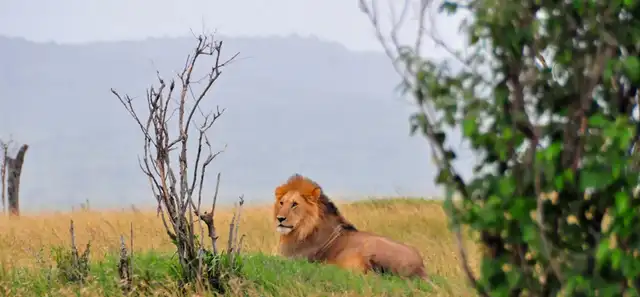
Experience African safari Kenya with top destinations from Masai Mara to Amboseli, Tsavo, Samburu, Laikipia, and coastal retreats for wildlife and culture
Did you know that African safari Kenya is one of the most sought-after wildlife experiences in the world, attracting travelers who want to see nature at its most authentic? Kenya’s national parks and reserves are home to diverse habitats ranging from open savannahs to forests, wetlands, and coastal regions. This variety makes it possible to see the Big Five lion, leopard, elephant, buffalo, and rhino alongside countless bird species and unique animals like Grevy’s zebra and reticulated giraffe. The Great Wildebeest Migration in Masai Mara is a highlight, drawing thousands of visitors each year to witness dramatic river crossings and predator action. African safari Kenya is not just about wildlife; it also offers cultural richness through communities such as the Maasai and Samburu.
African safari Kenya provides travelers with options that suit different interests, whether it’s photography, birdwatching, conservation-focused trips, or combining bush and beach holidays. From luxury lodges to eco-friendly camps, accommodations are designed to enhance the safari experience while supporting conservation and local communities. Activities range from game drives and walking safaris to hot air balloon rides and cultural visits, ensuring every traveler finds something meaningful. With its accessibility, variety, and depth, African safari Kenya remains a top choice for anyone seeking a complete and rewarding safari adventure
Best African safari Kenya packages
4-days-masai-mara-safari-tour-package-itinerary
3-days-luxury-fly-in-safari-to-masai-mara
4-day-wildebeest-migration-kenya-vacation-to-mara
4-days-masai-mara-and-lake-nakuru-safari 1. 3-Day Masai Mara Safari
5-days-masai-mara-kenya-safari-tour-package-from-diani-beach
5-days-perfect-masai-mara-tour-and-amboseli-adventure
5-day-kenya-and-tanzania-safari
6-days-circuit-kenya-safari-tour-package-from-masai-mara
7-days-masai-mara-tour-lake-nakuru-lake-naivaha-and-amboseli-tour-package
The Top Prime Places to Visit for African Safari Kenya
Masai Mara National Reserve
Masai Mara National Reserve is the most recognized destination for African safari Kenya, offering travelers a chance to see the Great Wildebeest Migration between July and October. The Mara River crossings are dramatic, with thousands of wildebeest and zebras moving in search of greener pastures. Year-round, the reserve provides excellent game viewing opportunities for the Big Five lion, leopard, elephant, buffalo, and rhino. Visitors can also enjoy hot air balloon rides at dawn, giving a unique view of the plains. Beyond wildlife, the Maasai people add cultural depth with their traditions and way of life. For anyone planning African safari Kenya, Masai Mara stands out as a place where wildlife, landscapes, and culture combine to create a complete safari experience.
Amboseli National Park
Amboseli National Park is known as the land of giants, with large herds of elephants often seen against the backdrop of Mount Kilimanjaro. This view has become one of the most photographed scenes during African safari Kenya, making it a favorite for travelers who want classic safari images. The park’s swamp areas attract hippos, buffalo, and a wide range of bird species, adding variety to the wildlife experience. Observation Hill provides a panoramic view of the park, allowing visitors to see the mix of habitats from one spot. For those considering African safari Kenya, Amboseli offers a balance of close elephant interactions, bird watching, and breathtaking landscapes that highlight the connection between Kenya and Tanzania’s natural wonders.
Tsavo East and West National Parks
Tsavo East and Tsavo West together form one of the largest protected areas in the world, making them a key stop for African safari Kenya. Tsavo East is famous for its red-dust elephants, the Yatta Plateau the world’s longest lava flow and Lugard Falls along the Galana River. Tsavo West, on the other hand, is more rugged, with volcanic cones, springs, and the popular Mzima Springs where visitors can watch hippos and fish from an underwater observatory. These parks provide a sense of vast wilderness and diverse landscapes. For travelers planning African safari Kenya, Tsavo offers both dramatic scenery and unique wildlife experiences, making it ideal for those who want to explore beyond the more visited reserves.
Samburu, Buffalo Springs and Shaba Reserves
Samburu, Buffalo Springs, and Shaba Reserves are located in northern Kenya and are known for hosting the “Special Five” Grevy’s zebra, reticulated giraffe, Somali ostrich, gerenuk, and Beisa oryx. These species are not commonly found in southern parks, making the area a distinctive choice for African safari Kenya. The reserves are set along the Ewaso Ng’iro River, which supports wildlife in the arid landscape. Leopard sightings are frequent here, and cultural interactions with the Samburu people add depth to the visit. For travelers seeking variety during African safari Kenya, Samburu and its neighboring reserves provide rare species, cultural experiences, and dramatic scenery that differ from the more traditional safari destinations in Kenya.
Laikipia Plateau
Laikipia Plateau is a conservation success story, offering a mix of private ranches and community conservancies without fences, allowing wildlife to roam freely. It is one of the best places in African safari Kenya to see wild dogs and both black and white rhinos. Activities here go beyond traditional game drives, with walking safaris, night drives, camel treks, and horse riding available. Luxury and eco-lodges provide exclusive experiences while supporting community-based conservation. For travelers planning African safari Kenya, Laikipia is ideal for those who want unique safari activities combined with strong conservation efforts. It is a destination that blends wildlife viewing with innovative approaches to protecting nature and supporting local communities.
6. Lake Nakuru National Park
Lake Nakuru National Park is a compact yet diverse destination, often called a paradise for bird lovers. The alkaline lake is famous for its flamingos, though numbers vary depending on water levels. Beyond birds, the park is home to both black and white rhinos, Rothschild’s giraffes, lions, and leopards. Its cliffs and forests add variety to the landscape, making it easy to explore in a short time. For African safari Kenya, Lake Nakuru offers a convenient option for travelers who want to see rhinos and enjoy bird watching without covering vast distances. It is a practical choice for those seeking a mix of wildlife and natural beauty in a manageable setting.
Meru National Park
Meru National Park is less visited compared to other destinations, giving it a more authentic wilderness feel. It is famous as the place where Elsa the Lioness from Born Free was released, adding historical value to the park. With rivers, swamps, and woodlands, Meru supports a wide range of wildlife, including rhinos in its sanctuary. For African safari Kenya, Meru is perfect for travelers who want solitude and a less crowded experience while still enjoying diverse habitats. The park’s untamed character makes it appealing to those who value quiet exploration. Choosing Meru for African safari Kenya ensures a balance of wildlife viewing and peaceful surroundings away from busier reserves.
Aberdare National Park
Aberdare National Park is a high-altitude destination with rainforests, moorlands, and waterfalls, including the impressive Karuru Falls. Wildlife here includes elephants, buffalo, hyenas, and the rare bongo antelope. A unique feature of Aberdare is its “tree hotels” such as The Ark and Treetops, where guests can watch animals gather at waterholes from balconies, especially at night. For African safari Kenya, Aberdare offers a different experience compared to savannah parks, focusing on forest wildlife and unusual accommodations. Travelers who want variety during African safari Kenya will find Aberdare appealing, as it combines dramatic landscapes with the chance to observe animals in a distinctive setting.
Hell’s Gate National Park
Hell’s Gate National Park is one of the few places in Kenya where visitors can walk or cycle among wildlife such as zebras, giraffes, and gazelles. The park is known for its towering red cliffs and gorges, which inspired settings in The Lion King. Rock climbing and geothermal hot springs add to the activities available. Since there are no large predators, visitors can explore safely on foot or bike. For African safari Kenya, Hell’s Gate provides an active alternative to traditional game drives, appealing to travelers who enjoy outdoor activities. Including Hell’s Gate in African safari Kenya plans allows for a mix of wildlife viewing and adventure in a unique environment.
The Kenyan Coast and Shimba Hills
The Kenyan Coast, with beaches like Diani, offers a perfect way to combine safari with relaxation. Visitors can enjoy marine activities such as snorkeling, diving, and cultural experiences in Swahili towns or historic Lamu Island. Nearby Shimba Hills National Reserve adds a wildlife element, with rare sable antelope and coastal forest scenery. For African safari Kenya, this bush-and-beach combination provides balance between wildlife and leisure. Travelers who want variety during African safari Kenya will find the coast appealing, as it allows them to end their safari with time by the ocean while still enjoying nature and culture in one trip
Best safari activities to do during African safari Kenya
African safari Kenya offers a wide range of activities that go beyond traditional game drives, giving travelers more ways to connect with nature. One of the most rewarding aspects is exploring diverse landscapes while observing wildlife in their natural habitats. From open savannahs to wetlands and forests, each environment provides a different perspective. Travelers often enjoy combining daytime drives with early morning or evening explorations, as animals are more active during cooler hours. This variety ensures that African safari Kenya is not limited to one style of adventure but instead provides multiple opportunities to see wildlife in action while appreciating the changing scenery across Kenya’s famous reserves and parks.
Another highlight of African safari Kenya is the chance to experience wildlife from unique vantage points. Hot air balloon rides over the Masai Mara at sunrise allow visitors to see herds moving across the plains from above, creating a memorable view of the migration season. Walking safaris in areas like Laikipia or Samburu provide a closer look at tracks, plants, and smaller animals often missed during drives. Night drives add another dimension, revealing nocturnal species such as hyenas, civets, and owls. African safari Kenya becomes richer when travelers mix these activities, ensuring a deeper understanding of the ecosystem.
Cultural experiences also play a significant role in African safari Kenya, as many parks and reserves are home to communities with long-standing traditions. Visiting Maasai or Samburu villages allows travelers to learn about local lifestyles, crafts, and conservation efforts. These interactions add meaning to the safari, showing how people and wildlife coexist. Beyond culture, birdwatching is another activity that attracts visitors, with destinations like Lake Nakuru and Amboseli offering hundreds of species. African safari Kenya is not only about large mammals but also about appreciating the smaller details that make the environment vibrant, giving travelers a more complete and rewarding safari.
For those seeking variety, African safari Kenya combines wildlife with adventure and relaxation. Cycling or hiking in Hell’s Gate, horse riding in Laikipia, or camel treks in northern reserves provide active options. On the coast, travelers can extend their safari with snorkeling, diving, or enjoying beaches like Diani. This bush-and-beach combination ensures balance between exploration and rest. Photography remains central to all activities, with Kenya’s landscapes and wildlife offering endless opportunities for capturing memories. African safari Kenya is best experienced by mixing traditional and alternative activities, ensuring travelers leave with both wildlife encounters and personal connections to the land and culture
Best time to experience African safari Kenya tours
The best time to experience African safari Kenya tours is during the dry season from June to October. Wildlife viewing is at its peak because animals gather around water sources, and vegetation is less dense, making sightings easier. This period also coincides with the Great Wildebeest Migration in the Masai Mara, usually starting in July and lasting until September, offering dramatic river crossings and large herds moving across the plains. For travelers planning African safari Kenya tours, this season provides the most reliable game viewing and comfortable weather, though it is also the busiest time with higher demand for lodges and camps.
Another excellent window for African safari Kenya tours is January to February. These months fall within the short dry season, offering clear skies and good wildlife visibility. It is also a great time to see newborn animals, as many species give birth after the rains, attracting predators and creating dynamic sightings. Birdwatching is particularly rewarding since migratory species are present. Compared to the mid-year migration season, January and February tend to be less crowded, making them appealing for travelers who prefer quieter experiences. For those considering African safari Kenya tours, choosing between the mid-year migration spectacle or the early-year birthing season depends on personal preference, but both periods guarantee rewarding safari experiences
How to get there for African safari Kenya experience
For most travelers, the starting point for an African safari Kenya experience is Nairobi, the country’s capital and main international gateway. Jomo Kenyatta International Airport receives flights from major global hubs, making it convenient to connect directly into Kenya. From Nairobi, visitors can access domestic flights to safari destinations such as the Masai Mara, Amboseli, or Samburu, which saves time compared to long road transfers. Charter flights are also available for more remote areas like Laikipia or Meru. Choosing flights is often the most efficient way to maximize time in the parks, especially for those with limited schedules. This makes Nairobi the central hub for beginning African safari Kenya tours.
Road travel is another option for reaching safari destinations, offering flexibility and a chance to see more of the countryside. Many parks such as Amboseli, Lake Nakuru, and Aberdare are accessible by car within a few hours from Nairobi, while longer drives lead to Tsavo or the coast. Organized safari operators provide 4x4 vehicles designed for both comfort and wildlife viewing, ensuring travelers can move safely and efficiently. Combining road and air transfers is common, with flights used for longer distances and drives for shorter routes. For anyone planning African safari Kenya, considering both options allows for a balance between convenience, cost, and the chance to enjoy Kenya’s diverse landscapes along the way
Best and popular tips for experiencing safari Kenya experience
When planning a safari Kenya experience, preparation is key to making the most of your time in the parks. Pack light but include essentials such as neutral-colored clothing, a wide-brimmed hat, sunscreen, insect repellent, and sturdy shoes. Neutral tones help you blend into the environment, while bright colors can distract wildlife. Carry binoculars and a good camera to capture sightings without disturbing animals. Staying hydrated is important, so always keep water with you. Safari Kenya experience is best enjoyed when travelers are ready for changing weather, from cool mornings to hot afternoons. Being prepared ensures comfort and allows you to focus on wildlife viewing rather than worrying about small inconveniences.
Another important tip for safari Kenya experience is to respect wildlife and follow the guidance of your driver or guide. Keep a safe distance from animals, avoid loud noises, and never attempt to feed or attract them. Guides are trained to read animal behavior and ensure safety, so listening to their instructions is essential. Patience is also valuable, as sightings may take time, but waiting often leads to rewarding moments. Safari Kenya experience becomes more meaningful when travelers appreciate the natural rhythm of the environment instead of rushing. Respecting rules not only protects visitors but also helps conserve habitats for future generations.
Maximizing your safari Kenya experience also involves choosing the right timing and destinations. Dry seasons generally offer better wildlife visibility, while wet seasons bring lush landscapes and bird migrations. Booking accommodations early is wise, especially in popular areas like Masai Mara during migration months. Consider mixing well-known parks with lesser-visited ones such as Meru or Laikipia for variety. Supporting eco-lodges and community conservancies adds value by contributing to conservation and local livelihoods. Safari Kenya experience is enhanced when travelers balance wildlife viewing with cultural interactions, photography, and relaxation. Planning carefully and selecting diverse activities ensures a richer and more rewarding adventure across Kenya’s unique safari landscapes
How much does a Kenya safari cost?
The cost of African safari Kenya varies depending on the season, level of comfort, and chosen destinations. Budget safaris can start from around $150–$250 per person per day, covering basic lodges or camps and shared game drives. Mid-range options range between $300–$600 daily, offering more comfortable accommodations and private vehicles. Luxury safaris can exceed $800–$1,500 per person per day, with exclusive lodges, charter flights, and personalized services. Prices also depend on park fees, which average $60–$80 per day in major reserves like Masai Mara. African safari Kenya is flexible, allowing travelers to tailor experiences to their budget, whether they prefer simple camping or high-end lodges with added activities such as balloon rides
Which is better, Masai Mara or Serengeti?
Choosing between Masai Mara and Serengeti depends on personal preferences, but both are world-class safari destinations. Masai Mara, part of African safari Kenya, is smaller and more concentrated, making wildlife sightings easier, especially during the Great Wildebeest Migration from July to October. Serengeti in Tanzania is larger, offering vast landscapes and longer migration routes. Masai Mara is often preferred for shorter safaris due to its accessibility from Nairobi and high density of predators. Serengeti suits travelers who want extended trips with more space and variety. African safari Kenya in Masai Mara provides a more compact yet intense safari experience, while Serengeti offers scale and diversity, making both excellent but different choices
Which African safari Kenya is best?
The best African safari Kenya depends on what travelers want to experience. Masai Mara is ideal for witnessing the migration and predator action, while Amboseli is perfect for elephant lovers with Mount Kilimanjaro as a backdrop. Tsavo offers vast wilderness and unique red-dust elephants, while Samburu provides rare species like Grevy’s zebra and reticulated giraffe. Laikipia is excellent for conservation-focused safaris with wild dogs and rhinos, while Lake Nakuru is popular for birdwatching and rhino sightings. African safari Kenya is versatile, and the “best” safari often combines multiple parks to balance wildlife variety, landscapes, and cultural experiences. Travelers should match their interests migration, elephants, birds, or conservation with the park that delivers those highlights
What are the big 5 in Kenya safari?
The Big Five in African safari Kenya are lion, leopard, elephant, buffalo, and rhino. These animals were historically considered the most challenging to hunt, but today they represent the most sought-after sightings for safari travelers. Lions are often seen in prides across Masai Mara, while leopards are more elusive but common in Samburu and Laikipia. Elephants dominate Amboseli, creating classic safari views against Kilimanjaro. Buffalo are widespread and often seen in large herds, while rhinos, both black and white, are protected in parks like Lake Nakuru and Ol Pejeta. African safari Kenya offers excellent chances to see all five, making it one of the best destinations for completing the Big Five checklist
Best items to parks when going for African safari Kenya
Packing smartly for African safari Kenya makes the experience more comfortable and rewarding. Essential items include lightweight, neutral-colored clothing suitable for both warm days and cool mornings, sturdy walking shoes, a wide-brimmed hat, and sunglasses for sun protection. A good camera with extra batteries and memory cards is important for capturing wildlife moments, while binoculars help spot animals at a distance. Sunscreen, insect repellent, and a reusable water bottle are practical for daily use. A small backpack is useful for carrying personal items during game drives. Including a travel guidebook or notebook adds value for recording sightings. With these essentials, African safari Kenya becomes smoother, allowing travelers to focus on wildlife and landscapes without unnecessary distractions
Top places to stay in during African safari Kenya
Top places to stay during African safari Kenya range from luxury lodges to eco-friendly camps that blend comfort with authentic wilderness experiences. In Masai Mara, options like Mara Serena Safari Lodge and Angama Mara provide panoramic views of the plains and migration routes. Amboseli offers stays such as Ol Tukai Lodge with direct views of elephants against Mount Kilimanjaro. Laikipia features exclusive conservancy lodges like Loisaba Tented Camp, known for unique activities including horse riding and camel treks. Lake Nakuru and Samburu also host well-managed lodges and tented camps that balance accessibility with wildlife immersion. Choosing the right accommodation during African safari Kenya depends on whether travelers prefer high-end luxury, eco-conscious stays, or practical camps close to prime wildlife areas
Booking African safari Kenya with Lamz Tours and Travel
Booking African safari Kenya with Lamz Tours and Travel ensures a well-structured and personalized experience tailored to traveler needs. As specialists in East African tours, Lamz Tours and Travel designs itineraries that cover prime destinations such as Masai Mara, Amboseli, Samburu, and the Kenyan coast, combining wildlife viewing with cultural and leisure activities. Our packages include professional guides, comfortable accommodations ranging from eco-lodges to luxury camps, and seamless logistics for both road and air transfers. With a focus on conservation and authentic travel, Lamz Tours and Travel provides value-driven options that suit different budgets while maintaining high standards of service. Choosing Lamz Tours and Travel for African safari Kenya guarantees expert planning, reliable support, and memorable encounters across Kenya’s diverse landscapes and wildlife-rich parks
Ready to plan your safari?
Talk to a Lamz Tours specialist and get a tailor-made quote.
Make an enquiry