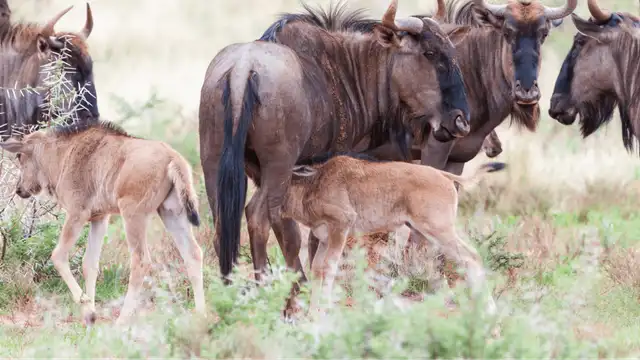
Find the top calving season locations on a Serengeti safari tour, from Ndutu Plains to Kusini, with prime wildlife action and predator sightings
The calving season on the southern plains of the Serengeti is nature's most concentrated birthing event. Between late January and March, over half a million wildebeest drop their calves within a few short weeks, creating a predator feast unlike any other. If you want to see newborn calves stand within minutes of birth, watch cheetahs hunt in open grassland, or witness lionesses target slow prey, this is the only time to visit. Unlike the famous river crossings in July–October, calving season happens in a small, predictable area around Ndutu. The short grass gives you unobstructed views, and off-road driving is permitted here. However, most travelers make mistakes: they stay too far from the action, book too late, or bring the wrong gear. This guide cuts through the noise. You will learn exactly where to go (Ndutu Plains, Lake Ndutu, Kusini), what to pack (dust masks, beanbags, telephoto lenses), and which lodges put you closest to the births. Follow these tips to turn your Serengeti safari tour into a front-row seat to the greatest show on earth. No fluff, just facts
Best Tanzania safari packages
2-days-fly-in-serengeti-safari-in-tanzania
2-days-tarangire-national-park-and-ngorongoro-crater-safari
3-days-tanzania-safari-in-serengeti-national-park
3-days-tanzania-wildlife-safari
4-days-epic-tanzania-wildlife-and-culture-safari
5-day-kenya-and-tanzania-safari
5-days-circuit-wildlife-safari-in-tanzania
6-days-ndutu-migration-safari-calving-season
8-day-serengeti-ngorongoro-crater-and-zanzibar
8-days-wildlife-and-beach-holiday-tanzania
8-days-wildlife-safari-tanzania
9-days-zanzibar-and-wildlife-safari
10-days-uganda-and-tanzania-safari-gorillas-chimpanzees-and-wildlife
The Top locations for calving season on Serengeti safari tour
Ndutu Plains is the main calving location.
For a Serengeti safari tour focused on calving, Ndutu Plains in the southern Serengeti works best. This area sits inside the Ngorongoro Conservation Area next to the Serengeti border. Between late January and March, over half a million wildebeest gather here to give birth. The short grass gives you clear views of the herds. You can see up to 8,000 newborn calves each day at peak time. Your Serengeti safari tour allows off-road driving here, so your guide can get closer than in other park sections. Book lodges near Ndutu at least six months ahead because this spot fills fast. Bring a telephoto lens because you cannot always drive right next to births.
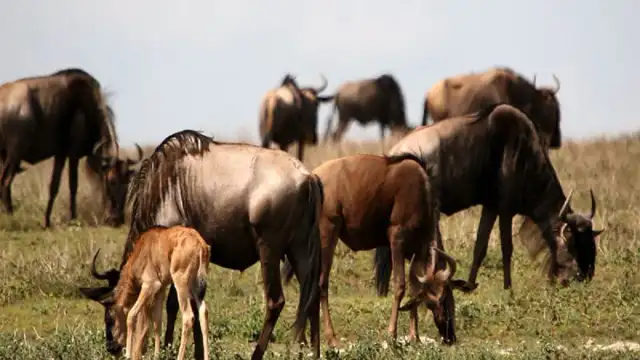
Lake Ndutu and Lake Masek are prime viewing spots.
The herds concentrate around these two seasonal lakes because fresh grass grows after short rains. Water stays available year-round, keeping animals nearby. On a Serengeti safari tour, spending time around Lake Ndutu gives you frequent sightings of wildebeest, zebra, and gazelle all packed together. Woodland edges around the lake hide predators waiting to hunt. You can drive between the two lakes in under an hour, covering the core calving zone easily. Many camps position themselves between these lakes. A Serengeti safari tour in this area works best from 7 AM to 10 AM when predators are most active. Carry a dust mask because dry plains get windy.
The Southern Plains stretch from Ndutu to the Gol Mountains.
This open grassland extends east from Ndutu toward the Gol Mountains. The soil here has minerals that keep grass short and nutritious. During calving season, the herds spread across this whole plain system. A Serengeti safari tour that includes the eastern plains gives you more space and fewer vehicles. The Gol Mountains area sees less tourist traffic than the lakes. Cheetahs love this open terrain because they can spot prey from far away. You can watch hunts unfold across half a mile of grass. Your Serengeti safari tour guide should check the Gol road conditions first, because rains can make tracks slippery. Bring binoculars for scanning long distances.
Kusini sector offers high predator activity.
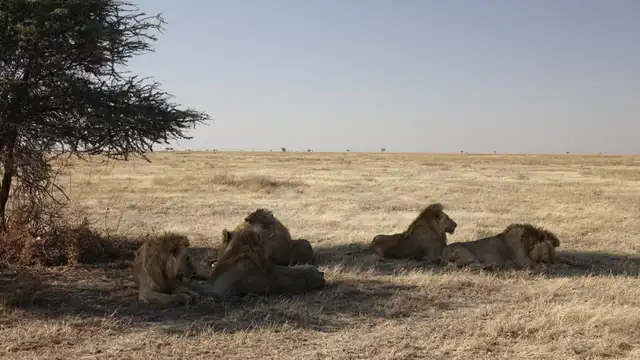
The Kusini area sits just south of the main Serengeti border, inside the conservation area. This region has a mix of open plains and acacia woodlands. During calving season, predators like lions, cheetahs, and hyenas follow the herds into Kusini. The woodlands give leopards places to hide their kills. On a Serengeti safari tour, Kusini delivers intense predator action because the terrain gives cats cover to ambush newborn calves. Several permanent lodges operate here year-round. A Serengeti safari tour in Kusini costs more than Ndutu but offers quieter drives. Stay at least three nights here to cover the full predator-prey action. Pack warm clothes for cold mornings.
Olduvai Gorge area marks the eastern edge.
The grasslands around Olduvai Gorge also hold calving herds when the main plains get full. This area connects the southern Serengeti to the Ngorongoro highlands. The herds push east here when grass gets low near the lakes. A Serengeti safari tour that includes Olduvai gives you a second option if Ndutu plains become too crowded. You can combine a morning at the gorge museum with afternoon game drives on the surrounding plains. The shifting sand dunes nearby add a different landscape. Your Serengeti safari tour driver needs a special permit to drive in this zone, so ask your operator beforehand. Carry cash for museum entry fees.
The short grass plains of the southeast Serengeti.
Inside the Serengeti National Park boundary, the southeast plains around the Salei area also host calving herds. This region gets less visitors than Ndutu because it lacks permanent water sources. However, when short rains arrive, fresh grass attracts thousands of wildebeest. The main advantage here is solitude. A Serengeti safari tour in this area may see no other vehicles for hours. The open landscape makes spotting predators easy. The main drawback is fewer lodging options. Your Serengeti safari tour operator should set up a mobile camp for you here, because no permanent lodges exist. Bring extra fuel and water because the nearest supply point is two hours away. Plan for basic camping conditions without electricity
Best time to witness the calving season on Serengeti safari tour
The best time for calving on a Serengeti safari tour is late January through February. During these weeks, over 8,000 wildebeest calves are born each day on the southern short grass plains around Ndutu. The mothers give birth mostly in the morning hours, between 9 AM and 11 AM. This timing lets you see newborns stand and walk within minutes of birth. A Serengeti safari tour in early February gives the highest concentration of fresh calves, which attracts lions, cheetahs, and hyenas. The grass stays short because of dry weather, so your view is clear. Book your trip for the last two weeks of February to hit the absolute peak of birthing action.
March still offers good calving but with more risk. A Serengeti safari tour in early March shows many calves that are two to four weeks old, now running with the herds. However, the long rains often start in mid-March, turning plains roads into mud. Late March becomes tricky because some herds begin moving west. Your Serengeti safari tour in March should focus on the first half of the month for the best balance of calf sightings and passable roads. If you can only travel in March, stay near Lake Ndutu where water does not affect access as badly. Avoid April entirely because rains stop most driving and calves are too old to count as newborn season
Best safari activities to do during calving season on Serengeti safari tour
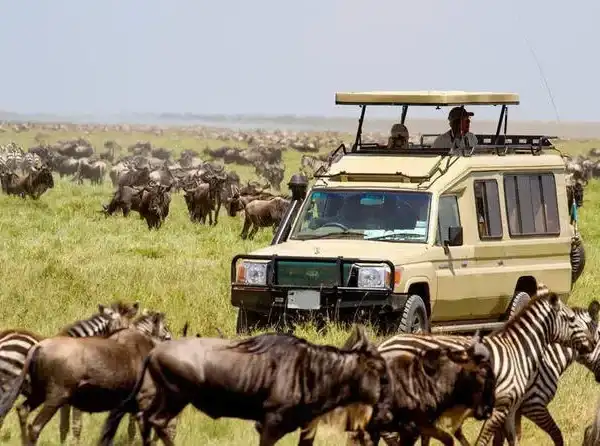
During calving season, a Serengeti safari tour should focus on predator-pair observation. Lions and cheetahs hunt newborn calves constantly because they are slow and easy targets. You need to position your vehicle near a resting lioness and wait. She will move toward the herd when hungry. A Serengeti safari tour guide with good radio contacts can alert you to a cheetah stalking. The best activity is simply staying put at one kill site for two to three hours. Hyenas often steal kills from cats, so you see multiple predator interactions. Bring a beanbag for camera support because action happens fast. Do not chase moving herds. Let the predators show you where the calves are.
Morning drives from 6:30 AM to 10 AM give you the highest chance of seeing births. On a Serengeti safari tour, ask your guide to scan the horizon for wildebeest that separate from the main herd. A female about to give birth will walk in circles, tail raised. You can watch the entire birth process in fifteen minutes. After birth, the calf must stand within six minutes to survive. This activity requires patience and silence. Turn off the engine. A Serengeti safari tour operator should provide a spotting scope because births happen at a distance. Do not drive directly toward a laboring female, or she will abort. Stay 100 meters away and use binoculars.
Off-road driving is allowed only in the Ndutu area during calving season. Use this permission to track cheetah families. Mother cheetahs with cubs teach them to hunt on newborn calves. A Serengeti safari tour activity unique to this season is watching a mother cheetah bring a live calf to her cubs for practice. This happens most mornings between 8 AM and 9 AM. Your guide can follow cheetah footprints on the short grass. The cats do not fear vehicles, so you can get within thirty meters. For a Serengeti safari tour focused on education, ask your guide to explain how cheetah cubs learn kill techniques. Bring a notebook to record behavior.
Late afternoon game drives from 4 PM to sunset are best for seeing the aftermath of births. Hyenas and jackals patrol the plains in large clans during calving. On a Serengeti safari tour, park near a hyena den and watch adults bring pieces of calf carcass to pups. This activity shows you the full circle of life without sentiment. The short grass means no hiding spots for calves, so hyenas succeed in 35% of their chases. A Serengeti safari tour that includes a bush breakfast lets you cover more ground. Eat quickly and keep scanning. The activity requires good hearing, because hyenas call to each other when they find a calf separated from its mother.
Photography workshops tailored to calving season add value to your Serengeti safari tour. Many camps offer guided sessions on shooting low-light action at dawn. The key activity is learning to predict where a chase will end, not where it starts. Your instructor teaches you to watch vultures circling, because they spot dying calves first. On a Serengeti safari tour, set your camera to high-speed burst mode (at least 7 frames per second). Practice panning with moving cheetahs. The best activity is creating a time-lapse of a single calf’s first hour of life. This requires a tripod and remote shutter. Share your images with camp staff for feedback each evening
Best tips for witnessing the calving season on Serengeti safari tour
Book your Serengeti safari tour for the last two weeks of February. This window gives you the highest density of newborn calves. Stay at a camp inside the Ndutu area, not outside the conservation zone. A Serengeti safari tour with a mobile tented camp puts you right on the plains, so you drive five minutes to find herds instead of two hours. Wake up at 5:30 AM every day. The first hour of light is when most births happen. Ask your guide to skip breakfast and pack coffee in a thermos instead. Delaying breakfast gives you two extra hours of prime viewing before vehicles from distant lodges arrive and crowd the area.
Hire a guide who specializes in the southern plains, not a general driver. A Serengeti safari tour guide with ten years of Ndutu experience knows which rocky outcrops lions use to scan for calves. He also knows which drainage lines hide cheetah families. Before you book, ask the operator: "Does your guide live in Ndutu during calving season?" If the answer is no, find another operator. A Serengeti safari tour with a local specialist costs 20% more but doubles your sighting success. Check the vehicle's tires before departure. Mud patches in February can trap standard tires. Request a 4x4 with high clearance.
Do not chase every predator sighting you hear on the radio. Pick one area and stay there all morning. A Serengeti safari tour works best when you commit to a two-square-mile zone. Wildebeest mothers give birth in the same general area for days. If you move every thirty minutes, you miss the slow build of a hunt. Pack a paper map and mark where you see resting lions. Return to that spot the next morning at 6:30 AM. On a Serengeti safari tour, patience beats mobility. Bring earplugs for the night because hyenas call loudly near camps. Sleep early so you stay alert for the 6 AM birth rush
What to bring for calving season on Serengeti safari tour
While on a Serengeti safari tour during calving season, pack neutral-colored clothes (khaki, olive, brown) to avoid scaring animals. Bring a warm jacket and fleece because mornings on the southern plains drop to 10°C (50°F) before sunrise. Carry a dust mask and sealed camera bags because dry plains get very dusty. Pack binoculars with at least 8x magnification for spotting births at a distance. Bring a beanbag or small tripod for steady photography during fast predator action. Take high-SPF sunscreen and a wide-brimmed hat because midday sun is harsh even in February. Include a power bank because many mobile camps charge only during certain hours. Bring earplugs for noisy hyena calls at night. Carry a small notebook and pen to record birth timings and predator locations. Pack antiseptic wipes and plasters for minor cuts from thorn bushes. A Serengeti safari tour in calving season also needs extra camera memory cards and batteries because you will shoot hundreds of photos daily. Leave bright colors, jeans, and heavy boots at home.
Best lodges to stay in for calving season and Serengeti safari tour
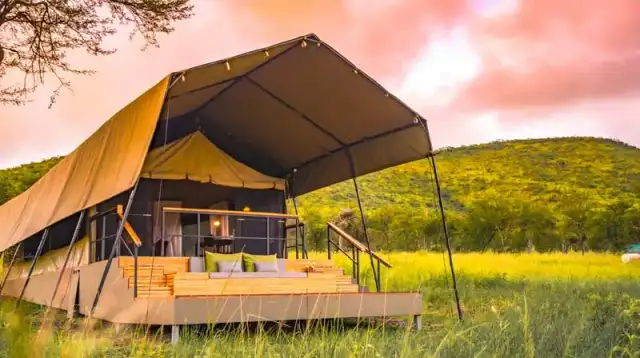
For a Serengeti safari tour during calving season, the best lodges are concentrated in the Ndutu area of the southern Serengeti. Ndutu Safari Lodge is a classic permanent option right by Lake Ndutu, giving you quick access to the short-grass plains where births happen . For a mobile camp that moves with the herds, Serengeti Ndutu Camp and Tanzania Bush Camp offer excellent proximity to wildlife without long driving distances. If you want luxury, Serian's Serengeti South provides six exclusive tents with off-road driving and night safaris included. Lake Masek Tented Lodge places you directly on the lake shore, so you can watch wildebeest drink and calve from your private veranda. For a smaller, intimate setup, Esirai Camp (South) has only eight tents and chases the action across the plains. A Serengeti safari tour in calving season requires booking these lodges four to six months ahead, especially for February peak dates
Booking Serengeti safari tour with Lamz Tours and Travel
Booking your Serengeti safari tour with Lamz Tours and Travel is straightforward and tailored to your needs, especially for calving season. Start by visiting their website at www.Lamz Tours and Travel.com to explore packages focused on the southern Serengeti plains from January to March . Contact them via email (info@Lamz Tours and Travel.com) or phone (+000 000 000 000) to discuss your travel dates and group siz . Our team will craft a custom itinerary that includes game drives in the Ndutu area, where over 500,000 wildebeest give birth. We use well-maintained 4x4 vehicles and employ experienced guides who know predator hotspots during calving. A Serengeti safari tour with Lamz Tours and Travel includes park entry fees, accommodation (from luxury lodges to mobile camps), meals, and drinking water. Past travelers praise their smooth organization, quick responses, and knowledgeable guides like Julius. Book your Serengeti safari tour at least four to six months ahead for February peak calving dates. We offer transparent pricing with no hidden costs, and you can pay via bank transfer or credit card . Lamz Tours and Travel also combines Serengeti with Ngorongoro Crater visits for a fuller experience
Ready to plan your safari?
Talk to a Lamz Tours specialist and get a tailor-made quote.
Make an enquiry